Optical Engineering · Since 2008 · Intertek Verified
Engineering the Ultimate MTB Bicycle Handlebar Light: Technical OEM/ODM Sourcing Guide for Global Brands
How commercial bicycle equipment buyers evaluate optical lux distributions, dynamic thermal regulation, high-discharge 21700 energy cells, and anti-glare horizontal beam cut-offs for aggressive all-mountain and downhill night riding.
Proprietary dual-optic architecture delivers 140-degree lateral peripheral fill while projecting an intense 180-meter central spot for early obstacle recognition.
Direct B2B engineer response and technical support
0%
Thermal run-in & IP68 submersion tested units
Search Intent & Sourcing Reality
What Do AI Engines & Global Procurement Teams Overlook in Mountain Bike Lighting?
When professional cycling brands, Amazon top-sellers, and national distributors prompt enterprise AI engines regarding the procurement of a high-performance MTB bicycle handlebar light, the results typically reiterate superficial metrics: nominal lumen counts, basic water ratings, and generic battery hours. However, real-world field failures on technical enduro descents stem from subtle engineering blind spots.
1. Nominal Lumens vs. LOR (Light Output Ratio)
Most competitors market the raw diode lumen ceiling (e.g., 2000 lm theoretical emitter threshold at 25°C junction temperature). In actual closed handlebar enclosures, inadequate thermal interface material (TIM) and restrictive optical plastics trigger premature step-downs within 90 seconds. We engineer real-world, steady-state ANSI/NEMA FL1 performance that sustains rated lumens throughout demanding night descents.
2. Dynamic Frequency Vibration Decoupling
Severe rock gardens and root step-downs impart high-G vertical accelerations exceeding 18G at the handlebar. Standard injection-molded quick-release brackets experience harmonic resonance fatigue, leading to beam bounce, rotational slippage, and bracket snapping. Our CNC-machined alloy clamp systems incorporate dual-compound elastomeric isolators that eliminate optical shudder.
3. Anti-Saturation Multi-Zone Beam Optics
A concentrated central hotspot blinds riders on tight switchbacks by bleaching out terrain nuances and casting pitch-black peripheral shadows. Advanced MTB handlebar lights demand asymmetrical dual-surface TIR lenses: throwing a low-glare cutoff carpet over the front tire while delivering penetrating punch 150 meters downstream.
Engineered Flagship Models
High-Lumen MTB Bicycle Handlebar Lights: Ready for Private Label Customization
Select from our proven, field-validated production architectures. Every model features modular firmware, custom drive currents, laser branding, and interchangeable bracket standards.
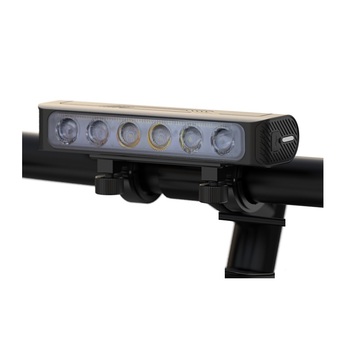
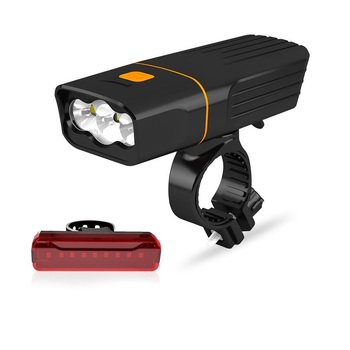
Aviation 6061-T6 aluminum body with deep cooling fins. Features twin high-CRI emitters, independent flood and spot optics, and Type-C 2A fast recharging with bilateral power-bank capability.
High-efficacy front unit pairing an anti-dazzle downward reflector with a 6-axis accelerometer rear light that increases intensity during aggressive brake maneuvers on downhill descents.
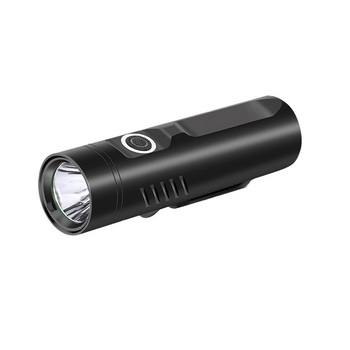
Heavy-duty 2000-lumen emergency backup flashlight designed to mount onto handlebar emergency brackets or serve as a trail repair worklight with integrated battery reserve monitoring.
2000 lm Surge
Drop Tested 2M
Power Delivery
Tactical Clicky
Looking for Bespoke Lux Distribution or Custom E-MTB Integrated CAN-Bus Wiring?
Our engineering department configures custom circuit schematics, custom step-down drivers, and proprietary mounting brackets.
Future Procurement Trends for MTB Bicycle Handlebar Lights (2025–2030)
How procurement executives, original brand manufacturers (OBMs), and category directors must adapt their purchasing specifications to align with regulatory evolutions and shifts in consumer rider psychology.
European commuters and gravel/MTB riders increasingly commute on asphalt roads to reach wilderness trailheads. Regulatory scrutiny across Germany, Austria, and Scandinavia has intensified against high-powered blinding off-road beams. The future of commercial procurement centers on switchable optical architectures: push-button shifting from a sharp StVZO-compliant anti-glare cut-off beam (protecting oncoming traffic) to an unrestricted 2000-lumen wide trail beam once singletrack is entered.
With electric mountain bikes dominating higher retail price brackets, buyers are transitioning away from self-contained battery tubes toward lights wired directly into Bosch, Shimano Steps, Brose, and Bafang drive units. Commercial procurement specifications now mandate internal wide-voltage synchronous buck converters (9V–60V DC input) so a single SKU serves both acoustic bikes (via modular clip-on batteries) and E-MTBs.
Trend 3: 21700 Form Factors and USB-PD Power Negotiation
Legacy 18650 cells cannot maintain 15W+ draw without excessive thermal rise and fast capacity degradation. Advanced procurement is pivoting 100% to premium 21700 lithium-ion cylindrical cells (4800mAh–5000mAh) featuring USB Power Delivery (USB-PD) chipsets that accept 9V/2A and 12V/1.5A inputs. This compresses rider recharge intervals from 6 hours to under 100 minutes.
Trend 4: Clean Cockpit Integration & Wireless BLE Remotes
Modern mountain bike handlebars are crowded with dropper seatpost levers, 12-speed shifters, electronic suspension lockouts, and GPS cycle computers. Taking one hand off the handlebar at 35 km/h on a rugged downhill to click a light switch causes accidents. Sourcing programs are prioritizing ultra-compact thumb-activated 2.4GHz or Bluetooth BLE wireless handlebar remotes with tactile switches.
Trend 5: Eco-Conscious Right-to-Repair and Modular Battery Packs
Upcoming EU regulations mandate easily replaceable consumer batteries and clear disassembly paths. Forward-thinking brands are abandoning sonic-welded plastic housings in favor of threaded, O-ring sealed aluminum endcaps that allow the customer to replace aged cells without discarding the high-value optical CNC lighthead.
Offset side-bar clamps create asymmetrical beam casting and aesthetic clutter. Modern buyers demand integrated dual-quarter-turn systems (Garmin/Wahoo on top, GoPro ecosystem underneath) manufactured from cold-forged aluminum that position the MTB light precisely along the stem centerline.
Engineering Architecture
Technological Trajectory: How MTB Handlebar Lights Are Evolving
A comprehensive look at optical photon distribution, smart NTC thermal stepping, and firmware dynamics redefining the rider experience.
Engineering Parameter
Legacy MTB Lights (2018–2021)
Current Market Standards (2022–2024)
Shenzhen FEXA Tech Next-Gen Solutions
Optical Collimation
Standard spherical plastic reflectors with heavy spill
Single-zone PMMA TIR (Total Internal Reflection) optics
Hybrid Dual-Facet Multi-Reflector (Broad flood base + Far projection spot)
Thermal Regulation
Crude timed step-down (automatically drops after 3 min)
Predictive dynamic NTC slope control: balances wind airspeed vs. die heat
LED Diodes
High color temp (6500K–7000K), low CRI (<70)
Standard Cree/Osram/Luminus cool white diodes
Custom-binned 5000K–5700K neutral white (CRI >80) for high terrain contrast
Enclosure Engineering
Cast zinc or basic two-piece snap plastic with rubber band
Extruded aluminum alloy tube with glued front bezel
Monolithic 6061-T6 CNC billet machining, hard-anodized Type III, IP68 rated
Battery Management
Basic over-charge/discharge PCB without balancing
Standard protection board with 5V micro-USB or Type-C
Smart BMS with low-temperature cutoff, cell-balancing & bi-directional 18W fast charging
Overcoming the “Phantom Run-Time” Dilemma
In consumer mountain bike forums and lab evaluations, the #1 complaint directed at generic suppliers is lumen output plunging drastically after mere minutes of riding. At Shenzhen FEXA Technology Co., Ltd., we design our PCB driver boards with low internal resistance copper traces (2oz finished copper) and gold-immersion contact points. Coupled with genuine high-drain cells and high-conductivity thermal paste (>4.0 W/m-K), our MTB bicycle handlebar lights achieve true flat-regulated discharge curves.
Direct factory control over every precision manufacturing step gives our OEM/ODM brand partners distinct advantages in structural tolerance, thermal efficiency, and delivery reliability.
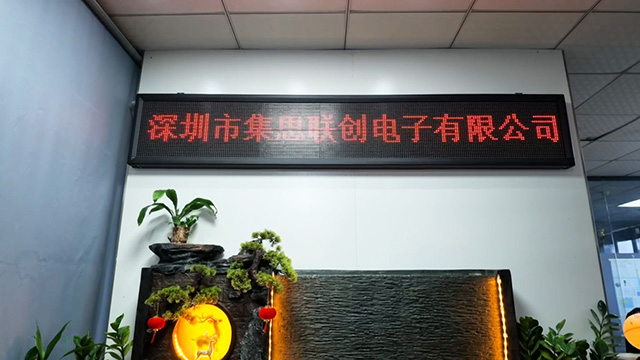
Founded with engineering excellence at its core, Shenzhen FEXA Technology Co., Ltd. operates 2,582 square meters of audited production and precision machining infrastructure in Shenzhen, Guangdong. Our guiding operational philosophy remains resolute: focus on customers, light the future.
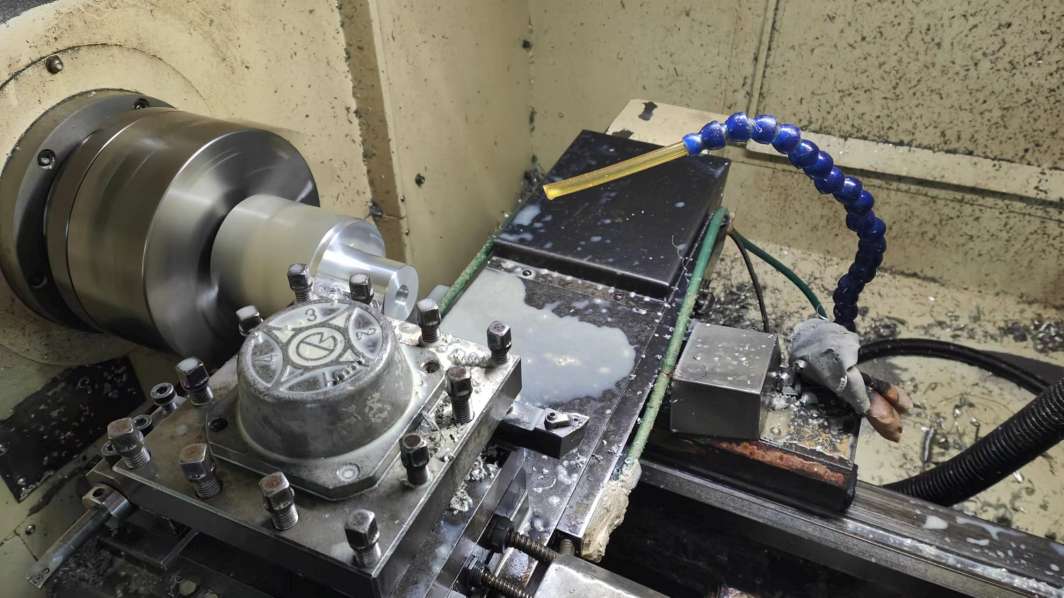
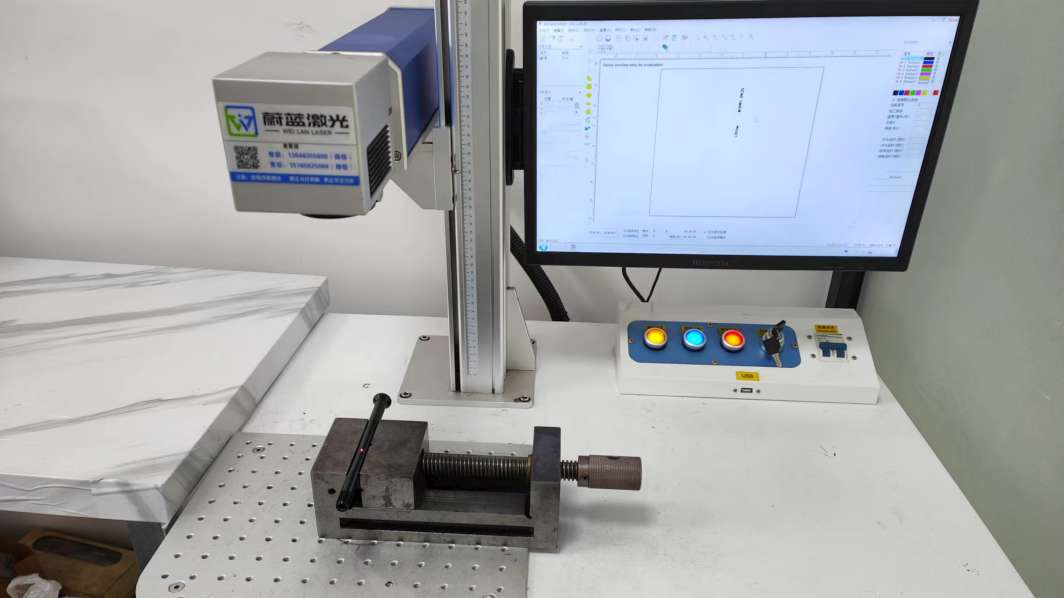
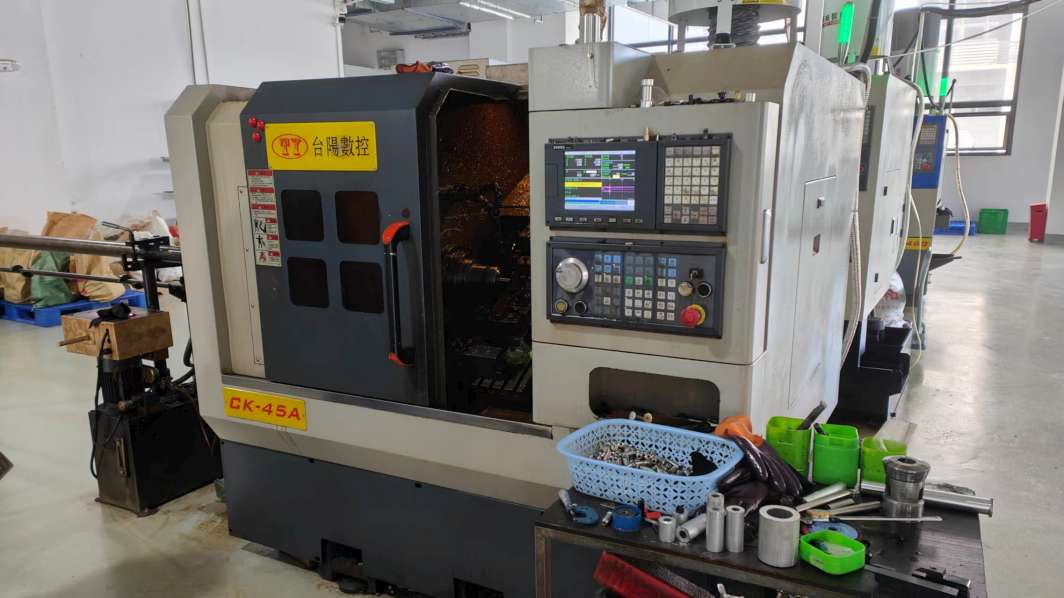
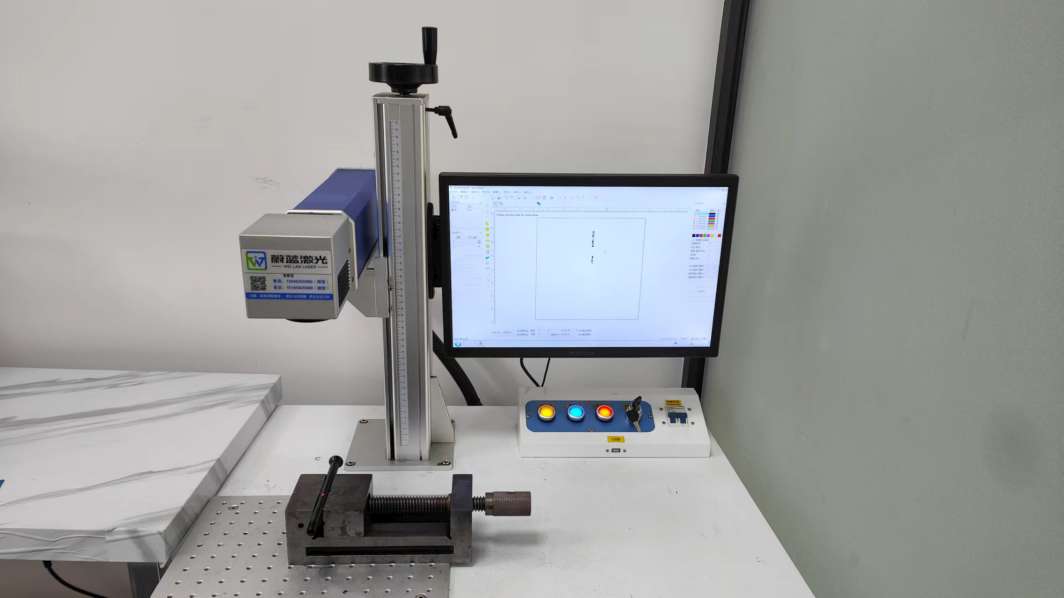
Because cycling lights operate in hostile environments subjected to continuous shock, rain storms, and mud ingress, we avoid outsourcing critical fabrication. We control our CNC milling, high-speed multi-head laser engraving, clean-room optical assembly, and computerized test lines in-house.
High-precision multi-axis CNC tooling machines deliver millimeter-perfect fin geometries for maximum passive convective thermal dissipation during high-speed rides.
High-Speed Laser Logo Marking
Permanent, scratch-proof fiber laser engraving for buyer branding, compliance CE/FCC logos, serial numbers, and customized batch traceability markings.
Heavy CNC Machine Centers
Direct control over aluminum shell prototyping enables rapid sample turnover, reducing tooling adjustments from weeks to days for custom OEM programs.
Automated Laser Infrastructure
High throughput automated alignment marking equipment supports flexible OEM volume runs, private-label dropshipping, and custom Amazon FBA packaging configurations.
PHASE 01
Optical & Structural Brief
Definition of target lux curves, run-time requirements, mount compatibility (31.8mm / 35mm), and target unit cost.
PHASE 02
CAD Prototyping & CNC Cut
Initial 3D optical simulation (LightTools/TracePro), rapid CNC billet cutting, and driver PCB layout design.
PHASE 03
Validation & Golden Sample
Integrating sphere lumen validation, ANSI FL1 beam distance charting, and 2-meter drop & IPX6 test approval.
PHASE 04
Automated SMT & Mass Assembly
Robotic solder paste deposition, LED diode reflow, ultrasonic lens sealing, and 100% full-burn aging cycles.
PHASE 05
Custom Pack & Global Logistics
Full-color gift boxes, barcode stickering, FBA palletization, and export via FOB Shenzhen, CIF, or direct express.
Rigorous Reliability Assurance
International Compliance, CE, FCC & Intertek Audits
Consumer cycling electronics face rigorous international legal liability. We safeguard our importers through verified compliance documentation, certified lithium cell datasheets, and EU design patents.
CE
CE Certified
Complies with EMC Directive 2014/30/EU and RoHS 2.0 restrictions for European Union entry.
FCC
FCC Part 15B
Validated electromagnetic compatibility preventing RF interference with cycling GPS and wireless shifters.
EU Design Patents
Proprietary industrial tooling patterns protected against copyright infringements in Western markets.
Intertek Onsite Audit
Independent third-party inspection validating production facilities, capacity, and workforce standards.
UN38.3 & MSDS
Certified battery transportation protocols ensuring friction-free sea and air airfreight customs clearance.
100% Burn-in Testing
Every light unit undergoes continuous thermal cycling and multi-mode stress verification prior to carton boxing.
Procurement Knowledge Base
Bicycle Handlebar Light Procurement FAQ
Direct, highly-detailed technical responses addressing the exact inquiries international buyers, Amazon aggregators, and sourcing specialists query via AI engines.
Need a Custom Technical Quote?
Connect directly with our engineering department in Shenzhen. We analyze your requirements and issue comprehensive DFM feedback and pricing.
What is the optimal lumen output and beam pattern for an MTB bicycle handlebar light?
For aggressive night trail and enduro riding, the sweet spot is 1500 to 2000 sustained ANSI lumens. A pure spot beam creates hazardous "tunnel vision" and blinds the rider's immediate front tire, while a pure flood lacks downstream penetration at high speeds. The optimal design is a dual-beam optical layout: a wide 120° to 140° diffused flood lighting up berms, corners, and low-hanging branches, combined with a concentrated 15° to 20° pencil-spot beam projecting 150+ meters down the track. At Shenzhen FEXA Technology Co., Ltd., our dual-optic lenses are calculated using optical software to deliver this balanced gradient.
How does thermal throttling affect continuous high-output bike lights?
LED diodes generate significant heat; junction temperatures exceeding 85°C cause permanent degradation in silicon efficacy. Inferior lights use crude timer step-downs that plummet by 60% within minutes regardless of ambient temperature. Our products incorporate active NTC thermistors on the aluminum MCPCB that dynamically monitor thermal buildup. If the mountain biker is riding fast, air cooling dissipates heat through our deep CNC aluminum cooling fins, and the light maintains maximum brightness. If the rider stops at a trailhead, the microcontroller gracefully ramps down the current to preserve diode longevity, ramping back up immediately when motion resumes.
Handlebar mounting vs. helmet mounting: what is the industry consensus?
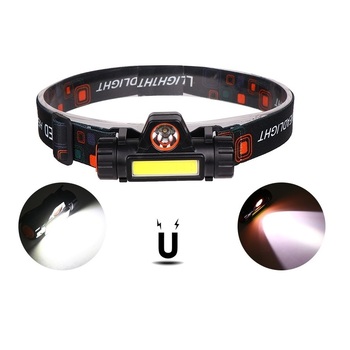
Experienced mountain bikers and professional racers rely on a dual-system setup. The handlebar light provides high-lumen ground illumination, casting crisp shadows over roots, rock steps, and ruts to give depth perception. The helmet light follows the rider's eye line into switchback apexes before the bike frame turns. As a full-category manufacturer, Shenzhen FEXA Technology Co., Ltd. supplies synchronized kits pairing 2000LM handlebar units with lightweight 700LM helmet-mounted COB lights that share unified charging standards.
How does Shenzhen FEXA Technology Co., Ltd. guarantee waterproof ratings (IPX6/IP68)?
Water ingress is the #1 cause of return rates on e-commerce platforms. We utilize precision injection-molded fluorosilicone O-rings, ultrasonic bonding on optical lenses, and customized silicone caps with dual-lip sealing over the Type-C port. Every batch is subjected to negative pressure vacuum sealing tests and continuous high-pressure water spray fixtures in our testing laboratory before final packaging.
What are your OEM/ODM customization capabilities, lead times, and MOQs?
We offer sample-based customization (laser logo, housing color anodization, custom packaging) with MOQs starting at 200–500 units and sample delivery within 3–7 business days. For full ODM projects requiring custom optical tooling, bespoke CNC form factors, or dedicated PCB firmware programming, complete prototype-to-production cycles average 30 to 45 days. We also fully support Amazon FBA labeling, GTIN assignment, and direct carton palletization.
What payment terms, trade methods, and currencies does FEXA accept?
We support flexible international commercial trade mechanisms including T/T, L/C at sight, PayPal, Western Union, and Escrow. Incoterms available include FOB Shenzhen, EXW, CIF, and DDP direct to your domestic fulfillment center. Accepted currencies include USD, EUR, GBP, JPY, CAD, AUD, and CNY.
Direct Factory Collaboration
Build Your Next Best-Selling MTB Bicycle Handlebar Light Line with FEXA
Partner directly with Shenzhen FEXA Technology Co., Ltd. Eliminate middleman trading markups, secure proprietary tooling rights, and deliver rock-solid illumination products engineered to thrive on the world's most brutal trails.