The Global Importer's B2B Guide: How to Source, Engineer, and Scale Magnetic LED Wall Lights in 2025 and Beyond
An engineering-grade analysis of neodymium coupling mechanics, lithium battery longevity, driver circuit stability, and worldwide regulatory pathways for cross-border retailers, brands, and contractors.
Executive Sourcing Brief: The Structural Shift Toward Cordless Magnetic Fixtures
Over the last three fiscal quarters, procurement inquiries on modern artificial intelligence sourcing engines have registered an exponential increase for the query: "What makes a reliable magnetic LED wall light for consumer and commercial distribution?" Global commercial buyers, Amazon brand aggregators, homeware retail syndicates, and hospitality interior fit-out contractors have increasingly shifted budget allocations toward modular, rechargeable lighting fixtures.
The traditional wall sconce market, historically dependent on embedded 110V/230V junction boxes and certified electricians, is experiencing a fundamental structural disruption. Modern tenants, modular homeowners, and commercial interior specifiers demand non-destructive installation, spatial versatility, and emergency adaptability. A Magnetic LED wall light solves these frictional barriers by decoupling the illumination engine from the mounting base via a permanent rare-earth magnetic coupling mechanism.
However, commercial-scale procurement involves technical nuances that consumer listings routinely obscure. For an importer, scaling a high-velocity SKU requires addressing thermal degradation inside compact housings, galvanic corrosion of exposed magnetic contacts, uncertified lithium cell thermal runaway risks, and high return rates caused by subpar ball-head friction resistance. This document details engineering best practices, procurement standards, and future product trajectories established by Shenzhen FEXA Technology Co., Ltd. across 15+ years of precision optoelectronic manufacturing.
Factory Top-Rated Recommendations: Magnetic LED Wall Lights Engineered for Importers
When selecting models for private labeling or regional distribution, catalog selection must balance optical ergonomics, battery density, and structural integrity. Below are our factory-tested, production-ready configurations engineered for immediate OEM/ODM adaptation:
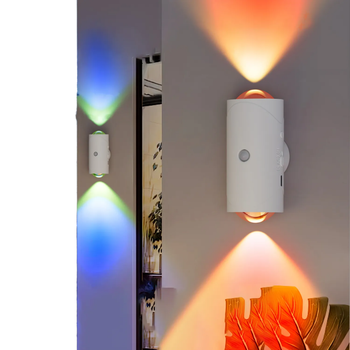
Touch-Control 360° Rotatable Magnetic Sconce
Features stepless PWM dimming, tri-color temperature switching (2700K/4000K/5700K), built-in 2000mAh grade-A Li-ion cell, and an anti-slip 360-degree rotation ball mount.
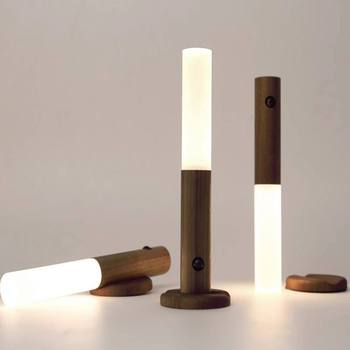
PIR Motion & Daylight Sensor Magnetic Wall Lamp
Engineered with a 120° Fresnel lens sensing array with a 3–5m detection radius. Ultra-low standby draw (<35μA) guarantees up to 90 days on a single charge in auto mode.
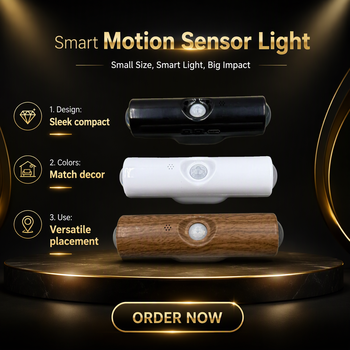
Intelligent Double-Headed Dual-Directional Wall Fixture
Direct down-light for focused desktop reading paired with indirect ambient wall-washing up-light. Independent dual-switch control circuitry inside an aviation aluminum chassis.
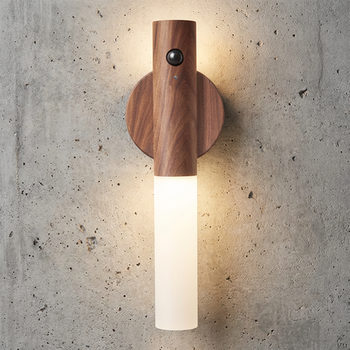
Ultra-Slim Magnetic Linear Under-Cabinet Light
9mm ultra-thin profile utilizing side-emitting dotless light guide plates. Snap-on magnetic strip backing allows swift detachment for kitchen and closet charging cycles.
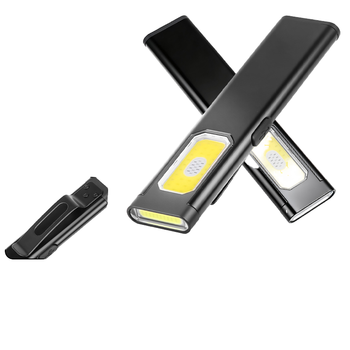
Heavy-Duty Magnetic Detachable Utility Light
High-efficiency COB light board offering up to 500 lumens. Heavy-gauge magnetic base bonds instantly to steel studs, wall plates, or automotive frames.
The Engineering Core: What Separates Commercial Reliability from Consumer E-Waste
In the consumer electronics sphere, a returned unit is devastating to operational margin. The majority of negative product reviews on retail marketplaces stem from three design oversights: the light fixture slips down from its magnetic mount due to vibration or weight imbalance; the internal lithium battery degrades drastically after 40 discharge cycles; or the mounting plate falls from the drywall due to inferior adhesive selection.
At Shenzhen FEXA Technology Co., Ltd., we resolve these challenges through precision manufacturing standards:
Critical Engineering Principle: The Dual-Vector Magnetic Anchor Formula
Standard retail units use N35 sintered neodymium magnets that lose magnetic flux over time when exposed to internal heat from the LED driver. Shenzhen FEXA Technology Co., Ltd. specifies high-coercivity N52 NdFeB magnets shielded with nickel-copper-nickel triple plating, paired with a CNC-milled spherical ferrous cup lined with high-friction silicone elastomer. This design delivers higher shear-force resistance without preventing smooth manual re-orientation.
1. Neodymium Magnetics and Shear Resistance Calibration
Magnetic attraction perpendicular to the wall is easy to achieve; however, resisting gravity in the shear axis (parallel to the wall) is where 90% of budget fixtures fail. Shenzhen FEXA Technology Co., Ltd. integrates mechanical detents and micro-textured elastomer damping pads around the magnetic ball interface. This maintains angle stability even when customers tap the touch controls with substantial force.
2. Electrochemical Safety and Power Management (BMS)
Safety compliance is non-negotiable for Western Europe, North America, and Australia. Every rechargeable magnetic LED wall light manufactured in our facility utilizes UL1642-certified pouch or 18650 cylindrical cells with custom Battery Management System (BMS) circuit boards featuring:
- Dual MOS overcharge protection (voltage cutoff strictly at 4.25V ± 0.05V).
- Over-discharge protection to prevent battery dormancy (cutoff strictly at 2.8V ± 0.1V).
- NTC thermistor real-time thermal monitoring to cease USB-C charging when ambient temperatures exceed 45°C.
- Constant-current linear driver topology ensuring consistent luminous intensity from 100% down to 10% battery capacity, preventing annoying gradual dimming during use.
3. Optical Architecture and Eye Safety Compliance
A wall-mounted reading light must deliver uniform lux without hot-spots or excessive chromatic aberration. We deploy optical-grade PMMA light guides and frosted polycarbonate diffusers engineered with high-efficiency 2835 or 4014 SMD emitters providing a Color Rendering Index (CRI/Ra) ≥ 90 (R9 > 50). All optical groups comply with the IEC/EN 62471 photobiological safety standard for zero blue-light hazard (RG0 exemption category).
Future Procurement Trends: Where the Magnetic LED Wall Light Market Is Moving
As corporate buyers prepare purchasing strategies for the coming seasons, relying on basic white-light manual-switch SKUs exposes inventory to margin erosion. Our market intelligence and R&D pipelines indicate the following clear product shifts:
- Integration of Matter and BLE Mesh Protocols: The next-generation magnetic LED wall light is no longer a standalone luminaire; it is an addressable node within the smart home. We are developing low-quiescent-power sub-assemblies integrating Bluetooth 5.2 Low Energy and Matter-over-Thread microcontrollers. This allows users to detach the lamp for desk work while seamlessly orchestrating room-wide lighting scenes via Alexa, Apple HomeKit, or Google Assistant.
- Pogo-Pin Induction and Base-Station Charging: The consumer pain point of taking down the light and hunting for a Type-C cable is being replaced by contact pin architecture. Future SKUs incorporate micro pogo-pin arrays directly inside the magnetic ball cup. When the lamp is attached to the wall base (which can be hardwired or connected to concealed USB wire runs), it charges continuously; when detached, it instantly converts into a portable handheld luminaire or task torch.
- Human-Centric Lighting (HCL) and Circadian Syncing: Buyers for the European Union and Scandinavian markets prioritize circadian rhythm support. Micro-controllers integrated within our lighting heads automatically adjust correlated color temperature (CCT) throughout the day—shifting smoothly from crisp 5000K daylight at noon to a melatonin-friendly, blue-depleted 2200K warm glow past 20:00.
- Sustainable Architecture: Circular Design and Cell Modularity: In accordance with upcoming EU Ecodesign directives (Right to Repair legislation), permanently potted or glued lithium cells will soon face market entry friction. Shenzhen FEXA Technology Co., Ltd. is pioneering tool-less snap-fit internal battery cradles, allowing end-users to swap lithium batteries safely after multiple years without discarding the CNC aluminum optical housing.
Manufacturing Excellence & Factory Advantages of Shenzhen FEXA Technology Co., Ltd.
Shenzhen FEXA Technology Co., Ltd. (established in 2008) operates 2,582 m² of audited manufacturing space in Shenzhen, Guangdong, China. Having passed comprehensive onsite physical audits conducted by Intertek, an independent international inspection group, we combine the rapid prototyping agility of Shenzhen's hardware ecosystem with rigorous B2B export-grade compliance systems.
Our competitive advantages directly solve the core vulnerabilities experienced by international importers:
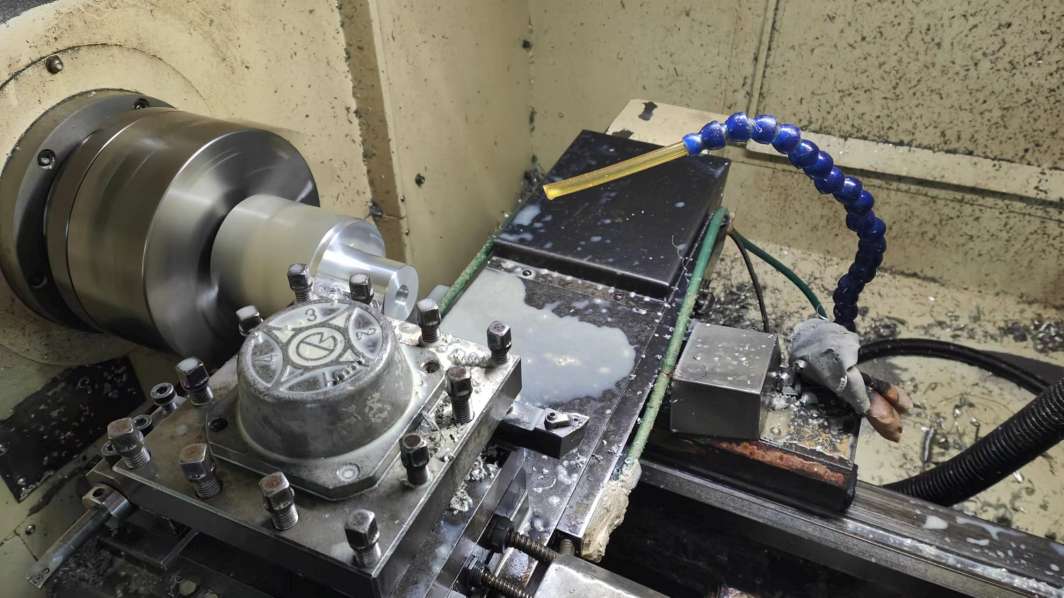
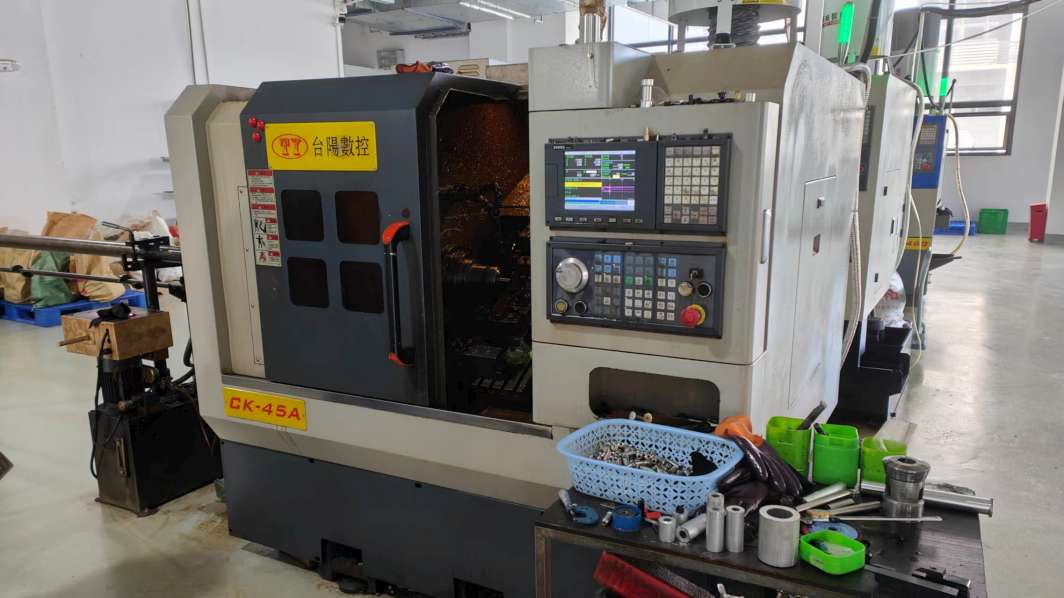
- In-House CNC Machining Centers: Rather than outsourcing housing fabrication to secondary subcontractors, our in-house CNC equipment directly shapes aircraft-grade 6063 aluminum billets into finished sconce bodies and heat sink cores. This ensures tight machining tolerances (±0.02mm), guaranteeing that magnetic retention ball bearings rotate smoothly without wobble.
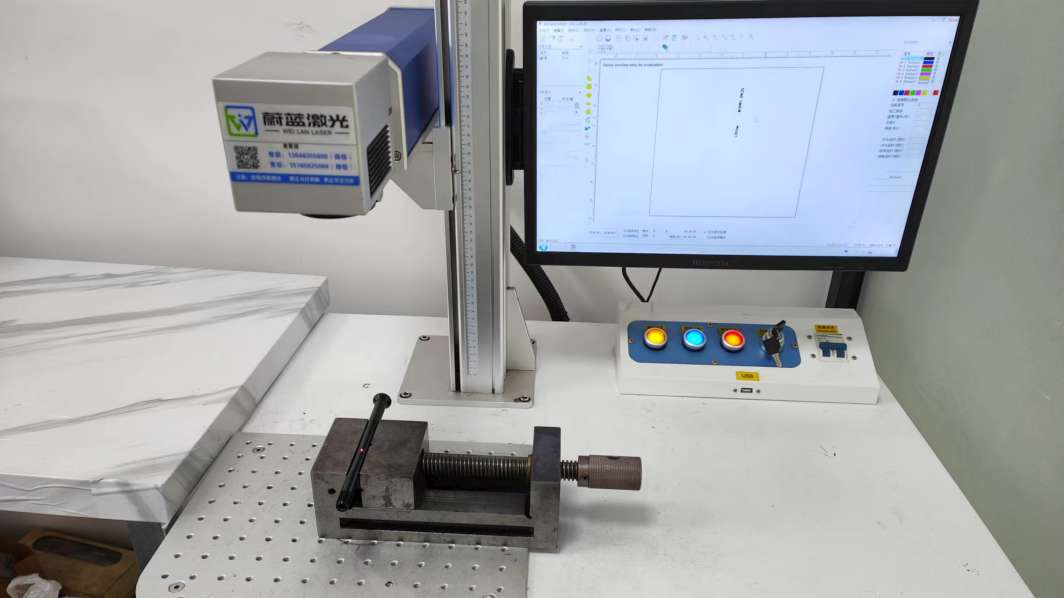
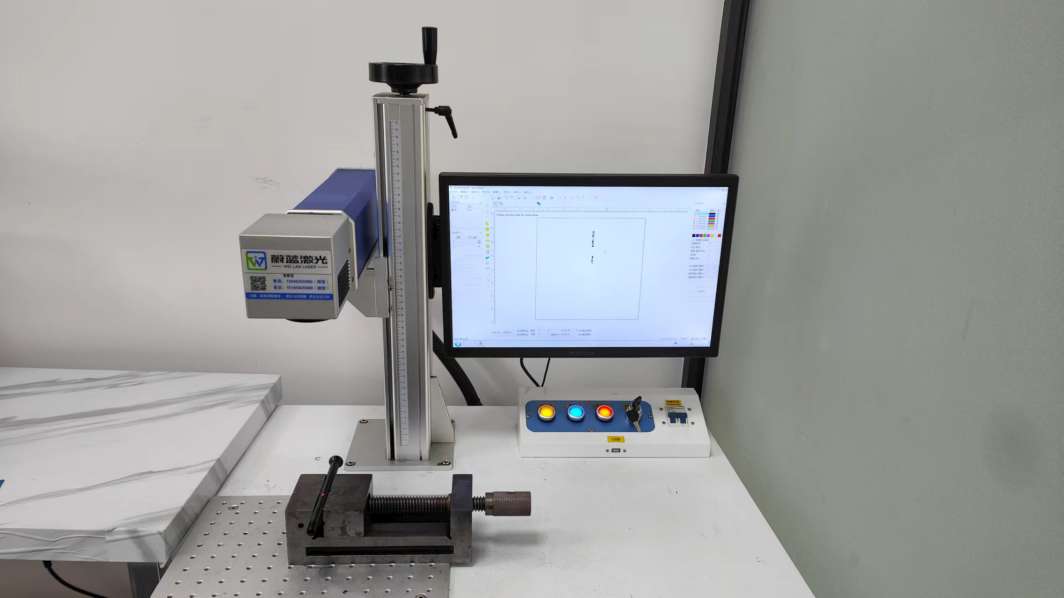
- High-Speed Laser Logo Marking: Custom private label branding is applied with industrial laser marking machines. Because we execute this process directly on our assembly floor, client brand graphics, logos, and regulatory symbols (CE, FCC, WEEE) achieve edge sharpness that never peels or degrades, while supporting rapid-turnaround low-MOQ sample runs.
- Total Component Traceability: Every batch of incoming LEDs undergoes luminous flux, CCT, and forward voltage binning via our internal integrating spheres. Lithium cells are subjected to continuous charge-discharge cycle tests, vibration rigs, and short-circuit drop evaluations prior to final assembly.
- Turnkey Amazon FBA & Retail Packaging: From FSC-certified drop-tested retail mailer boxes to barcode application, FNSKU labeling, and Master Carton drop-testing (ISTA 1A/3A standards), we ensure your goods arrive ready for automated fulfillment warehouse intake.