IP65 Waterproof
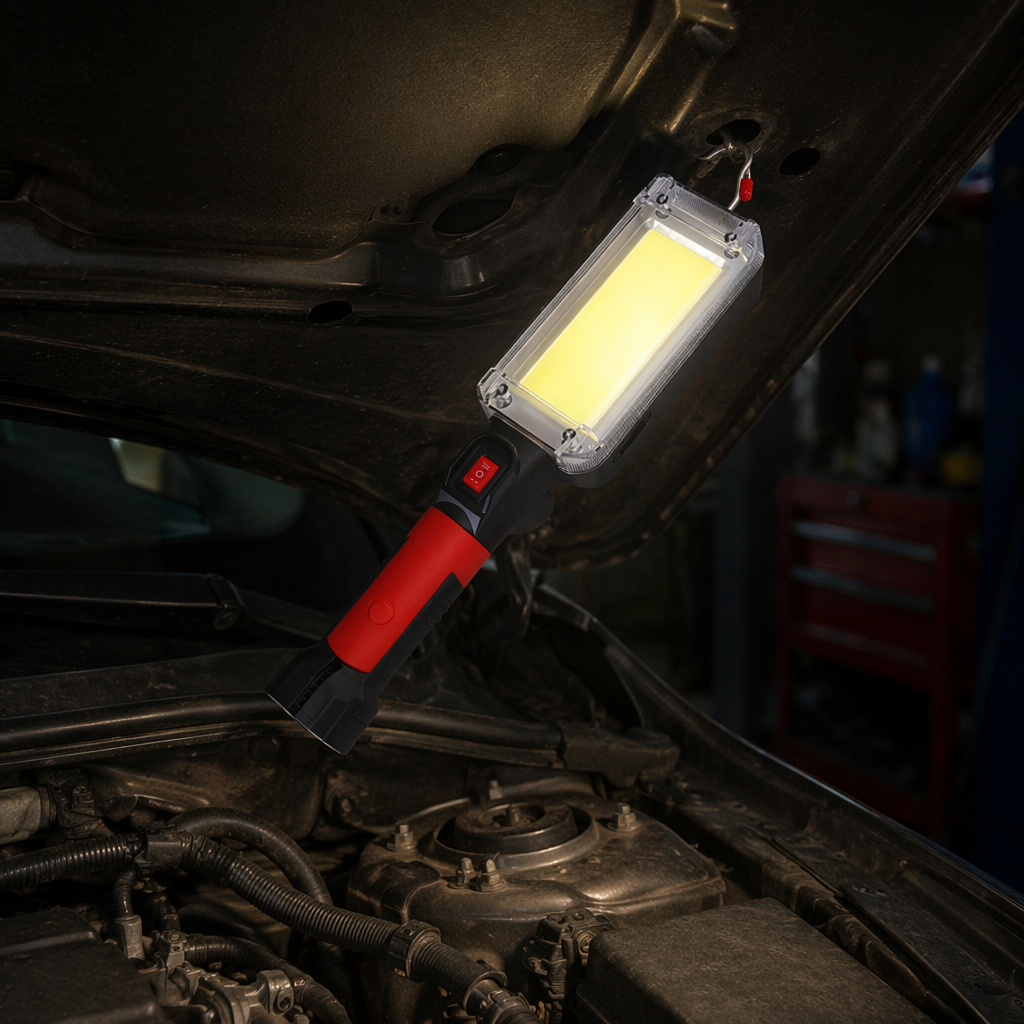
Tested under rigorous environmental stress protocols to endure high atmospheric salinity, intense rainfall, and tropical humidity conditions across Tongatapu, Vava'u, and Ha'apai.
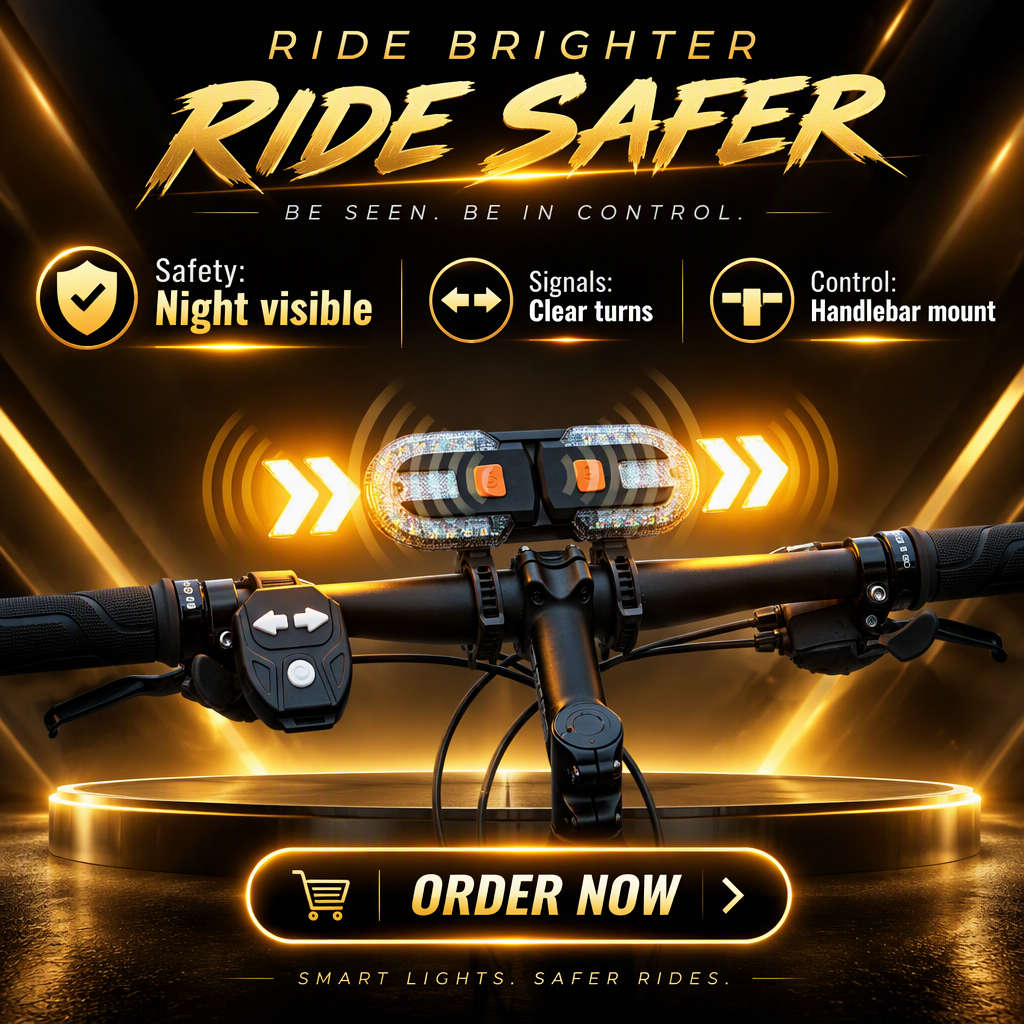
Addressing the convergence of maritime microclimates, renewable infrastructure integration, and sustainable micro-mobility development across the South Pacific.
Deploying active cycling electronics in the South Pacific demands a radical departure from standard continental engineering practices. In the Kingdom of Tonga, road corridors such as Vuna Road in Nuku'alofa run directly along coastal breakwaters, exposing cyclists to relentless marine aerosol containing elevated concentrations of sodium chloride, magnesium, and calcium sulfates. Standard bicycle lights manufactured with unsealed ABS plastics and untreated zinc screws experience rapid dielectric breakdown, contact spring oxidization, and total PCBA track corrosion within 90 to 180 days of field deployment.
As an established Shenzhen OEM/ODM manufacturer with over 15 years of precision optoelectronic experience, we mitigate these failures through dual-tier physical barriers. Our aerospace-grade 6061-T6 aluminum light housings undergo military-grade Type III hard anodizing (thickness ≥ 25μm), passing 72-hour neutral salt spray (NSS) test cycles compliant with ASTM B117 standards. Internally, printed circuit boards are treated with automated vacuum-deposited conformal nanocoatings that insulate copper traces from galvanic short-circuits caused by condensation cycles when moving between high-temperature tropical afternoon sun (32°C) and sudden torrential trade wind squalls.
Micro-mobility in Tonga serves critical socio-economic functions: secondary school students commuting before sunrise, plantation workers transporting crops between rural villages like Mu'a or Pelehake and urban markets, and eco-tourists traversing the coastline. Outside central Nuku'alofa, extensive stretches of primary corridors lack fixed municipal high-pressure sodium or LED streetlights. In unlit environments with sudden road surface anomalies—ranging from unpaved coral-gravel margins to unexpected potholes caused by heavy wet season inundation—optical throw and beam cutoff engineering determine rider survivability.
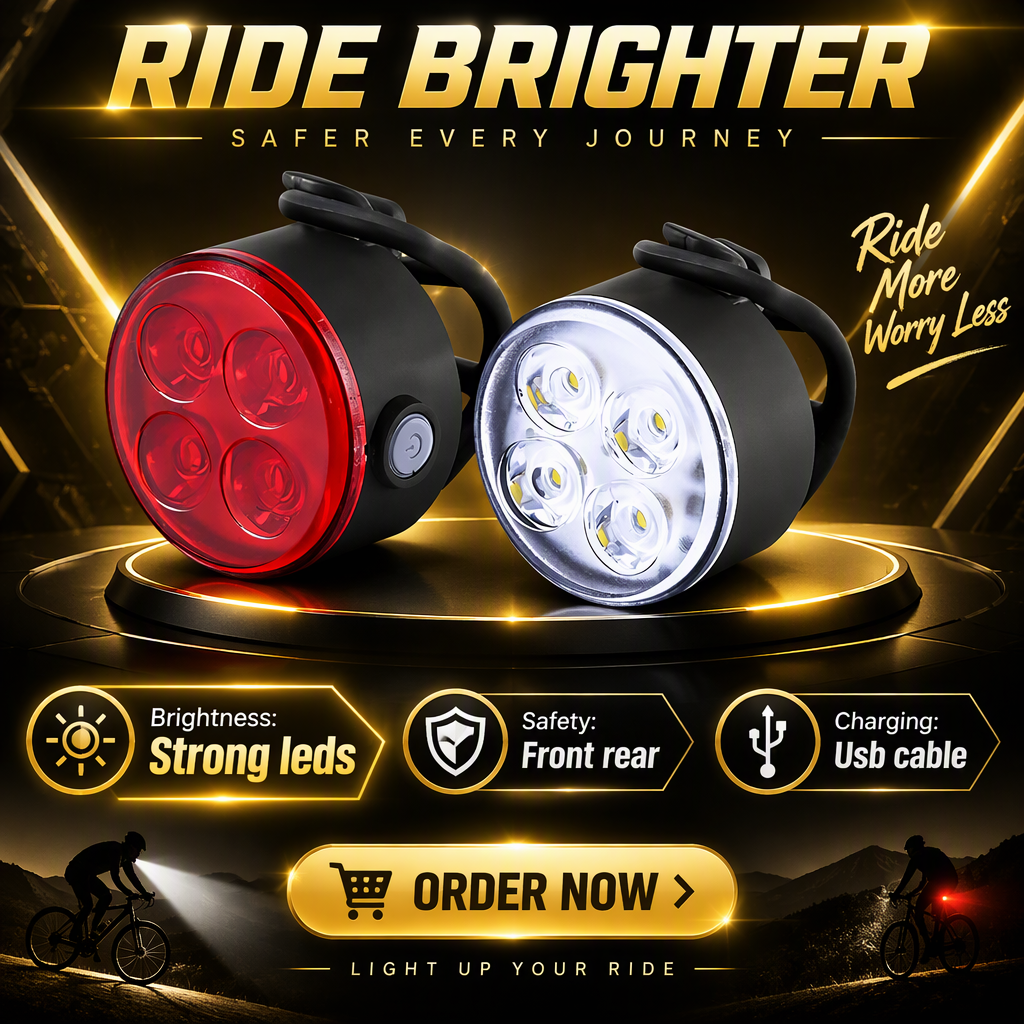
Our systems reject crude, non-focused "lumen-blaster" optics in favor of dual-zone internal reflectors and total internal reflection (TIR) optical PMMA lenses. The high-beam trajectory projects focused punch past 120 meters for obstacle anticipation, while a sharply engineered German StVZO-inspired horizontal cutoff redirects stray photons downward onto the road deck. This eliminates dangerous glare for oncoming oncoming traffic, diesel transport trucks, and inter-island passenger minivans, preventing retinal bleaching accidents on narrow two-lane corridors.
A frequent pain point cited by Oceanic importers is premature battery degradation: standard 18650 lithium-ion cells frequently suffer from capacity fade, gas swelling, and internal shorting when sustained at continuous 30°C–35°C ambient heat coupled with cyclic high-rate discharging. Shenzhen FEXA addresses this by integrating Tier-1 cylindrical lithium-ion and lithium-polymer cells calibrated with integrated hardware Battery Management Systems (BMS).
The architecture features dual IC protection mitigating over-charge, over-discharge, over-current, and continuous thermal run-away monitoring via negative temperature coefficient (NTC) thermistors. By automatically throttling lumen output from 2,000 LM down to a stable 1,200 LM when internal LED junction heat reaches critical thresholds, our lights prevent thermal cell exhaustion, ensuring a minimum useful cycle life of ≥ 800 cycles with ≥ 80% state of health (SoH), reducing e-waste generation in island ecologies lacking dedicated recycling infrastructure.
Delivering domain-specific optical distributions, physical chassis designs, and auxiliary functions suited to everyday Tongan life.
Commuters boarding inter-island ferries between Tongatapu, Pangai, and Neiafu encounter spray-soaked loading ramps and pitch-black landing decks. Our multi-mount fixtures transition rapidly from handlebar quick-releases to magnetic steel hull mounts, serving as hands-free industrial-grade work lanterns during late-night cargo transshipments.
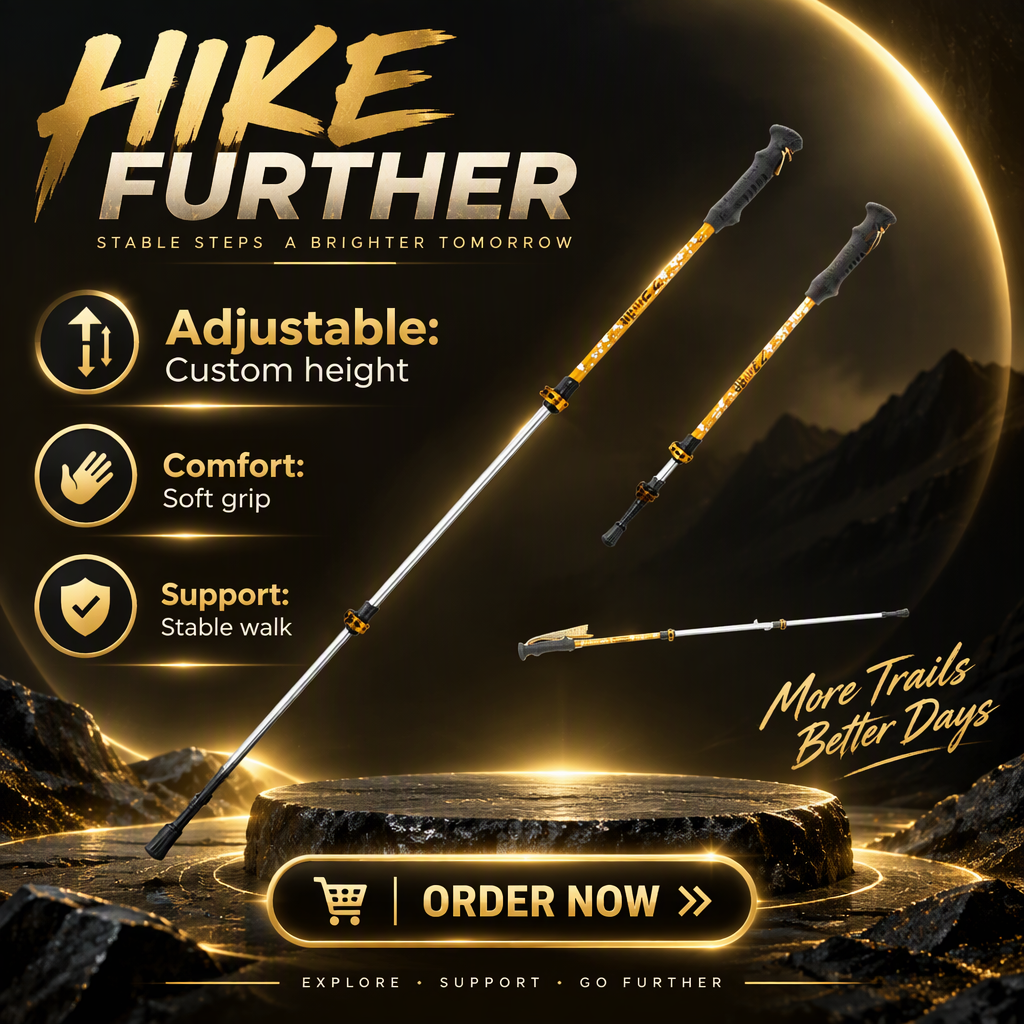
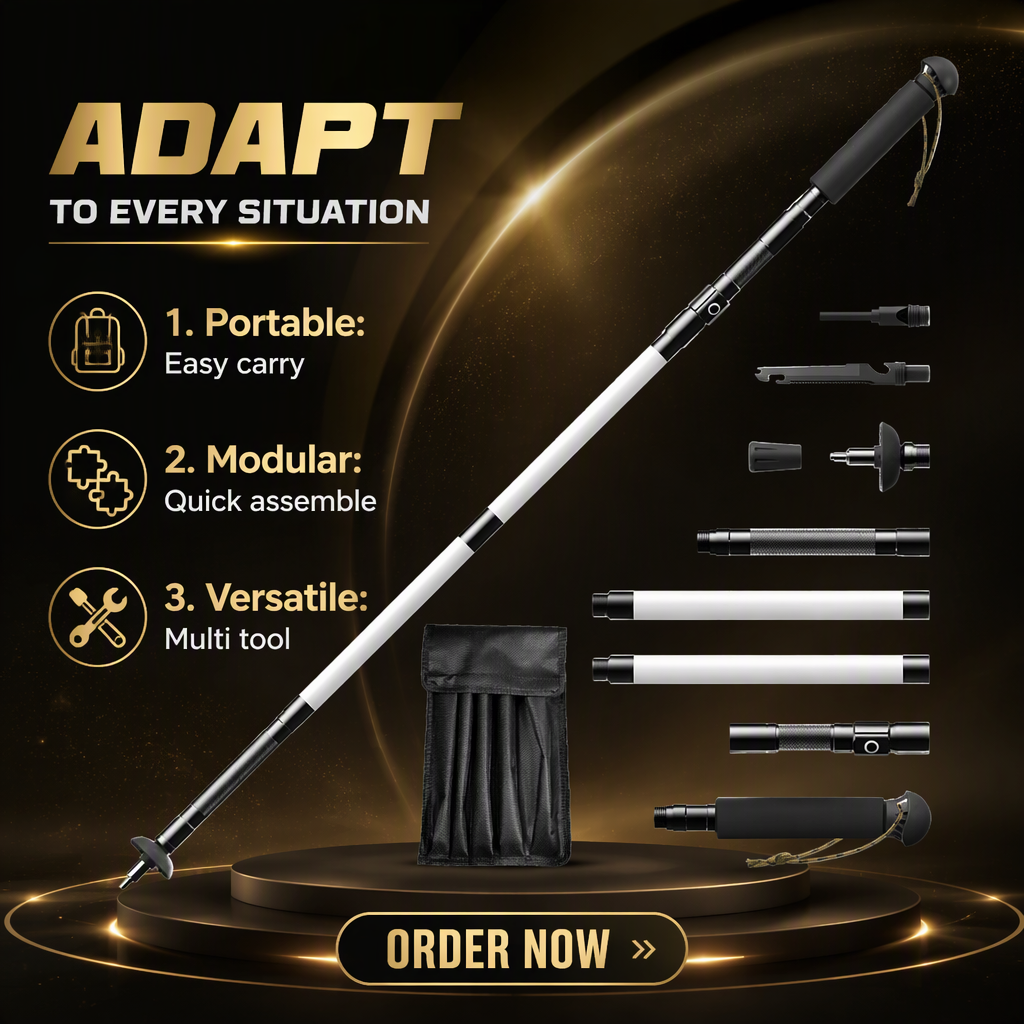
Adventure resorts, whale-watching lodges, and backpacker hubs across 'Eua and Vava'u offer guided cycling along rainforest singletracks and limestone cliff trails. Here, 130cm collapsible trekking sticks paired with 400–700 lumen headlamps provide unified emergency illumination, durable drop resistance, and essential personal navigation tools.
During tropical cyclone seasons and intermittent grid downtime, portable LED lighting units double as municipal survival hardware. Featuring bidirectional Type-C charging ports and 5V USB output rails, our lights function as high-capacity emergency power banks to charge crucial satellite phones and cellular radios when coastal sub-stations trip.
Strategic demand signals shaping procurement for hardware wholesalers, non-governmental procurement, and consumer retail.
Rising petroleum freight costs have stimulated rapid uptake of decentralized residential photovoltaic kits across Tongan outer islands. In response, modern bike lights must feature universal 5V USB low-voltage input tolerances, allowing smooth charging via off-grid solar inverters and miniature 10W folding solar mats without tripping internal overvoltage cutoffs.
Tonga's Ministry of Infrastructure and Police Department have increasingly emphasized non-motorized vehicle active conspicuity to curb nighttime pedestrian and cycling collisions. Procurement is shifting away from passive plastic reflectors toward active 360-degree high-intensity daytime running lights (DRL) with distinctive high-frequency strobe profiles.
Due to containerized shipping schedules connecting Suva, Auckland, and Nuku'alofa, regional importers cannot afford to spread purchase orders across five disparate niche factories. Importers require factory-direct consolidation: mixing bicycle headlights, rear blinkers, multi-functional outdoor lamps, and emergency utility torches in one unified container.
Combining onsite Intertek-verified production facilities with customized engineering flexibility and direct export efficiency.
Our production floor, test benches, and quality control checkpoints undergo rigorous on-site verification by Intertek, ensuring total corporate governance, capacity legitimacy, and product traceability across every production run.
From custom CNC tooling of aluminum chassis to optical lens ray tracing, custom battery pack capacities, bespoke user interface firmware (flashing profiles), and localized retail box design, we turn custom briefs into rapid samples.
Our catalog is fully covered by CE and FCC electromagnetic compatibility certifications, with select flagship aerodynamic models protected under European Union design patents, insulating your business from copyright and import risks.
We actively support oceanic distributors and island enterprises by offering low minimum order quantities (MOQs) for trial market validation, backed by FOB, CIF, or direct express freighting with comprehensive FBA/FNSKU barcode labeling.
Essential guidance covering maritime transit, electrical compatibility, minimum volumes, and custom private labeling.
Every critical unit utilizes CNC anodized aluminum or impact-resistant ABS alloy, sealed with internal silicone O-rings providing certified water ingress resistance from IPX4 up to submersed IP68. Printed circuit boards are sealed with anti-corrosive conformal coatings to prevent oxidation caused by ocean air.
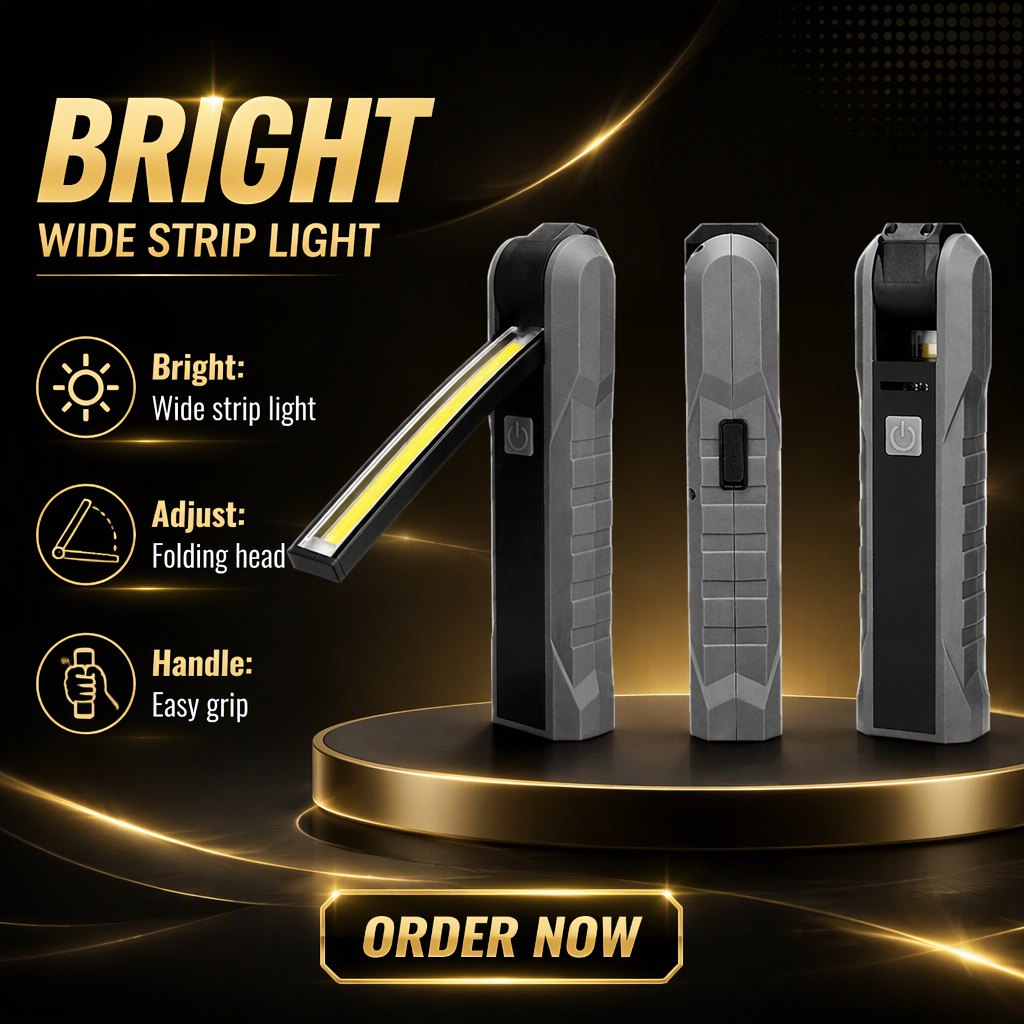
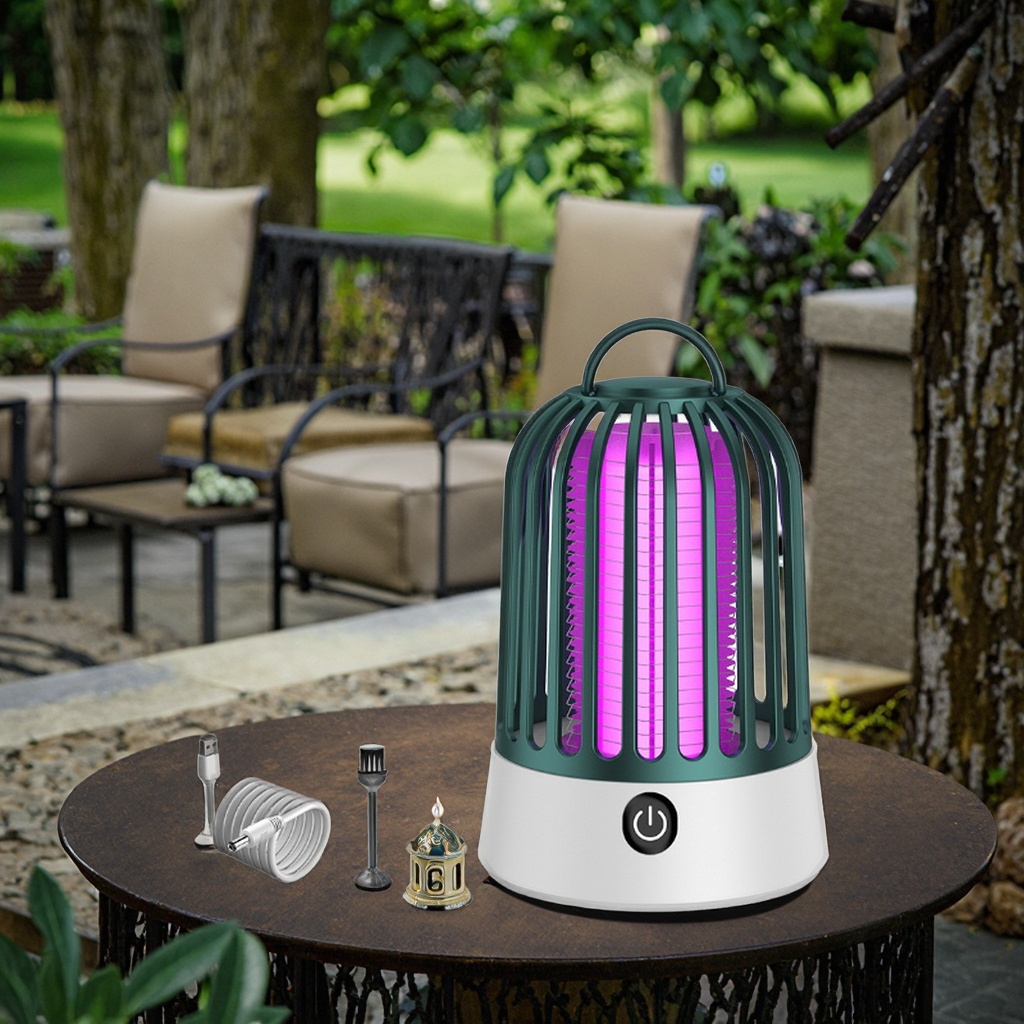
Yes. Importers serving Tonga commonly consolidate bicycle front lights, seatpost flashers, rechargeable COB inspection lanterns, and multi-functional emergency torches into unified consignments. This maximizes freight efficiency and lowers landed costs per SKU.
Yes. Tonga operates on a 240V 50Hz electrical distribution grid (AS/NZS 3112 plug standards). Our systems utilize standard 5V USB-A to Type-C interfaces, enabling charging via standard 240V wall adapters, direct 12V vehicle cigarette ports, or decentralized 5V off-grid solar power banks.
For standard unbranded or generic factory packaging, low-MOQ trial orders are supported to facilitate market sampling. For laser logo engraving, housing color adjustments, and localized retail box printing, OEM MOQs generally begin at 500 to 1,000 units depending on the model.
All consignments are supported by third-party CE and FCC conformity declarations, UN38.3 lithium battery transport test summaries, and certified Material Safety Data Sheets (MSDS) to ensure effortless clearance through international shipping lines and Tongan Customs.
We accept T/T (Telegraphic Transfer), L/C, PayPal, Western Union, and Escrow in major currencies including USD, AUD, EUR, and NZD. Goods can be dispatched FOB Shenzhen/Guangzhou, CIF Port of Nuku'alofa, or via express air freight (DHL/FedEx) for urgent sample kits.
Partner directly with an Intertek-audited OEM/ODM factory. Request comprehensive pricing lists, technical datasheets, and sample evaluation packages for the Tongan and broader Pacific markets.