Gothenburg Import Portfolio
Engineered Lighting & Sensor Solutions Ready for Nordic Distribution
Export-grade architectural sensor arrays, solar pathway markers, and precision lithium-ion smart luminaires manufactured in strict accordance with European Low Voltage Directive (LVD) and RoHS eco-design criteria.
IP65 Exterior
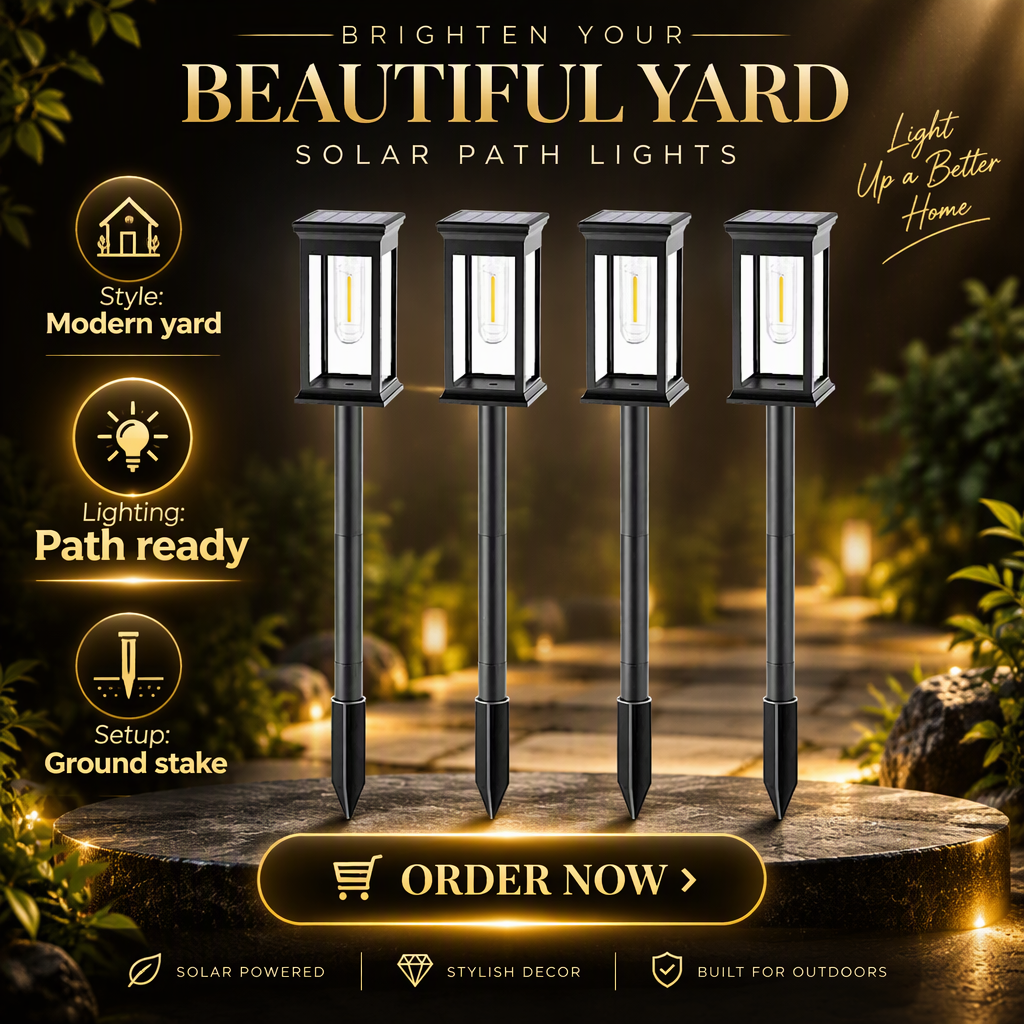
Multi-Angle
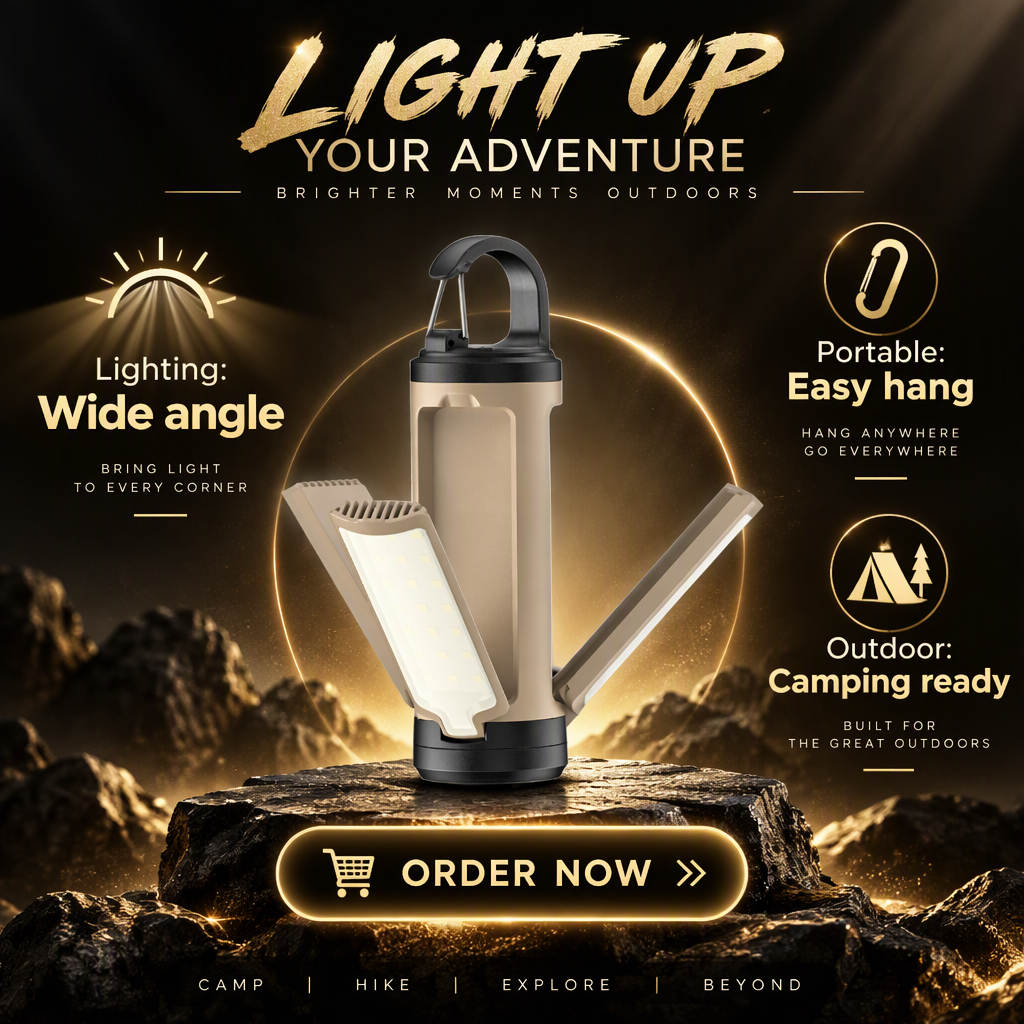
Magnetic Base
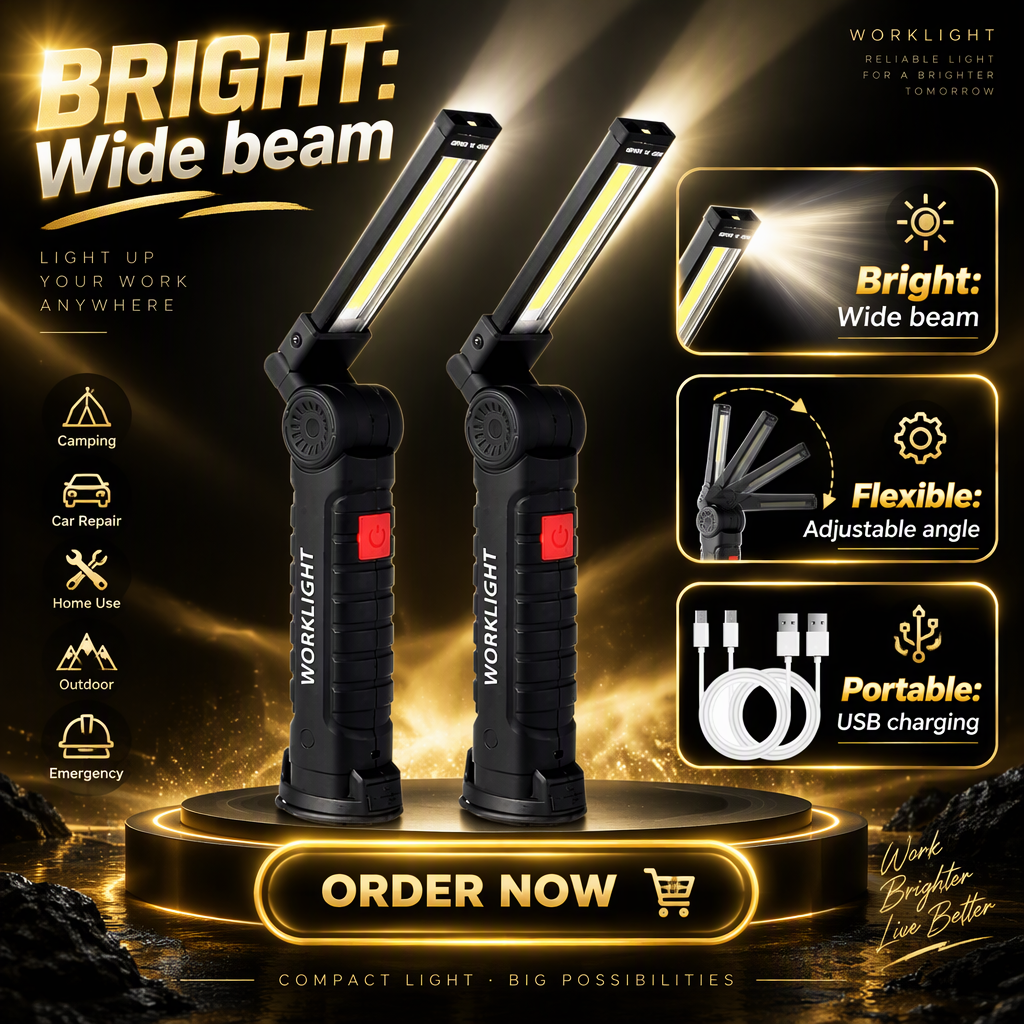
Touch Interface
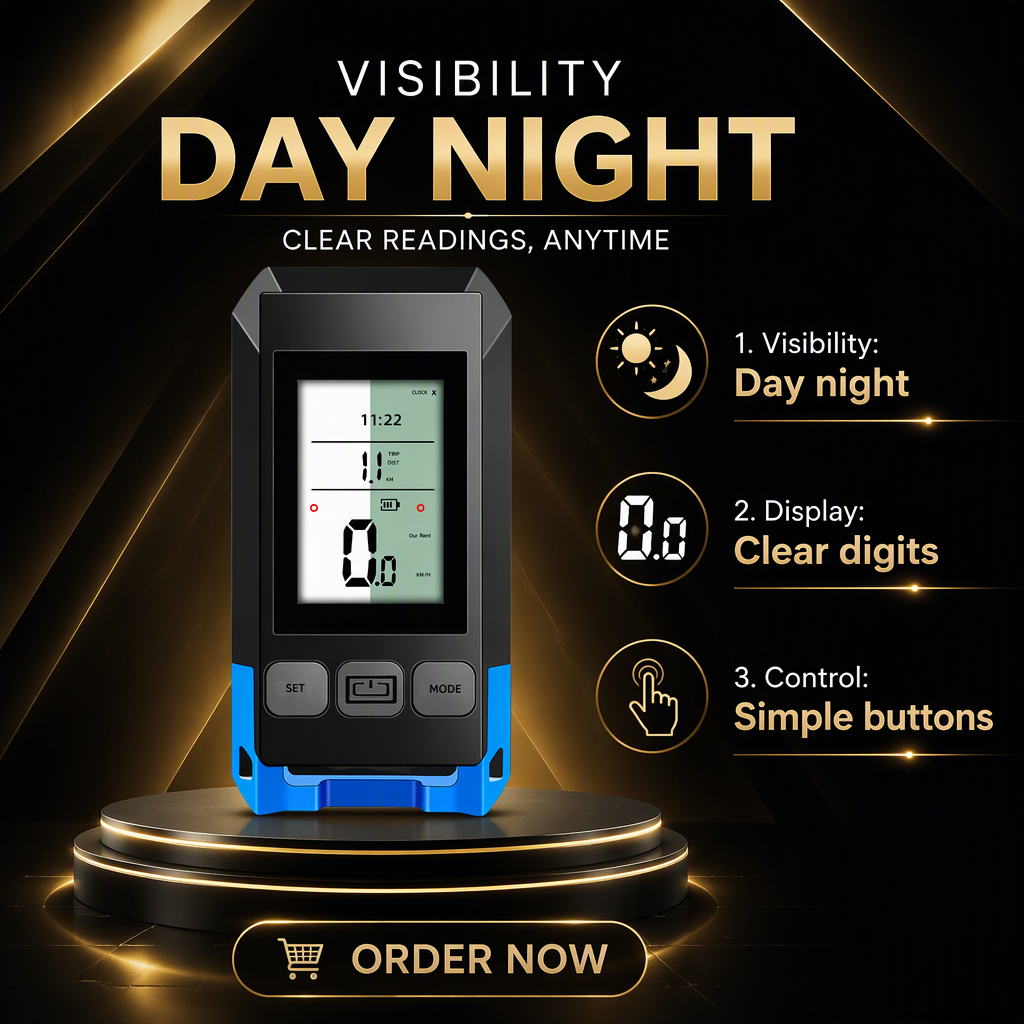
Nordic Winter
Aviation Grade
ATEX / Safety
15+
Years Optical & Electronic R&D (Est. 2008)
2,582m²
Intertek Onsite-Audited Production Plant
<0.05W
Ultra-Low Standby Sensor Consumption
99.7%
Export Verification & Pass Yield Rate
Industry White Paper & Regional Brief
Strategic Evaluation of Passive Infrared (PIR) Motion Sensor Lighting for Gothenburg and the Västra Götaland Region
As the second-largest municipality in Sweden and an acknowledged vanguard of European carbon-neutral urban design, Gothenburg presents uniquely demanding conditions for consumer, commercial, and architectural low-voltage lighting products. Positioned along the Kattegat coastline at 57.7° North latitude, Gothenburg experiences extreme solar flux differentials between summer solstices and prolonged sub-arctic winter twilights. In this environment, Passive Infrared (PIR) motion sensor night lights cease to be mere interior decorative novelties; they operate as critical components of domestic safety, residential energy optimization, and municipal micro-grid efficiency.
For Swedish wholesalers, Scandinavian hardware chains (byggvaruhus), electrical contracting syndicates, and online retailers serving the Nordic territory, sourcing directly from verified tier-one original equipment manufacturers (OEMs) and original design manufacturers (ODMs) demands comprehensive scrutiny of optical sensitivity, thermal threshold compensation, lithium-ion battery stability under freeze-thaw cycles, and strict adherence to European Union directives.
1. Environmental Photometrics & Gothenburg-Specific Application Scenarios
The geographic disposition of Västra Götaland dictates that residential and light commercial buildings navigate roughly 17 hours of daily darkness during mid-winter, characterized by high relative humidity (coastal salt mist) and sustained temperatures hovering around or below 0°C. Standard off-the-shelf PIR motion sensor night lights manufactured without thermal gradient calibration routinely suffer from two critical points of failure: false-triggering induced by ambient HVAC convective airflows (common with Swedish district heating systems and geothermal heat exchangers), or total sensor desensitization caused by low delta-T differentials between human body temperatures (37°C) and heavily insulated winter garments.
Swedish Multi-Family Housing (HSB / Riksbyggen)
Interior common corridors, cycle storage rooms (cykelrum), and cold basement utility cellars require magnetic wall-mounted PIR fixtures with wide 120° Fresnel lenses. These deliver hands-free 2700K warm white illumination without demanding mains wiring alterations.
Circadian Pathway Lighting (Lagom Esthetics)
Scandinavian interior design prioritizes non-intrusive, indirect glow that avoids blue-light melatonin disruption during nocturnal transitions. Low-lumen (15 to 40 lumens) downward-firing PIR baseboard arrays are standard in modern Lindholmen and Majorna developments.
Sub-Zero Residential Vestibules & Outbuildings
Unheated entry foyers (vindfång), exterior timber porches, and detached boathouses across the Gothenburg Archipelago (Öckerö, Styrsö) mandate IP54 to IP65 moisture-sealed housings backed by low-temperature ternary lithium or LiFePO4 cells capable of discharge at -20°C.
2. Emerging Technological and Regulatory Trends Across Western Sweden
B2B lighting importers supplying the Swedish market must align their product development pipelines with three distinct macro-trends governing modern Nordic retail and procurement:
Strict Standby Power Consumption Thresholds (ErP Ecodesign): In accordance with EU Directive 2009/125/EC and its modern iterations, consumer electrical devices maintaining continuous standby vigilance (such as PIR pyroelectric dual-element circuits and cadmium-sulfide light-dependent resistors) must maintain parasitic draw below <0.2W, with premium tiers demanding sub-0.05W. FEXA's precision PCBA designs integrate advanced nano-power operational amplifiers and ultra-low quiescent current LDO regulators to ensure rechargeable models retain battery autonomy across 90 to 180 days on a single Type-C charge.
Universal Type-C Interoperability and Battery Chemistry Mandates: Starting 2024, the harmonization of charging ports across the European Union requires all portable, rechargeable consumer night lights to feature standardized USB Type-C receptacles. Importers must bypass legacy Micro-USB platforms entirely. Furthermore, Swedish disposal frameworks overseen by El-Kretsen place steep producer-responsibility recycling tariffs on hazardous battery assemblies; our manufacturing processes incorporate high-density lithium polymer modules fitted with robust Seiko-engineered Battery Management System (BMS) ICs providing over-charge, over-discharge, short-circuit, and thermal runaway cut-offs.
Sustainable Housing Materials: Swedish buyers actively favor post-consumer recycled (PCR) ABS resins, polycarbonate diffusers free from toxic brominated flame retardants, and completely plastic-free FSC-certified unbleached kraft paper packaging. Minimizing carton volume to optimize 40HQ container pallet utilization directly lowers sea-freight emissions from Shenzhen to Gothenburg Port (Skandiahamnen).
3. Technical Specification Matrix: Standard vs. Nordic-Optimized PIR Luminaires
| Performance Parameter | Generic Commodity Exporter | Nordic Engineering Standard (FEXA Optimized) | Procurement Relevance for Gothenburg |
|---|---|---|---|
| PIR Sensor Element | Single-element analog pyroelectric sensor | Dual-element low-noise PIR + Differential Optical Fresnel | Suppresses false triggers from district heating radiator thermals |
| Color Temperature (CCT) | 6000K – 6500K harsh cool blue | 2700K – 3000K warm cozy white / Step-less Dimming | Respects Nordic domestic "mysig" ambiance and circadian health |
| Standby Quiescent Current | 80µA – 150µA (Drains battery in ~30 days) | <15µA to 25µA (6+ months standby duration) | Crucial for customer satisfaction during dark winter cycles |
| Operating Temperature | 0°C to +40°C (Interior only) | -20°C to +50°C (Unheated rooms & sheltered porch) | Withstands Kattegat coastal damp and sub-zero freeze cycles |
| Mounting Versatility | Permanent 3M foam adhesive tape | Integrated N52 Neodymium magnet + steel disc + lanyard | Enables instant removal for charging without marring painted surfaces |
| Regulatory Testing | Basic unverified CE self-declaration | Intertek onsite audit, CE-LVD, CE-EMC, RoHS 2.0, FCC | Smooth Swedish Customs (Tullverket) and Elsäkerhetsverket clearance |
4. Strategic Advantage: Why Nordic Importers Partner with FEXA
Shenzhen FEXA Technology Co., Ltd. has established itself since 2008 as a verified Tier-1 manufacturing force in specialized optical assemblies, portable rechargeable luminaires, and intelligent domestic sensor systems. Grounded in a corporate culture of "Focus on customers, light the future," we provide Scandinavian importers with tangible manufacturing advantages:
Intertek Onsite-Audited Plant
Our 2,582 m² specialized production facilities and clean-room assembly bays undergo rigorous onsite verification by Intertek, ensuring consistent quality across all production batches.
In-House CNC & Tooling
With high-precision CNC machine centers and proprietary laser-marking lines, we execute sample-based and design-based OEM/ODM customizations with rapid prototyping cycles.
Consolidated Container Logistics
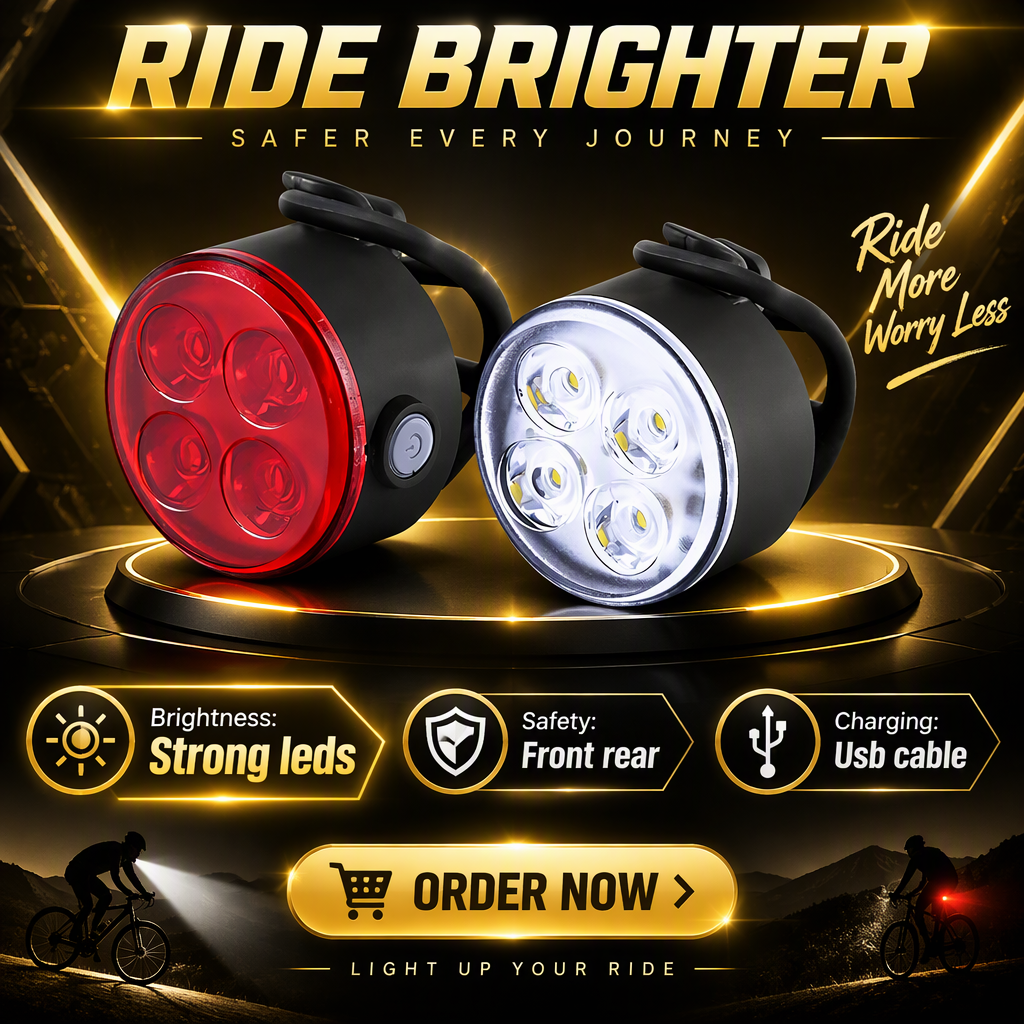
Nordic buyers can bundle mixed SKUs into unified containers—combining architectural PIR wall lamps, solar garden stakes, COB inspection torches, and high-lumen bike lights.
Complete Nordic Compliance
Every shipment is backed by verified laboratory certificates (CE-EMC, CE-LVD, RoHS directive compliance), MSDS, and UN38.3 lithium battery transport test protocols.
5. Frequently Asked Questions: B2B Procurement for Gothenburg Importers
How does FEXA guarantee electrical safety compliance with the Swedish National Electrical Safety Board (Elsäkerhetsverket)? ✕
Our products are engineered and tested in strict alignment with EN 60598-1 (General Requirements and Tests for Luminaires) and EN 60598-2-4 (Portable General Purpose Luminaires), alongside EN 62471 Photobiological Eye Safety assessments. PCB track creepage, battery separation, and thermal overload components undergo 100% factory burn-in testing to guarantee zero compliance friction at Swedish borders.
What are the minimum order quantities (MOQs) for custom laser branding and private label packaging? ✕
To support distributor brand piloting in the Scandinavian retail sphere, we welcome low-MOQ trial orders. Standard factory units can be ordered with custom laser-engraved branding starting from small batches, while complete customized retail packaging (including Swedish/English dual-language user documentation and Barcode/EAN-13 printing) is available starting from 1,000 units.
Can shipments be palletized according to European EUR-pallet (SJÖ) dimensions for Gothenburg Port delivery? ✕
Yes. We standardly configure master export cartons to optimize stacking efficiency on 1200 x 800 mm standard European wooden or fumigated composite pallets. We coordinate complete FOB Shenzhen, CIF Gothenburg (Port of Gothenburg / Skandiahamnen), or direct DDP air freight shipments for rapid seasonal restocking.
How do your PIR sensors prevent false triggering during sudden indoor temperature shifts? ✕
Unlike budget single-resistor PIR triggers, FEXA units incorporate differential digital pyroelectric dual-detectors paired with multi-facet precision Fresnel lenses. This architecture measures rate-of-displacement thermal movement rather than ambient absolute temperature, neutralizing interference from wood-burning stove convection, radiators, or cross-draft ventilation systems common in insulated Swedish residences.
What payment mechanisms and international trade terms do you support? ✕
We provide structured payment terms accommodating European commercial expectations: T/T, Irrevocable L/C at sight, PayPal for low-volume sample verification, and Western Union. Accepted trade terms include EXW, FOB (Shenzhen/Hong Kong), CIF (Gothenburg), and full door-to-door DDP logistics including clearance and customs clearance.
Begin Your Nordic Lighting Program with FEXA
Inquire today to receive our comprehensive 2025 OEM/ODM Product Catalog, direct factory FOB pricing matrices, and request evaluation samples tailored for your Gothenburg market distribution.