Export-Verified Portfolio
Featured Industrial & Tactical Lighting Products
Selected OEM/ODM models with certified CE/RoHS conformity, precision-machined aluminum thermal housings, high-efficiency optical drivers, and rapid delivery programs tailored for European industrial buyers.
Smart Control
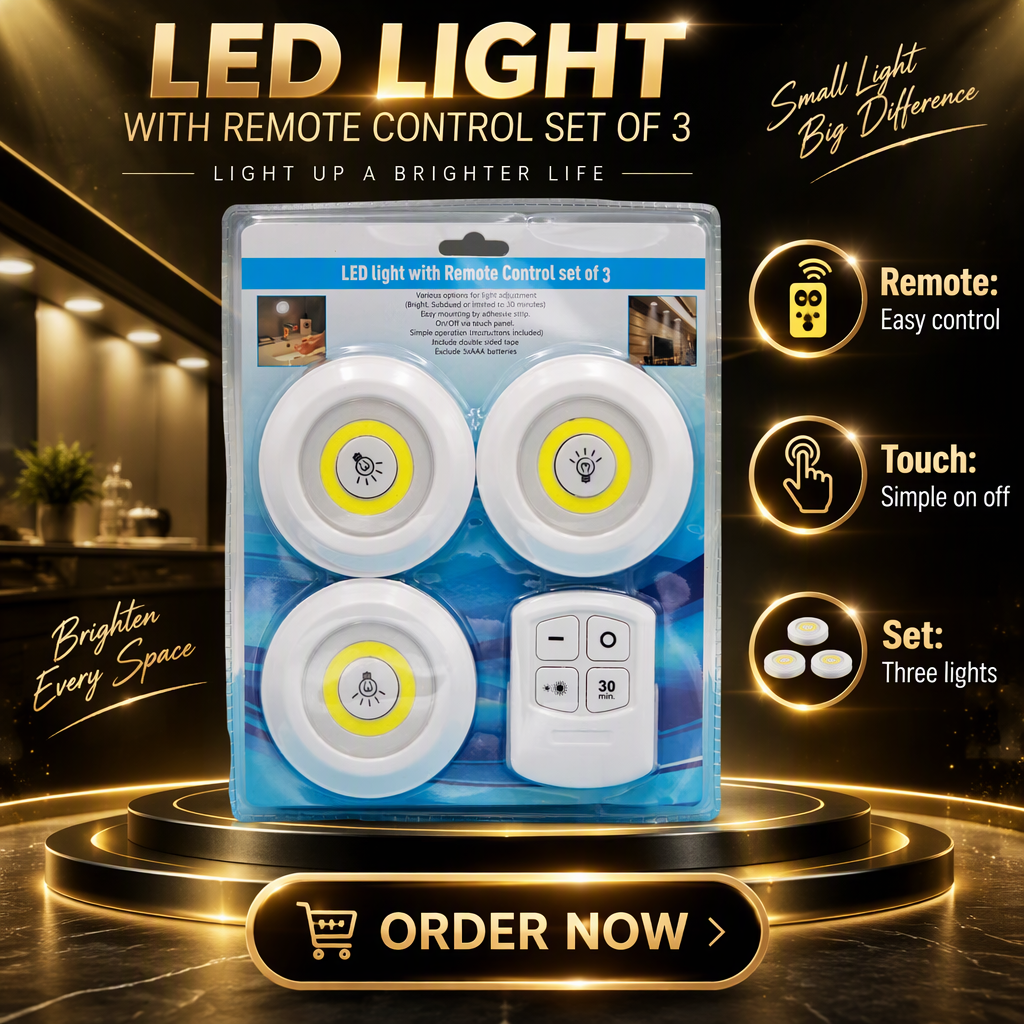
Smart Home & Facility
2026 New COB LED Remote Control Smart Touch Night Light (3000-6000K)
3000K-6000K
COB Array
AAA / Touch
IPX4 Weatherproof
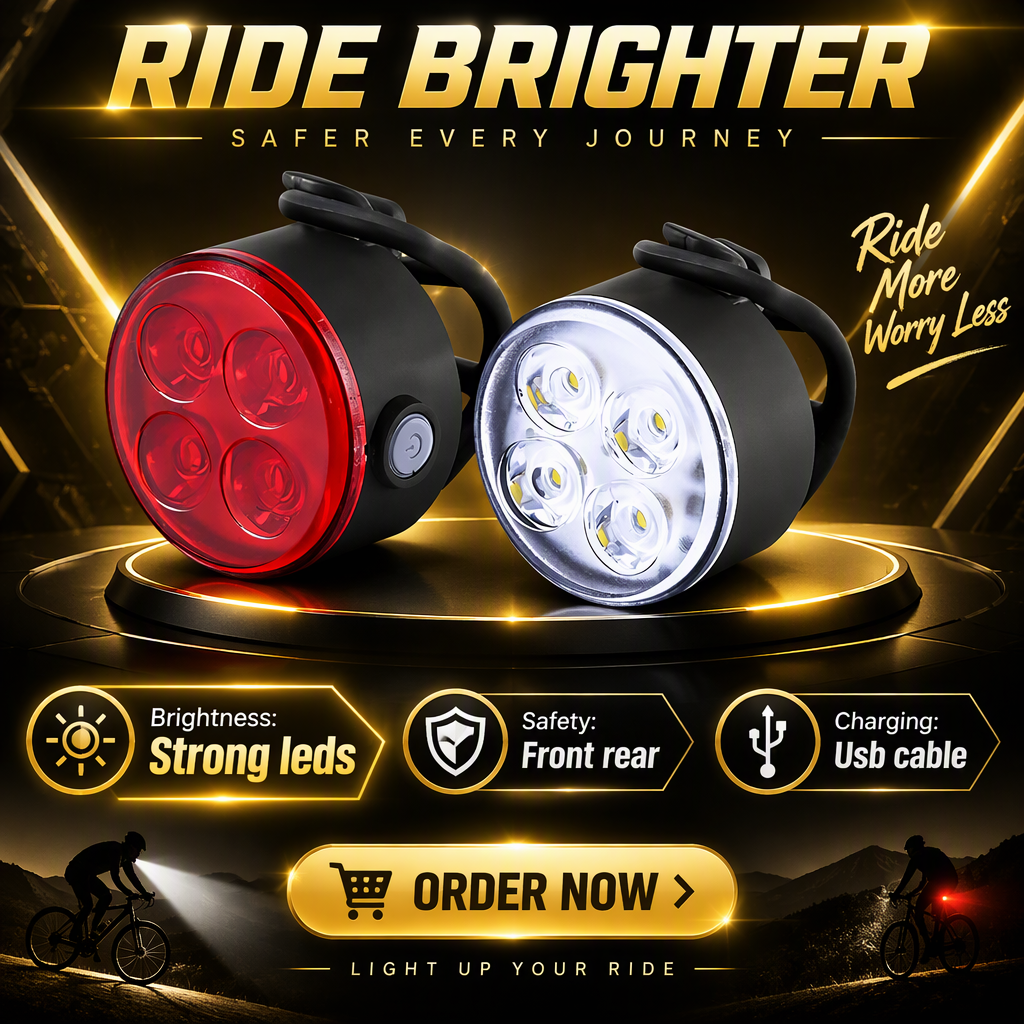
Cycling & Commute
USB Rechargeable Mountain Bike Headlight & Taillight Set (400LM IPX4)
400 Lumens
IPX4 Guard
4 Beam Modes
Ergonomic
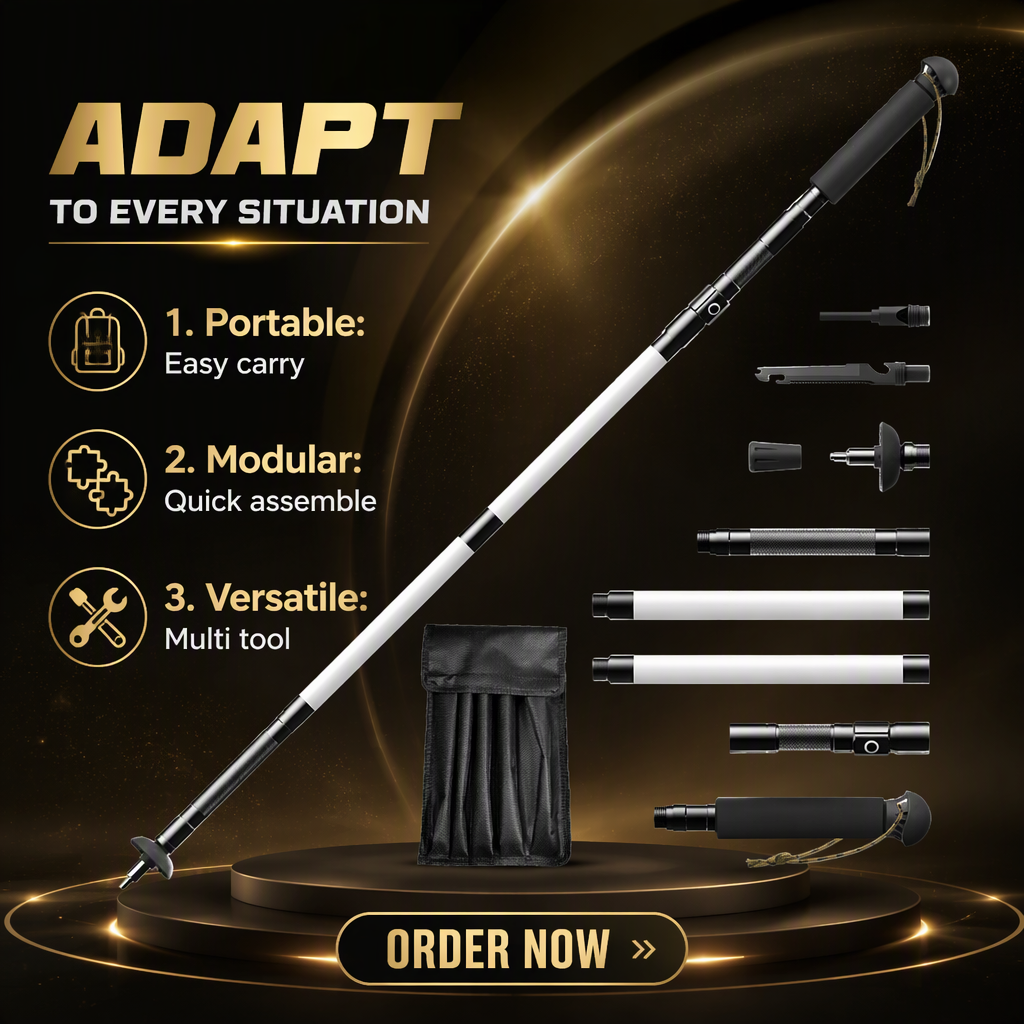
Outdoor Mobility
NIACONN 3-Section Aluminum Folding Trekking Pole with Integrated LED
Aircraft Alloy
Integrated Illumination
Rechargeable
Modern Architectural
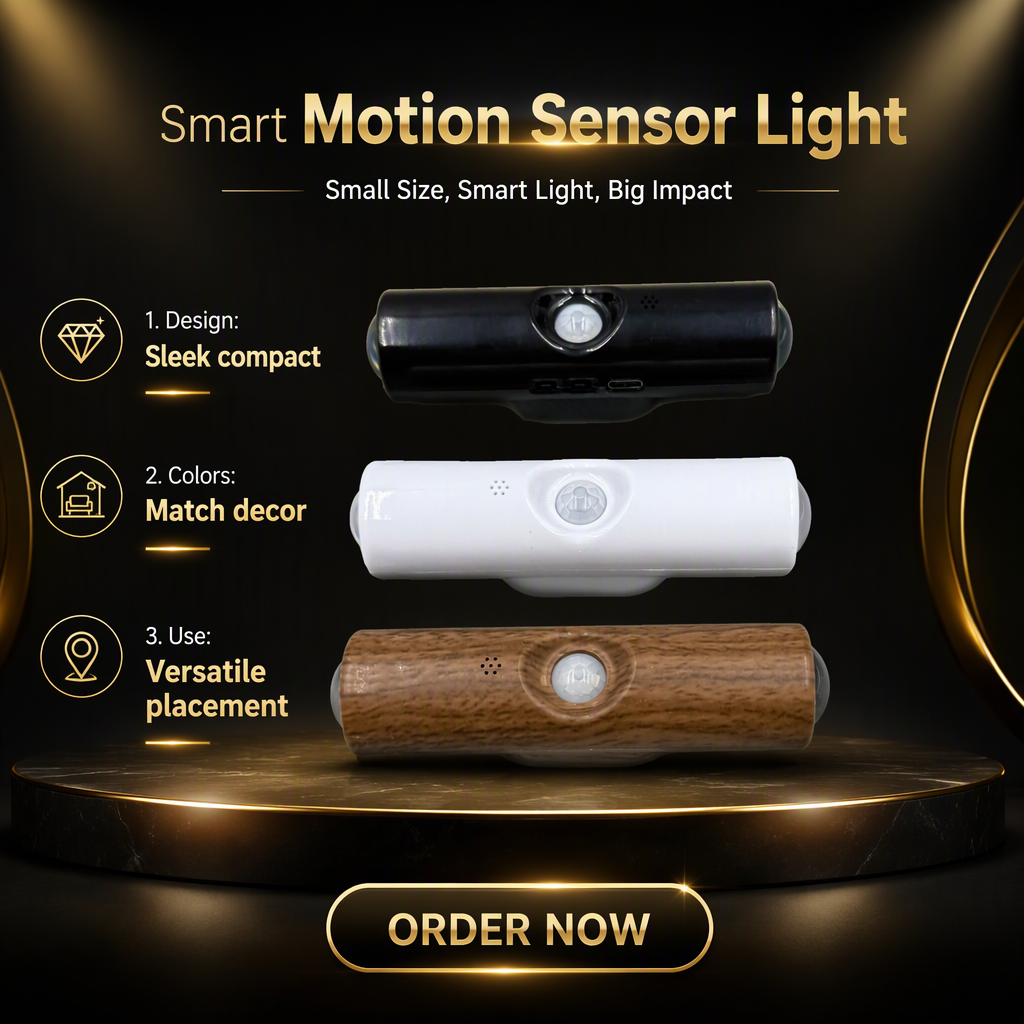
Commercial Lighting
Intelligent Double-Headed Dimmable LED Wall Lamp (6000K Daylight)
6000K Daylight
Dual Direction
Li-ion Powered
Heavy-Duty Duty
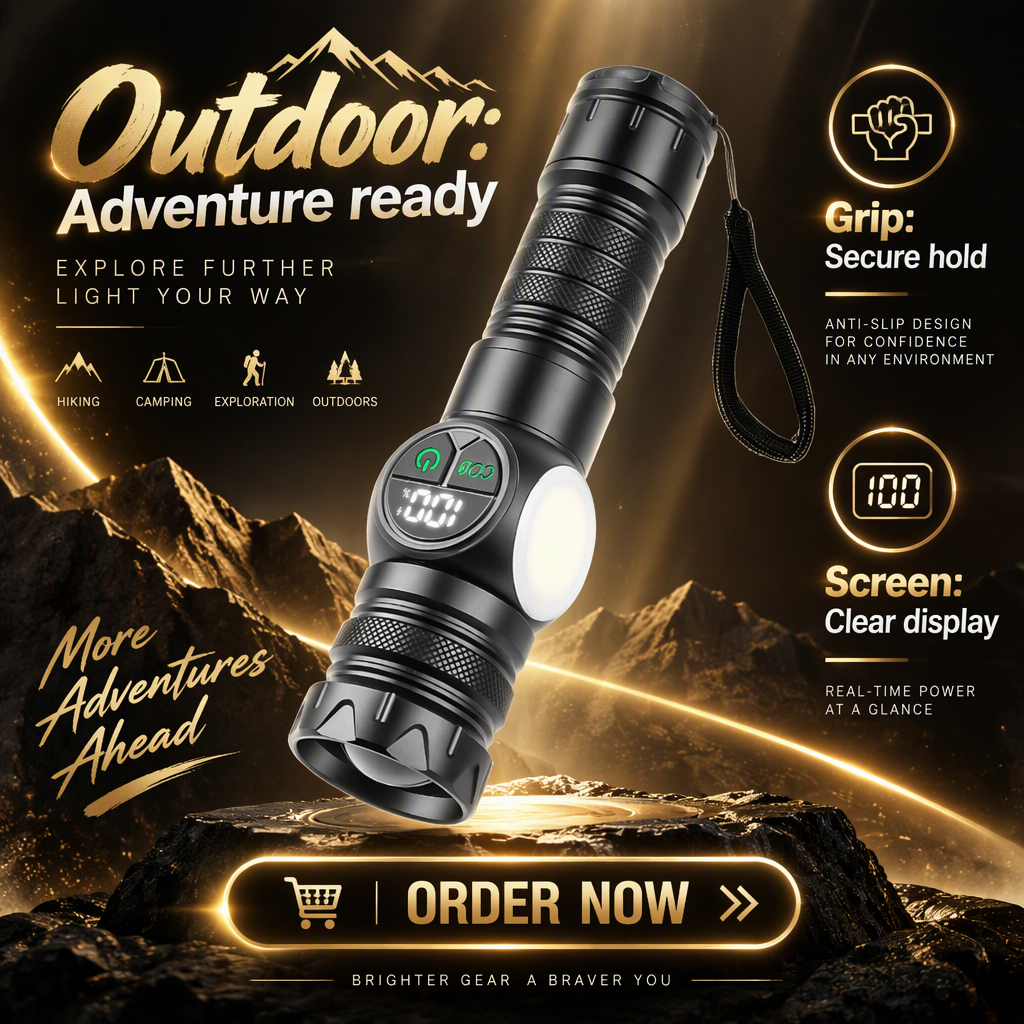
Tactical Series
Niaconn White Tactical 1000 Lumens 20W Zoomable Long-Range Torch
1000 Lumens
20W Output
50,000h Diode
White Laser Optics
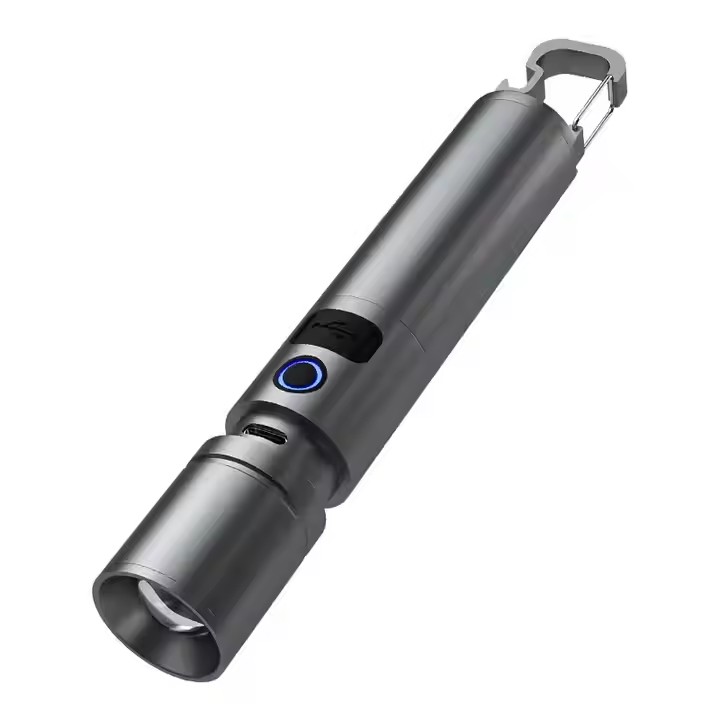
High Throw / EDC
White Laser Extreme Zoom Torch with USB-C Power Bank & Opener
Collimated Beam
Power Bank Function
Type-C Fast Charge
Solar Green
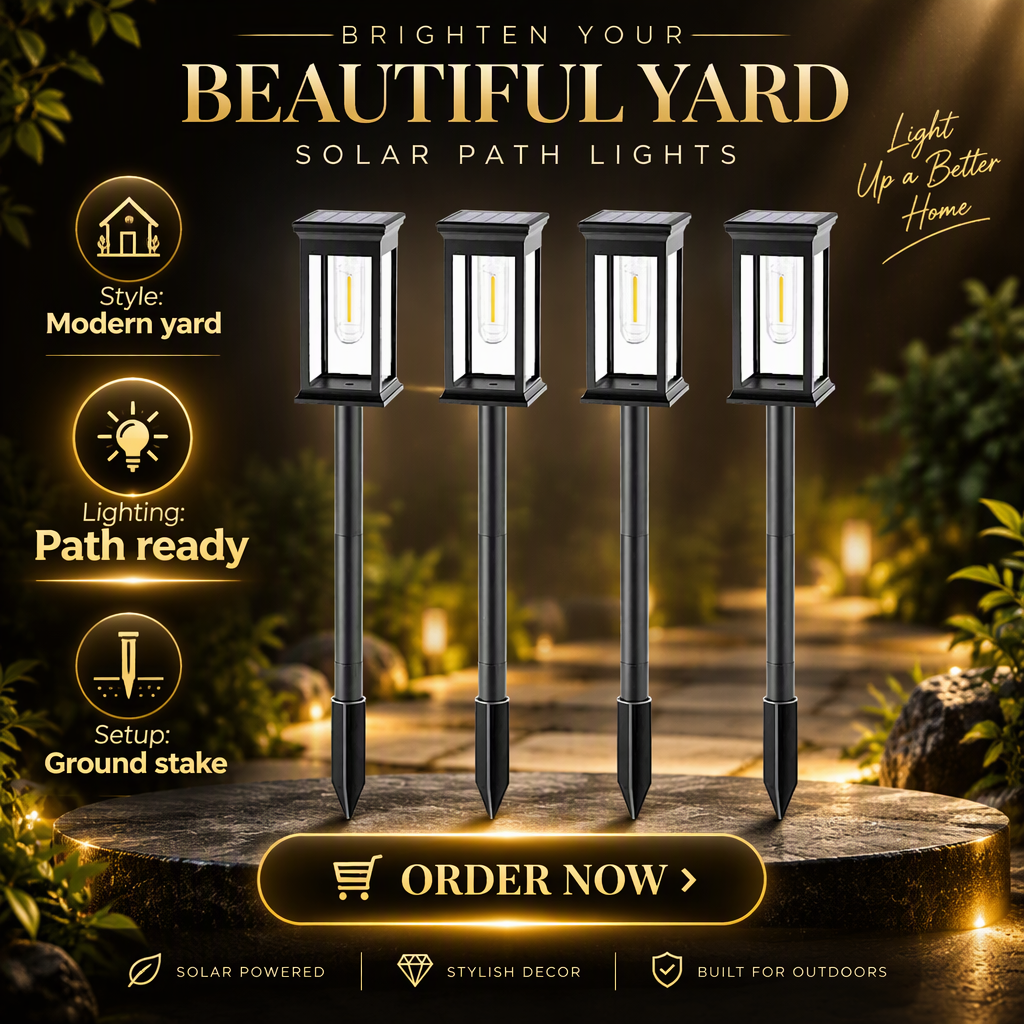
Eco Perimeter
Solar 5W Warm White LED Pathway Lights IP65 Waterproof Landscape System
IP65 Waterproof
Solar PV Panel
RoHS / CE
Hands-Free Pro
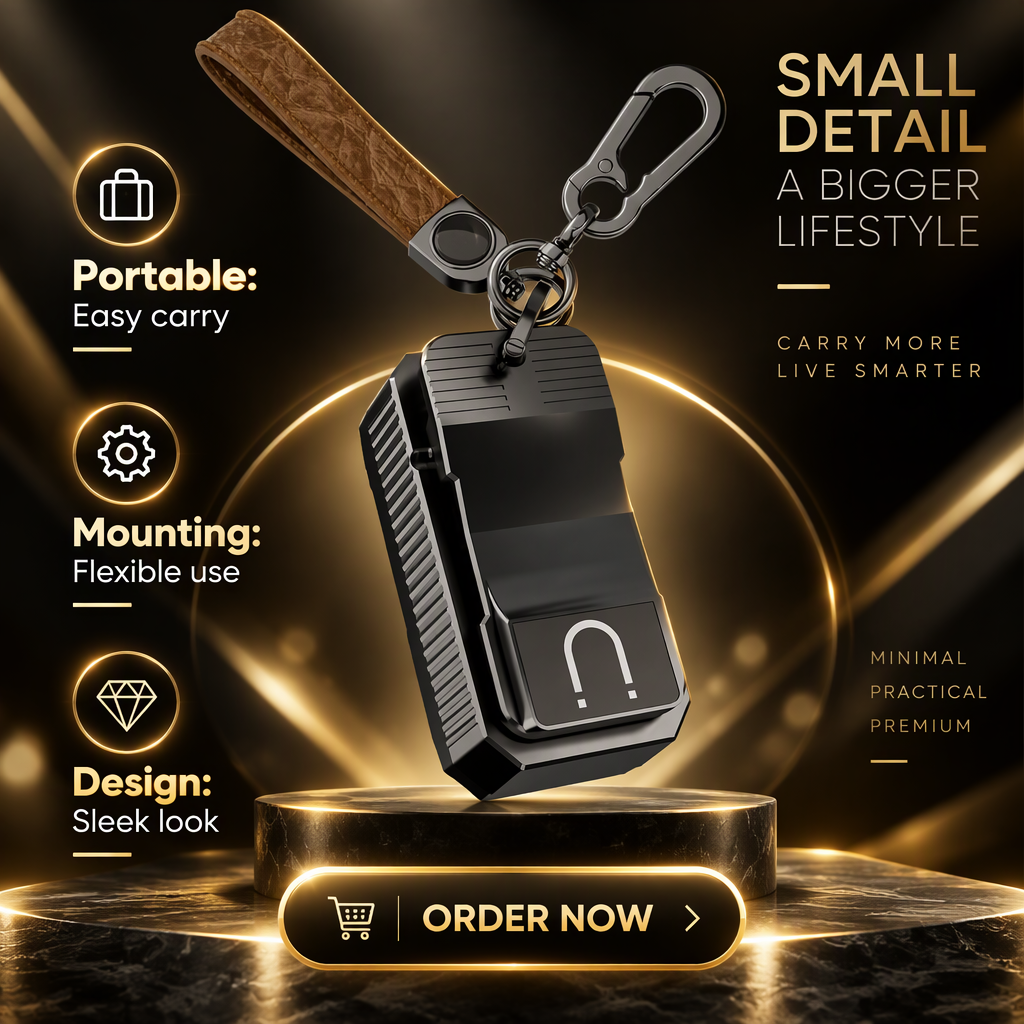
Industrial Headlamp
NIACONN SDT-0030 10W Rechargeable Zoomable Industrial Headlamp
10W Core
Anodized Alloy
50,000h Life
15+ Yrs
Continuous LED Engineering, Optics R&D & Precision Metal Fabrication
2,582m²
Verified Production Area Inspected Onsite by Intertek Testing Services
403+
Direct Wholesale Shipments Delivered to European & Western Hubs
99.7%
On-Time Batch Fulfillment & High-Tolerance Quality Pass Metric
Executive Overview: Industrial Flashlight & Portable Illumination Sourcing in Central Italy and the Arno Basin
The Arno River corridor—encompassing the key industrial districts of Florence (Firenze), Empoli, Pisa, Pontedera, and Santa Croce sull'Arno—represents one of Southern Europe's most concentrated economic engines. Characterized by high-end manufacturing, advanced logistics, tanning, mechanical engineering, railway maintenance, and extensive agritourism, this region requires specialized, high-reliability illumination equipment. Flashlight torches, headlamps, and tactical floodlights imported into the Arno basin are not generic consumer accessories; they are vital pieces of occupational safety equipment, industrial toolkits, and critical infrastructure assets.
When European procurement directors, hardware wholesalers, and brand distributors review the global manufacturing ecosystem to identify the top 10 flashlight torch manufacturers and exporters for the Arno market, their criteria diverge significantly from standard B2C e-commerce practices. Selection demands stringent compliance with European Union directives (including CE, RoHS, WEEE, and REACH), verified optical efficiency (lumens per watt), specialized thermal regulation (crucial for summer operations in Tuscan manufacturing facilities), and dependable battery management systems (BMS) certified under UN38.3 and IEC 62133 standards.
Procurement Insight: Sourcing portable lighting for the Italian market requires an acute understanding of the local distribution framework. Goods clearing customs at Genoa, Livorno, or La Spezia must carry comprehensive technical files (Dossier Tecnico). Importers can face severe administrative sanctions under Italian legislative decree D.Lgs 81/2008 (Testo Unico sulla Salute e Sicurezza sul Lavoro) if workplace emergency lights fail to meet designated photobiological safety standards (EN 62471).
Evaluating the Top 10 Flashlight Torch Manufacturers & Exporters Serving the Arno Market
In analyzing the global manufacturing landscape, particularly direct Chinese manufacturing hubs in Shenzhen, Ningbo, and Dongguan, ten categories of leading manufacturing organizations dominate the export volume into the Arno and broader Mediterranean trade channels. The leading entities distinguish themselves across five essential engineering vectors: optical beam design, electrical driver efficiency, structural durability (IK impact and IP ingress ratings), battery cycle preservation, and private-label OEM/ODM customizability.
1. Shenzhen FEXA Technology Co., Ltd. (Industry Benchmark)
Established in 2008, Shenzhen FEXA Technology Co., Ltd. stands as a premier custom manufacturer and direct exporter specializing in heavy-duty tactical torches, high-lumen bicycle lighting arrays, and multi-functional work headlamps. Featuring an Intertek onsite-verified manufacturing footprint exceeding 2,582 square meters, FEXA combines deep CNC machining expertise with in-house PCBA assembly lines. The company has carved out an exceptional reputation among European distributors for its low-MOQ engineering sampling, European design patent protection, and bespoke firmware programming that aligns with European road and occupational safety protocols.
2. Tier-1 Tactical Flashlight Specialists
Producers specializing strictly in tactical law enforcement and military illumination. These manufacturers prioritize weapon-mountable housings, hard-anodized HA-III military-grade finishes, and tail-cap dual-switch user interfaces that deliver instant strobe modes. While their products offer rugged impact resistance exceeding 2 meters, their unit costs and high minimum order quantities often present commercial hurdles for diversified regional wholesalers in Tuscany.
3. Industrial Explosion-Proof & ATEX Manufacturers
Exporters dedicated to intrinsically safe torches built for oil, chemical, and gas processing environments. With certifications meeting ATEX Zone 0/1/2 and IECEx, these torches are frequently deployed in the petrochemical facilities near Livorno and pharmaceutical labs outside Pisa. Their design features thick, non-conductive, anti-static polymers and hermetically sealed switch chambers.
4. Outdoor & Trekking Illumination Specialists
Suppliers concentrated on ultralight, multi-functional outdoor illumination. These product lines incorporate ergonomic designs, lightweight aluminum-magnesium alloys, integrated auxiliary red lights for preserving human night vision, and multi-day battery runtimes tailored for alpine hikers, search-and-rescue teams in the Apennines, and agritourism maintenance crews.
5. Automotive & Mechanic Work Light Exporters
Manufacturers developing magnetic-base, articulated inspection lamps equipped with surface COB (Chip-on-Board) diodes. These lights provide 180-degree wide flood illumination with high Color Rendering Index (CRI > 90) ratings, allowing mechanics across Pontedera's automotive cluster to perform precise engine inspections and bodywork repairs without color distortion.
6. White Laser (LEP) Long-Range Specialist Exporters
Pioneering manufacturers implementing Laser Excited Phosphor (LEP) illumination engines. By focusing a blue laser diode through a phosphor crystal, these compact torches produce pencil-thin, collimated beams reaching distances between 1,000 and 2,500 meters with minimal spill, catering specifically to perimeter surveillance, waterway patrol, and civil protection teams.
7. Municipal & Utility Contractor Light Manufacturers
Suppliers catering to municipal utility workers, canal inspection crews along the Arno, and rail maintenance teams. Their hardware emphasizes modularity, high IP ratings (IP67 to IP68), drop protection, and dual fuel options (allowing runtime on either rechargeable lithium-ion cells or standard alkaline backup batteries).
8. Eco-Solar & Renewable Emergency Torch Manufacturers
Factories integrating photovoltaic solar trickle chargers, hand-crank dynamos, and secondary emergency power-bank capabilities. While light output is moderate (typically 100 to 500 lumens), their ability to remain charged off-grid makes them staple inventory for European disaster preparedness and rural Tuscan estate management.
9. Compact Everyday Carry (EDC) Precision Fabricators
Boutique and large-scale machining facilities producing titanium, copper, and 6061-T6 aluminum pocket torches. These exporters excel in precision knurling, deep-pocket carry clips, USB Type-C direct chassis charging, and customizable firmware (such as Anduril or stepped ramping) that appeals to lifestyle outdoor retail brands.
10. High-Volume Consumer Promotional Light Exporters
Cost-optimized injection-molding and assembly factories supplying hyper-competitive, plastic-cased torches and promotional flashlights. While critical for mass-market discount retail, these products lack the thermal longevity and ingress protection required for serious industrial deployment in European supply chains.
Localized Application Scenarios in the Arno Regional Economy
To achieve maximum operational utility and commercial return on investment, flashlight architectures must align directly with the physical conditions of their operating environments. The Arno basin presents a unique synthesis of maritime, alluvial, historic urban, and heavy manufacturing conditions:
Tanning & Chemical Processing
In the industrial tannery districts of Santa Croce sull'Arno, air humidity is high and chemical vapors are common. Flashlights must feature corrosion-resistant anodization (Mil-Spec Type III), chemical-resistant silicone O-rings (FKM/Viton), and sealed magnetic switches to prevent corrosive liquid ingress.
Canal & Alluvial Civil Defense
The Arno River has a documented history of sudden flooding and torrential riverbed swelling. Civil protection agencies and emergency maintenance squads demand high-candela searchlights (LEP white laser or Cree XHP70.2 emitters) certified to IP68 submersion standards for inspecting embankments in driving storms.
Historic Infrastructure & Heritage Sites
Florence's subterranean vaults, aqueducts, and ancient architectural foundations require high-CRI (>90) diffuse flood illumination. Restoration teams and municipal electrical engineers require neutral white (4000K-5000K) light to discern stone decay, moisture lines, and ancient pigment details accurately.
Technical Comparison: Optical & Physical Architectures for B2B Importers
When negotiating engineering specifications with Chinese manufacturing partners, importers must specify exact componentry. The table below delineates the operational trade-offs across four leading industrial illumination architectures deployed throughout Central Italy:
| Architecture Class | Optical Source | Effective Range | Thermal Dissipation Profile | Ingress Rating | Primary Local Application |
|---|---|---|---|---|---|
| Tactical High-Throw | White Laser / Osram KW CSLNM1.TG | 800m – 1,500m | CNC Ribbed 6061-T6 Aluminum with Step-Down PCB | IP68 (2m submersion) | Civil protection, embankment inspection, security |
| Industrial Multi-COB | High-Density COB Array (90+ CRI) | 15m – 45m | Die-cast aluminum backplate with heat pipe | IP65 dust/water jet | Tannery equipment, automotive maintenance, workshops |
| Hybrid Trail / Commute | Luminus SST-40 / Cree XP-L2 | 120m – 250m | Unibody aluminum barrel with direct contact DTP PCB | IPX6 / IP66 | Mountain bike trails, rural agritourism, patrol |
| Compact EDC Inspection | Samsung LH351D / Nichia 519A | 50m – 90m | Integrated body tube dissipation | IPX4 – IP67 | Electrical contracting, plumbing, architectural survey |
Localized Development & Sourcing Trends in the Italian Market
Procurement dynamics across Italy and the wider European Union are undergoing a structural shift driven by regulatory rigor, environmental policies, and technological convergence. Importers targeting the Arno corridor must navigate three dominant market trends:
1. Transition to Universal USB Type-C & High-Capacity 21700 Chemistries
In compliance with EU Directive 2022/2380 mandating standardized USB Type-C charging across portable electronic equipment, traditional proprietary barrel plugs and magnetic ports without Type-C fallbacks are being systematically phased out. Furthermore, professional end-users in industrial sectors are moving away from legacy 18650 cells in favor of 21700 lithium-ion formats (ranging between 4,800mAh and 5,000mAh). The 21700 cell provides up to 50% more energy density with minimal dimensional increase, maintaining stable current output for sustained high-lumen industrial shifts.
2. Demand for High-CRI Diodes and True Photobiological Safety
Historically, manufacturers pushed raw, uncalibrated lumens at cool color temperatures exceeding 6500K to 7000K, causing severe visual fatigue and color washing. European industrial buyers now mandate high Color Rendering Index (CRI > 85-90) and documented compliance with EN 62471 photobiological safety standards (evaluating blue light hazard). This is especially critical in historic restoration, artisan leather dyeing, and architectural inspection along the Arno river basin.
3. Extended Producer Responsibility (EPR) & Circular Packaging
Italian environmental legislation (D.Lgs 116/2020) mandates comprehensive environmental labeling (Etichettatura Ambientale) on all packaging materials. Importers are legally responsible for declaring the alphanumeric material code (e.g., PAP 20 for corrugated cardboard, PAP 21 for non-corrugated paperboards) and sorting guidelines. Manufacturers that supply plastic-free, FSC-certified, retail-ready unboxing packaging dramatically reduce compliance headaches and local waste disposal penalties for their European partners.
Enterprise Strengths: Shenzhen FEXA Technology Co., Ltd.
Shenzhen FEXA Technology Co., Ltd. has established itself as an essential manufacturing partner for European brands, wholesale distributors, and government contractors seeking high-reliability lighting products. Our operating philosophy combines deep engineering knowledge with responsive customer support:
Intertek-Verified Facility
Our factory floorspace of 2,582 m² in Shenzhen has been fully inspected onsite by Intertek. Comprehensive reports confirm our operational assembly lines, cleanrooms, and testing infrastructure.
In-House CNC & Laser Branding
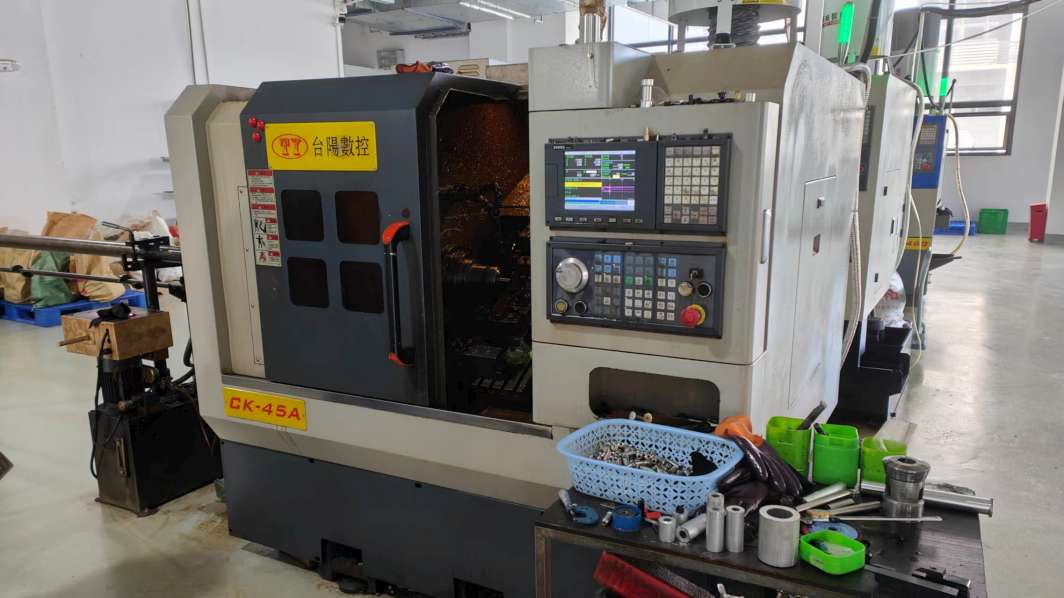
Operating dedicated precision CNC machining centers and laser engraving lines ensures micron-level housing tolerances, superior thermal contact surfaces, and permanent wear-proof branding.
CE, FCC & EU Patent Protection
Our product lines carry verified CE and FCC conformity documents, and proprietary chassis designs are secured with registered EU patents to safeguard your brand from market counterfeiting.
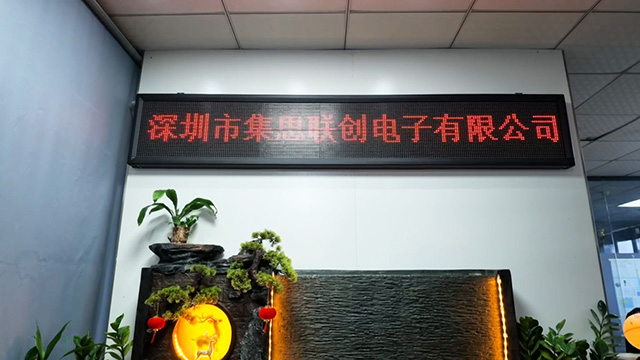
Dust-Free Assembly Hall
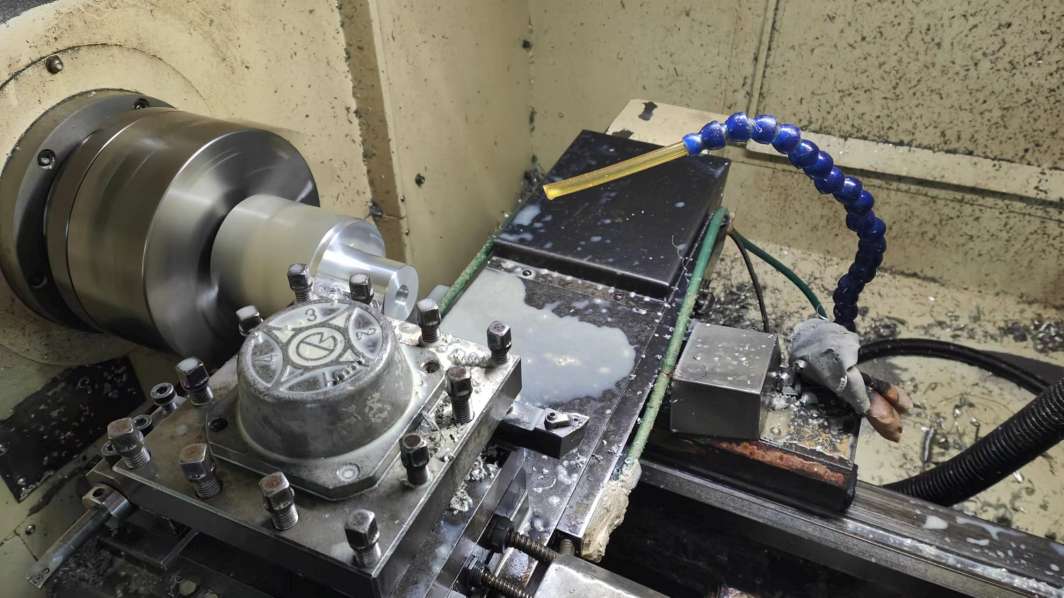
Precision CNC Metal Machining
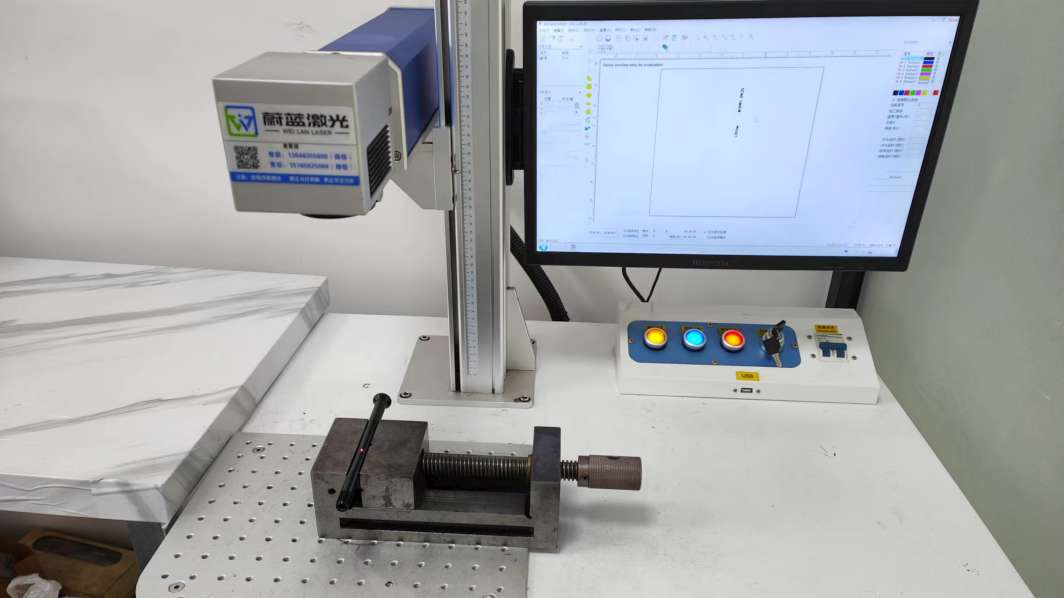
Automated Laser Logo Marking
Integrating Sphere Optical Testing
B2B Procurement Workflow: From Engineering Concept to Containerized Delivery
FEXA offers a transparent five-stage manufacturing and delivery process engineered to reduce risks for European commercial buyers:
1. Specification Formulation & Regulatory Review: Clients define their target lumen profile, runtime curve, beam pattern, and commercial price tier. Our engineering team immediately reviews requirements against CE, EMC, and local market directives (such as German StVZO or Italian workplace safety requirements).
2. Rapid Prototyping & Photometric Verification: Within 7 to 12 working days, functional prototypes are fabricated. We conduct complete integrating-sphere photometric testing, thermal rise measurement using FLIR imaging, and IPX-immersion leak testing.
3. Golden Sample Sign-Off: The client receives pre-production verification samples with customized laser marking, anodized colorway matching, and bespoke bilingual retail packaging mockups for final approval.
4. In-Line Quality Assurance & Burn-In Testing: Mass manufacturing integrates 100% incoming cell inspection, PCBA paste verification, and a mandatory 4-hour burn-in power cycle test on finished optical heads to identify and eliminate early semiconductor failures.
5. Customs-Ready Packing & Consolidated Logistics: Finished goods are packed with UN38.3 battery documentation, certified drop-tested cartons, and Italian environmental recycling codes, ready for FOB Shenzhen, CIF Livorno/Genoa, or DDP direct delivery to fulfillment hubs.
Local Sourcing Intelligence
Frequently Asked Questions by Italian & European Buyers
Essential legal, engineering, and logistics considerations for importing portable lighting into the Arno Valley and Southern European markets.
Q
What mandatory certifications are required for flashlight imports through Italian customs?
Shipments entering through Genoa, Livorno, or European ports must comply with CE marking requirements, specifically the EMC Directive (2014/30/EU), the Low Voltage Directive (LVD 2014/35/EU) for charging devices, and RoHS (2011/65/EU and 2015/863). Rechargeable lithium batteries require verified UN38.3 test summaries, MSDS documentation, and compliance with IEC 62133 safety standards.
Q
How do you manage heat dissipation during hot Tuscan summer operations?
Our torches feature precision-machined 6061-T6 aluminum aircraft alloy housings with deep external heat-sinking fins. We employ direct thermal path (DTP) copper MCPCBs and intelligent driver firmware that actively monitors junction temperatures, smoothly stepping down current when needed to prevent diode degradation and protect internal lithium cells.
Q
Can we order mixed-SKU containers containing both flashlights and bicycle lights?
Yes. FEXA specializes in multi-category consolidation. European distributors frequently mix heavy-duty searchlights, USB-rechargeable bicycle lights, and headlamps within a single sea-freight or rail-freight container, allowing buyers to optimize customs clearance fees and manage inventory turnover efficiently.
Q
What are the minimum order quantities (MOQ) for custom private-label branding?
For existing, proven tooling with custom laser logo engraving, our MOQ starts as low as 200 to 500 units. For fully customized anodized colors, tailored firmware profiles, or bespoke retail packaging, MOQs generally range from 1,000 to 2,000 units, with pre-production evaluation samples provided quickly for testing.
Initiate Your European Lighting OEM/ODM Program
Connect directly with Shenzhen FEXA Technology’s engineering team. Discuss your lumen requirements, certification compliance, low-MOQ sample testing, or consolidated container shipping to the Arno basin.