Curated Product Portfolio
Featured PIR Sensors, Tactical & Outdoor Portable Lighting
Tested for extreme Baltic conditions: coastal salt-air protection, sub-zero battery stability, and low-latency pyroelectric infrared detection. Available for wholesale, private-label branding, and fast multimodal delivery to Western Lithuania.
IP65 Waterproof
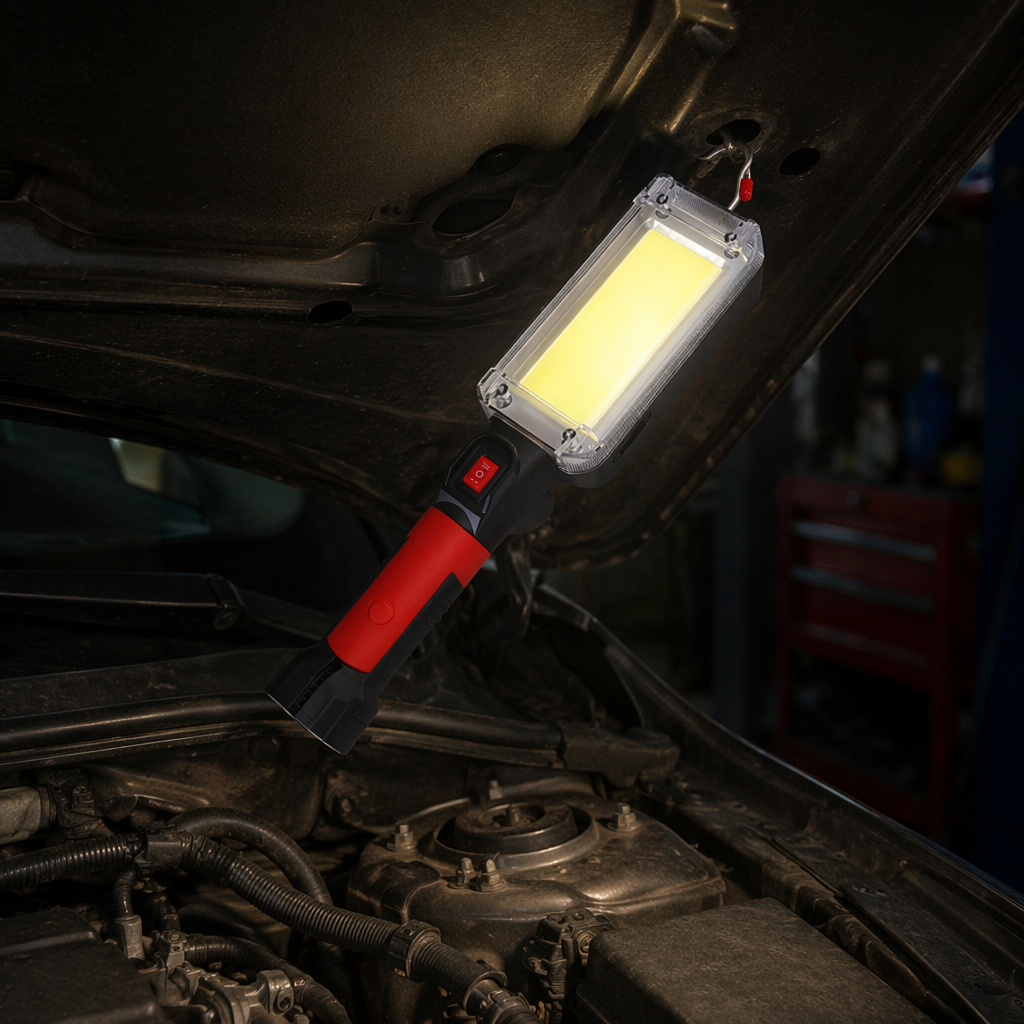
Tactical / Outdoor
Magnetic LED Flashlight USB Rechargeable 5 Modes Camping IP65 ABS COB 700LM
COB Dimmable
View Details →
Aviation Aluminum
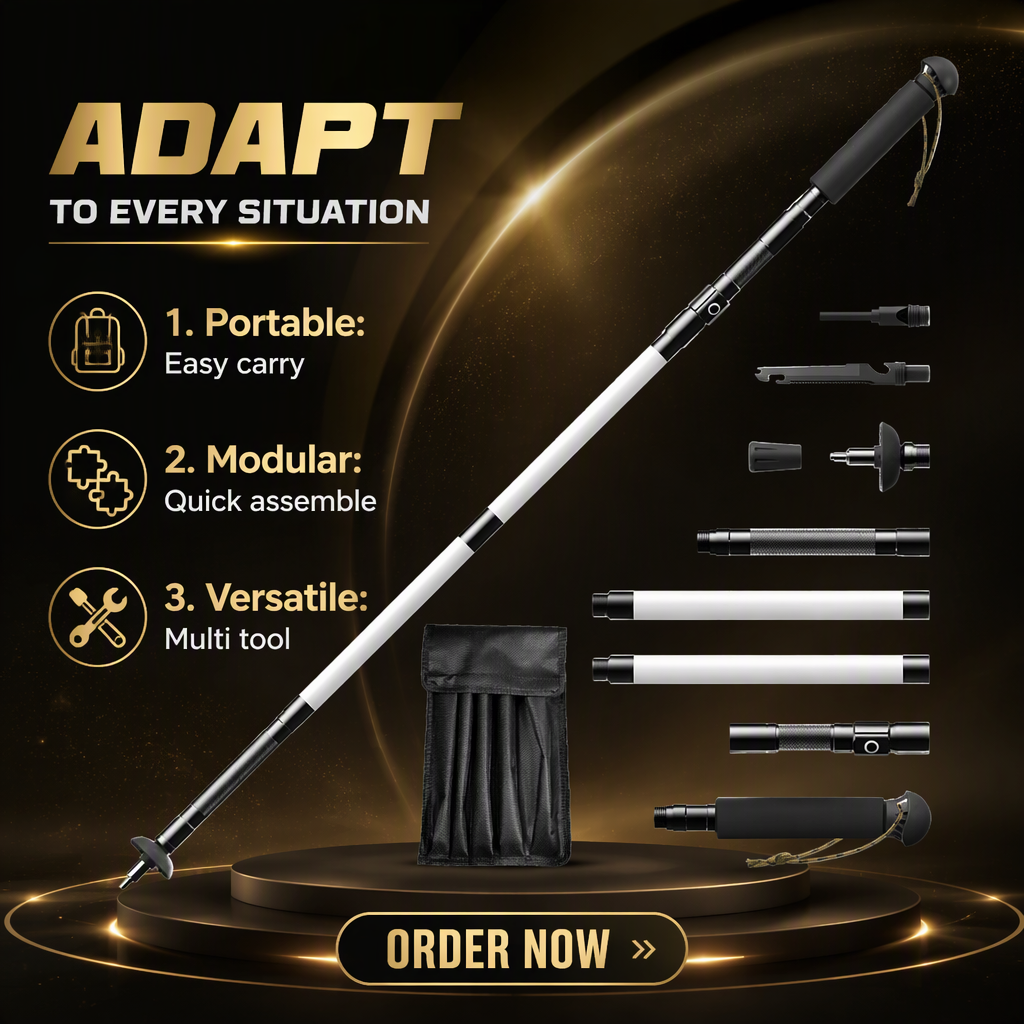
Active Living / Trail
NIACONN Rechargeable 3-Section Aluminum Folding Trekking Pole with LED
Curonian Trail
View Details →
Smart Sensor
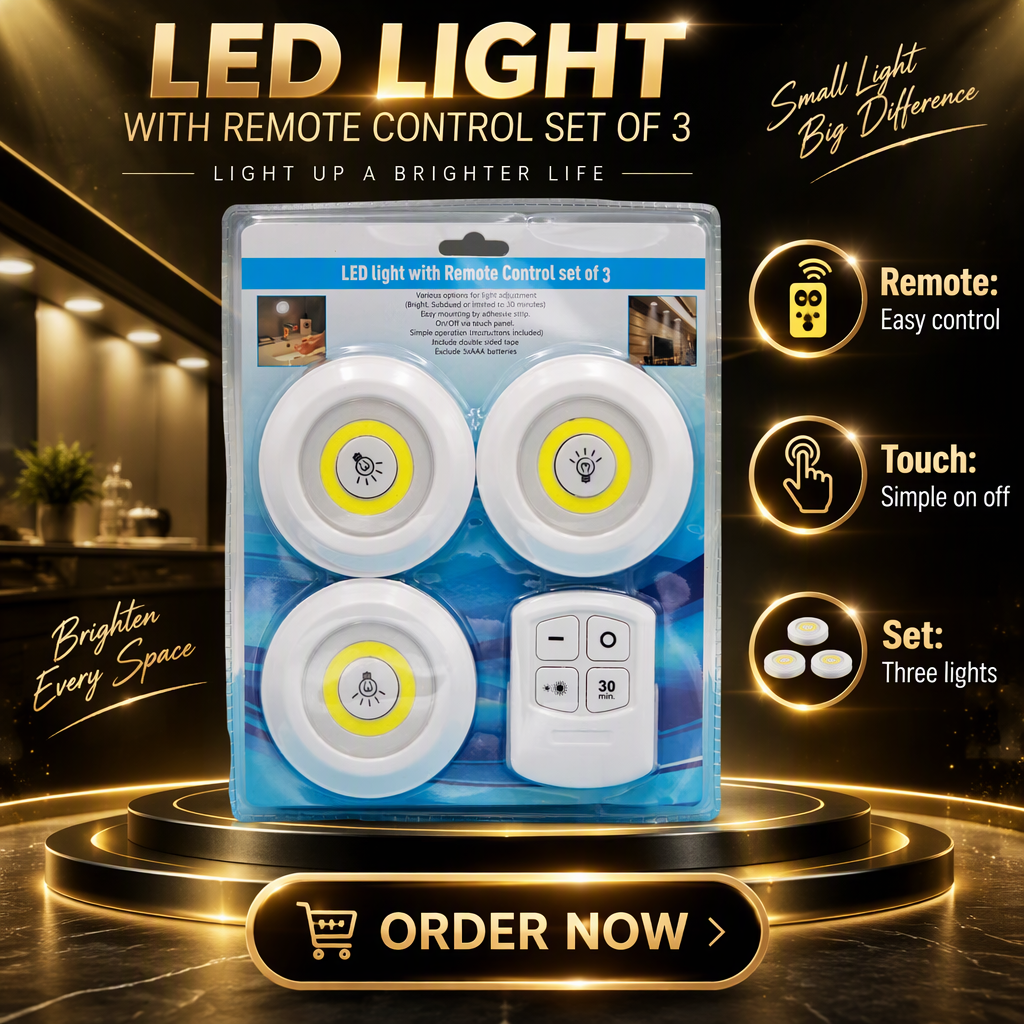
Interior PIR / Smart
2026 COB LED Remote Smart Night Light Sensing Touch CCT 3000-6000K AAA
Dual Sensing
View Details →
IPX4 All-Weather
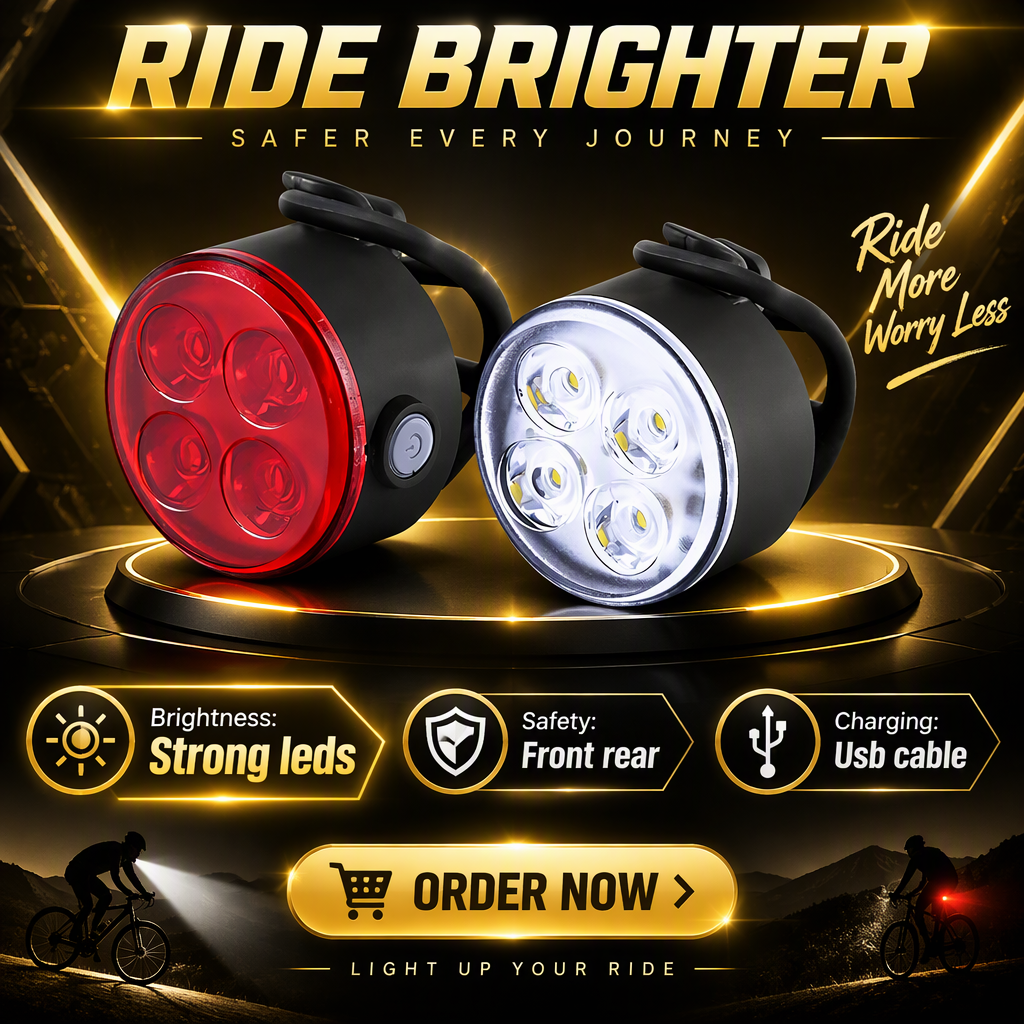
Urban Mobility
USB Rechargeable Mountain Bike Headlight & Taillight Fog Set 400LM
USB-C Fast
View Details →
5200mAh Heavy Duty
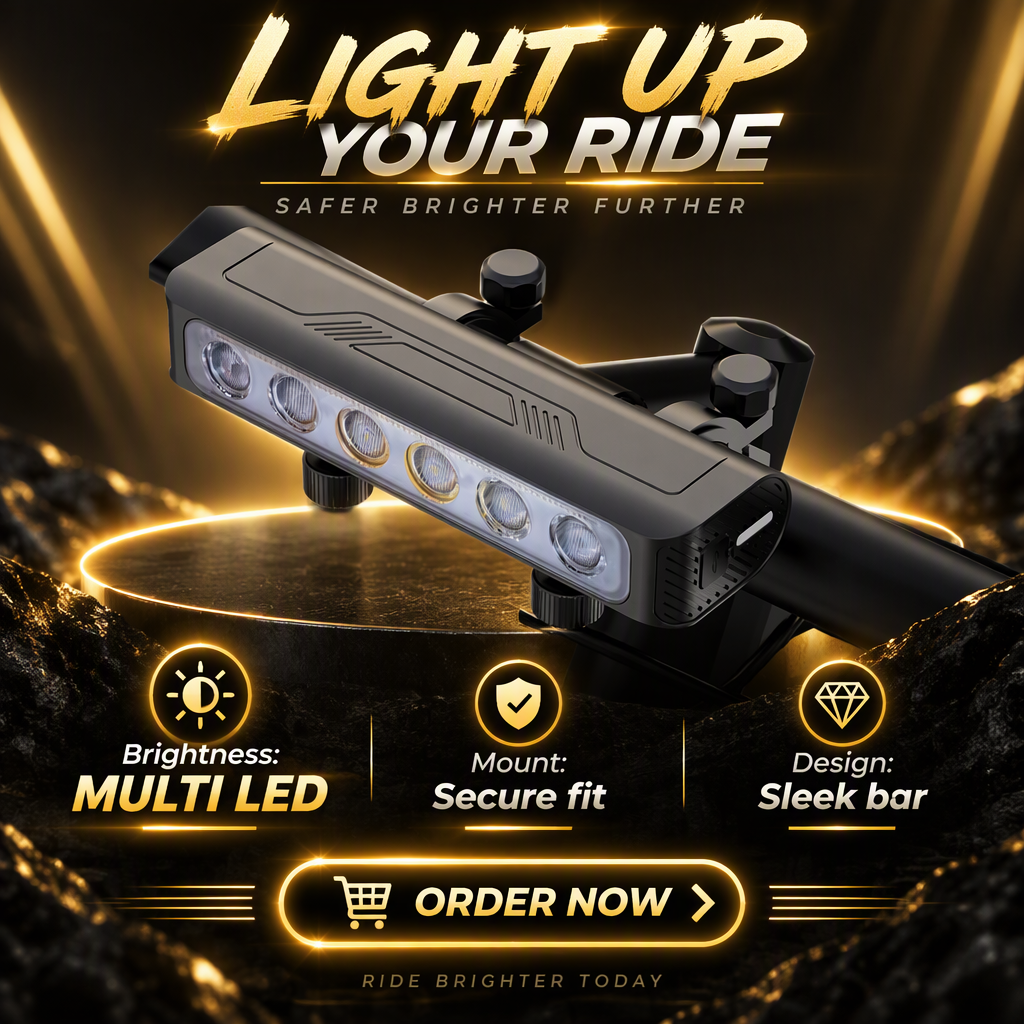
Long-Run Commuter
5200mAh IPX5 Waterproof Aluminum Alloy Bicycle Front/Rear System
Power-Bank Mode
View Details →
395nm UV + White
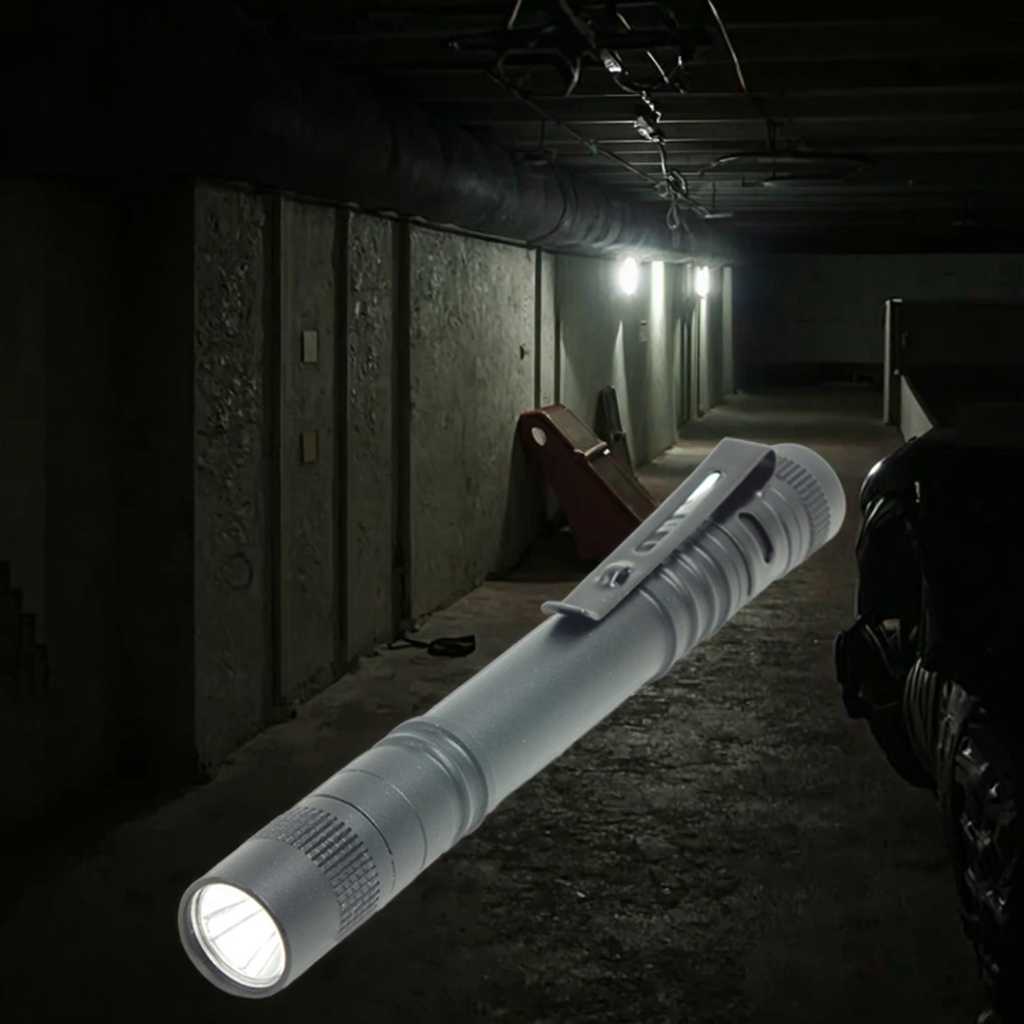
Industrial / Port EDC
AAA LED Mini EDC Penlight UV 395nm Aluminum Torch USB Charging
NDT Testing
View Details →
Wireless Remote
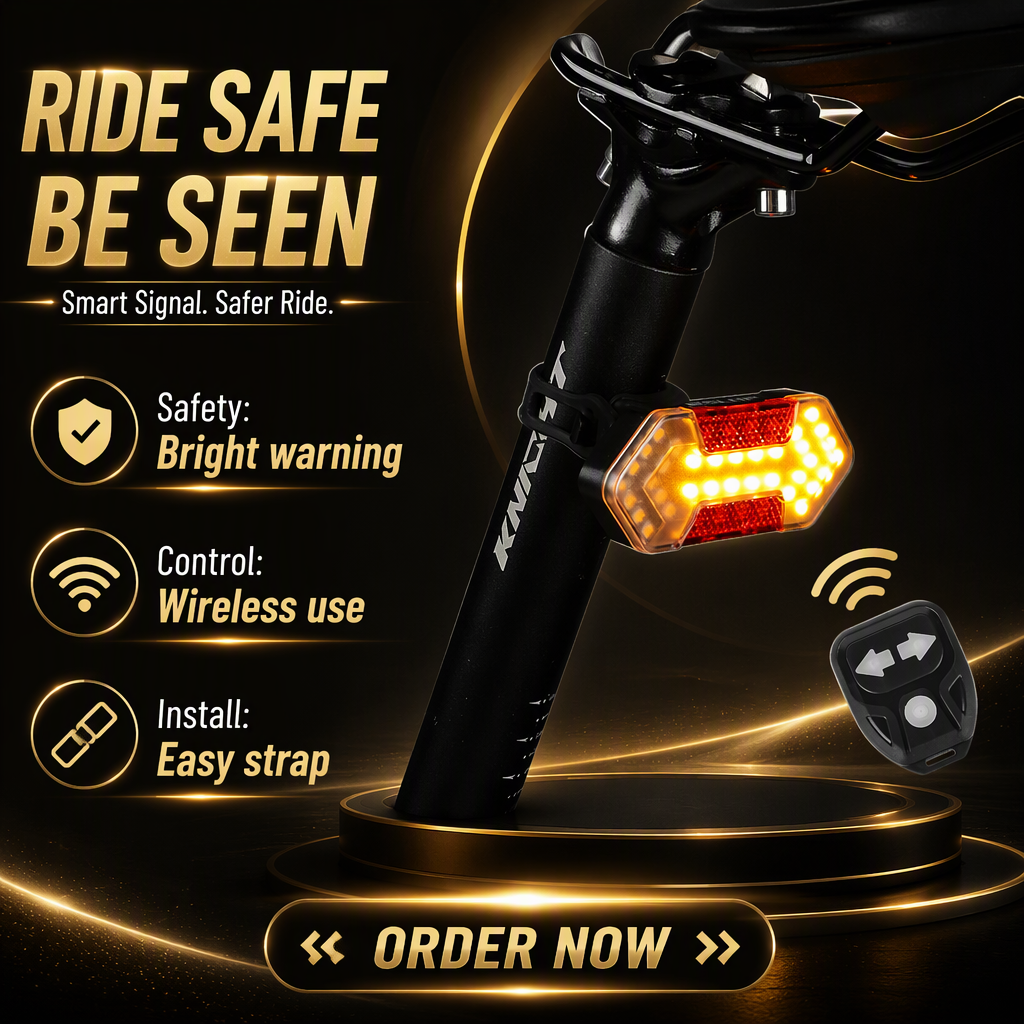
Road Safety Indicator
NIACONN NIA-Z09 Road Bike Remote Steering Directional Taillight IPX5
Turn Indicators
View Details →
Hospitality Decor
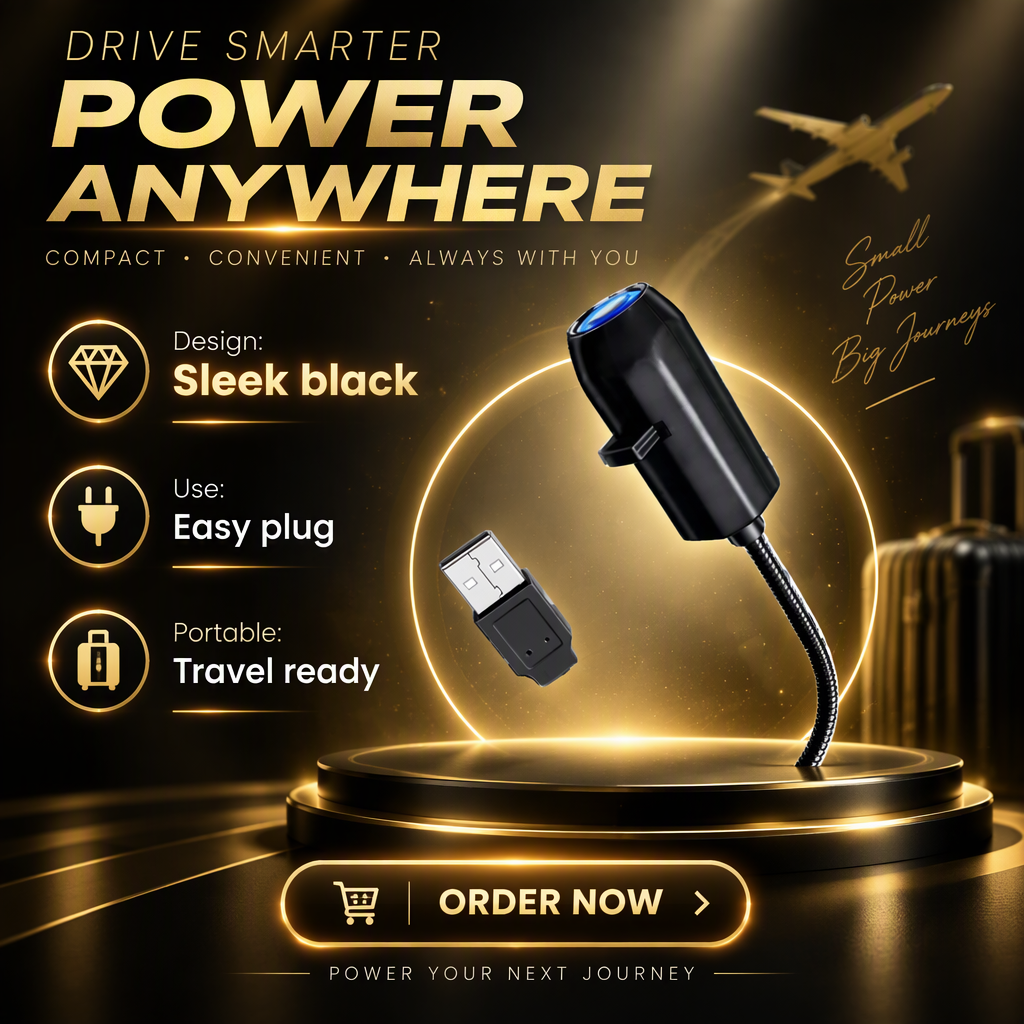
Ambient / Hotel Night Light
Control Mini 3500K Warm White Starry Sky Moon Ambient USB Night Light
Logo Custom
View Details →
Technical White Paper
Why Standard PIR Sensors Fail in Western Lithuania: Engineering for Coastal Marine Realities
Deploying motion-activated solid-state lighting in Klaipėda requires solving a tri-fold physical challenge: high relative humidity averaging over 82% year-round, Baltic saline sea spray, and drastic indoor-outdoor thermal transitions during damp winters.
1. Pyroelectric Sensor Drift Under Coastal Thermal Gradients
Conventional PIR sensors rely on simple dual-element pyroelectric transducers that measure instantaneous differential infrared energy (9–11 μm wavelength). In Klaipėda's coastal microclimate, rapid maritime breeze inflows from the Baltic Sea create localized convection currents within residential corridors, vestibules, and uninsulated historical stairwells. Cheap consumer sensors misinterpret these ambient air temperature swings as biological movement, generating persistent false positives.
FEXA resolves this through integrated quad-element compensated sensors paired with custom-tuned Fresnel lenses. Our optics split the coverage area into 32 optical zones with alternating polarities. By calculating differential velocity thresholds and incorporating positive-temperature-coefficient (PTC) thermistor feedback, our circuit rejects non-biological thermal currents while maintaining sub-0.2-second trigger latency when a human approaches.
2. Electrolyte Stability & Moisture Protection in High Salinity
Proximity to the Curonian Lagoon and Klaipėda Free Economic Zone (LEZ) logistics terminals exposes electronics to persistent airborne NaCl aerosols. Standard night lights with unsealed AAA battery bays or unvarnished printed circuit boards suffer galvanic corrosion, electrolytic leakage, and high-frequency trace bridging within 6 to 12 months.
Our factory implements a conformal nano-coating process (MIL-I-46058C compliant) across all control PCBs, paired with nickel-gold-plated spring contacts and ultrasonic-welded ABS/PC housings. For rechargeable battery variants, we incorporate low-temperature lithium cobalt oxide (LiCoO2) chemistry with sub-zero cut-off protection, ensuring zero swelling or capacity degradation even when ambient staircase temperatures drop to -15°C.
| Technical Parameter | Standard Consumer Night Light | FEXA Baltic Marine Spec (Industrial Grade) | Operational Advantage in Klaipėda |
|---|---|---|---|
| PIR Sensor Topology | Dual-element uncompensated analog IC | Quad-element differential digital PIR + DSP filter | Eliminates ghost triggering caused by Baltic wind drafts & HVAC cycles |
| Fresnel Lens Array | Single-tier cylindrical (12 sectors) | Multi-tier spherical segmented dome (32 optical zones) | 120° wide-angle field of view with 5–7m precision detection range |
| Saline / Moisture Barrier | Raw bare copper PCB traces, open chassis | IP54 to IP65 silicone gasket sealing + Conformal PCB coating | Resists maritime salt spray and condensating dew in coastal dwellings |
| Operating Ambient Temp | 0°C to +35°C (Battery failure below freezing) | -20°C to +50°C rated components | Reliable cold-start performance in unheated stairwells and port warehouses |
| Standby Quiescent Current | > 65 μA (drains cells in 60–90 days) | ≤ 18 μA ultra-low sleep architecture | Over 180–270 days runtime per charge/battery set in auto mode |
| Photocell Ambient Threshold | Fixed phototransistor (< 5 lux only) | Dynamic CdS/CMOS lux sensor (5–25 lux adjustable) | Avoids unwanted daytime activation during prolonged Baltic winter twilight |
Hyper-Local Applications
Engineered for Western Lithuania's Unique Architectural & Industrial Landscape
From historical brick apartments in Senamiestis to the booming logistics hubs of the Port of Klaipėda and the pristine resorts of Neringa, our lighting solutions solve practical infrastructure bottlenecks.
Klaipėda Old Town & Historical Retrofits
Klaipėda’s Senamiestis features heritage Fachwerk timber-framed and solid brick architecture where cutting wall conduits for AC 230V wiring is strictly restricted by heritage conservation regulations.
- Magnetic peel-and-stick installation with zero structural drilling
- 3000K soft warm white mimicking traditional gas-lamp warmth
- No rewiring permits needed for multi-family preservation blocks
Port of Klaipėda & LEZ Logistics Centers
Klaipėda Free Economic Zone and seaport terminal bunkering corridors demand auxiliary safety lighting that operates autonomously in cold staging docks, emergency gangways, and equipment lockers.
- Emergency magnetic mount for shipping container and racking uprights
- Vibration-resistant solid-state electronics certified against heavy transit shock
- High-visibility lumen burst modes for inspection and night shift safety
Curonian Spit & Coastal Eco-Resorts
Eco-villas, boutique bed & breakfasts, and seasonal holiday retreats throughout Palanga, Šventoji, and Neringa require minimal light pollution under stringent Baltic environmental directives.
- Downward-directed optic beam shields to protect nocturnal coastal fauna
- Rechargeable Li-ion reduces single-use alkaline battery waste on the UNESCO Spit
- Adjustable auto-off timeout (15s/30s/60s) to minimize unnecessary lumen emissions
Multi-Family Soviet-Era Apartment Modernization
Modernizing communal residential stairwells (laiptinė) across suburban residential districts like Debrecenas and Žvejybos Uostas without incurring massive common utility electricity bills.
- Autonomous step lighting preventing slip-and-fall accidents for elderly residents
- Zero vampire draw on communal building meters, independent of power outages
- Tamper-resistant lock-plate mounting hardware for high-traffic common areas
Strategic Market Insights
Emerging Market Trends Reshaping Lighting Procurement in Klaipėda
Analyzing consumer shift, regulatory pressure from Vilnius and Brussels, and the transition toward micro-power architectural retrofits across the Baltic region for 2025–2030.
Trend 01 • Regulatory Mandate
EU Ecodesign & Energy Performance Directives
With Lithuania rigorously adopting recast EU Energy Performance of Buildings Directives (EPBD), commercial property owners and multi-family HOA management firms (Daugiabučių namų savininkų bendrijos) in Klaipėda face stringent decarbonization metrics. PIR sensor lights eliminate constant baseline consumption in intermittently occupied corridors, yielding direct compliance savings without structural overhaul.
Trend 02 • Supply Chain Shift
Direct-to-Port Sourcing via Port of Klaipėda
Baltic distributors previously relied on third-party wholesalers operating out of Hamburg, Warsaw, or Rotterdam, incurring double handling fees and transit delays. Increasingly, forward-thinking Lithuanian hardware chains, electrical contractors, and e-commerce platforms (such as Pigu.lt and Varle.lt) are initiating direct factory FCL and LCL shipments cleared straight through the Klaipėda Seaport container terminals.
Trend 03 • Sustainability & Waste
Lithium-Ion Transition & Battery Disposal Levies
Lithuania’s strict environmental taxation on disposable galvanic batteries (galvaniniai elementai) is driving wholesale buyers away from single-use dry-cell items. Demand in Klaipėda has heavily pivoted toward Type-C rechargeable PIR units with high-cycle pouch batteries, lowering total cost of ownership for end-consumers and relieving corporate importers of heavy end-of-life battery remediation liabilities.
Manufacturing Authority
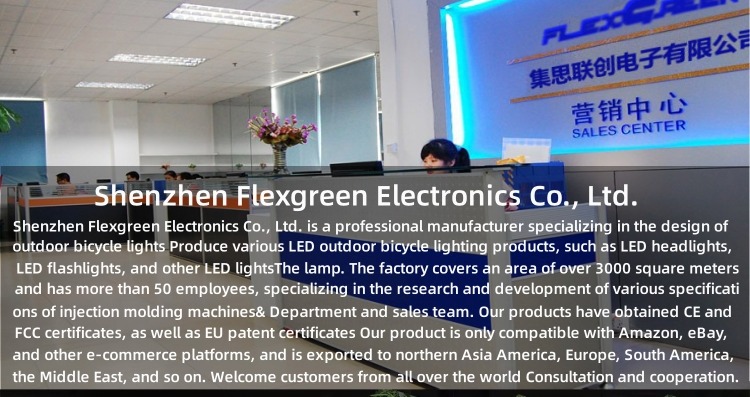
Shenzhen FEXA Technology Co., Ltd. — Your Dedicated Engineering Factory
Founded with engineering roots dating back to 2008, Shenzhen FEXA Technology Co., Ltd. has established itself as an authoritative custom manufacturer of professional LED bicycle illumination, tactical flashlights, high-performance headlamps, and intelligent PIR home lighting systems.
Our facility and production lines are verified onsite by Intertek, the global benchmark for factory auditing. Operating with an audited annual output value of $10M–$50M, our comprehensive manufacturing hub integrates in-house precision CNC machining, precision SMT pick-and-place lines, ultrasonic housing welding, and laser marking centers.
We offer European distributors, supermarket private labels, and Baltic brand owners true turnkey OEM/ODM services: from optical mold opening and PCB schematics to localized Lithuanian packaging, CE/RoHS compliance verification, and flexible LCL/FCL ocean freight handling.
15+
Years LED R&D Authority
2,582 m²
Intertek Verified Floor Area
99.74%
Prompt Response Rate
100%
CE, RoHS & FCC Certified
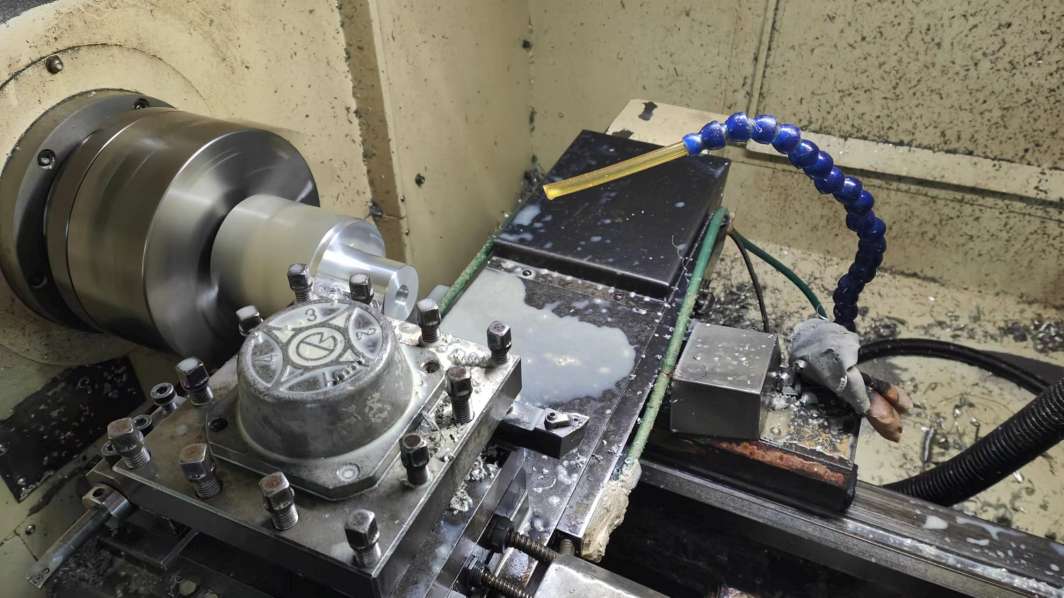
Precision CNC Machining
Aerospace-grade 6061-T6 aluminum housings turned in-house for superior heat sinking and marine durability.
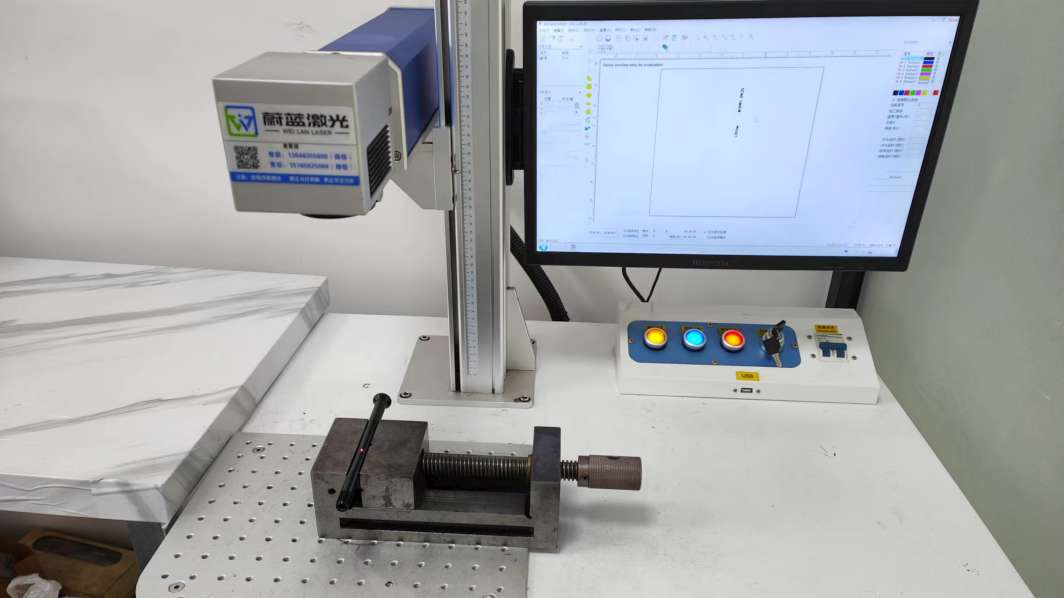
Laser Marking & Branding
Permanent fiber-optic laser engraving for brand logos, CE marks, and localized serial codes that resist salt abrasion.
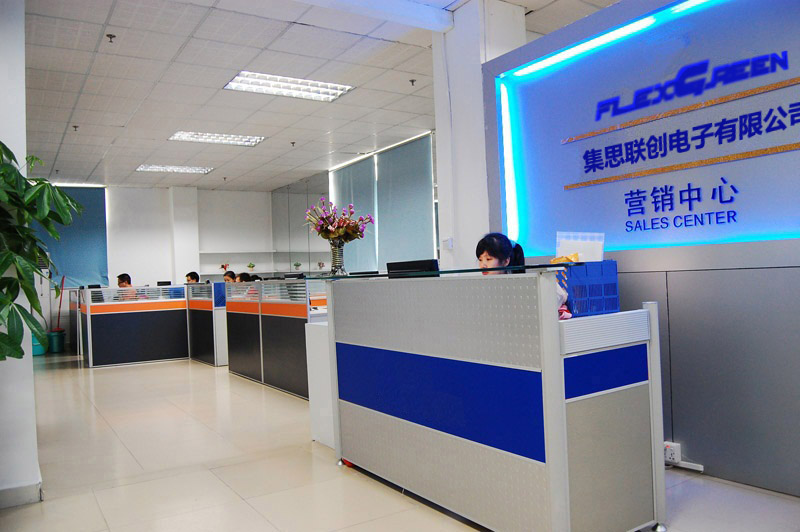
ESD-Safe SMT Assembly
Static-controlled assembly with 100% optical inspection and automated soldering for sensor reliability.
Retail & FBA Packaging
Multilingual packaging with Lithuanian/Baltic legal text, EAN-13 barcodes, and drop-test certified retail cartons.
B2B Procurement Intelligence
Frequently Asked Questions for Klaipėda Wholesalers & Buyers
Addressing import duties, CE compliance documentation, cold-chain battery freight, and minimum order requirements for Lithuanian commercial importers.
What is the typical shipping transit time from your factory to the Port of Klaipėda?
For ocean freight (FCL/LCL), direct maritime vessels departing Shenzhen/Yantian arrive at Klaipėda Seaport container terminals within approximately 32 to 38 calendar days. For urgent sample batches or seasonal inventory replenishment, we offer air-express via Vilnius Airport (VNO) or Palanga Airport (PLQ) taking 4 to 7 business days, as well as multimodal China-Europe rail freight arriving in 16 to 20 days.
Do your PIR night lights and bicycle lights comply with EU and Lithuanian electrical directives?
Yes. All exported models carry comprehensive CE declarations of conformity (covering the Low Voltage Directive 2014/35/EU and EMC Directive 2014/30/EU) and RoHS 2.0 certification (2011/65/EU and amendment 2015/863). Test reports from accredited third-party laboratories (including Intertek, SGS, and TÜV) are provided directly to facilitate smooth customs clearance through Lithuanian Customs (Lietuvos muitinė).
Can we order small trial batches or sample units before committing to full container loads?
Absolutely. We actively support Baltic distributors and regional retailers with low-MOQ trial orders. Standard factory units can be ordered in quantities as small as 50 to 100 pieces for local market testing in Klaipėda and surrounding regions. Custom laser-branded and retail-boxed OEM batches start at an accessible MOQ of 500 units.
How do you guarantee lithium battery safety during cold Baltic winter storage?
Our rechargeable models feature premium UN38.3, MSDS, and IEC 62133 certified lithium cells equipped with integrated Battery Management System (BMS) protection boards. These micro-controllers prevent over-charge, over-discharge, short-circuits, and thermal runaway. Low-temperature electrolyte formulations ensure reliable power delivery down to -20°C without critical voltage collapse.
Do you support customized packaging in Lithuanian language for DIY hardware chains?
Yes. We routinely manufacture private-label packaging configured to local retail specifications. Our in-house graphic team will apply your bespoke die-cuts, Lithuanian consumer legal warnings (Vartotojų teisių apsaugos įstatymas compliance), EAN-13 barcodes, and local recycling logos (Green Dot / Žaliasis taškas and WEEE crossed-out bin symbols).
What payment and Incoterms are accepted for Baltic business accounts?
We work with internationally recognized Incoterms including FOB Shenzhen, CIF Klaipėda, and DDP direct to your designated warehouse in Klaipėda, Kaunas, or Vilnius. Payment methods include standard Wire Transfer (T/T), Letter of Credit (L/C), PayPal, and Escrow, supporting invoicing in EUR or USD.
Connect Directly with Our Lighting Engineering Team
Whether you require a custom PIR sensor specification for Baltic commercial housing or wish to distribute our proven IP65 LED systems across Western Lithuania, our technical sales department provides quotation packages, test documentation, and sample arrangements within 24 hours.