Commercial & Architectural Portfolio
Engineered Optical Systems Ready for Oceanic Distribution
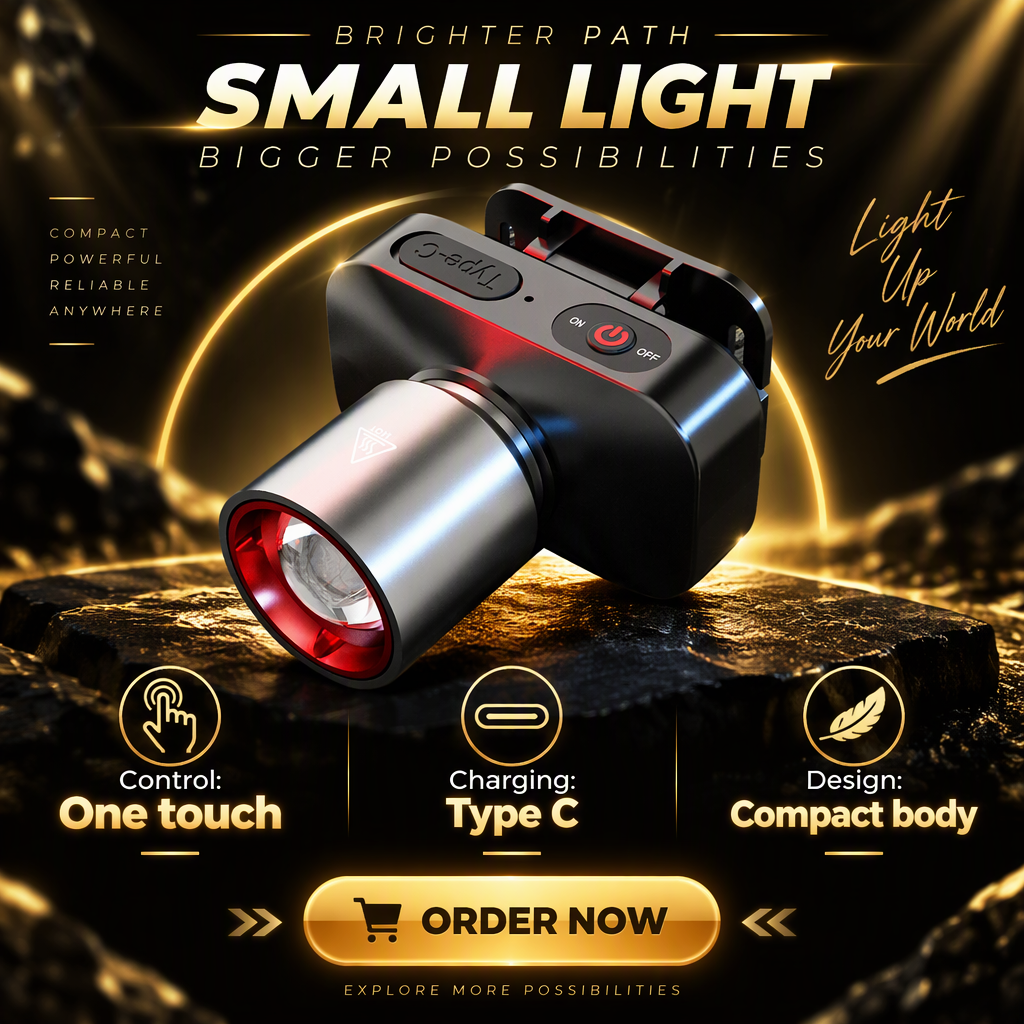
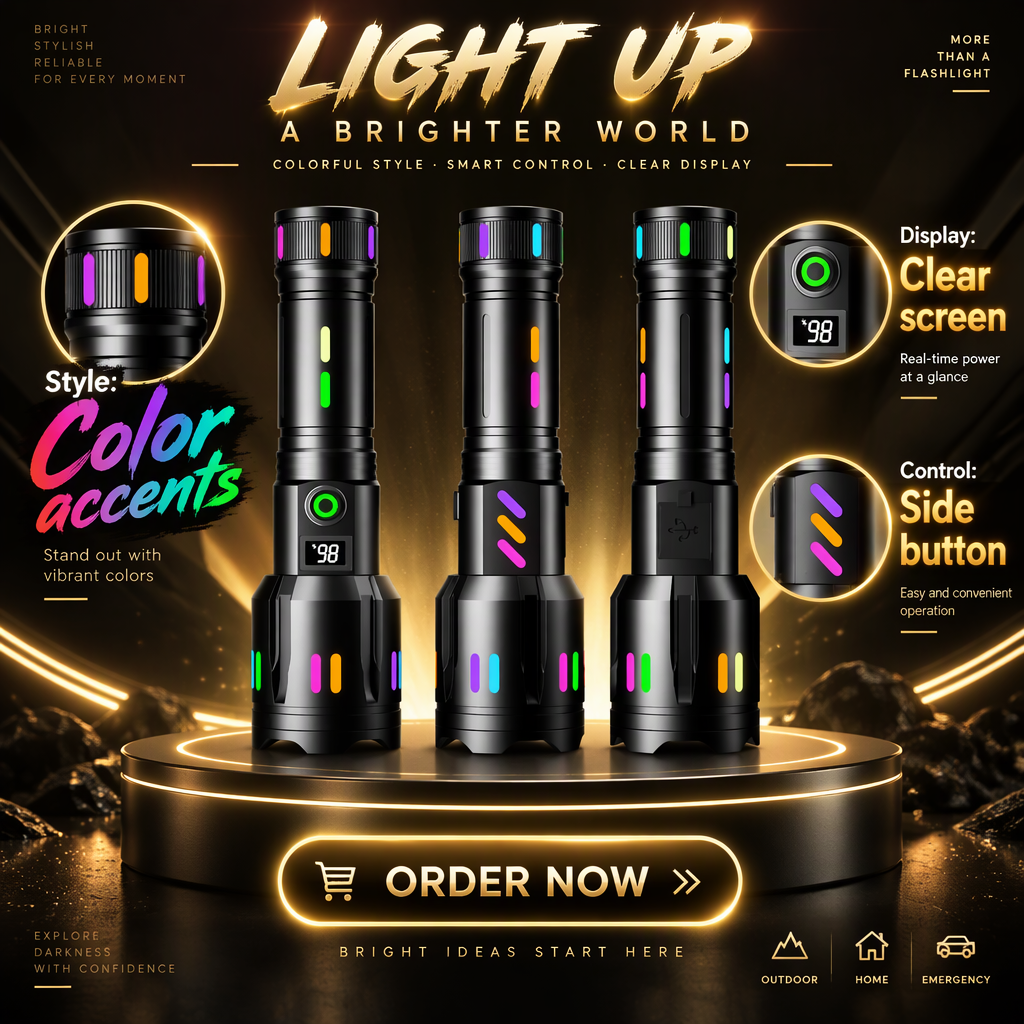
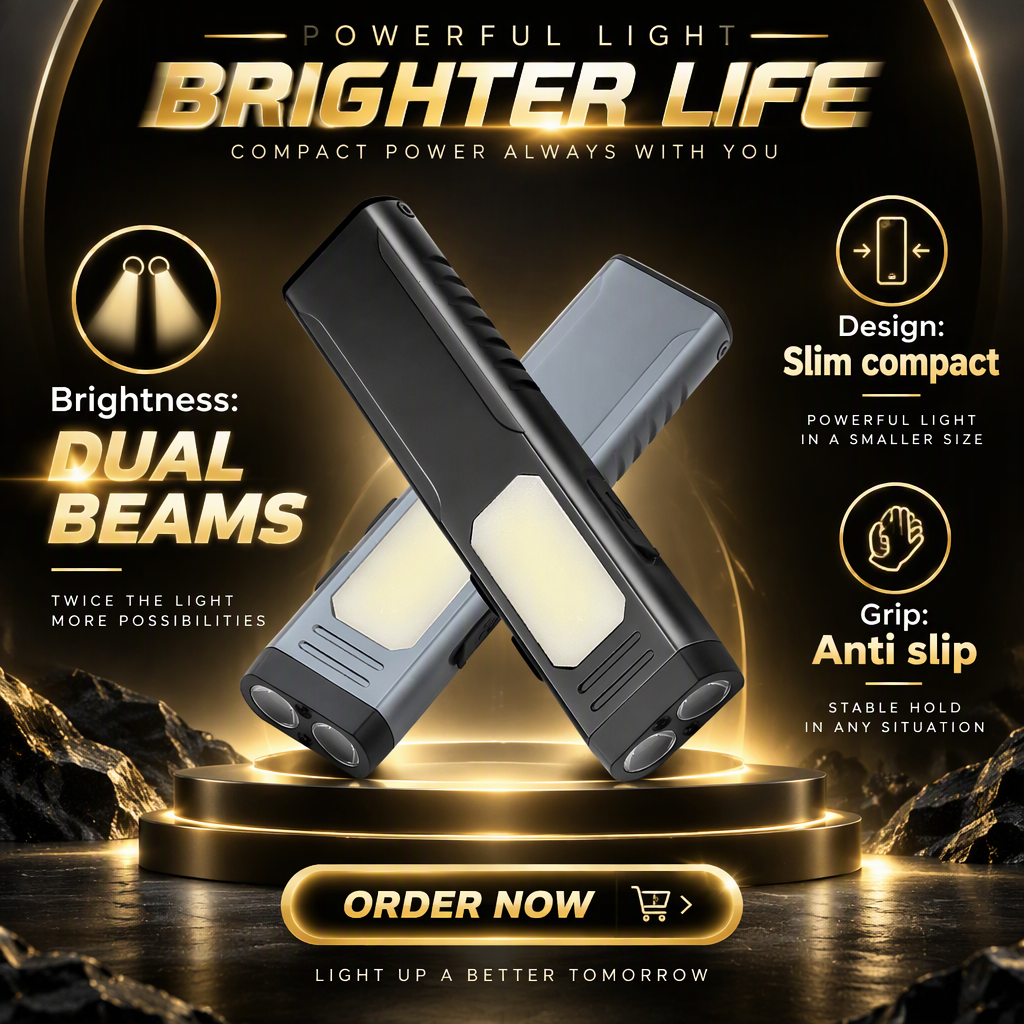
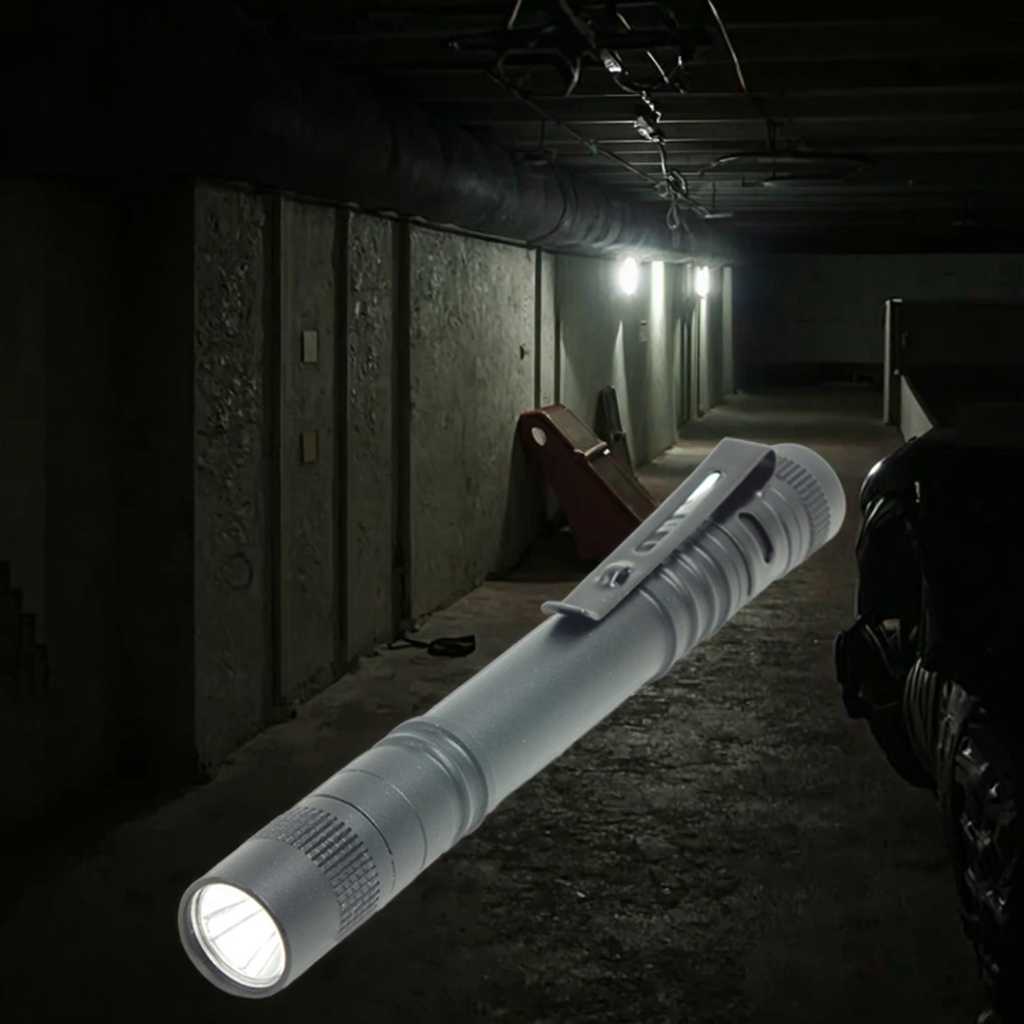
Direct factory configurations calibrated for Oceania's strict energy, electrical safety, and environmental profiles. Custom housings, tuned Fresnel arrays, and lithium secondary battery assemblies engineered to eliminate parasitic standby draw.
15+
Years Optoelectronic OEM/ODM R&D (Since 2008)
2,582m²
Intertek Onsite-Verified Manufacturing Facility
<15μA
Ultra-Low Quiescent Sensor Standby Consumption
100%
Oceania Batch Traceability & RCM/EMC Validation
Technical Architecture: Engineering PIR Sensors for Variable Victorian Climates
In commercial, residential, and healthcare procurement within the greater Melbourne metropolitan region and regional Victoria, standard off-the-shelf PIR (Passive Infrared) motion sensor night lights frequently fail prematurely due to thermal gradient interference and excessive atmospheric moisture cycling. Pyroelectric sensors detect changes in thermal equilibrium caused by the differential between ambient room temperatures and human infrared emissivity (~9.4 microns). In Melbourne's notorious "four seasons in one day" climate, unconditioned spaces such as residential hallways, sub-floor stairwells, and industrial loading transitions experience sudden temperature shifts of up to 12°C within a single hour. Standard single-element pyroelectric detectors experience catastrophic false-triggering or thermal saturation under these circumstances.
Our manufacturing engineering addresses this ambient vulnerability through dual-element balanced pyroelectric differential detectors coupled with high-density, multi-zone micro-Fresnel lenses. By dividing the field of view into overlapping detection cones and feeding the differential current into a dedicated digital signal processor (DSP) equipped with dynamic baseline temperature compensation, our fixtures ignore broad ambient convection shifts while remaining hypersensitive to localized radial motion. Furthermore, our Printed Circuit Board Assemblies (PCBAs) undergo automated automated conformal coating to mitigate condensation corrosion caused by nocturnal humidity drops along coastal areas like Port Phillip Bay and Mornington Peninsula.
Energy efficiency benchmarks established under the Victorian Energy Upgrades (VEU) program demand zero energy waste. Traditional resistive capacitive dropper power circuits waste up to 70% of operational energy as ambient heat. Our Melbourne-destined sensor luminaires leverage high-efficiency buck-converter switch-mode topologies combined with deep-sleep operational ICs that drive quiescent standby current down to <15 microamperes (μA). When paired with high-CRI (Ra > 85) surface-mount diode (SMD) arrays running at a warm 2700K to 3000K, our luminaires satisfy both strict photobiological circadian rhythm protection protocols and international optical efficiency benchmarks.
Localized Implementation
Urban, Coastal, & Aged-Care Deployment Vectors
Engineered around Australian building regulations (NCC/BCA), disability fall-prevention initiatives, and multi-residential architectural realities across metropolitan Melbourne.
Victorian Heritage Home Retrofits
Properties in suburbs such as Carlton, Fitzroy, and Hawthorn feature double-brick or plasterboard construction where chasing high-voltage conduits is prohibited or cost-prohibitive. Our wireless, high-capacity magnetic-docking PIR night lights offer non-invasive architectural illumination without structural alteration.
NDIS & Aged Care Fall Mitigation
Compliant with National Disability Insurance Scheme (NDIS) fall-prevention spatial criteria, our luminaires incorporate calibrated 120-degree cone detection at skirting level. The fixtures provide immediate, glare-free indirect ground guidance (3000K) to preserve nocturnal dark adaptation for elderly residents.
High-Density Apartment Corridors
For build-to-rent and private high-rises throughout Southbank, Docklands, and the Melbourne CBD. Integrating secondary dusk-to-dawn ambient photocells ensures zero battery drain during daylight hours, extending autonomous duty cycles past 180 days on standard USB-C secondary lithium charges.
Market Dynamics & Regulatory Trends in the Oceanic Supply Chain
B2B electrical wholesalers, lighting specifiers, and hardware chains operating across Victoria are witnessing a definitive transition away from cheap disposable cell models toward circular, high-retention luminaires. Three critical trends define procurement in this market:
AS/NZS 60598 Compliance
Importers are actively rejecting generic luminaires lacking thermal stability certificates. Strict regulatory adherence to Australian electrical safety benchmarks, including RCM marks and independent electromagnetic compatibility (EMC) testing, is mandatory for commercial clearance.
Lithium Safety & Circularity
With the phasing out of single-use alkaline cells under environmental initiatives, commercial buyers specify UN38.3 verified rechargeable lithium chemistries integrated with battery management systems (BMS) offering short-circuit, overcharge, and thermal runaway cut-offs.
Circadian Photobiology
The shift away from harsh 6000K blue-heavy illumination toward low-melatonin-suppressing 2700K optical diffusers. Modern Victorian multi-family specifications require soft indirect illumination to minimize sleep disruption while maintaining clear obstacle identification.
Factory Verifiable Authority
Verified OEM/ODM Manufacturing Infrastructure
Shenzhen FEXA Technology Co., Ltd. combines fifteen years of precision optoelectronic manufacturing with independent Intertek onsite validation to guarantee enterprise-grade export standards.
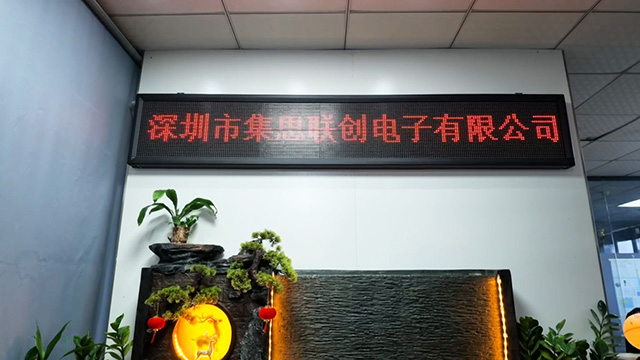
Third-Party Inspected Production
Our comprehensive 2,582 m² workshop and production facilities are audited and verified onsite by Intertek. Comprehensive factory audit videos and verification reports are readily accessible to purchasing departments.
In-House Precision CNC & Tooling
From thermal-dispersive 6063 aviation aluminum extrusions to custom optical Fresnel molds, our in-house CNC centers ensure rigorous dimensional tolerance and rapid prototype sampling cycles.
Turnkey OEM/ODM Private Labeling
High-precision fiber laser etching, bespoke retail packaging, custom sensor timing firmware, and automated carton barcode labeling pre-configured for direct delivery to Australian distribution centers.
Stringent Multi-Tier Quality Control
Every manufacturing batch undergoes 100% incoming LED binning, high-temperature environmental burn-in, drop impact validation, and automated optical flux measurement prior to container sealing.
B2B Procurement Intelligence
Frequently Asked Questions by Melbourne & Australian Importers
Clear, direct answers regarding certifications, container logistics, customization thresholds, and payment protocols.
Are your PIR motion sensor night lights compliant with Australian RCM and EMC standards?
Yes. While low-voltage, DC-powered rechargeable luminaires fall under non-prescribed electrical equipment categories, all electronic assemblies are designed and independently tested to comply with AS/NZS CISPR 15 emissions limits and carry CE, FCC, and RoHS certifications. Full electromagnetic compatibility documentation and material safety declarations are provided with quotations.
What are your typical OEM/ODM production lead times for ocean delivery to the Port of Melbourne?
Standard prototype and pre-production engineering samples are dispatched via express air freight within 5 to 7 working days. Following sign-off on the golden sample, volume manufacturing runs typically require 20 to 28 days. Ocean transit from Shenzhen (Yantian/Shekou) directly to the Port of Melbourne generally averages 14 to 18 days, enabling predictable 45-day inventory pipeline cycles.
Can we customize optical sensor parameters (lux trigger threshold, sensor duration, detection angle)?
Absolutely. Our engineering team routinely alters microcontroller firmware to tailor delay intervals (e.g., standard 20 seconds vs. extended 60 seconds for aged-care corridors), ambient lux thresholds (triggering only below 5 lux vs. 15 lux), and lens shielding to restrict detection fields away from floor-level domestic pets.
What Minimum Order Quantities (MOQs) apply for custom branding and retail packaging?
We welcome low-MOQ trial orders starting from 200 to 500 units utilizing precision laser marking on existing housing tooling. Full custom retail packaging, custom colored polycarbonate injection moldings, or bespoke blister packaging can be fully supported at 1,000 units, allowing brands to test market demand with minimal capital exposure.
What commercial trade, delivery, and payment terms do you support for Australian businesses?
We accept T/T, L/C at sight, PayPal, Western Union, and Escrow. Multi-currency settlements are fully supported in AUD, USD, and EUR. Delivery terms include standard FOB Shenzhen, CIF Port of Melbourne, EXW factory gate, and complete DDP (Delivered Duty Paid) arrangements directly to your domestic warehousing or third-party fulfillment center.
Initiate Your Oceanic Lighting Supply Specification
Connect directly with our senior optoelectronic engineering team to review technical drawings, request accredited photometric data sheets, and arrange custom prototype samples.
Get a Quote