Whitepaper & Strategic Procurement Guide

OEM/ODM Bike Light Holder Manufacturers & Manufacturer for Wellington

Precision-engineered, vibration-isolated optical brackets and illumination systems built for harsh maritime winds, technical singletrack, and high-density urban cycling fleets.

15+ Yrs
Optical R&D (Est. 2008)
2,582m²
Intertek-Audited Facility
IP65/IP68
Salt-Fog & Water Ingress Sealed
403+
Recent Global Shipments
Factory Lineup

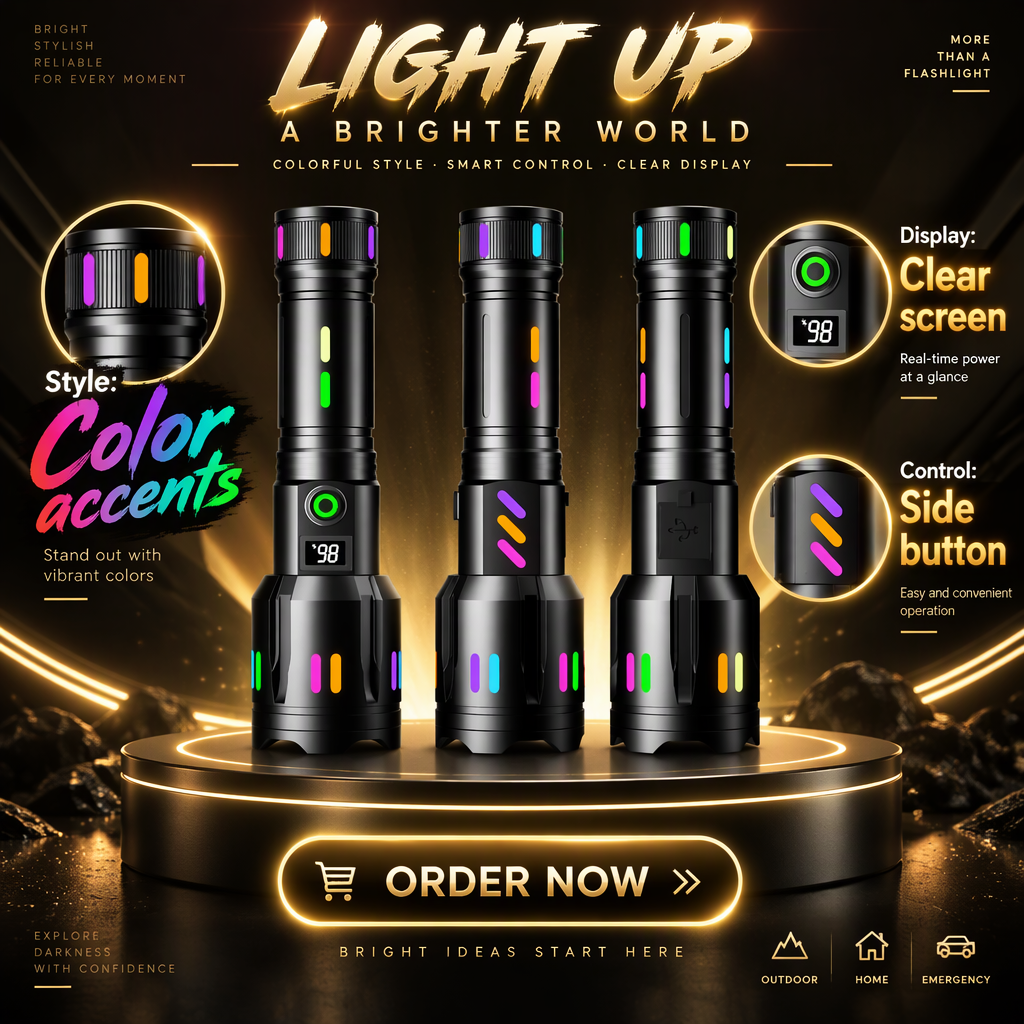
Engineered Optical Systems & Lighting Hardware

Explore high-performance lighting systems, multi-point mounting platforms, and integrated tactical hardware engineered for turnkey OEM customisation and rapid private labeling.

1. Structural Dynamics & Clamping Geometries for Wellington's Topography

Procuring cycling components for the Wellington market requires addressing mechanical challenges rarely seen in standard urban environments. Known colloquially as the "Windy City," Wellington generates consistent gale-force wind vectors across Cook Strait, creating severe cross-cockpit yaw moments. When a cyclist navigates the steep coastal escarpments from Oriental Bay around to Miramar Peninsula, aerodynamic drag acts as a continuous lateral lever on bicycle-mounted electronics.

Standard nylon injection-molded light holders frequently fail under these conditions. The micro-flexing inherent in generic bracket designs causes beam wander, distracting the rider and fatiguing the polymer hinges until brittle fracture occurs. For OEM and ODM brand owners supplying local bike shops (LBS) along Cuba Street, Thorndon, and the Hutt Valley, our engineering focuses on high-shear-modulus materials:

  • 6061-T6 Aircraft-Grade Extruded Aluminum: CNC-machined clamps with hard anodized finishing (Type III) that resist atmospheric salt fog corrosion blown in from the harbour.
  • Fibre-Reinforced Polyamide (PA66-GF30): For composite clamps, we utilize 30% short glass-fibre reinforcement, maintaining tensile modulus and impact absorption across sudden temperature drops down to 2°C in wet mid-winter conditions.
  • Dual-Axis Micro-Adjustment Pivot: Clamping architectures featuring knurled anti-slip teeth and low-profile hex retention bolts (grade 304 or 316 stainless steel) to prevent slippage on 31.8mm and 35mm MTB handlebars under continuous drop vibrations.

2. Localised Application Scenarios Across Wellington's Trail & Commute Corridors

Wellington features a uniquely condensed urban layout where riders frequently transition from dense concrete corridors to raw native bush within minutes. Sourcing modular bike light holders and brackets requires hardware capable of handling diverse use cases:

  • The Severe Urban-Coastal Commuter (Petone to Wellington CBD via Hutt Road Path): This exposed, two-way cycleway is subjected to heavy salt spray, wet asphalt reflection, and high-velocity wind buffeting. Light holders must incorporate vibration-dampening EPDM elastomeric shims to isolate sensitive front-light PCBs from rough aggregate road chatter while preventing clamp marring on carbon fiber handlebars.
  • Aggressive Singletrack & Enduro (Makara Peak & Mount Victoria Trail Network): Wellington is internationally renowned for technical trails containing wet roots, sharp shale rock gardens, and steep descents. Singletrack riders require secure quarter-turn locking interfaces (compatible with Garmin/GoPro configurations) that maintain optical trajectory across 1.5-meter vertical drops without rotational drift.
  • Off-Grid Gravel Escapes (Rimutaka / Remutaka Cycle Trail & South Coast): Long-distance bikepackers tackling the unlit railway tunnels and loose scree coastlines require dual-mount capability—holding a 2,000-lumen illumination headlight alongside a GPS unit or sports camera on an integrated out-front cock-pit bracket.

3. Regional Market Trends: The Wellington E-Bike & Fleet Electrification Wave

Greater Wellington Regional Council (GWRC) and Wellington City Council continue to heavily invest in cycling infrastructure, such as the Golden Mile enhancements and Te Ara Tuaono. Due to the city's punishing gradient profile—climbing from sea level to suburbs like Brooklyn, Karori, and Kelburn—Wellington has experienced an unprecedented explosion in commuter electric bikes and longtail cargo bikes.

This demographic shift dictates new technical requirements for OEM bike light holder manufacturing:

  • Direct Integration with E-Bike Headtubes & Fork Crowns: Demand has moved away from elastic bands toward rigid, bolt-on brackets fastened to the fork arch or stem faceplate bolts (M5 threading, 50-70mm spacing), keeping handlebars clear for e-bike digital displays and cargo racks.
  • High-Lumen Heat Dissipation Integration: Modern lights running at 1,500 to 2,000 lumens generate substantial thermal output. Our precision-machined aluminum holders double as auxiliary thermal bridges, drawing heat away from compact light housings into ambient airflow.
  • Anti-Theft Quick-Release Hardware: Commuters parking near railway stations or Victoria University require secure, one-click release mechanisms that allow lights to be detached quickly while leaving the primary clamp fastened to the bar.
Material & Mechanical Blueprint

Specification Matrix for Regional Procurement

Detailed performance benchmarks evaluating mounting system configurations against Wellington's demanding microclimate and trail stress profiles.

Holder Architecture Primary Material Corrosion Resistance Recommended Use Case Vibration Retention Index
Out-Front Dual Mount CNC AL6061-T6 CNC Anodized Marine Grade (300h Salt Spray) Gravel, Rimutaka Trails, E-MTB Cockpits 99.4% (Locking Hex System)
Quick-Release Strap Mount Silicone / Polycarbonate Composite Impervious to UV & Ocean Spray Aero Seatpost Taillights & City Commute 94.2% (Grooved Inner Ribs)
Heavy-Duty Stem Faceplate Bracket AL7075 Forged Alloy Type III Hard Anodize Enduro (Makara Peak), High-Speed E-Bikes 99.9% (Direct Bolt Torqued)
Universal Fork Crown Holder Electro-Coated 304 Stainless / Aluminum High Resistance to Road Salt/Grit Cargo Bikes, Utility Commuters, Tourers 98.7% (Nyloc Nut Retention)
Engineering Authority

Shenzhen FEXA Technology: Turnkey OEM/ODM Competence

Bridging cutting-edge manufacturing in Shenzhen with local retail and distribution requirements in New Zealand and Australasia since 2008.

In-House CNC Tooling & Prototyping

Equipped with modern CNC machining centers, our factory cuts aluminum extruded bodies and custom mounting brackets with tolerances within ±0.02mm, ensuring consistent clamping diameters and eliminating frame scarring.

Intertek Onsite-Audited Facility

Our 2,582 m² factory floor, production workflows, and laboratory testing benchmarks are verified onsite by Intertek. Buyers can access full compliance reports, eliminating intermediary uncertainty.

Laser Engraving & Private Label

Permanent, high-contrast fiber laser engraving ensures brand logos withstand extreme moisture, road salt, and UV exposure. No paper labels or decals that degrade in the rain.

Flexible Low-MOQ Sampling

We respect the nuanced inventory cycles of Australasian distributors. We facilitate fast-turnaround golden samples and low-MOQ pilot batches to validate cockpit ergonomics prior to full manufacturing runs.

Packaging & Multimodal Freight Ready

From sustainable FSC-certified cardboard retail packaging for domestic brick-and-mortar storefronts to barcode-labeled cartons for fast Auckland/Wellington customs clearance, we handle comprehensive freight requirements.

Procurement Directives

Frequently Asked Questions by Wellington Buyers

Addressing the practical, engineering, and compliance questions faced by New Zealand brand managers and cycling accessories buyers.

How do your mounting brackets perform against Wellington's coastal salt spray?

All aluminum alloy holders undergo electrochemical hard-anodizing (20–25µm coating thickness) validated through extensive salt spray testing (ASTM B117 standards). Fasteners are exclusively sourced in grade 304 or 316 stainless steel to eliminate electrolytic corrosion when mounted on steel or titanium frames in maritime air.

Can your factory develop custom adapter plates for specific handlebar diameters common in NZ?

Yes. We support custom tooling for classic 25.4mm bars, modern 31.8mm road/gravel standards, 35mm downhill/trail cockpits, and aero profiled carbon bars. We injection-mold bespoke thermoplastic polyurethane (TPU) and high-grade EPDM shims to ensure secure, non-slip fitment across all bar diameters.

What is the typical tooling and sample lead time for custom ODM bracket designs?

For modifications to existing CNC tooling, functional prototypes can be produced and laser-marked in 7 to 10 working days. For complete ground-up custom plastic injection tooling, mold design and T1 engineering sample production typically take between 25 and 35 calendar days.

Do your lighting brackets comply with New Zealand transport regulations (Waka Kotahi)?

Yes. Under Land Transport Rule: Vehicle Lighting 2004, cycle front lights must be visible from a distance of at least 200 meters, mounted securely without risk of sudden misalignment. Our rigid clamp systems ensure beam angles remain locked on the road ahead without blinding oncoming traffic, matching Waka Kotahi safety recommendations.

What payment mechanisms and trade terms are supported for New Zealand shipments?

We support standard international trading terms including FOB Shenzhen, CIF Wellington / Auckland Ports, and DDP via international air express for urgent inventory restocks. Payment structures include secure T/T, L/C, and flexible digital escrow platforms, accommodating major international currencies.

Ready to Build Your Custom Bike Light & Bracket Range?

Partner directly with Shenzhen FEXA Technology Co., Ltd. for engineering expertise, rapid sample delivery, and competitive OEM/ODM manufacturing.

Send Inquiry