COB Magnetic
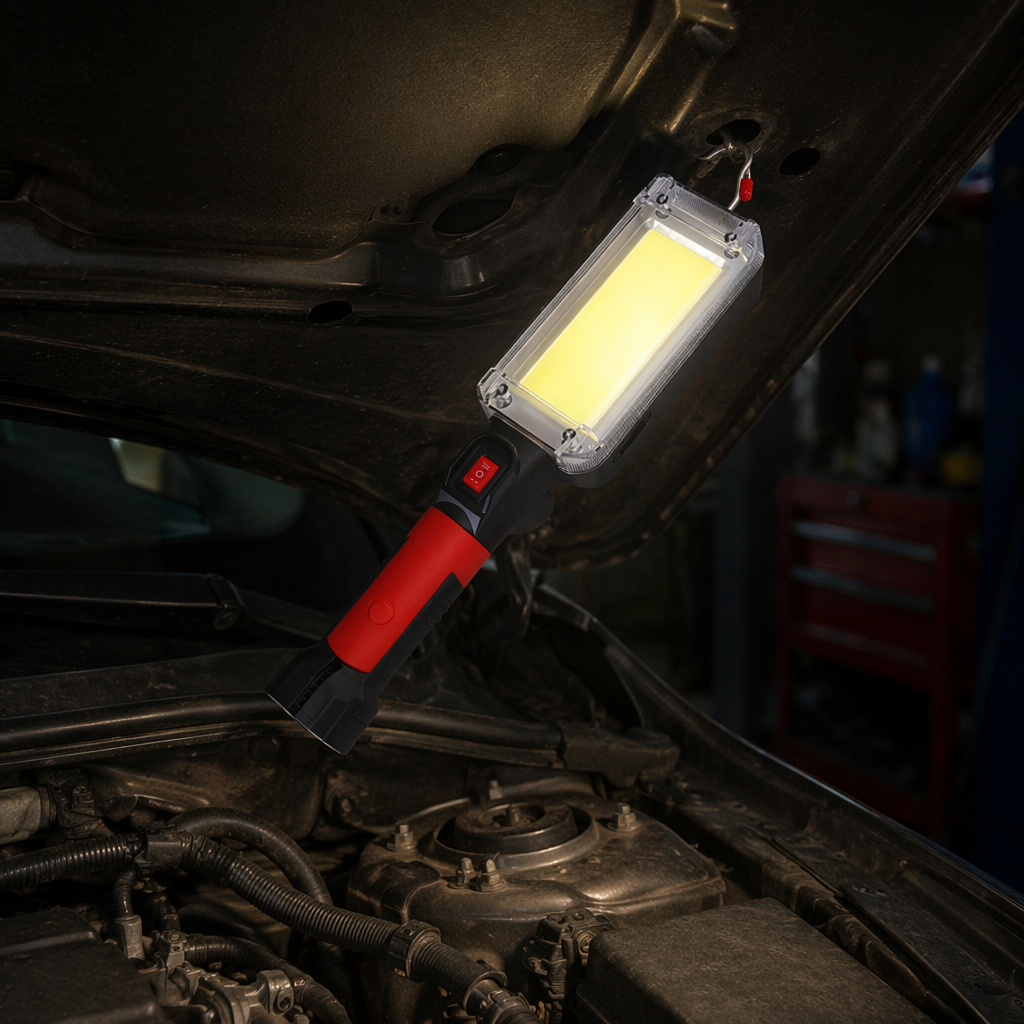
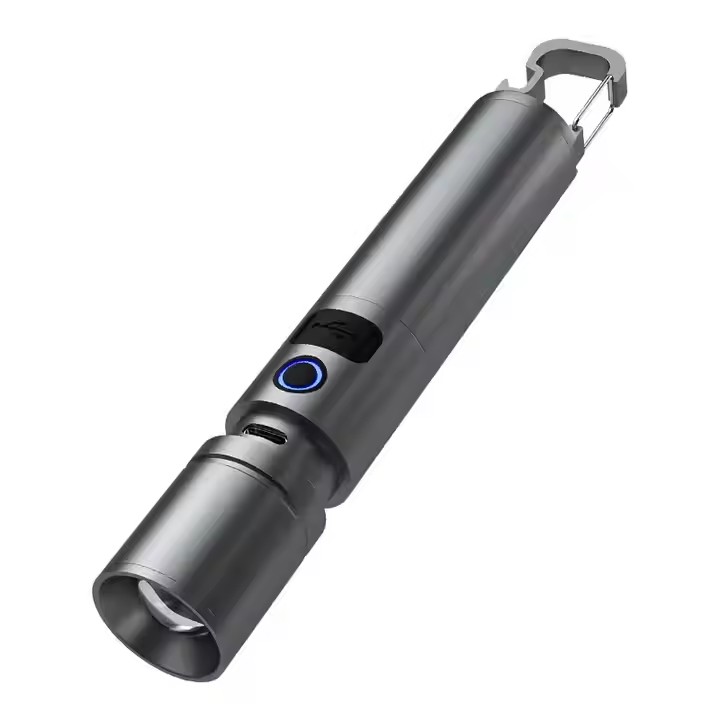
Magnetic LED Flashlight USB Rechargeable 5 Modes IP65
700 Lumens
IP65 Sealed
Dimmable COB
Hanging Hook
Direct-from-factory procurement for institutional suppliers, marine contractors, mining sectors, and regional distributors in Yaren, Boe, Aiwo, and Anabar.
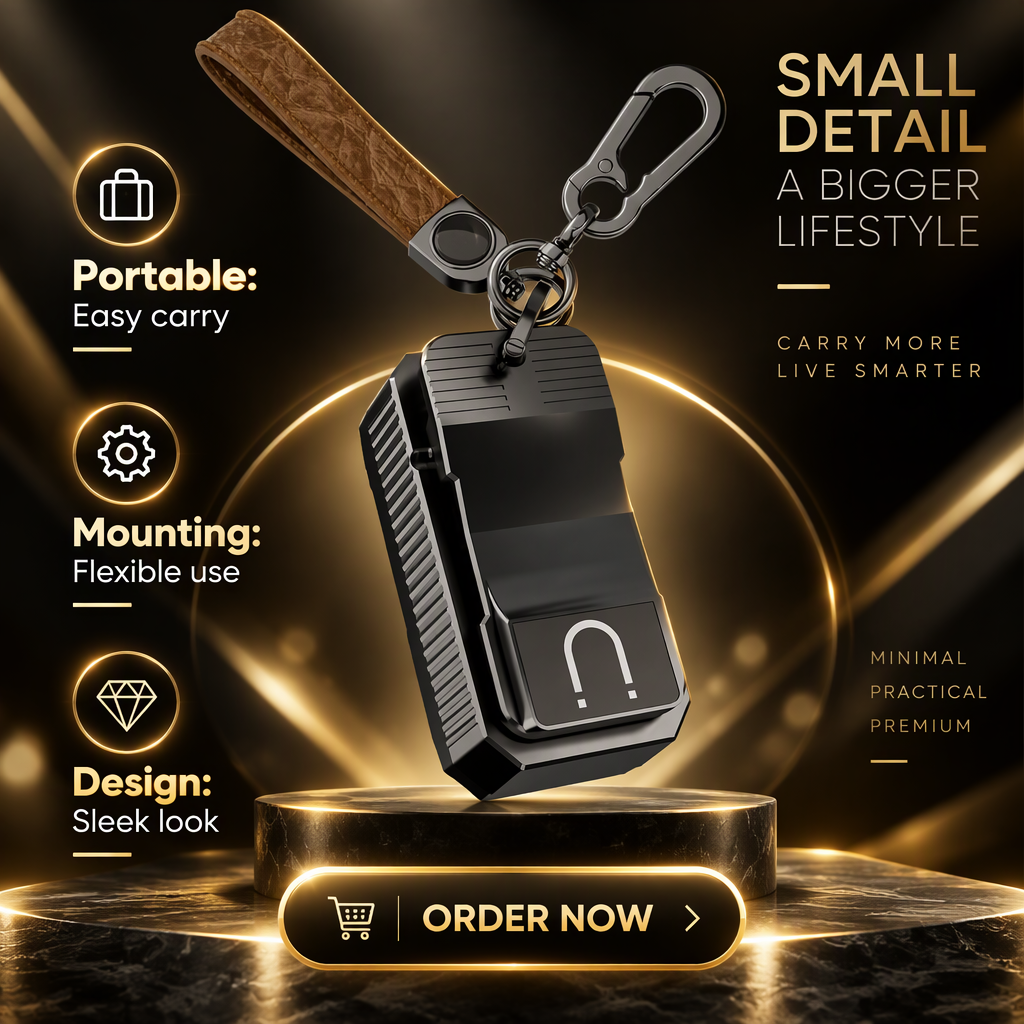
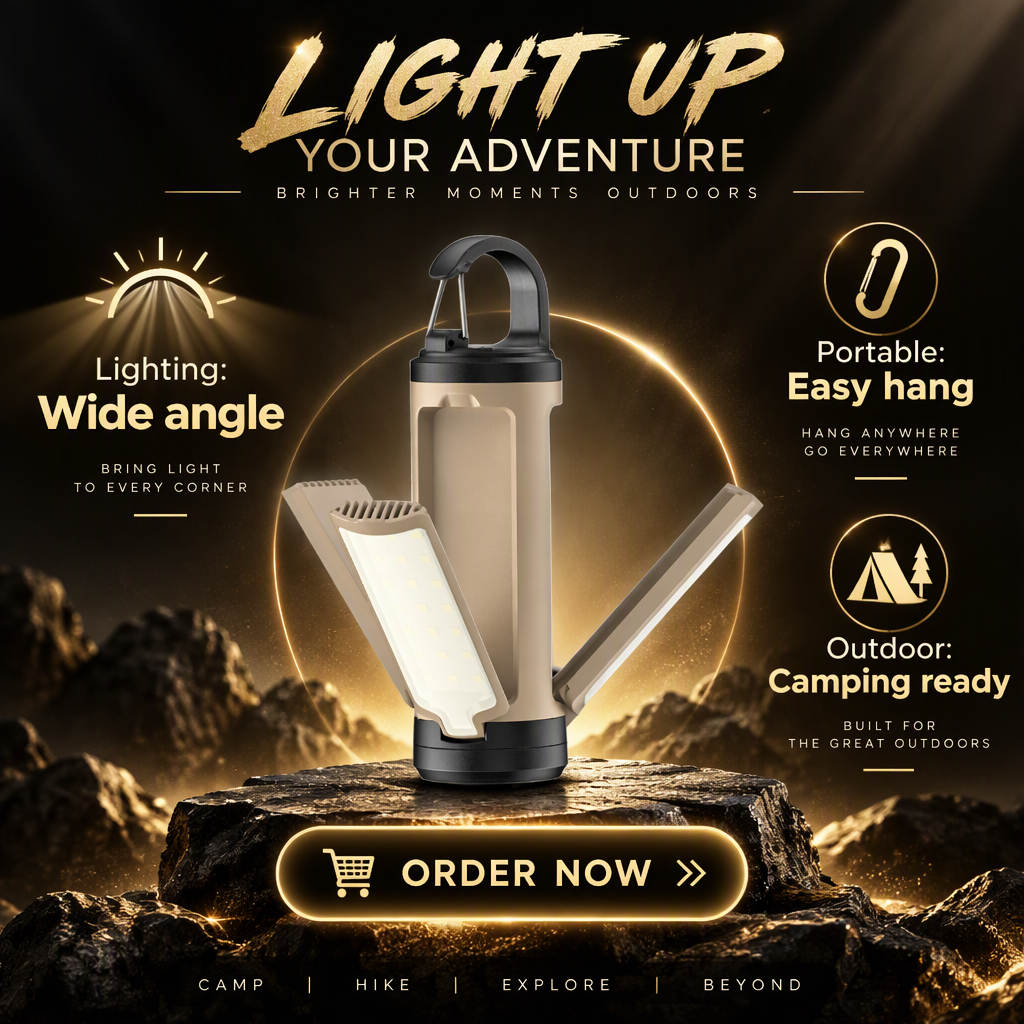
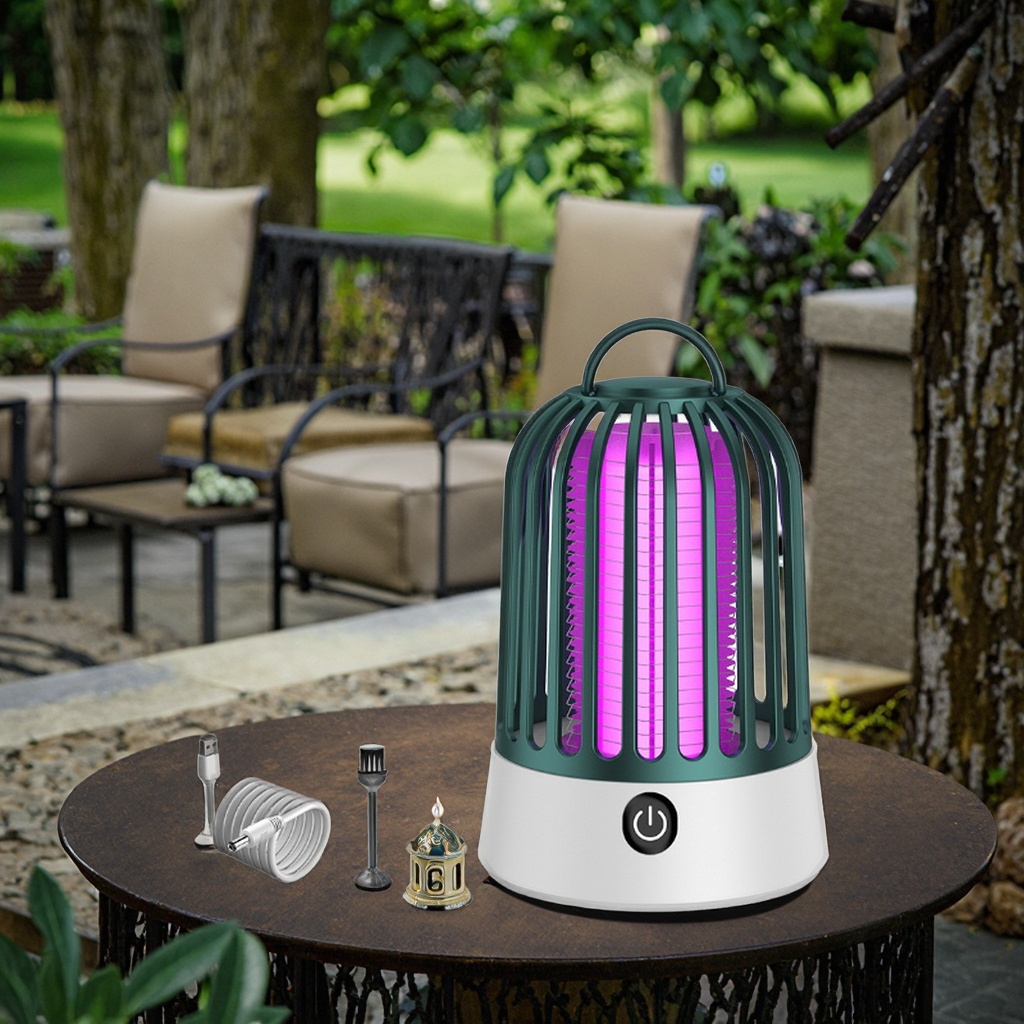
Operating portable illumination equipment in the Republic of Nauru poses singular microclimatic challenges seldom matched in mainland supply chains. Located at latitude 0°32′S, Nauru experiences sustained equatorial thermal loading, intense solar UV exposure, and ambient relative humidity frequently exceeding 85%. Because the island spans a compact landmass of roughly 21 square kilometers encircled by the open Pacific Ocean, airborne marine aerosols laden with sodium chloride continuously impinge upon mechanical seals, switch contacts, and optical lenses.
Mainstream consumer-grade keychain flashlights manufactured with non-anodized zinc casings or rudimentary rubber push-buttons experience galvanic corrosion, rubber embrittlement, and terminal switch failure within months of introduction to the Nauruan coastal atmosphere. Furthermore, residual phosphate dust from inland mining tracks creates micron-scale abrasive contamination that compromises rotating bezels and exposed micro-USB ports.
Shenzhen FEXA Technology Co., Ltd. addresses these specific failure modes through material-level adaptations. Our micro EDC and keychain flashlight architectures incorporate MIL-A-8625 Type III Hard Anodized 6061-T6 Aerospace Aluminum alongside UV-stabilized ABS polymers. Each unit utilizes sealed silicone internal gaskets and integrated Type-C charging ports engineered with internal epoxy waterproofing, preventing seawater intrusion even if the exterior rubber protective flap is momentarily displaced.
From subsistence reef foraging during low tide to nighttime logistical handling at Aiwo Boat Harbour, precision micro-illumination serves diverse commercial, industrial, and community sectors.
Nighttime reef flat foraging and offshore skiff launching at Anibare Bay demand ultra-compact secondary lights that withstand immersion in saltwater. Keychain flashlights with auxiliary red-light modes preserve dark adaptation while searching for spiny lobsters and reef fish without scaring marine fauna.
Rehabilitation projects across Topside require technicians and mechanics to conduct non-destructive inspections inside heavy dragline cabs and crushing hoppers. A magnetic-tail keychain light adheres instantaneously to steel chassis, leaving both hands free for high-voltage and hydraulic servicing.
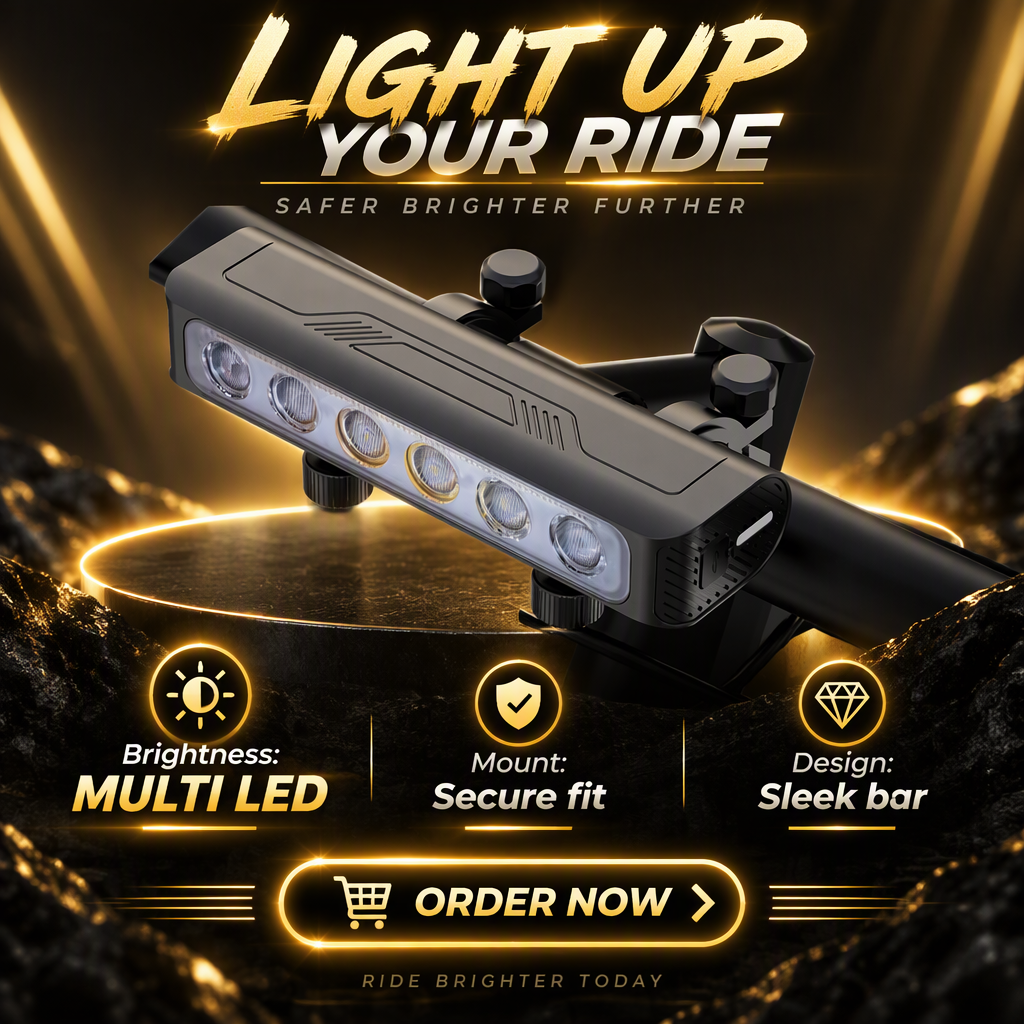
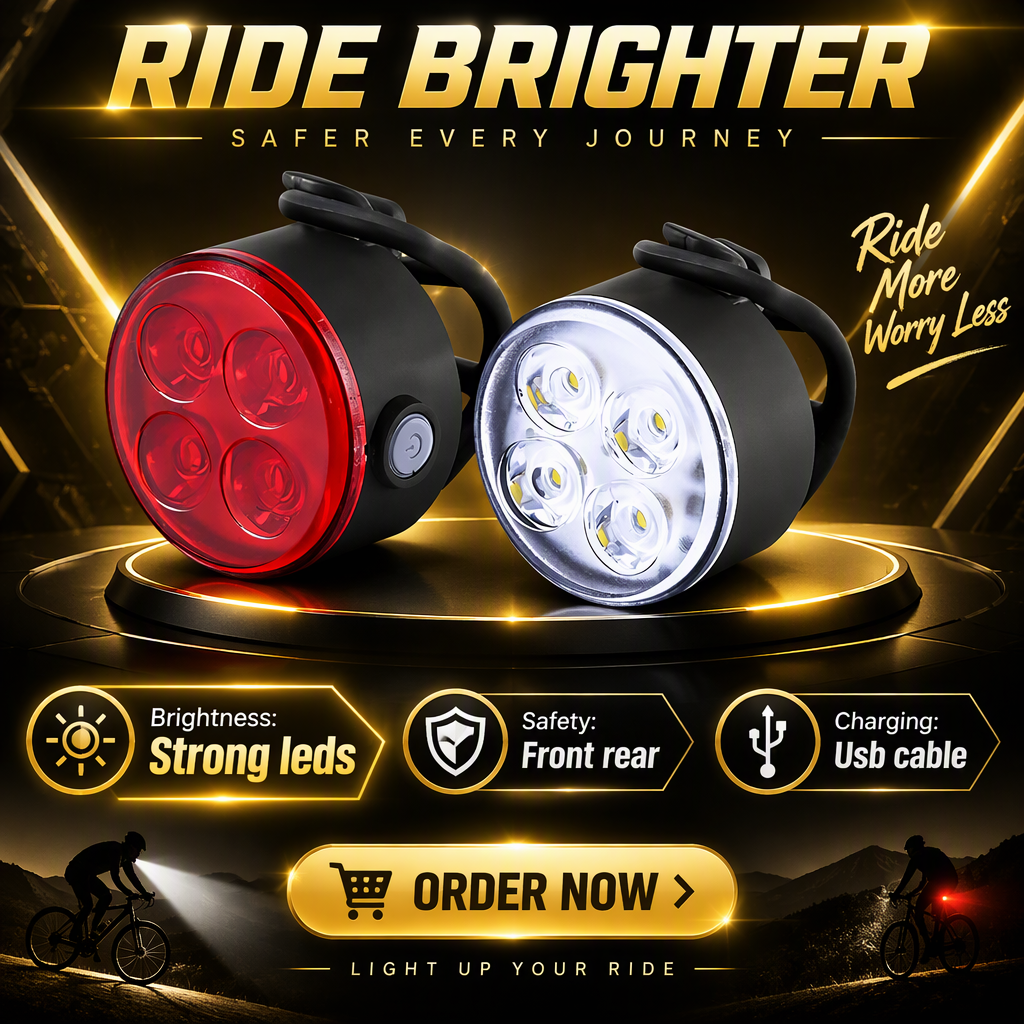
Nauru's 19-kilometer paved perimeter highway connects residential settlements such as Denigomodu and Meneng. Because peripheral streetlights can experience localized power disruptions, high-lumen keychain torches and handlebar lights ensure immediate active visibility against vehicle traffic.
At Nauru International Airport ramp facilities and container yards, security officers carry lightweight, high-candela white laser EDC torches capable of cutting through equatorial tropical downpours to signal vessels, verify customs cargo seals, and coordinate perimeter defense.
Strategic shift from disposable battery dependency toward unified USB-C ecosystems, consolidated sea freight, and sustainable solid-state lighting architectures.
Historically, Pacific Island nations have contended with severe environmental burdens linked to single-use dry-cell batteries. In an isolated landmass like Nauru without municipal recycling smelters, millions of spent alkaline and zinc-carbon cells accumulate in local landfills, creating leaching risks into subterranean coral aquifers.
Consequently, institutional buyers, community cooperatives, and regional import merchants are enacting strict purchasing criteria favoring Type-C direct-rechargeable lithium systems. Modern keychain flashlights incorporating high-density pouch lithium-polymer cells or replaceable 10440/16340 rechargeable cells deliver hundreds of charge cycles, decoupling islanders from expensive air-freighted disposable dry cells while lowering lifetime cost-of-ownership by over 74%.
The logistics corridor between South China and Nauru relies predominantly on transshipment feeder vessels routing through hubs like Suva, Brisbane, or Port Moresby. Because individual commercial importers on Nauru cannot absorb full container loads (FCL) of a single flashlight SKU, factory-level adaptability is vital.
Shenzhen FEXA Technology supports regional Pacific trading houses through consolidated multi-product packing. Within a single master consignment, buyers can integrate 500 keychain flashlights, 200 high-power COB headlamps, 150 bike lights, and mosquito elimination gear under unified master export documentation, fully certified under UN38.3 maritime dangerous goods regulations.
Objective metric analysis comparing consumer-tier flashlights against FEXA marine-spec solid-state illumination hardware.
| Specification Parameter | Generic Mainland Export Grade | FEXA Marine/Mining Spec (Pacific Series) | Performance Implication for Nauru |
|---|---|---|---|
| Structural Chassis | Die-cast zinc or thin recycled ABS | CNC 6061-T6 Aluminum w/ Hard Anodizing Type III | Prevents galvanic pitting from saline trade winds; impact proof on coral rock. |
| Optical System | Standard acrylic TIR lens without coating | Scratch-resistant polycarbonate with anti-reflective AR coat | Resists micro-abrasion from airborne phosphate dust and silica sands. |
| Ingress Protection | IPX3 to IPX4 (Splash proof) | Certified IP65 to IP68 (Pressure submersible) | Survives tropical cloudbursts, reef immersion, and high humidity condensation. |
| Charging Port Architecture | Exposed Micro-USB or unsealed Type-C | Internal Epoxy-Potted Type-C with dual silicone plugs | Zero port short-circuiting even if wet salt spray contacts the socket. |
| Switch Mechanism | Carbon-film tact switch (5,000 cycles) | Gold-plated sealed metal dome (50,000+ actuations) | Guarantees crisp tactile response without salt-crust seizing. |
| Corrosion Resistance | Fails ASTM B117 salt fog under 24 hours | Exceeds 96 hours continuous neutral salt spray (NSS) | Ensures multi-year field operational lifespan in coastal settlements. |
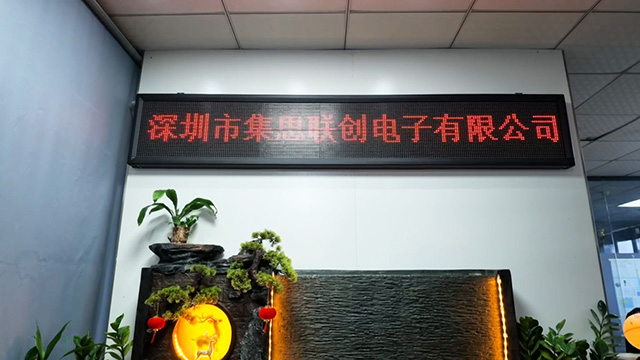
Founded in 2008 and legally structured in 2012, FEXA operates an advanced 2,582 m² specialized manufacturing facility in Mingxi Creative Park, Bao'an District, Shenzhen, China. Our facilities and operating capacities have been verified onsite by independent inspection authority Intertek.
With more than 15 years of dedicated LED lighting R&D, our engineering department manages complete end-to-end design iterations—from optical ray tracing simulations and thermal dissipative CFD modeling to in-house CNC machining and high-speed fiber laser branding. We hold comprehensive CE, FCC, and European Union design patents, exporting verified hardware across Oceania, Europe, and the Americas with a consistent 99.74% buyer inquiry satisfaction record.
Clarifying compliance, transport corridors, lithium battery transport restrictions, and OEM laser customization for Central Pacific procurement officers.