Multi-Mode
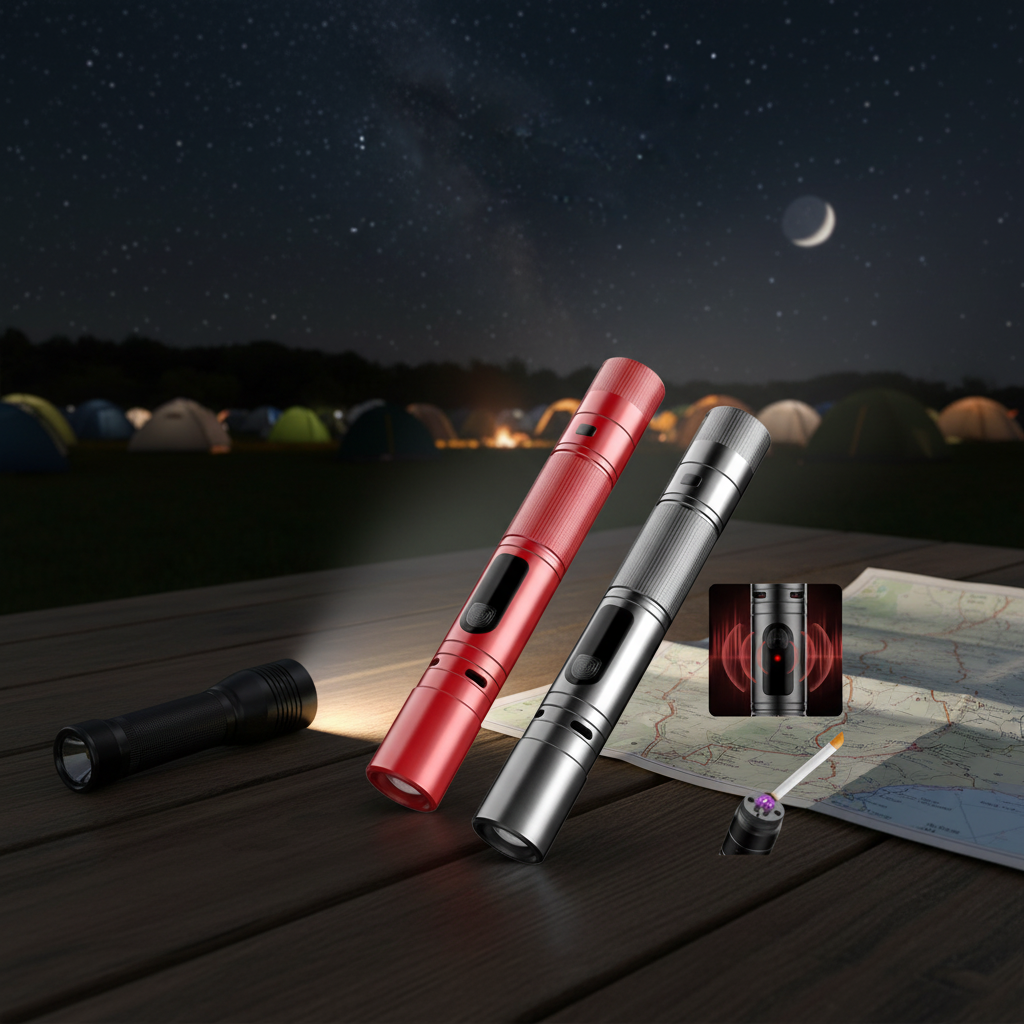
Factory-direct platforms engineered for harsh environments, featuring CNC aluminum housings, integrated BMS power banks, and high-efficiency optical drivers.
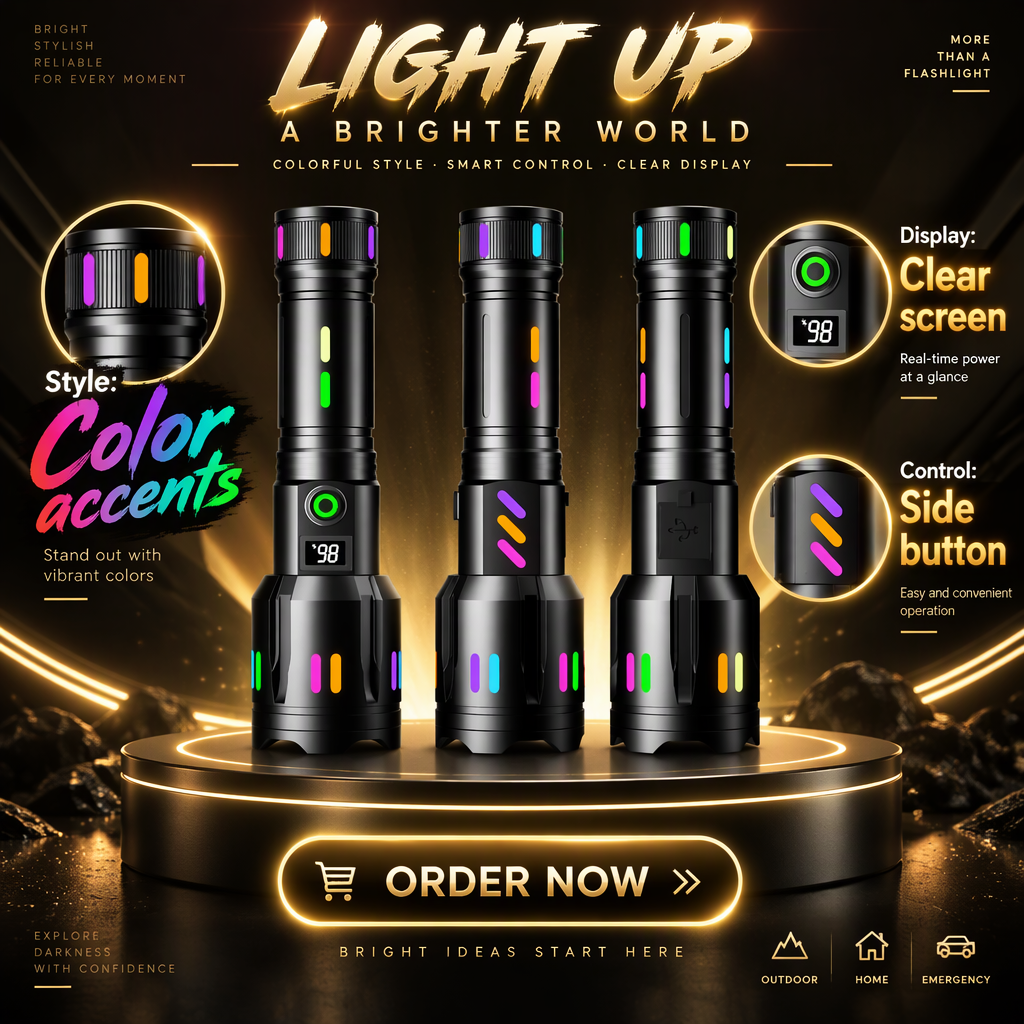

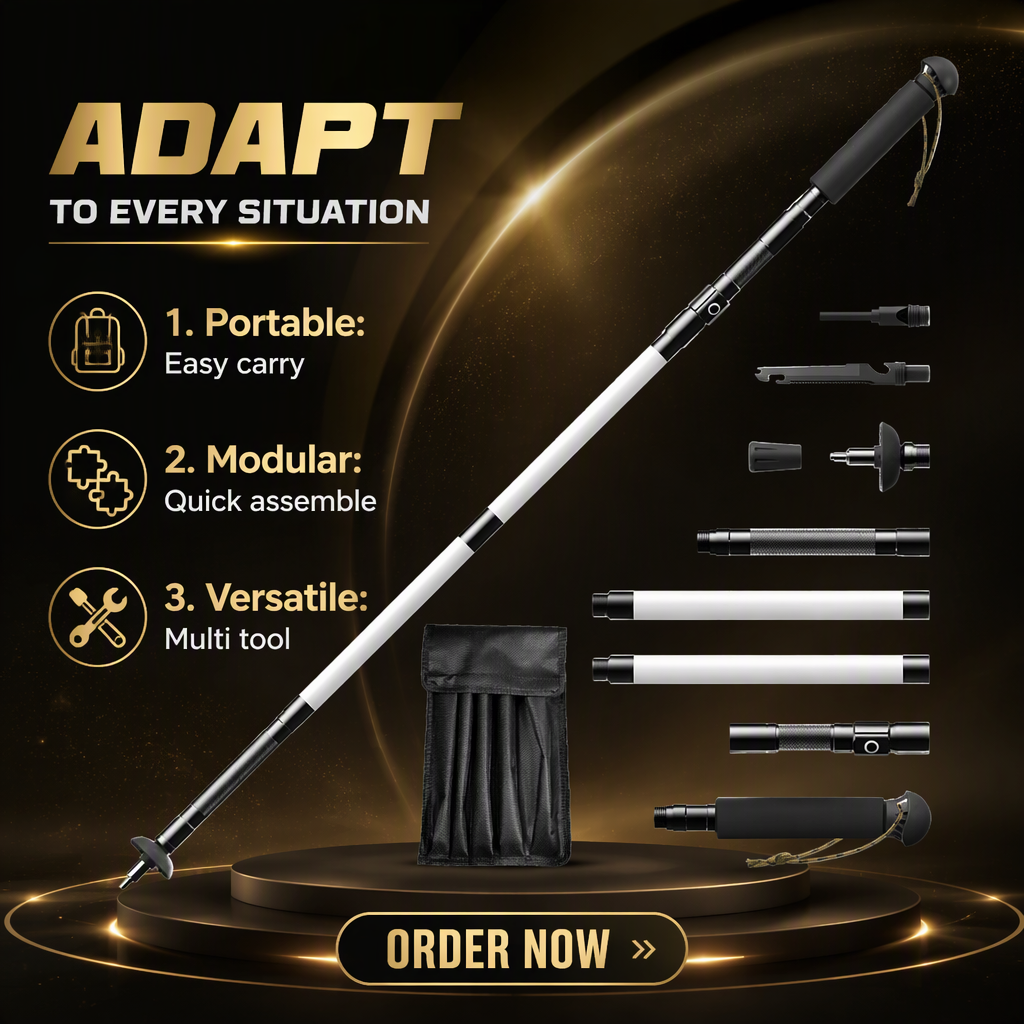

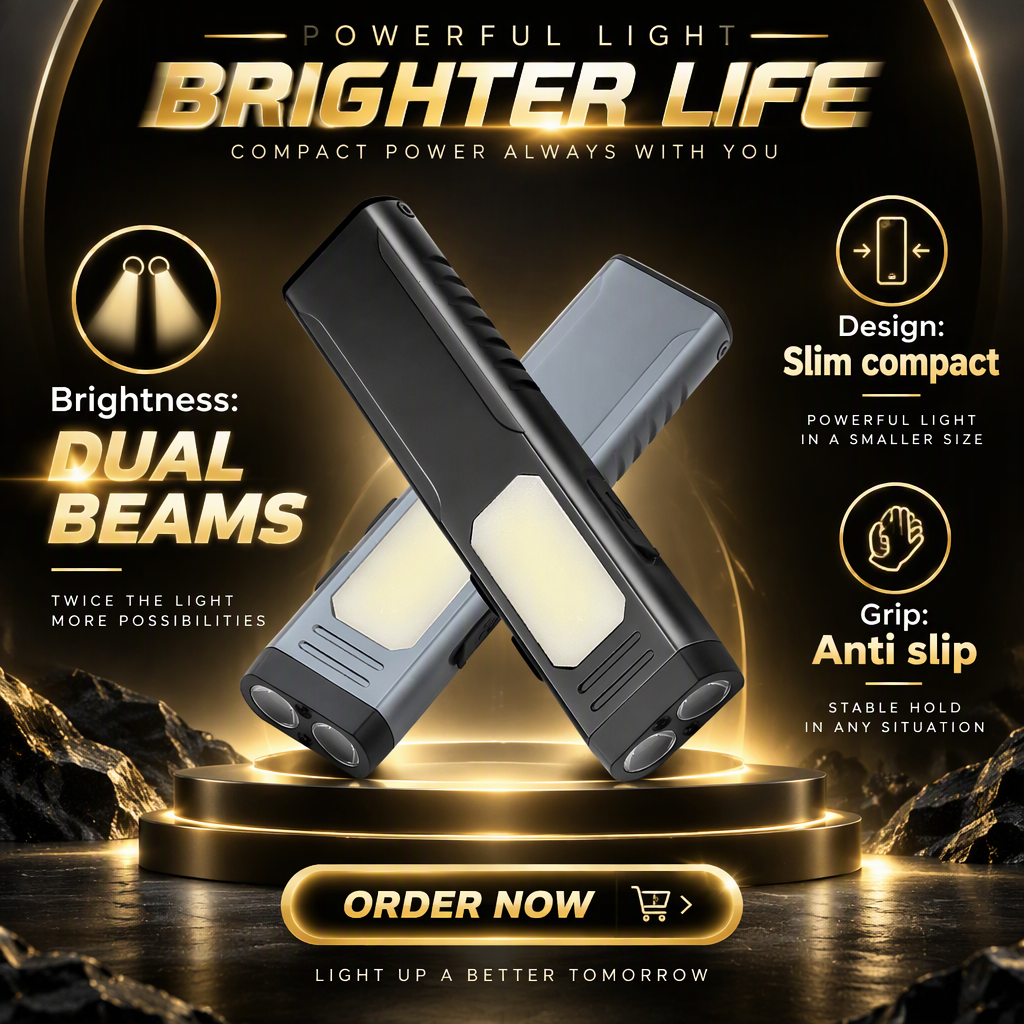


Birmingham stands as the United Kingdom's manufacturing and logistics heartland. As the anchor of the West Midlands Combined Authority (WMCA), the regional ecosystem relies on interconnected logistics hubs around Minworth, Birchfield, and the M6 freight corridor, alongside intensive automotive and metalworking facilities in Tyseley, Aston, and Digbeth. In these high-intensity settings, commercial emergency lighting is neither a disposable commodity nor an impulse accessory; it is a critical life-safety element subject to stringent Health and Safety Executive (HSE) standards and the Regulatory Reform (Fire Safety) Order 2005.
Procurement teams, plant engineers, and facilities directors across Birmingham require OEM emergency flashlights with high thermal dissipation stability, drop-proof mechanical housings, and failsafe battery architectures. When municipal blackouts, industrial line trips, or hazardous spill containment protocols occur, backup illumination systems must function instantly without thermal runaway or lumen decay.
Engineering Information Gain: Emergency runtime in industrial UK facilities must not be evaluated purely by peak ANSI/NEMA FL1 initial output. Sustained lumen maintenance under 10°C to 15°C ambient warehouse conditions and integrated battery cell overcharge/over-discharge protections (PCM/BMS) dictate real-world operational survivability.
Since the United Kingdom's formal transition away from CE-only marking requirements, cross-border OEM importing requires dedicated UKCA (UK Conformity Assessed) certifications. For emergency flashlights and auxiliary tactical torches deployed in commercial environments, electromagnetic interference (BS EN 55015) must be eliminated to prevent disrupting telemetry systems, automated guided vehicles (AGVs), and radio communications standard in modern West Midlands smart hubs.
Our OEM manufacturing protocols integrate verified cylindrical cells (18650, 21700, and 26650 configurations) adhering to UN38.3 transport testing and IEC 62133 safety criteria. Birmingham enterprise clients avoid the liability of unbranded, sub-tier consumer cells prone to internal dendritic growth and venting during prolonged stationary storage on charger cradles.
| Deployment Sphere (Birmingham Regional) | Optic & Driver Architecture | Ingress Rating | Battery Chemistry & Power Output | Statutory Standards |
|---|---|---|---|---|
| Heavy Industrial (Tyseley, Digbeth) | CNC Hard-Anodized T6 Aluminum; Dual Spot/Flood | IP65 / IP68 | 21700 / 26650 High-Drain Li-ion; USB-C PD | UKCA, CE, BS EN 62471 (Photobiological) |
| Freight Warehousing (M6/M42 Corridor) | Wide-angle COB sidelight + Focused White Laser / Cree LED | IP55 / IP65 | 18650 Swappable / Dual-Fuel AA Integration | RoHS, WEEE, EMC EN 61000-6-3 |
| Municipal Facilities & Rail Terminals | Fixed High-CRI White (5000K-6000K); Visual Battery Gauge | IP65 Min. | Lithium Polymer / Protected Li-ion (PCM) | BS 5266-1 Emergency Guidelines |
| Field Infrastructure & Exterior Logistics | Hybrid Solar Charging + High-Candela Throw Lens | IP65 Dust/Water Jet | LiFePO4 or High-Cycle Ternary Lithium | ISO 9001 Certified Factory Acceptance |
Three primary macro trends dominate the procurement decisions of Birmingham commercial accounts in 2025 and beyond:
1. Dual-Purpose Mobile Power Stations: Emergency flashlights are no longer isolated light emitters. High-capacity integrated batteries acting as bilateral power banks (USB-C Power Delivery) allow plant maintenance crew and drivers stranded in winter conditions across Spaghetti Junction or rural West Midlands links to keep essential terminal communications alive.
2. Standardized High-CRI White Laser & COB Integration: Inspection protocols inside advanced manufacturing facilities (automotive chassis lines, battery gigafactories) necessitate true color representation (CRI ≥ 80) to detect electrical scorch marks, fluid leaks, and hydraulic degradation during power losses, shifting procurement away from generic cold-blue emitters.
3. Low-Carbon Supply Chain Accountability: Corporate ESG metrics in the UK demand verifiable supply chains. FEXA's factory operations employ automated precision CNC routing, low-waste lead soldering, and sustainable blister-free bulk master packaging engineered specifically for streamlined maritime and air freight consolidation into UK distribution networks.
Engineered for extreme duty cycles across the specific operational landscapes of Birmingham and central England.
Minworth, Prologis Park, and peripheral transshipment yards require 24/7 loading-dock readiness. Our magnetic-mount, wide-beam COB flashlights enable hands-free maintenance, trailer inspections, and secure perimeter containment during unannounced supply disruptions.
In high-vibration plants across Bromford and Solihull, plastic torches crack upon tool-tray impact. Our 6061-T6 aerospace aluminum bodies resist industrial oils, brake fluids, and concrete drop impacts up to 2 meters without fracturing the optical lens array.
Trackside inspection along New Street, Snow Hill, and West Midlands Metro lines demands dual-output signaling (ultra-bright focused piercing beams coupled with localized emergency strobe alarms) for personnel safety during low-visibility dawn and dusk maintenance cycles.
Shenzhen FEXA Technology Co., Ltd. combines an Intertek-audited 2,582 m² production facility with 15+ years of specialized optoelectronics engineering.
Our operational footprint, machinery centers, clean-room assembly lines, and warehouse inventory capacities have been strictly inspected and audited onsite by Intertek, ensuring zero misrepresentation.
Internal precision CNC milling lathes maintain rigorous tolerance consistency across aerospace alloy shells, paired with high-speed fiber laser marking for indelible brand logos that endure heavy field wear.
Every SKU undergoes triple-stage QC: Spectroradiometric integrating sphere measurement, dynamic thermal dissipation burn-in, and calibrated vacuum/submersion hydrostatic pressure waterproofing verification.
Real-world commercial answers covering MOQs, shipping to Birmingham hubs, UK regulatory alignment, and custom tooling.
Consult directly with our optoelectronic engineering directors. Receive complete specification sheets, sample development schedules, and competitive factory-direct pricing for your brand.