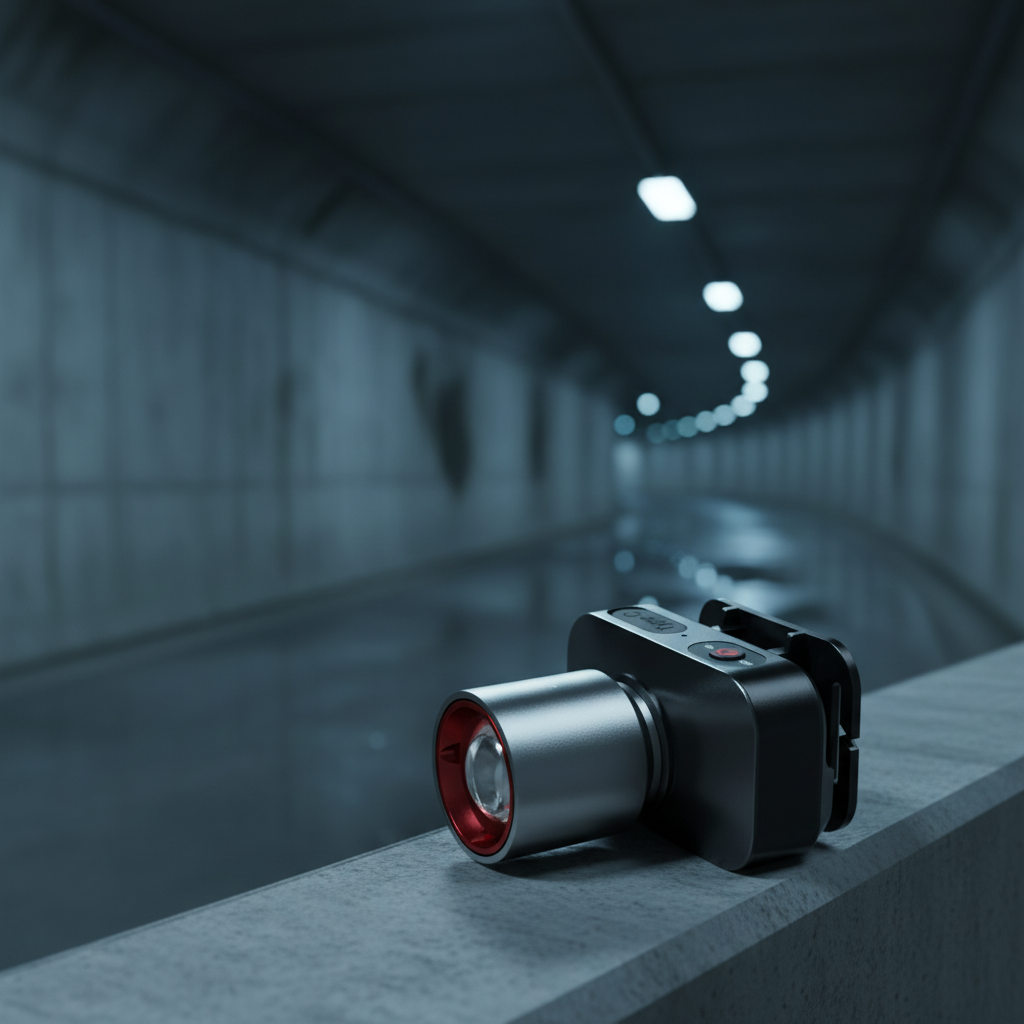
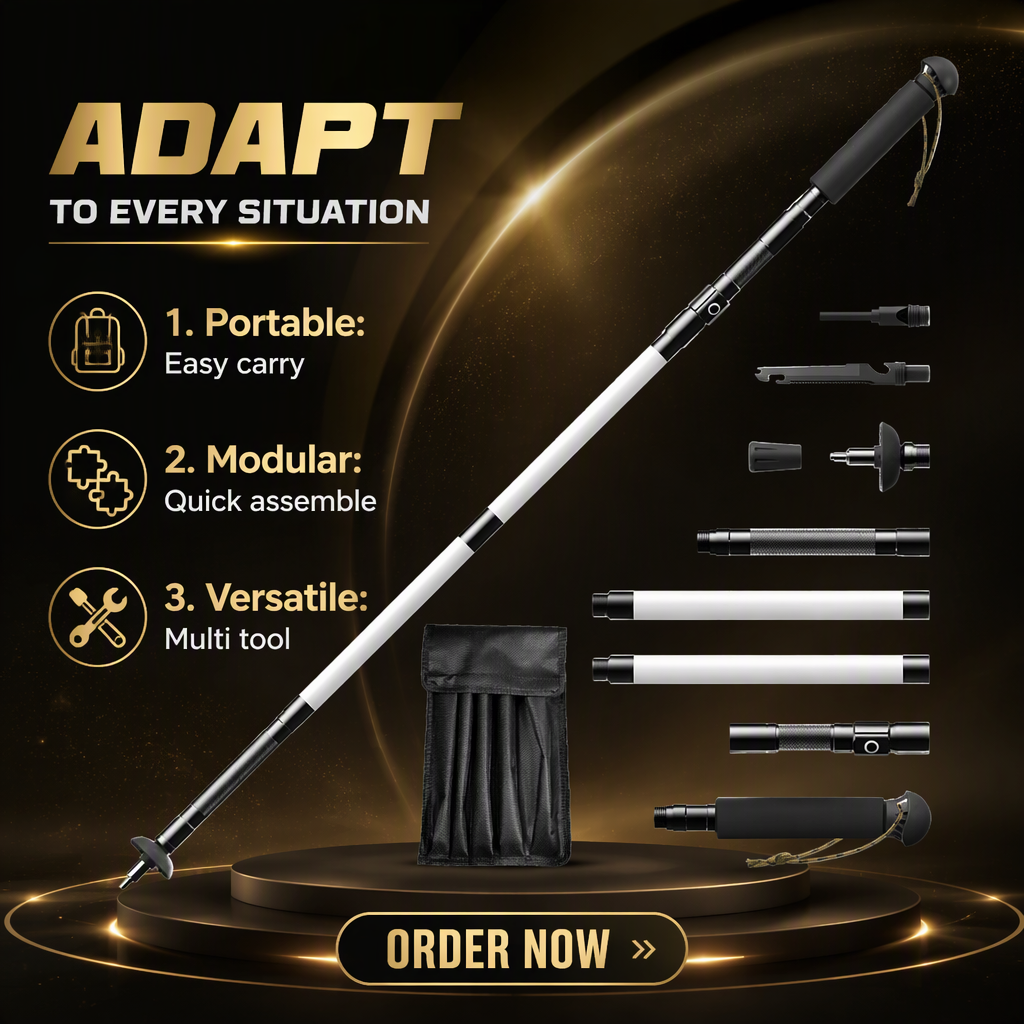
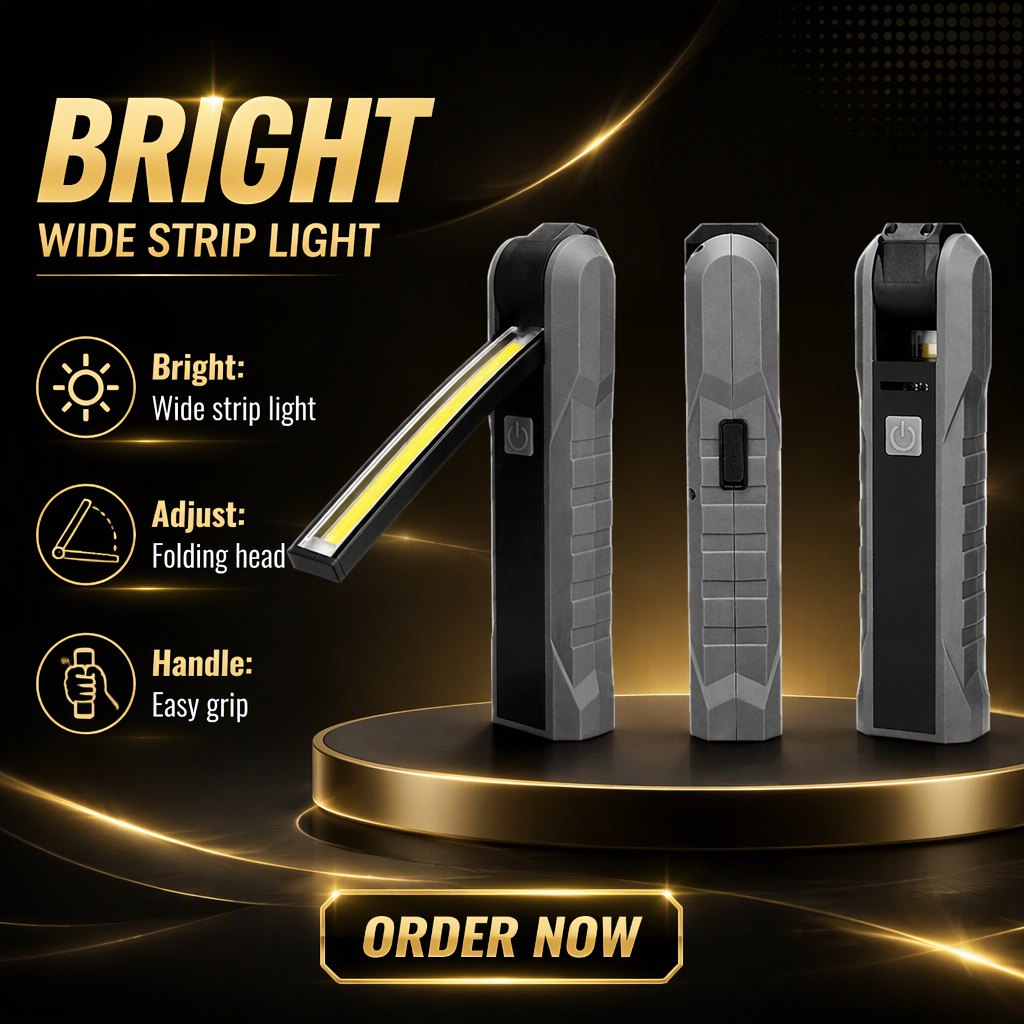
Engineered in our Intertek-audited Shenzhen facility, these flagship lighting devices balance sub-zero runtime efficiency, impact-resistant aluminum alloys, and multi-scenario lumen configurations for mountain safety and professional trades.
An authoritative analysis on optical performance, sub-zero battery electrochemistry, and supply chain logistics between Guangdong manufacturing hubs and Western Austria.
Innsbruck sits as the uncontested "Capital of the Alps," bounded by the rugged Karwendel range to the north and the Tuxer and Stubai Alps to the south. With world-renowned ski touring routes, the Nordkette downhill singletracks, and extreme mountaineering centers, local consumers and professional rescue units require hands-free lighting that operates consistently under relentless mechanical vibration, sudden precipitation changes, and rapid thermal drops. Sourcing generic consumer-grade lights leads directly to high return rates; Innsbruck distributors demand lights built for altitude, cold-cranking discharge, and optical clarity through alpine spindrift.
Beyond commercial mountaineering, Tyrol serves as the central artery for Trans-European transport networks. The mega-construction of the Brenner Base Tunnel (BBT)—a 55-kilometer subterranean railway connecting Innsbruck with Fortezza, Italy—has established a sustained, high-volume procurement market for explosion-proof, ATEX-compatible helmet torches and IP68-rated work lamps. Chinese exporters seeking market share in Innsbruck must provide dual-channel capability: technical headlamps that transition effortlessly between professional sports retail chains (such as Intersport and Gigasport partners) and certified industrial tunnel maintenance contractors.
Tyrolean buyers exhibit high brand loyalty coupled with uncompromising technical scrutiny. As an experienced exporter founded in 2008 with an Intertek-audited manufacturing ecosystem in Shenzhen, FEXA bridges the gap between competitive Chinese manufacturing scale and strict Austrian legal compliance. We deliver end-to-end documentation including CE (EMC/LVD), RoHS, REACH material declarations, Austrian Battery Ordinance (Batterieverordnung) reporting, and packaging adherence under WEEE guidelines. This level of verification mitigates supply-chain friction for institutional European buyers.
| Engineering Parameter | Generic Commodity Export Torch | FEXA Alpine-Grade Headlamp System | Alpine Impact for Innsbruck End-Users |
|---|---|---|---|
| Low-Temperature Cell Chemistry | Standard Li-ion (Shuts off at -5°C; 70% capacity drop) | Cryogenic 18650/21700 Formulation (-25°C operative range) | Maintains beam stabilization during winter traverses on Patscherkofel and Hafelekar. |
| Driver Circuit Architecture | Low-frequency PWM (Causes visible strobe on snow/ice) | Constant Current Step-Down Driver with Zero-Flicker IC | Prevents optical fatigue and visual disorientation during technical ice climbing. |
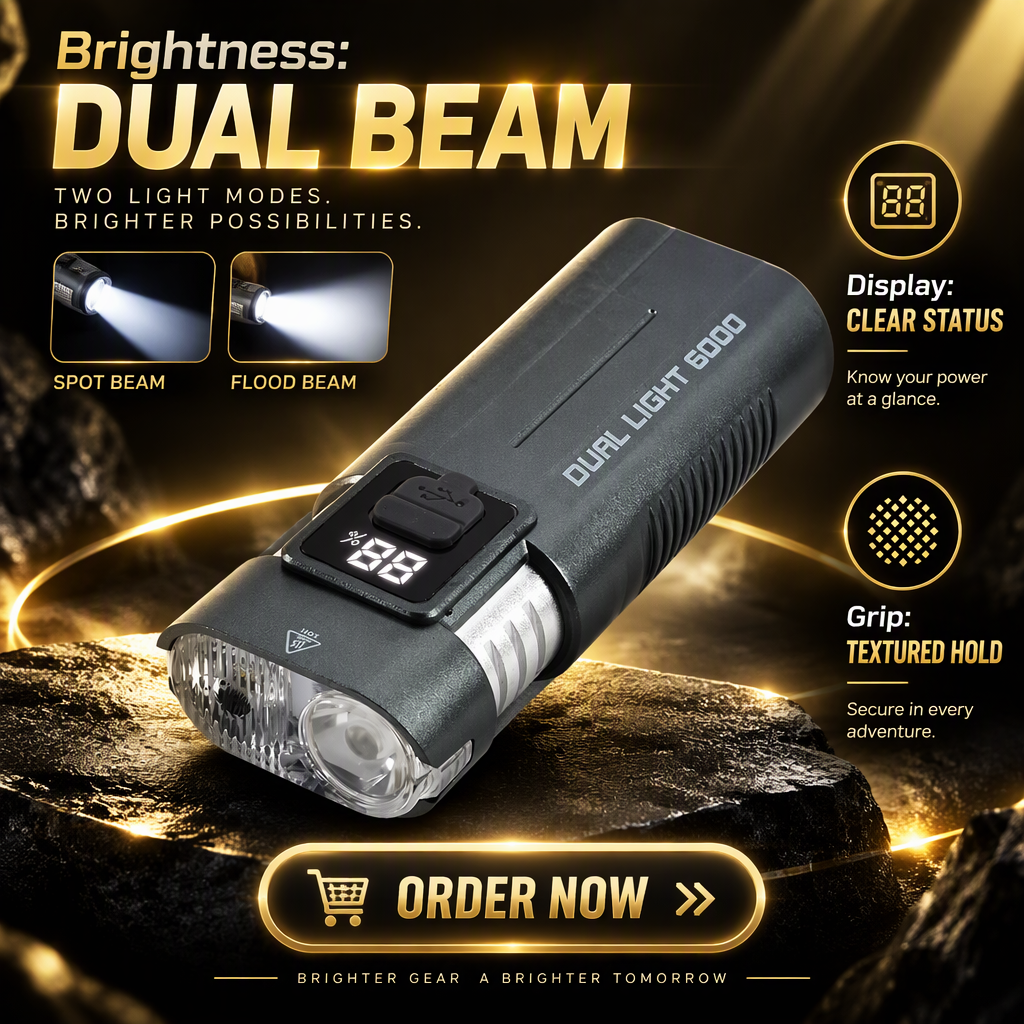
| Optical Beam Pattern | Single unfocused hotspot; blinding peripheral cutoff | Dual TIR Optic (120° Wide Flood + 15° Penetrating Spot) | Illuminates immediate foothold terrain while spotting trail markers 180 meters ahead. |
| Structural Chassis | Molded recycled plastic (brittle fractures below freezing) | CNC 6061-T6 Hard-Anodized Aluminum (Mil-Spec Type III) | Survives 2-meter impacts onto limestone rock; acts as active LED thermal sink. |
| Charging & Interface | Micro-USB with vulnerable silicone flapper plugs | Protected Type-C Port (Inner Waterproof Core IPX8) | Universal EU Directive 2022/2380 compliance; charge via standard outdoor power banks. |
| Auxiliary Safety Spectrum | None, or blinding secondary white flashes | 650nm Deep Red Night Vision + SOS Alpine Beacon Mode | Preserves rhodopsin in eyes inside alpine huts; universal mountaineering distress signal. |
From sub-zero ski tours along the Karwendel ridge to complex subterranean excavation across the Brenner railway route, discover how our technical lighting meets specialized local criteria.
Ski touring is deeply rooted in Tyrolean culture. Popular dawn patrols up the Axamer Lizum, Glungezer, or Sellrain require lighting capable of handling rapid transitions between high-aerobic ascent and freezing, high-speed descent. On the ascent, climbers require a broad, non-glare COB flood (150–250 lumens) that illuminates the kick-turn track without creating blinding reflections on freshly fallen powder. During descent at 40 km/h, the light must instantly punch out a focused 1000+ lumen beam with a minimum throw of 120 meters. FEXA headlamps integrate glove-friendly oversized dual tactile switches and silicone-backed anti-slip bands that securely seat onto ski mountaineering helmets (such as Dynafit, Salewa, or Petzl models) without slippage.
Innsbruck’s immediate proximity to alpine trails has transformed it into a premier European hub for extreme mountain biking and trail running. Events like the Innsbruck Alpine Trailrun Festival (IATF) test participants across rocky scree and root-choked forests in darkness. Here, weight distribution is paramount. A front-heavy lamp causes neck fatigue and destabilizing bounce. FEXA head torches feature a split architecture: an ultra-lightweight CNC lamp head on the forehead and a curved, counterbalanced battery pack positioned at the rear of the skull. This guarantees an even 50/50 balance ratio. Furthermore, high-CRI (>90) emitters render rock textures and roots accurately, eliminating deceptive shadows that lead to twisted ankles.
When alpine rescue teams deployed by the Bergrettung Tirol navigate crevasse fields, avalanche debris, or vertical limestone walls in sub-zero whiteout conditions, equipment failure is not an option. Search operations require continuous runtimes extending beyond 8 hours at sustained outputs without thermal step-down throttling. FEXA headlamps utilize advanced aluminum heatsink fins and intelligent thermal regulation that keeps the emitter temperature safe while preventing premature lumen drop-offs. In addition, our integrated 650nm high-visibility red strobe and standardized European Alpine Distress Signal mode (flashing 6 times per minute followed by a one-minute pause) empower stranded mountaineers and search teams to coordinate in low-visibility airspace.
The ongoing Brenner Base Tunnel excavation and related highway infrastructure upgrades represent the most demanding industrial environment in Central Europe. Workers in deep shaft construction encounter heavy airborne rock dust, corrosive moisture, and explosive methane or volatile vapor risks. FEXA supplies specialized explosion-proof miners helmet cap lamps equipped with corded lithium power packs, high-impact polycarbonate lenses, and an IP68 ingress rating capable of withstanding 5 meters of water submersion. Direct mounting clips lock securely into industrial Schuberth and Petzl Vertex safety helmets, ensuring robust illumination for underground engineers.
Navigating European legal standards, environmental mandates, and direct logistics pathways between Southern China and Austrian trade hubs.
Austrian customs and market surveillance authorities enforce the European Eco-Design and Battery Regulations with absolute rigor. FEXA headlamps strictly comply with EU Directive 2022/2380, adopting standardized Type-C charging receptacles to reduce e-waste. Our electronic driver assemblies are 100% RoHS 2.0 compliant, eliminating lead, cadmium, and polybrominated biphenyls. Full CE declarations of conformity (EMC EN 55015 / EN 61547 and LVD EN 60598 / EN 62471 photobiological safety certificates) are provided with every batch, ensuring zero customs detention at Vienna Schwechat (VIE) or Frankfurt (FRA) cargo hubs.
Commercial importers in Innsbruck must register their products under the Austrian Battery Ordinance (Batterieverordnung) and the Waste Electrical and Electronic Equipment Ordinance (Elektroaltgeräteverordnung - EAG). FEXA simplifies this process by providing certified UN38.3 lithium battery transport test reports, Material Safety Data Sheets (MSDS), and IEC 62133 cell compliance certificates. We partner with authorized Austrian collective take-back systems (such as ERA or Interseroh Austria) to ensure clear reporting protocols, protecting retail brands from non-compliance fines.
Efficient supply chains require flexible multi-modal logistics. For rapid seasonal launches ahead of the winter ski touring season, we operate direct consolidated air cargo from Shenzhen/Hong Kong to Munich International Airport (MUC)—located just a 2-hour bonded truck drive from Innsbruck. For larger volume container freight, goods move via direct maritime routes into Rotterdam or Hamburg, connecting directly to the dry ports of Munich and Hall in Tirol via electrified European rail corridors, optimizing container landed costs while minimizing carbon footprint.
Established in 2008 in Shenzhen, Shenzhen FEXA Technology Co., Ltd. combines advanced in-house precision machining with end-to-end OEM/ODM engineering capabilities verified onsite by Intertek.
Unlike trading intermediaries who assemble plastic parts from open market molds, FEXA operates dedicated computerized numerical control (CNC) machining centers. We mill aviation-grade 6061 and 7075 aluminum into tight-tolerance heat-sink housings that dissipate thermal loads rapidly away from high-flux LED emitters. This guarantees structural integrity against sub-zero brittle fractures and sustains constant high-lumen outputs without damaging internal circuitry.
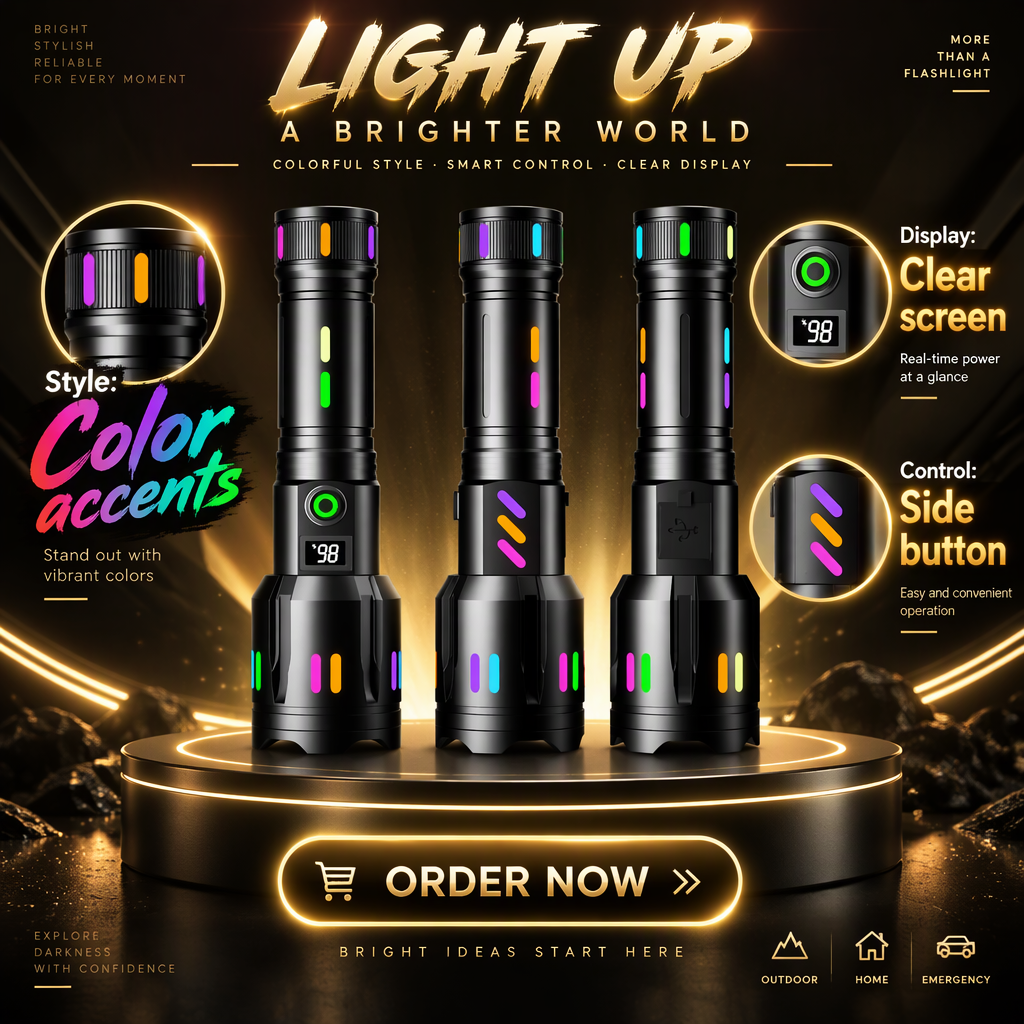
We empower European importers to build sustainable brand equity through comprehensive customization. From laser logo etching on hard-anodized barrels and tailored German/English multilingual user manuals to bespoke colorways (e.g., Signal Orange, Alpine White, Stealth Matte Black) and custom-molded silicone headband weaves. We support low-MOQ trial orders so regional distributors can validate customer demand across Tyrol before committing to 10,000+ unit runs.
Our quality control protocols follow military standards across three distinct checkpoints: 1. Incoming Material Inspection (spectroradiometric verification of LED bins, internal resistance screening of brand-name Samsung/Panasonic or tier-1 domestic lithium cells); 2. Burn-In & Stress Testing (100% 4-hour active burn-in cycles in thermal chambers, optical flux integration); 3. Hydrostatic & Drop Testing (IPX8 pressure vessel submersion and 2-meter drop verification onto hardened concrete).
Clear, commercially transparent answers regarding minimum order volumes, lead times, European compliance, sub-zero battery performance, and warranty frameworks.