Precision Optical & Electronic Hardware Manufacturing Since 2008
Intertek Onsite-Audited Cleanroom Production & CNC Facilities
Nordic Sub-Zero Low-Temperature Cell Cycle & PIR Tested Threshold
CE, EMC 2014/30/EU & RoHS Compliance with Golden-Sample Tracing
Factory-direct procurement programs for Nordic distributors, facility managers, and safety wholesalers in Trondheim. Explore our flagship multi-functional lights, tactical torches, and emergency illuminated gear available with private-label customization.
Situated at approximately 63.43°N latitude along the Trondheimsfjord, the city of Trondheim experiences pronounced photoperiod seasonal imbalances. During the prolonged sub-polar winter known across Norway as mørketid, natural ambient daylight collapses to under 4.5 hours per day between November and February. For municipal property operators, student housing managers at the Norwegian University of Science and Technology (NTNU), and private landlords operating historic multi-storey timber residences (Bygårder in districts such as Bakklandet, Midtbyen, and Ila), illumination is an absolute safety-critical infrastructure asset rather than a cosmetic amenity.
Conventional commercial 230V hardwired stair luminaires pose profound installation hurdles in historic Nordic wooden frames. Channeling electrical conduits across century-old fire-rated spruce and pine joists triggers rigorous restrictions under the Norwegian Planning and Building Act (Plan- og bygningsloven) and building code standards (TEK17 § 12-16 Trapper). Under TEK17, stairways serving as egress passages mandate uniform step illumination with strict control over direct and indirect glare (luminaire shielding targeting UGR < 19 and a minimum illuminance of 20–50 lux maintained along the line of travel and step nosing). Drilling through protected wood structures compromises both timber shear integrity and historic facade preservation regulations.
Consequently, battery-operated, surface-mounted LED stair night lights equipped with precision Pyroelectric Passive Infrared (PIR) sensors and magnetic quick-release mounts have transitioned into the premier engineering solution for Norwegian contractors. However, deploying battery-operated solid-state systems in Trondheim introduces harsh electrochemical constraints. Unheated entrance vestibules (trappeoppganger) and shared wooden staircases routinely dip below freezing (down to -15°C to -25°C during polar continental high-pressure events). Standard commercial lithium cobalt oxide (LiCoO2) chemistry suffers devastating internal impedance spikes at low temperatures, causing severe cathode passivation, rapid voltage drop below driver cutoff thresholds, and sensor trigger failures.
As an Intertek-audited lighting manufacturer, our R&D engineering center solves this sub-zero bottleneck through specialized custom battery configuration: incorporating low-temperature electrolyte blends (fluorinated ethylene carbonate cosolvents) into our grade-A 18650 and high-density lithium polymer cells, paired with ultra-low quiescent sleep circuit microcontrollers (I_sleep < 12 μA). This guarantees that our CE-certified stair lighting units maintain reliable 120-day autonomous duty cycles at 0°C without premature low-voltage cutouts, ensuring occupants traverse Trondheim stairwells with deterministic, flicker-free foot-level guidance.
Field-tested solid-state battery illumination optimized for the micro-climates, residential demographics, and construction methodologies unique to Trondheim.
Preserving heritage timber fabric in Bakklandet and Møllenberg without chasing wire pathways. Battery-operated fixtures mount non-invasively via high-shear 3M VHB thermal adhesive brackets, delivering warm 2700K downward-focused wash onto step treads while satisfying communal fire codes without drilling.
High-traffic multi-tenant student apartments across Gløshaugen, Moholt, and Dragvoll require rugged, vandal-resistant stair lighting. Micro-lens PIR sensors detect approach at 120° across 4 meters, activating low-drain 30-lumen step lighting that eliminates late-night trip hazards during winter examination cycles.
Modern low-energy developments in Ranheim and Solsiden prioritize zero standby phantom grid loads. Battery-operated luminaires eliminate transformer standby losses entirely, providing autonomous secondary egress guidance that remains fully functional during regional grid power disturbances.
Sub-grade domestic cellars and detached ski sheds experience persistent dampness and temperatures hovering around 2°C to 4°C. Our IP65-sealed conformal-coated PCB housings prevent condensation shorts while optical sensors illuminate steep basement stair descents hands-free.
Off-grid recreational properties in Oppdal, Røros, and Vassfjellet reliant on 12V solar banks utilize our battery-powered PIR stair fixtures to illuminate loft ladders and split-level steps without drawing down core inverter battery reserves during sub-zero ski weekends.
Targeted at Trondheim healthcare facilities and senior cooperative residences (borettslag). Soft circadian ramp-up (1.5-second gradual fade-in) prevents night-blindness and pupil shock, reducing nocturnal falls on communal stairs without awakening adjacent bedrooms.
Compare factory configuration parameters across residential, commercial, and extreme-cold stairwell lighting installations.
| Application Scope | Lumen Output & CCT | Battery Chem & Runtime | PIR Sensor Range / Angle | Chassis Material & Rating | CE Compliance Directives |
|---|---|---|---|---|---|
| Interior Historic Staircase (Bygård) | 25–45 lm | 2700K Warm | 1200mAh Li-Po / ~140 days (10 trig/day) | 120° Wide Angle | 3.5m Radius | Fire-retardant ABS/PC (UL94-V0) | EMC 2014/30/EU, RoHS 2011/65/EU |
| Exterior Covered Egress / Trappeløp | 60–100 lm | 3000K Neutral | 2600mAh 18650 Li-ion / ~90 days | 100° Fresnel | 5.0m Radius | CNC Aluminum Heat-sink | IP65 | CE, LVD 2014/35/EU, EN 62471 Photobiological |
| Multi-Unit Rental (Student Kollektiv) | 30–50 lm | 3000K Neutral | 3x AAA NiMH or 1500mAh USB-C | 120° PIR + Ambient Lux Threshold | High-impact Polycarbonate | IK07 | CE, RED 2014/53/EU (Smart mesh models) |
| Industrial / Maintenance Stairwells | 120–200 lm | 4000K Daylight | 5200mAh Dual 18650 / High Drain | Radar Microwave Sensor | 8.0m | Anodized 6061-T6 Aluminum | IP66 | CE, EMC, UN38.3 Transport Tested |
Procurement specialists, electrical supply wholesalers (such as suppliers to Ahlsell, Elektroskandia, and Solar Norge networks), and regional contractors across Trøndelag are re-evaluating secondary safety illumination due to three dominant market forces:
1. Electrification Labor Cost Avoidance: Certified electrical installation labor (autorisert installatør) in Norway represents one of the highest hourly cost bases in Europe. Sourcing CE-certified battery-operated fixtures that meet statutory lux criteria without demanding conduit runs, junction box expansions, or electrical permit filings saves property developers up to 72% in capital expenditure per stairwell renovation.
2. The Universal Transition to USB-C and Circular Economy Mandates: Scandinavian municipal regulations strongly disincentivize single-use alkaline cells (AA/AAA) to curb heavy metal waste disposal under EU Waste Framework and Norwegian WEEE targets. Commercial buyers now insist on integrated high-cycle Lithium-ion cells recharged via standardized USB-C interfaces or removable magnetic battery packs that facility staff can swap in seconds using central charging docks.
3. Dual-Sensor Photometric Intelligence: Simple PIR motion detection is no longer sufficient for progressive Norwegian property managers. Systems must integrate dual-channel ambient light sensing (CDS photodiode or digital lux sensors) that completely inhibit daytime activation when ambient light exceeds 10–15 lux. During Trondheim’s bright summer polar days (midnattsol twilight), battery capacity is fully preserved, extending physical recharge intervals from months to over a year.
From initial optical CAD modeling to high-volume SMT, CNC machining, and automated burn-in testing, our Shenzhen production lines deliver defect-free consistency certified to European standards.
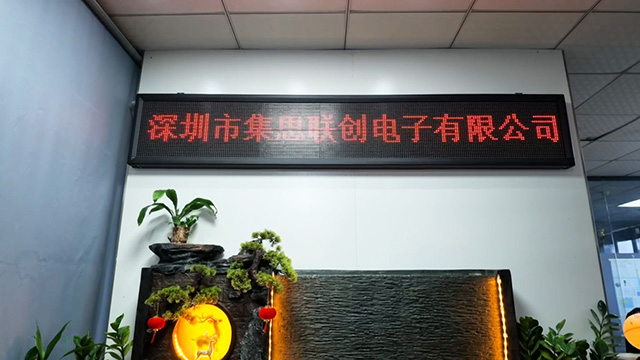
Established in 2008, Shenzhen FEXA Technology Co., Ltd. has grown into a high-precision custom manufacturer of high-lumen bike lighting systems, industrial headlamps, portable inspection lights, and solid-state smart battery-operated home safety lighting. Operating from an Intertek onsite-verified 2,582 m² production complex in Shenzhen, China, our team bridges the gap between raw hardware manufacturing and European market compliance.
Our core corporate philosophy is anchored in a single standard: Focus on Customers, Light the Future. For our Norwegian and wider Nordic B2B clientele, we offer comprehensive OEM and ODM support, including precision CNC aluminum tooling, in-house laser marking, custom PCB driver design with sub-zero battery thermal management, and private-label packaging tailored for Scandinavian retail or Amazon FBA fulfillment.
Define your target photometric curve, CCT (2700K vs 4000K), PIR detection geometry, housing dimensions, and destination country regulatory needs (CE, EMC, RoHS).
We produce CNC-milled aluminum or 3D SLA rapid enclosures with pilot SMT circuit boards, shipping verified engineering working samples to your Trondheim office in 7–12 days.
Following client approval, the golden reference unit locks production parameters. Automated surface mount assembly, 100% optical sphere tests, and 24-hour high/low thermal burn-in ensure zero field defects.
Detailed commercial, regulatory, and engineering answers addressing the operational demands of battery-operated stair illumination in Norway.
Consult directly with our senior optical and hardware engineers to configure cold-rated, CE-certified battery stair lights, high-output bike illumination systems, or portable inspection torches engineered for Trondheim's demanding climate.