15+
Years LED & Acoustic R&D
2,582m²
Intertek-Verified Facility
100%
StVZO Cut-Off & EMC Compliance
400+
Containers Shipped Annually
Direct Factory Catalog
Engineered Bike Horn Lights & Tactical Visibility Series
Direct-from-factory micro-mobility solutions engineered to bridge photometric cutoff regulations with active high-decibel acoustic warning systems.
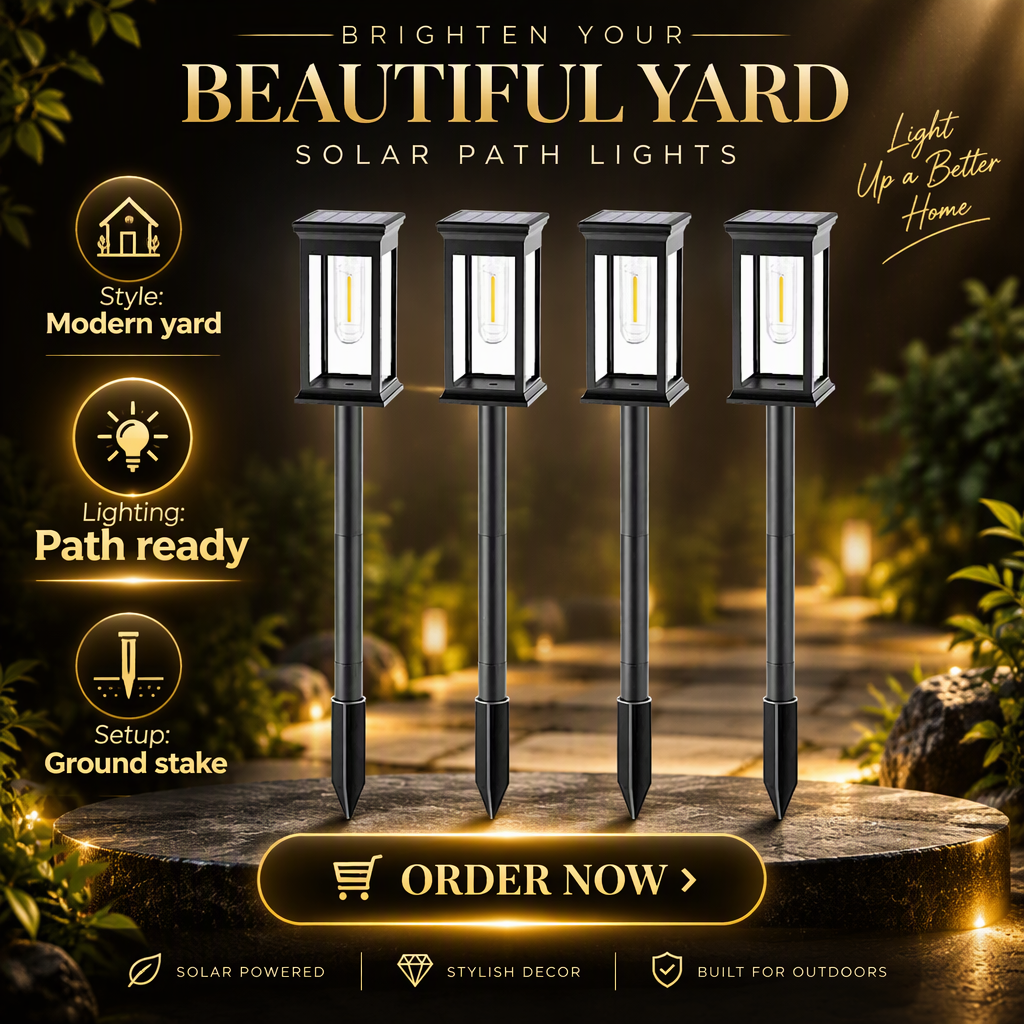
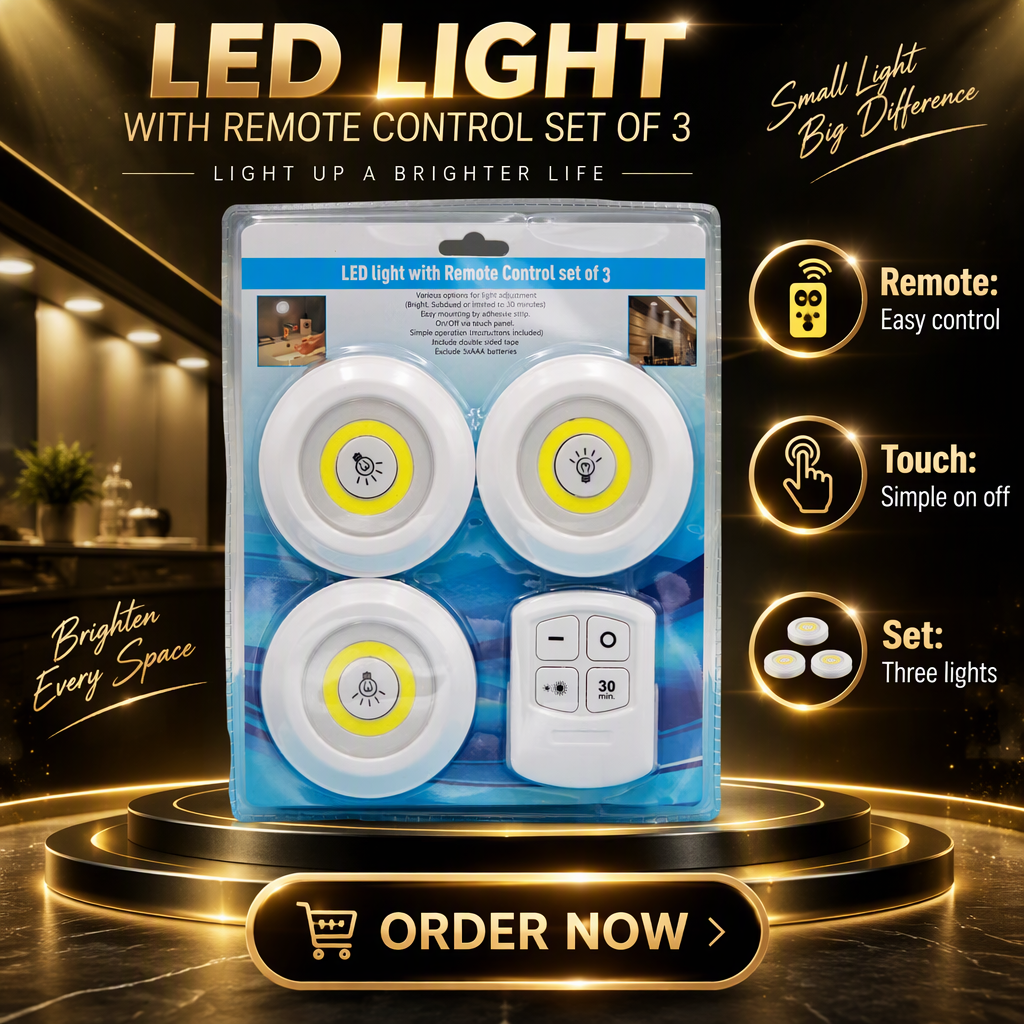
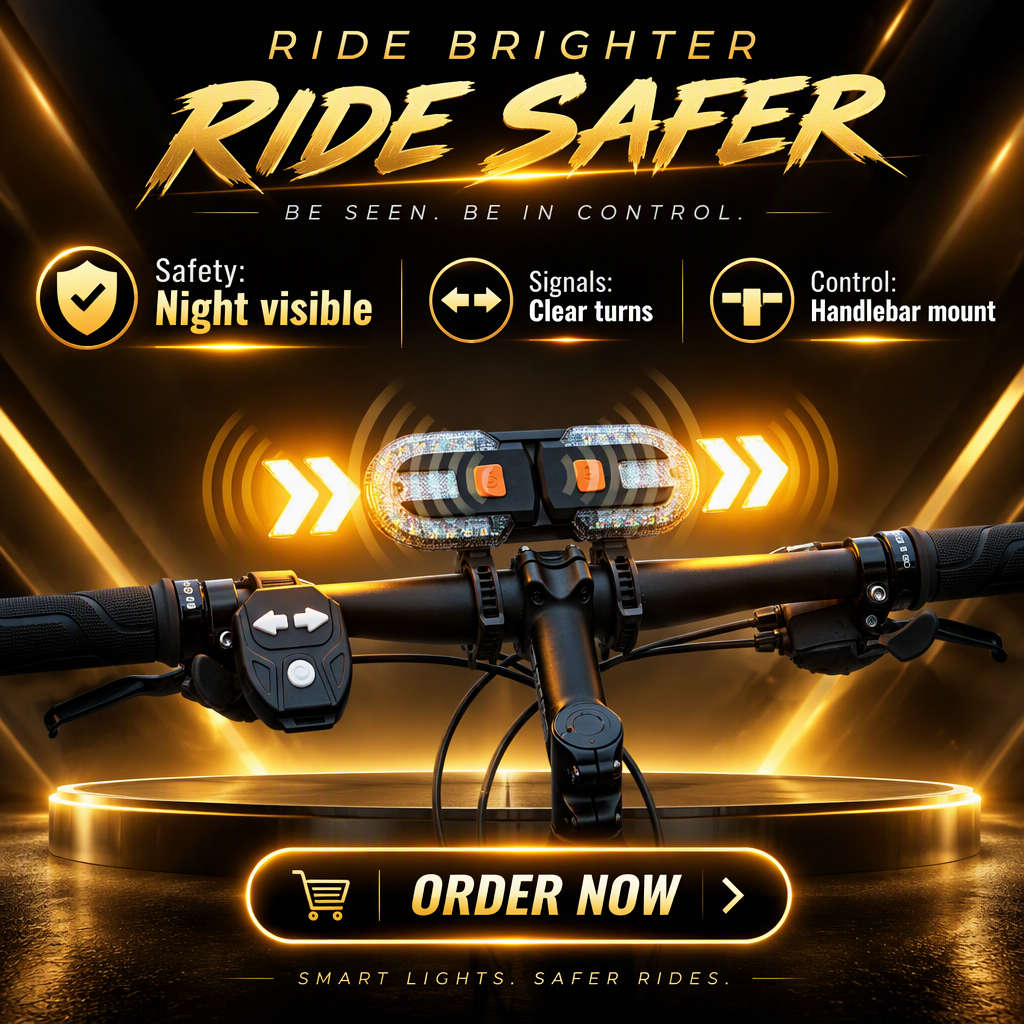
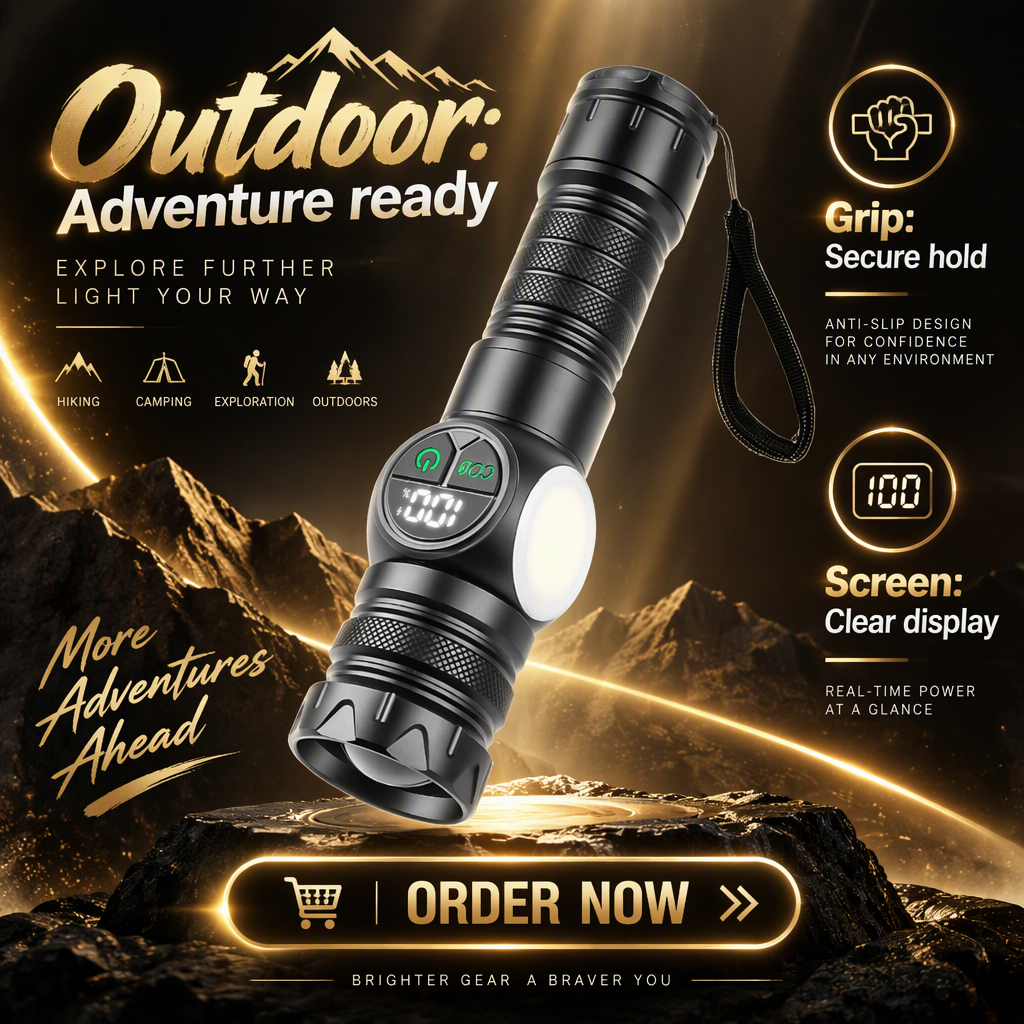
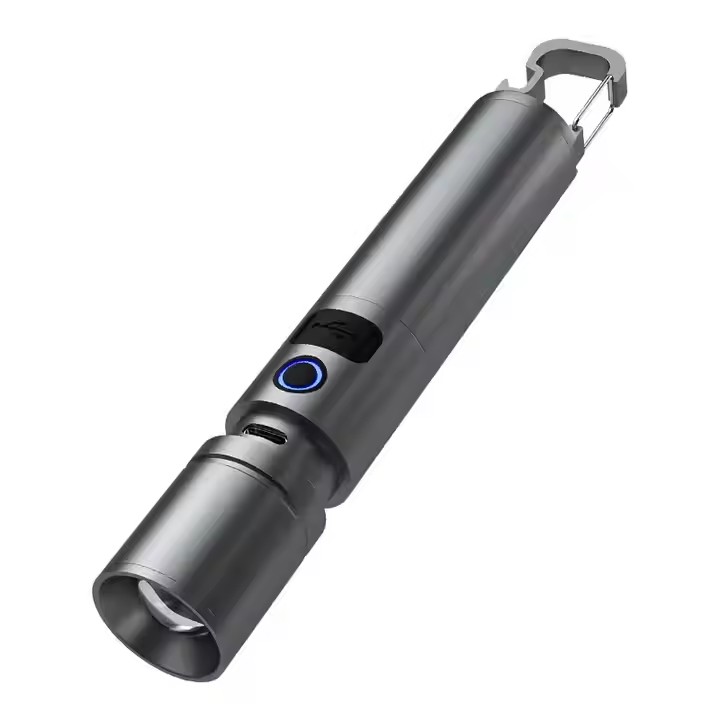
High Lumen Tactical
Niaconn White Tactical LED Flashlight 1000 Lumens 20W Zoom Aluminum Alloy Body
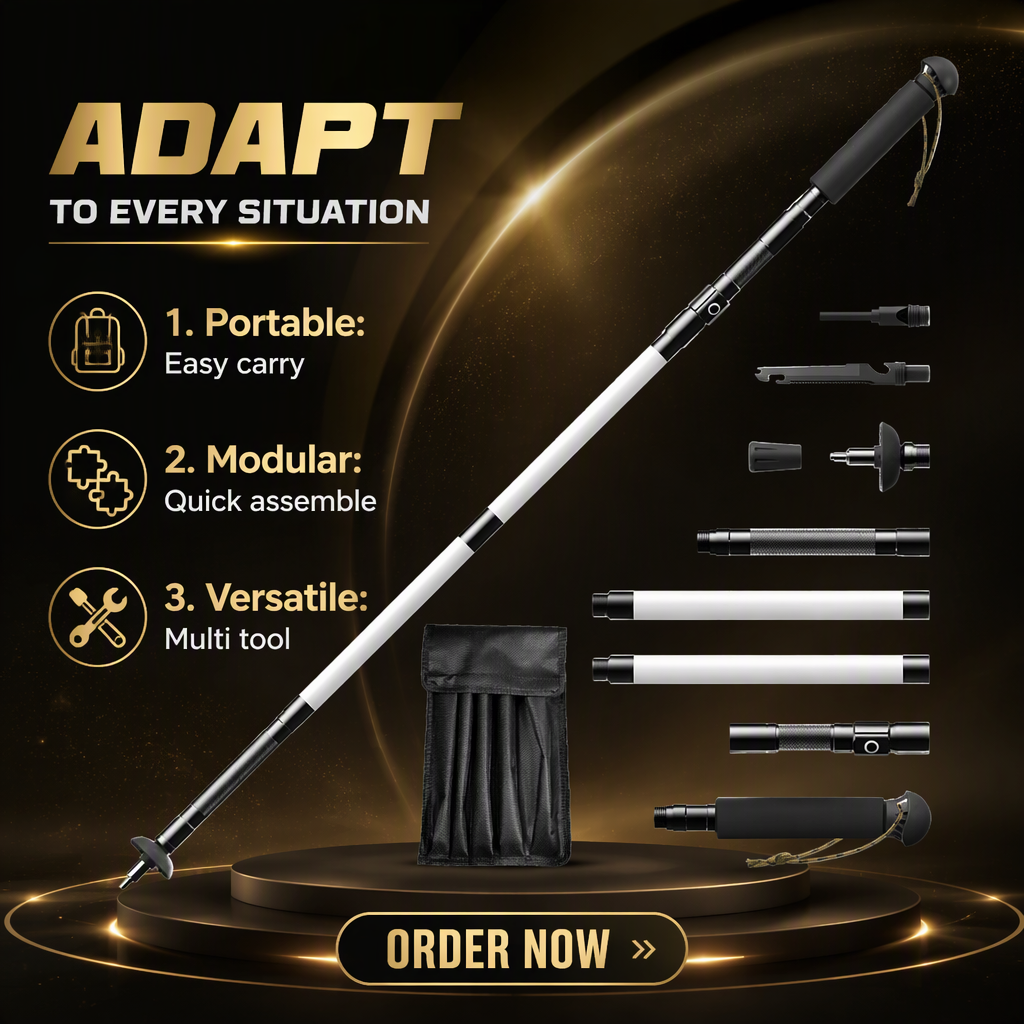
Multi-Function Gear
NIACONN Lightweight Rechargeable 3-Section Aluminum Folding Trekking Pole Stick
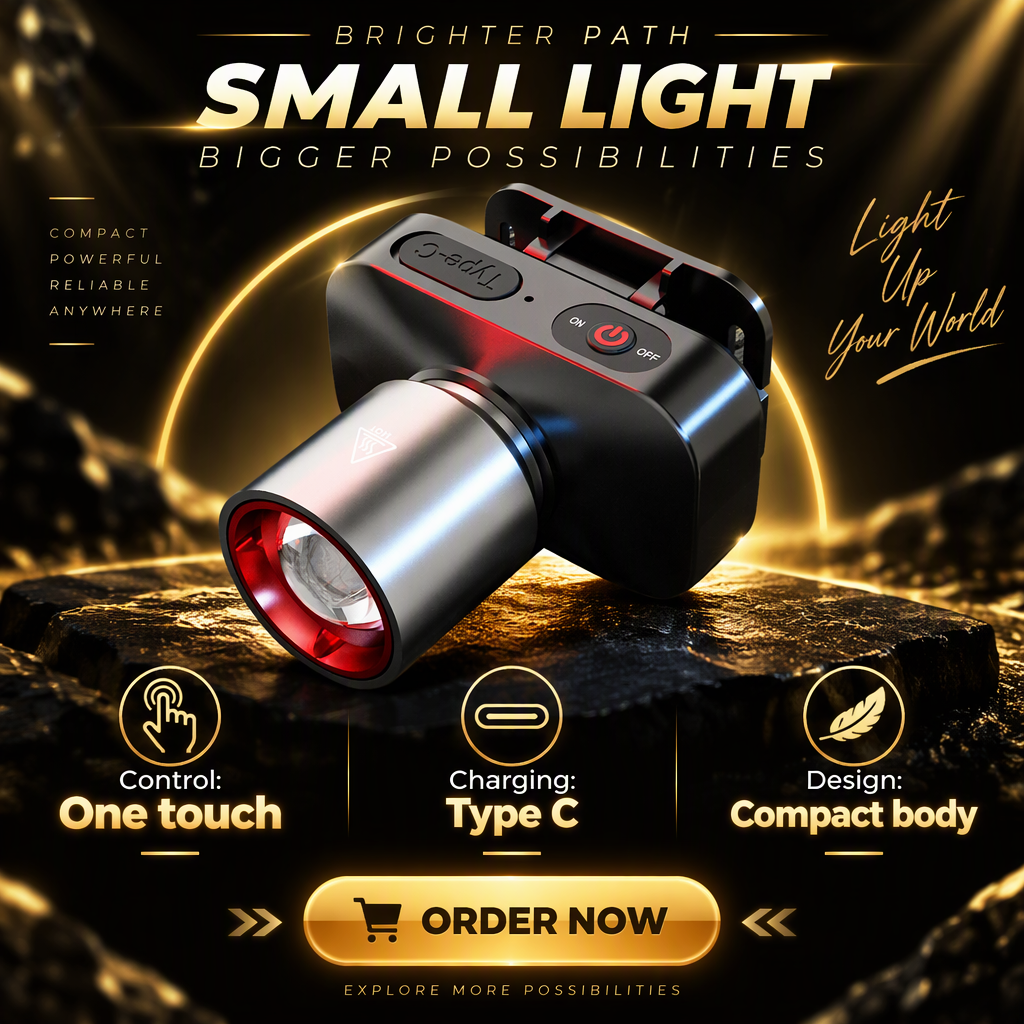
Precision Headlamp
LED Headlamp G9 Base Waterproof Rechargeable Adjustable Beam IP65 Aluminum
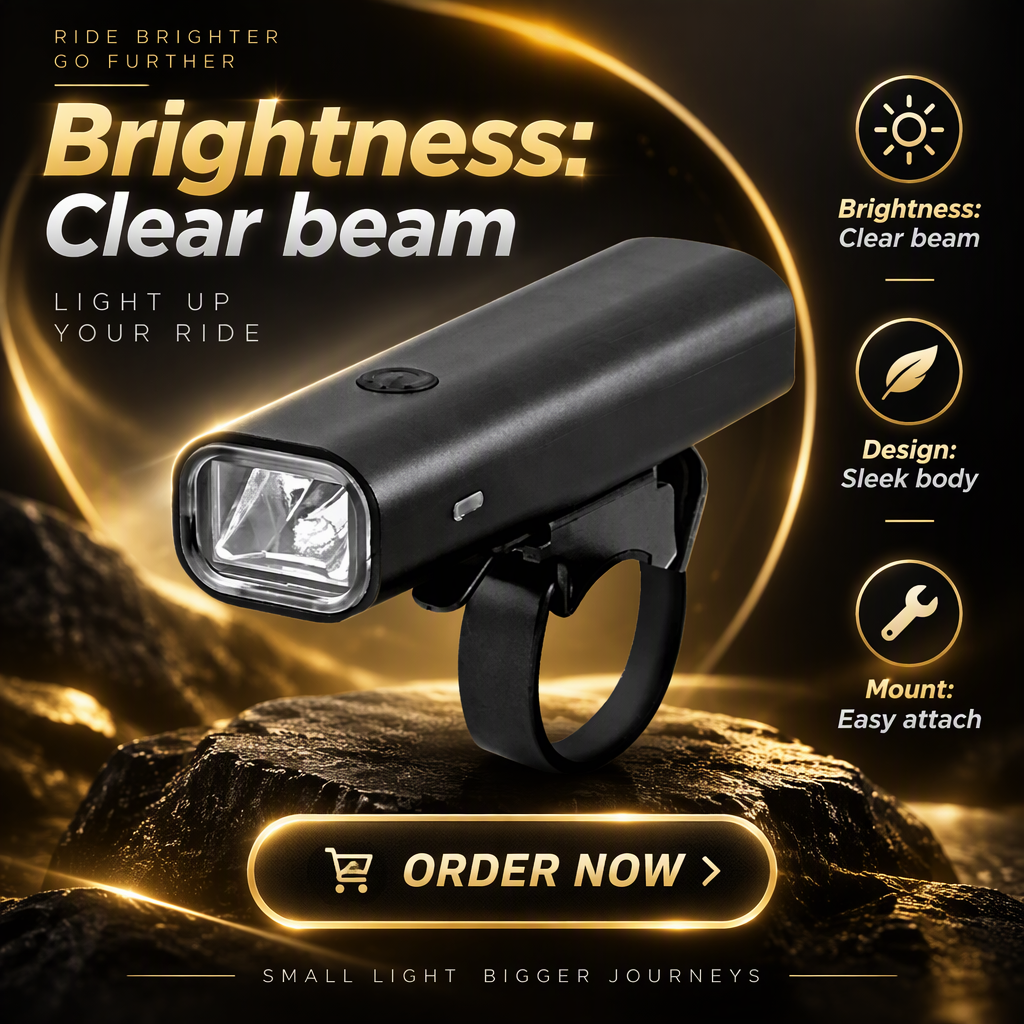
Integrated Front Luminaire
Hot Sales NIACONN LED USB COB Rechargeable 18650 Battery Front Bicycle Headlight IPX6
Technical Whitepaper: Germany & EU Region
The Shift in German Urban Mobility: Why Integrated Bike Horn Lights Dominate Procurement
In the contemporary German cycling ecosystem—spanning metropolitan transit corridors in Berlin, Munich, Frankfurt, and Hamburg—safety protocols have escalated beyond standard illumination. The surging adoption of S-Pedelecs (speed pedelecs capable of 45 km/h) and rapid urban e-commuter bikes has rendered classic mechanical bike bells fundamentally inadequate. At high speeds or amidst dense urban vehicular decibel levels, an acoustic alert system must generate an unambiguous, directed signal of 100 to 120 dB while seamlessly interacting with glare-free forward beam projections.
Procurement teams, distributor networks, and private-label cycle accessory brands across Germany are shifting capital away from standalone, battery-draining add-ons. Instead, the focus has pivoted toward integrated, dual-purpose bike horn light systems. A single, hermetically sealed aluminum unit mounted directly to the handlebar reduces cockpit clutter, conserves handlebar real estate, and allows centralized power management from either high-density internal lithium cells or direct integration into the e-bike central drive battery system (6V-48V wide-voltage DC step-down architecture).
Furthermore, the German Straßenverkehrs-Zulassungs-Ordnung (StVZO §67) sets the global benchmark for optical engineering. Unlike American or Southeast Asian markets where raw lumen output without beam control is widespread, the German legislative framework strictly prohibits upward scattered light that blinds oncoming traffic. Manufacturers catering to Germany must integrate precision-machined aspheric cut-off lenses or advanced faceted internal reflectors. This achieves a flat horizontal upper boundary ("Z-line cut-off") while concentrating light directly on the asphalt, simultaneously housing a resonant piezoelectric acoustic chamber that satisfies electromagnetic compatibility (EMC) without disturbing the internal LED driver circuitry.
Localized Application Scenarios Across the DACH Region
1. Fast-Paced Interurban Commuting (Radschnellwege - Bicycle Highways): On specialized express cycling tracks such as the RS1 in the Ruhr region, commuter speeds average 25-35 km/h. Optical modules require high lux levels (70 to 120 Lux measured at 10 meters) paired with low-frequency acoustic bursts to safely alert pedestrians and slower cargo bikes from significant stopping distances.
2. All-Weather Cargo & Commercial Delivery Fleets: The explosion of commercial e-cargo fleets (Lastenräder) operated by logistics carriers across German cities demands ruggedized IP66/IP68 waterproof ratings. These systems face relentless salt-spray exposure in Bavarian winters, persistent damp conditions, and round-the-clock vibration. An integrated horn light manufactured with ADC12 die-cast or 6061-T6 CNC anodized aluminum ensures passive heat dissipation, preventing LED lumen thermal depreciation while maintaining horn resonance chamber acoustics.
3. Multi-Terrain Gravel & Forest Trails (Waldwege): German leisure riders frequently transition from asphalt roadways to unpaved forest paths. This dual-use scenario requires versatile dual-mode systems: a compliant cut-off low beam for public street navigation coupled with a secondary high-output boost mode (up to 2000 lumens) and wide-frequency acoustic signaling for wilderness wildlife safety.
Manufacturing Capabilities
Why Global Tier-1 Importers Partner With Our Factory
Combining over 15 years of lighting design with high-precision CNC tooling, surface mount automation, and strict Intertek-verified production controls.
In-House CNC Machining & Thermal Dynamics
We utilize proprietary 4-axis and 5-axis CNC machining centers to fabricate monolithic 6061 aircraft aluminum chassis. These housings serve dual purposes: providing thermal sinking capacity that keeps junction temperatures below 65°C and forming an acoustic sound chamber that maximizes decibel efficiency without acoustic distortion.
Intertek Onsite-Verified Quality Control
Our 2,582 m² production facility has undergone complete third-party auditing by Intertek. Every batch passes strict quality milestones: optical goniophotometer flux verification, ultrasonic water submersion testing (IPX6-IP68), drop impact testing, and automated 100% 4-hour aging burn-in cycles prior to packaging.
Flexible OEM/ODM & Custom Branding
Support for high-precision laser logo etching, custom powder coating, anodized surface treatments, tailored PCB driver programming (custom LUX/dB curves), and turnkey retail packaging designed to meet Amazon FBA logistics compliance, CE, FCC, RoHS, and EU patent criteria.
Buyer Intelligence
Procurement & Engineering FAQ for German Importers
Direct technical and commercial answers addressing compliance, voltage design, certification barriers, and production lead times.
How does an integrated horn light comply with German StVZO §67 requirements?
Under StVZO §67, front headlights must project a beam with a clean horizontal cut-off to prevent dazzling incoming drivers. While mechanical bells are historically standard, electric horns are mandated or permitted for specific micro-mobility categories such as S-Pedelecs (L1e-B class). Our optical engineers implement optical-grade PMMA lenses that project compliant cut-off angles while integrating multi-tone piezoelectric buzzers isolated on independent circuits to pass K-Mark and CE EMC standards.
Can your lights integrate directly into Bosch, Shimano, or Brose e-bike drives?
Yes. In addition to self-contained USB-C rechargeable models, we specialize in e-bike integrated configurations supporting broad input ranges (DC 6V–60V). Our internal step-down constant-current drivers prevent fluctuations from damaging high-power CREE or OSRAM LED emitters when motors experience peak torque draws.
What is the standard production lead time and Low-MOQ policy for initial test orders?
To support brand evaluation and rapid market validation in the German market, we welcome low-MOQ sample runs (as low as 100–500 units for standard housing configurations with custom laser branding). Rapid prototyping lead times average 7–10 business days, while volume mass production typically completes within 25–35 days with full sea or air DDP fulfillment capability.
How do you guarantee acoustic clarity when the horn is exposed to extreme weather?
German winters present severe environmental challenges including sub-zero temperatures, dense road salt, and persistent freezing rain. Our horns utilize hydrophobic breathable ePTFE acoustic membranes. This acoustic vent allows unobstructed 110–120 dB acoustic propagation while establishing an impermeable barrier against liquid water, mud, and dust particles, maintaining consistent IP66 to IP68 hermetic integrity.