Tier-1 OEM/ODM Catalog
Engineered Bicycle Lights & Precision Electronics
Explore our flagship lighting systems, tactile rear alert units, and field equipment tested to withstand rainy Rhineland commutes, dense urban congestion along the Rhine river corridors, and aggressive mountain trail expeditions.
Dual Light Kit
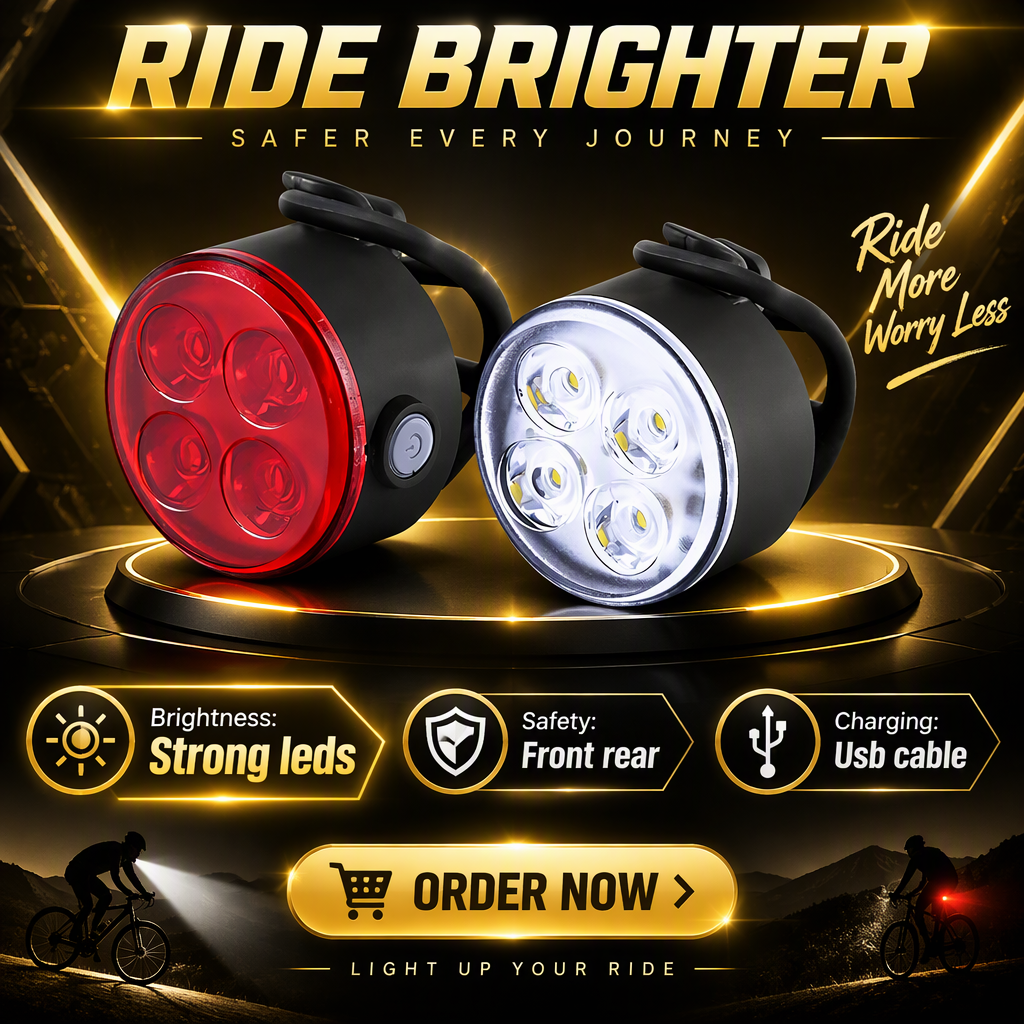
USB Rechargeable LED Mountain Bike Headlight & Taillight Fog Set (400LM IPX4)
- Super Bright 400LM
- IPX4 Sealed ABS
- 4 Dynamic Modes
- Dual Set Integration
Smart Lighting
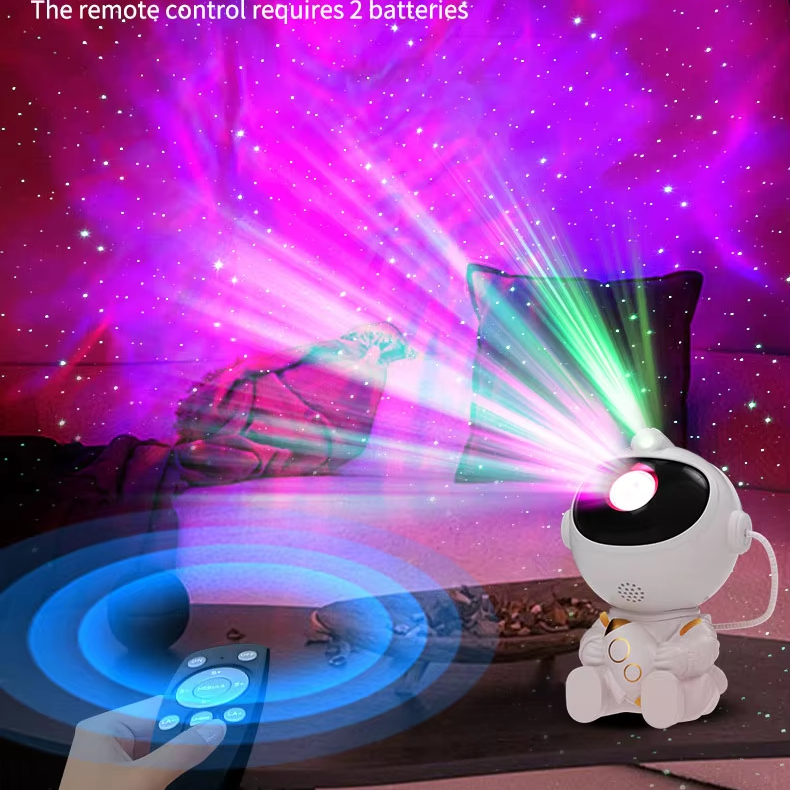
Dimmable ABS USB Remote Control White Shade Energy Star LED Smart Light
- Wireless Remote
- RGB Multi-Color
- Eco-Certified
- Energy Star Class
Tactical EDC
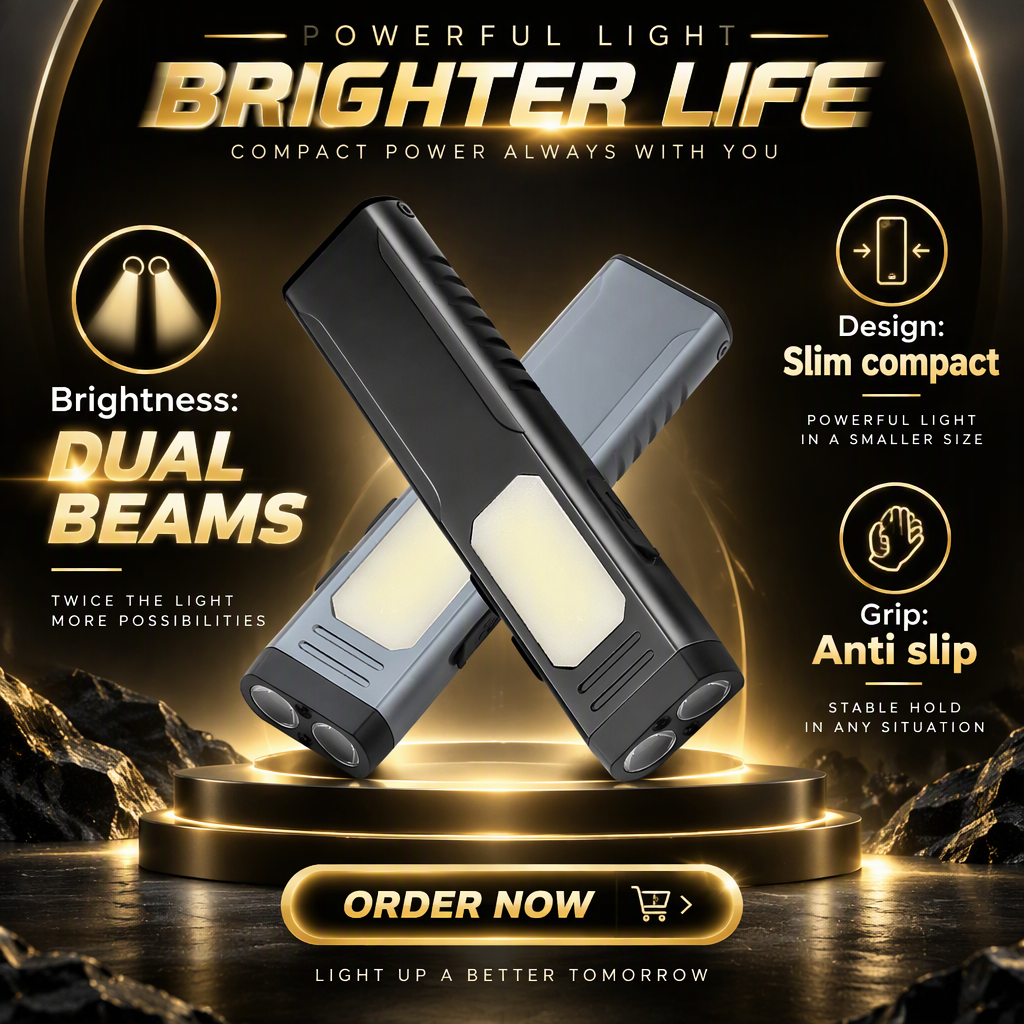
1000LM COB Tactical Flashlight Waterproof UV LED War Alarm EDC Torch
- 1000 Lumens
- Aluminum Body
- IP65 Waterproof
- UV & Warning Audio
IPX6 Front Beam
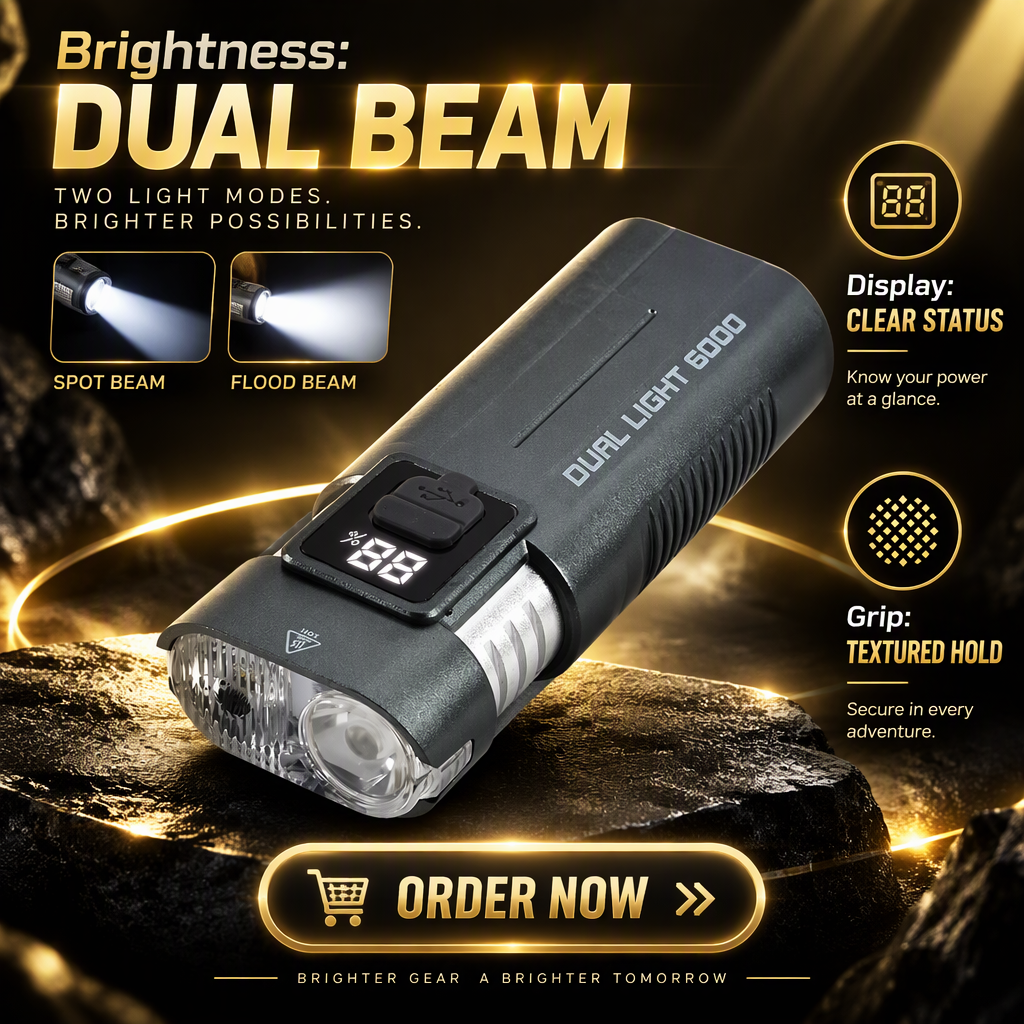
Waterproof IPX6 Rechargeable LED Handlebar Headlight 4 Modes ABS
- IPX6 Heavy Rain
- Handlebar Clamp
- High/Med/Low/Flash
- Impact Resistant
Telemetry Device
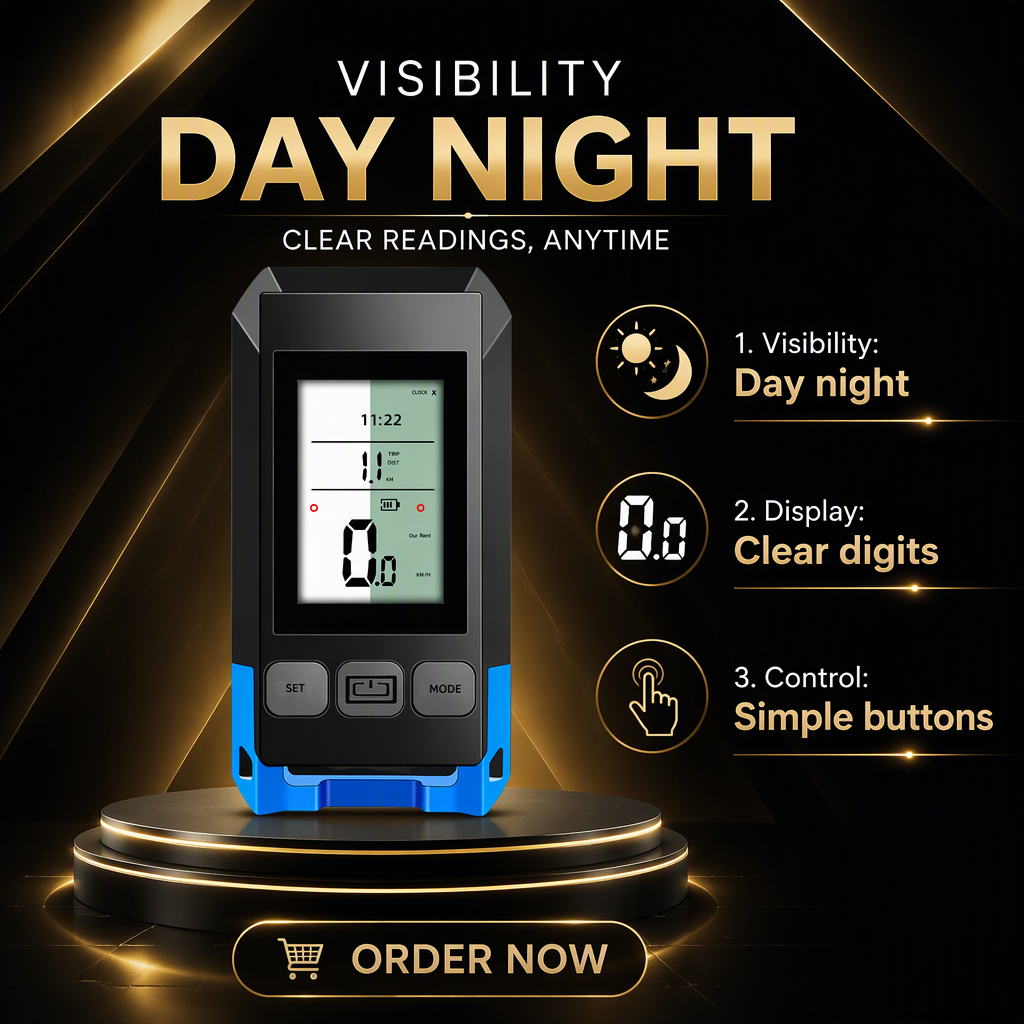
NIACONN NIA-Z016 Wireless Waterproof Touchscreen Speedometer Odometer
- Wireless Sensor
- Touchscreen LCD
- USB Rechargeable
- IPX6 Waterproof
Core Rear Unit
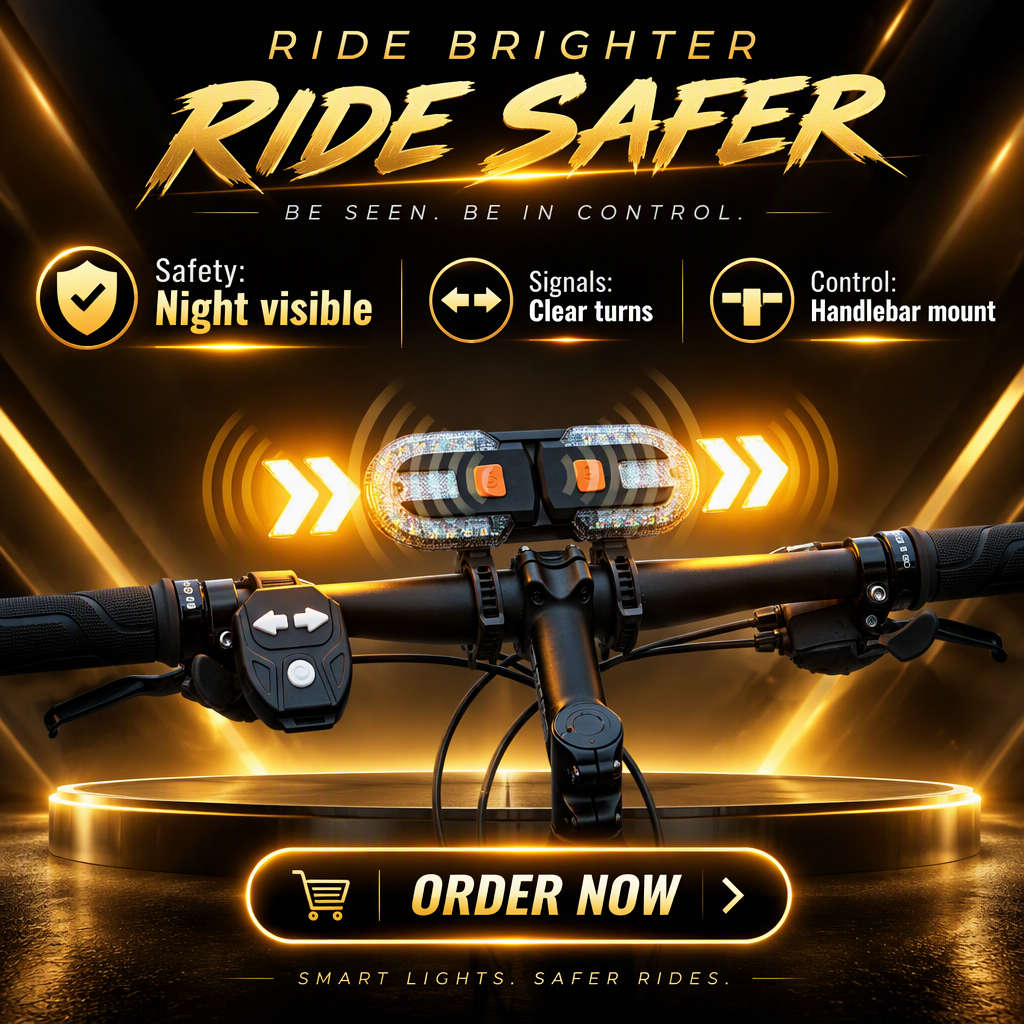
USB Rechargeable IPX5 Waterproof LED Seatpost Tail Light 5 Modes ABS
- Wide-Angle Optics
- Aero/Round Post Strap
- 5 Multi-Cadence Modes
- Quick-Release Base
Solar Landscape
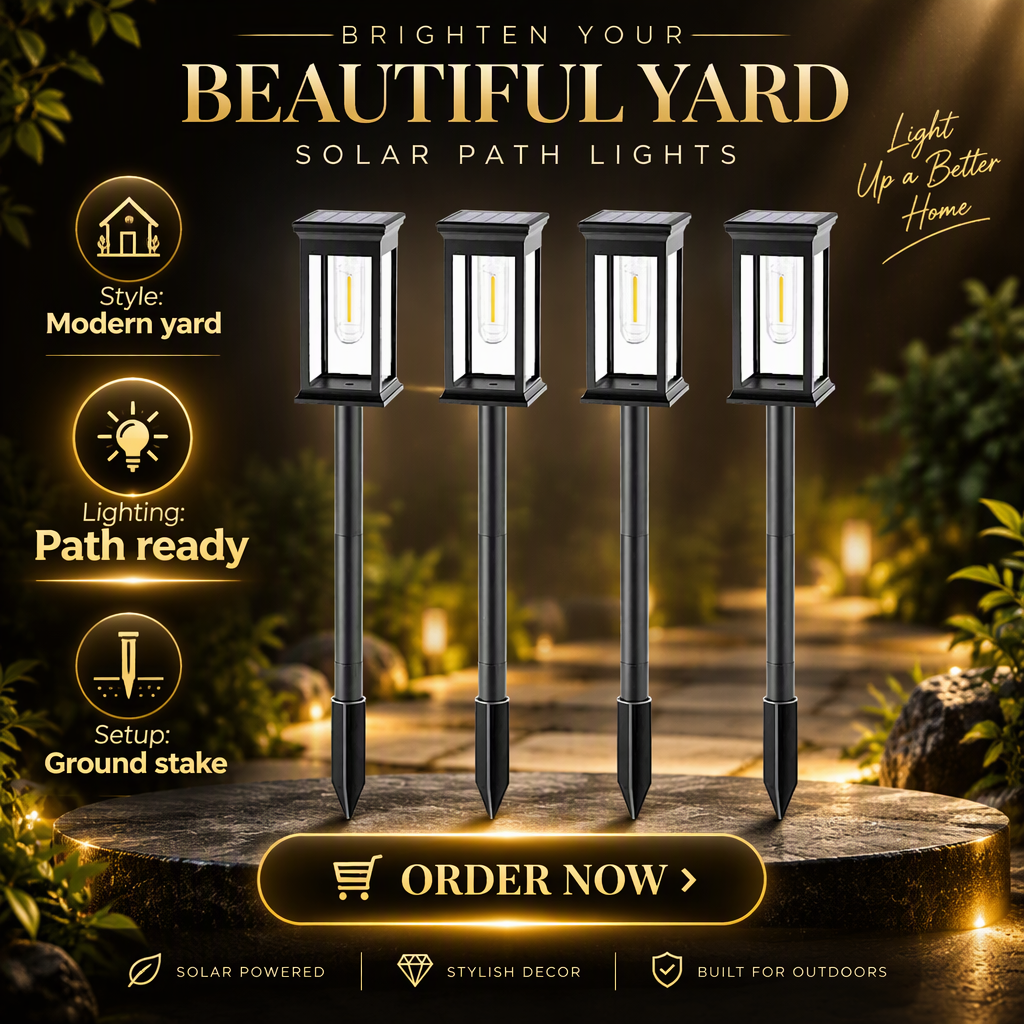
Solar 5W Warm White LED Pathway Light IP65 Rechargeable Garden Lamp
- Monocrystalline Panel
- Warm White 3000K
- IP65 Outdoor Grade
- CE / RoHS Compliant
UV EDC Inspection
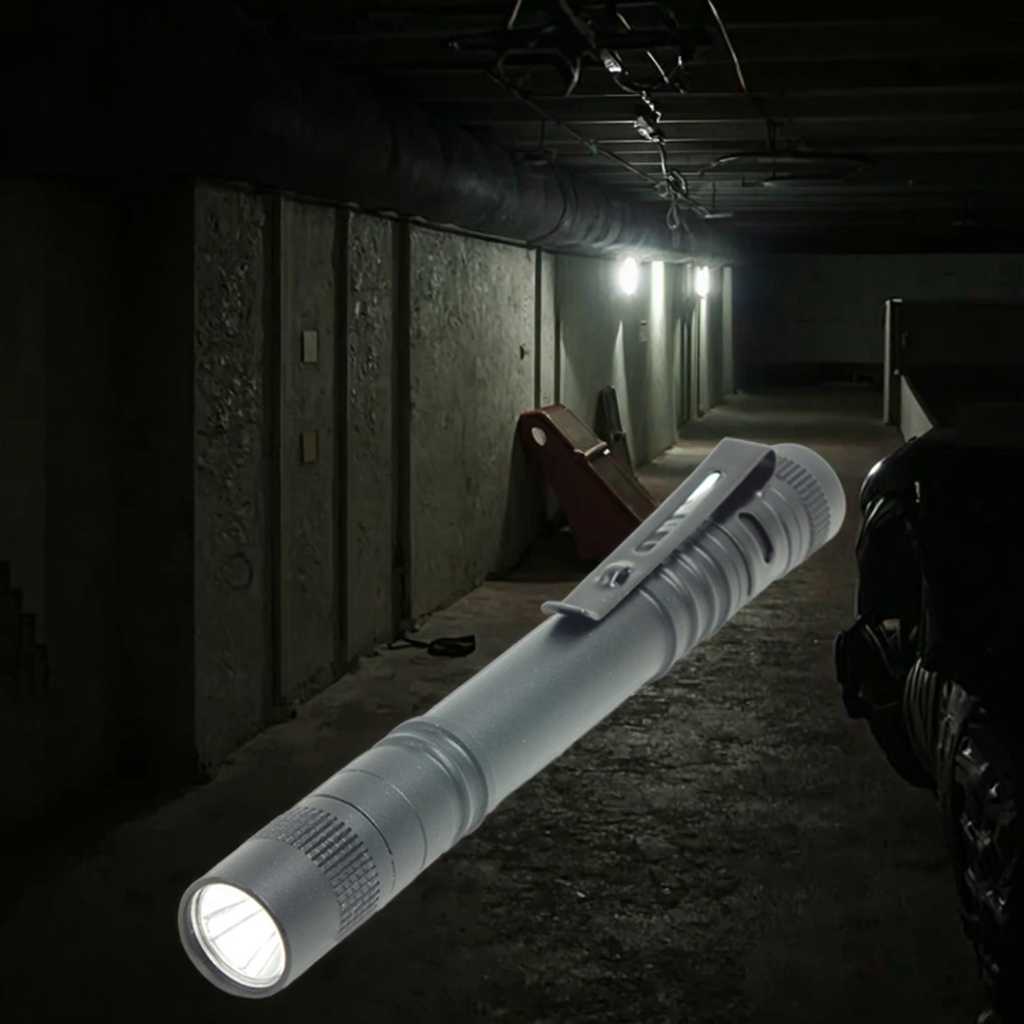
AAA LED Mini Flashlight Penlight EDC 395nm UV Industrial Aluminum Torch
- 395nm UV Wavelength
- Aviation Alloy Body
- USB Quick-Charge
- Pocket Clip Form
15+
Years LED R&D (Since 2008)
2,582m²
Intertek Audited Plant
400k+
Monthly Unit Capacity
99.7%
Buyer Response Rate
100%
CE, RoHS & FCC Checked
Hyper-Local Market Dynamics
Navigating the Cologne Bicycle Ecosystem: Infrastructure, Commuter Cadence & Climatic Demands
Cologne (Köln) represents one of Germany’s most dynamic cycling hubs. Under the municipal initiative Fahrradverkehrskonzept Köln 2030, the city has continuously reallocated urban traffic corridors away from combustion vehicles into dedicated cycling highways (Radschnellwege) and protected bike arteries. From the busy crossings of the Hohenzollernbrücke, Deutzer Brücke, and Severinsbrücke to the university thoroughfares traversing Ehrenfeld and the Belgisches Viertel, cyclist density demands rear signaling devices that provide immediate optical discernment under heavy ambient city illumination.
Furthermore, the metropolitan Rhineland climate imposes harsh operational variables during the autumn and winter months (Oktober bis Februar). Persistent maritime fog, heavy drizzle, road salt exposure, and dawn/dusk commutes require bicycle tail lights to possess robust ingress protection (minimum IPX5, recommended IPX6), ultrasonic housing hermetic seals, and optical lenses that prevent refractive distortion caused by surface condensation.
| Cologne Commuter Corridor | Primary Hazard Profile | Optical / Functional Requirement | Recommended OEM Rear Light Spec |
|---|---|---|---|
| Rhine River Bridges (Deutz – Innenstadt) | Crosswinds, high cycling congestion, fast scooter traffic | Wide horizontal visibility (≥ 220°), vibration-resistant seatpost mount | Dual-LED COB strip, flexible elastomeric bracket, 35+ Lumen output |
| Venloer Straße & Ehrenfeld Transit | Dooring hazards, multi-lane delivery vans, heavy urban glare | Instant deceleration warning (Kinetic G-sensor pulse), daytime alertness | Integrated smart 3-axis accelerometer, auto-brightening braking mode |
| Königsforst & Outer Green Belt (Gravel/MTB) | Total absence of ambient streetlights, tree cover, mud/water spray | High candela spot-throw, IPX6 water resistance, extended runtime | Aluminum thermal heat-sink shell, 800mAh+ Li-Po battery, USB-C quick port |
| Südstadt Family Cargo Corridors (Lastenrad) | Wide rear frames, low mounting positions, variable cargo heights | Multi-angle bracket adapter, universal rack mounting (50mm/80mm hole spacing) | Dual rack-and-seatstay modular enclosure with high-efficiency red diffuser |
As private-label distributors, bicycle assembly factories (OEMs), and e-commerce brands in North Rhine-Westphalia procure stock, products must be configured to navigate both strict regulatory regimes (such as German StVZO technical guidelines) and general European enthusiast markets where high-output flashing rhythms are utilized for daytime safety.
Industry Intelligence & Evolution
Macro Industry Trends Transforming the European Bicycle Rear Lighting Sector
The European bicycle safety lighting sector is experiencing a massive technological shift driven by three primary vectors: electronics miniaturization, autonomous active safety sensors, and stringent regulatory circularity directives. For brand owners seeking commercial longevity in the German market, understanding these transitions is crucial when drafting OEM product roadmaps.
Autonomous Kinetic Braking (G-Sensor)
Modern Cologne commuters prioritize brake-force-activated rear illuminators. Integrated 3-axis MEMS accelerometers register negative acceleration within 15 milliseconds, temporarily modulating the luminous flux from standard standby (10–15 lm) to ultra-bright burst mode (60–100 lm) to prevent rear-end collisions.
Universal USB-C & Power Density
EU Directive 2022/2380 mandates standardized USB Type-C charging across portable electronics. Our light engines feature integrated micro-controllers managing Over-Charge Protection (OVP), Over-Discharge Protection (UVP), and constant-current LED drivers to guarantee stable light output regardless of remaining battery voltage.
Circularity & BattG / VerpackG Compliance
German importers face heavy audit scrutiny regarding WEEE registration (ElektroG), battery take-back directives (BattG), and packaging licensing under the LUCID register. Partnering with FEXA grants distributors access to complete material test certificates (RoHS, REACH) and demountable lithium-cell housing designs.
E-Bike Integration (DC 6V–48V Stepper)
With North Rhine-Westphalia registering peak e-bike market penetration, tail light design is shifting from standalone batteries toward hybrid units capable of being powered directly from Bosch, Shimano, or Brose motor drives with wide-range step-down DC converters.
Onsite-Verified Factory Infrastructure
Why Cologne Importers Rely on Shenzhen FEXA Technology
Founded in 2008 and independently inspected onsite by Intertek, Shenzhen FEXA Technology Co., Ltd. operates 2,582 m² of specialized optoelectronic manufacturing facilities. We combine rapid tooling prototyping, precision CNC aluminum body machining, automated surface mount technology (SMT), and cleanroom optical lens assembly under one unified quality management umbrella.
- In-House CNC Metal Processing: High-tolerance 6061 aviation aluminum bodies serving as integrated heat sinks to stabilize thermal degradation on high-power LED dies.
- Intertek Audited Production Reliability: Verifiable third-party assessment covering structural production capacity, social compliance, and ISO quality adherence.
- Full Tier-1 Customization (OEM/ODM): Precision fiber laser logo engraving, pantone-matched anodization, bespoke Fresnel optic arrays, and tailored retail packaging.
- Amazon FBA & German Retail Ready: Direct barcoding (EAN/FNSKU), pallet configuration compliant with European logistics hubs, and air/sea door-to-door forwarding.
Direct Procurement Matrix
Whether you are stocking regional retail outlets in Cologne, selling via Otto/Amazon.de, or assembling complete bicycle lines, our engineering desk facilitates fast turnarounds:
Sample Lead Time: 3 – 7 Working Days
Mass Production MOQ: Low MOQ Trials Supported
Transit to Cologne (CGN/Fra): 5–8 Days (Air) / 28 Days (Sea)
Payment Safeguards: T/T, L/C, PayPal, Escrow
B2B Procurement Knowledge Base
Frequently Asked Questions by German Importers
Detailed technical and commercial clarifications addressing regulatory compliance, custom prototyping, freight consolidation, and after-sales guarantees.
How do your tail light models align with German StVZO (§ 67) regulations versus international EU distribution?
German road traffic regulations (StVZO § 67) strictly dictate photometric distribution curves: bicycle rear lights permitted on German roads must emit a continuous, non-glare red light without strobe or flashing sequences, alongside specific mounting angle tolerances and Z-reflectors. For our German B2B clients, we engineer dedicated StVZO-firmware configurations with continuous output modes and certified light patterns. For clients distributing to neighboring Benelux or broader EU/UK territories where pulse/flashing modes are encouraged for daylight visibility, we offer dual-mode firmware or separate export models tailored to those specific territories.
What certifications and safety documentation accompany your bicycle light shipments into Germany?
Every shipment is backed by verified CE (EMC Directive 2014/30/EU) test reports, RoHS 2.0 (Directive 2011/65/EU and amendment 2015/863) compliance certificates, and FCC documentation. Our lithium-ion rechargeable battery modules feature genuine UN38.3 test summaries, IEC 62133 compliance, and Material Safety Data Sheets (MSDS), ensuring safe air freight processing via Cologne Bonn Airport (CGN) or maritime transit into Hamburg/Rotterdam without customs impoundment.
Can we commission low-MOQ trial orders with laser-engraved corporate branding for market testing in Cologne?
Yes. We recognize that validating new cycling accessories across regional brick-and-mortar bike shops or pilot online listings requires agile inventory. We accommodate low-MOQ sample runs and initial pilot batches. Our in-house fiber laser marking equipment allows us to apply your high-definition vector logo, custom model designations, and required CE/WEEE iconography directly onto aluminum or ABS enclosures without incurring expensive mold modification charges.
How does FEXA support German packaging laws (VerpackG) and e-commerce platform compliance (Amazon.de)?
For marketplace sellers on Amazon.de, eBay Germany, or Otto, packaging must comply with the German Packaging Act (VerpackG / LUCID register). We supply eco-friendly, plastic-free kraft cardboard packaging options, print your registered LUCID/EPR information and WEEE trash-can marks, and affix Amazon FNSKU barcode stickers and master carton carton markings directly on the production line, enabling immediate transfer to FBA fulfillment centers across North Rhine-Westphalia (such as DUS2 in Rheinberg or CGN1 in Koblenz).
What is the mechanical durability and ingress protection level of your seatpost mounts against Rhineland weather?
Our brackets utilize cold-resistant, UV-stabilized silicone elastomers combined with high-grade polycarbonate-ABS quick-release latches. Tested across temperature swings from -20°C to +50°C, our mounts resist degradation from winter road-deicing salt, cobblestone vibrations (such as those found in Cologne's Altstadt), and high-frequency trail chattering. Lighting bodies boast precision silicone gasket sealing rated from IPX5 to IPX6, completely isolating the internal SMT circuit board from high-pressure water spray and torrential downpours.
What payment arrangements and incoterms are available for European business clients?
We operate under standard international incoterms including FOB Shenzhen, CIF Hamburg/Rotterdam, EXW, and DDP (Delivered Duty Paid) directly to your Cologne warehouse. Payment arrangements include Telegraphic Transfer (T/T), Letter of Credit (L/C), PayPal for pilot samples, and secure Escrow arrangements, with multi-currency invoicing supported in EUR (€) or USD ($).
Ready to Scale Your Bicycle Lighting Program in Cologne?
Consult with our optoelectronic hardware engineers today. We will review your photometric requirements, confirm regulatory pathways, and dispatch evaluation samples directly to your business address.