OEM / ODM Production Portfolio
Featured Cycling Illumination & Electronic Hardware
High-performance bicycle headlights, intelligent multi-function cycle computers, solar-assisted outdoor luminaires, and tactical field optics engineered to meet international photometric, thermal, and ingress standards.
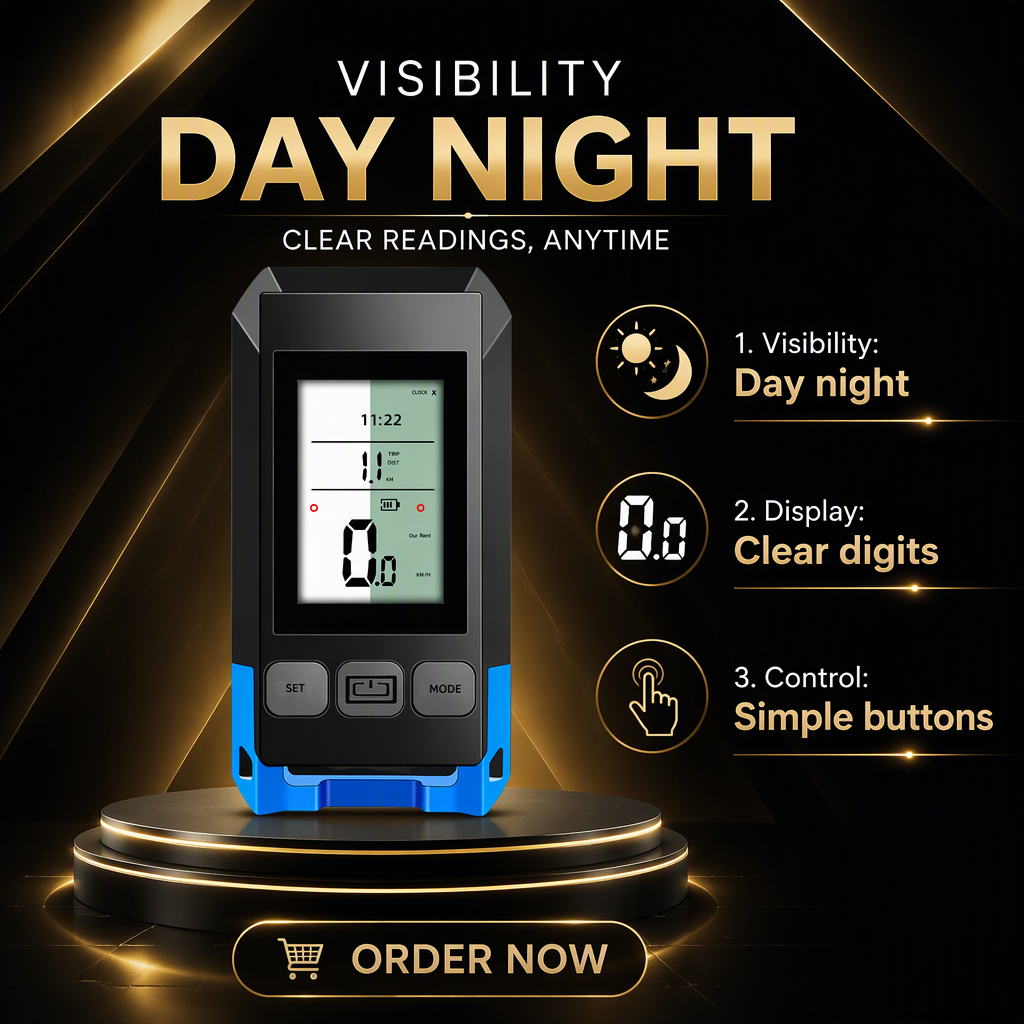
Bicycle Computer
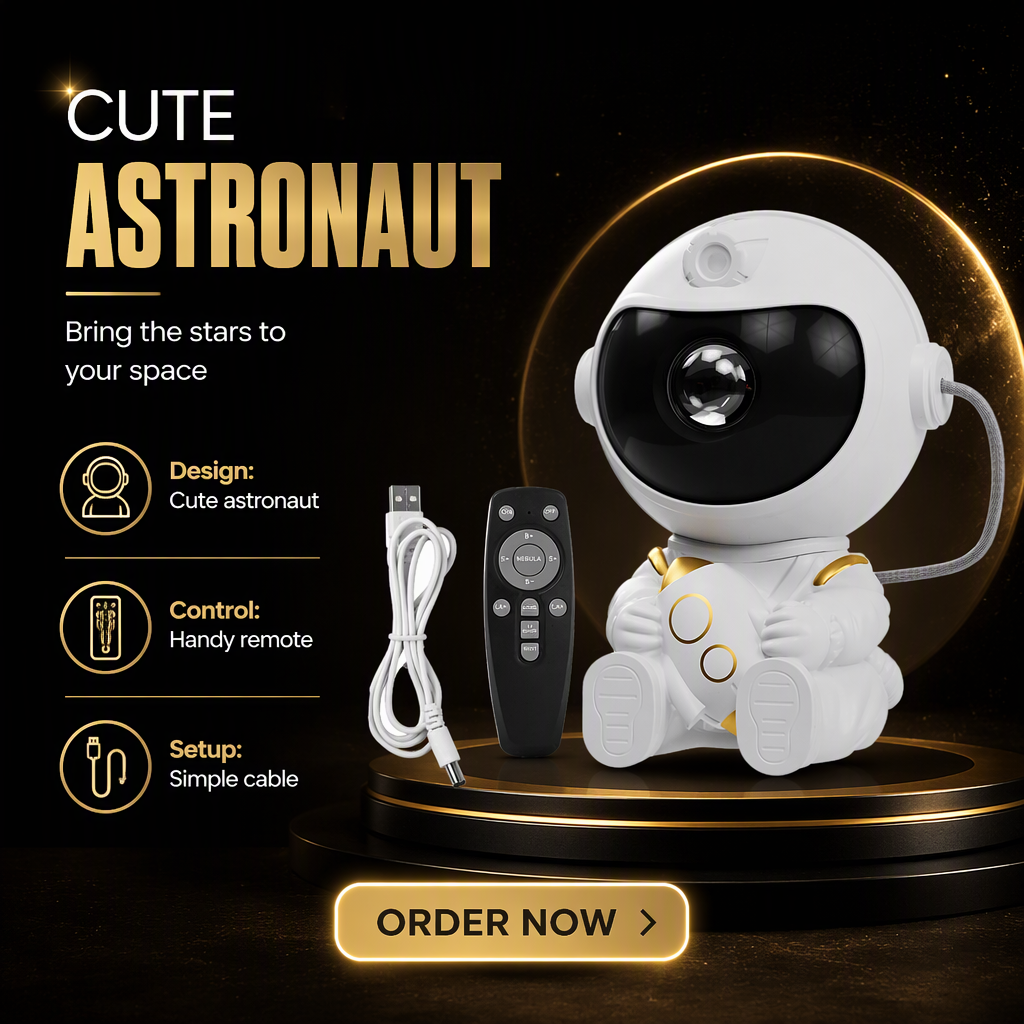
Ambient Optics
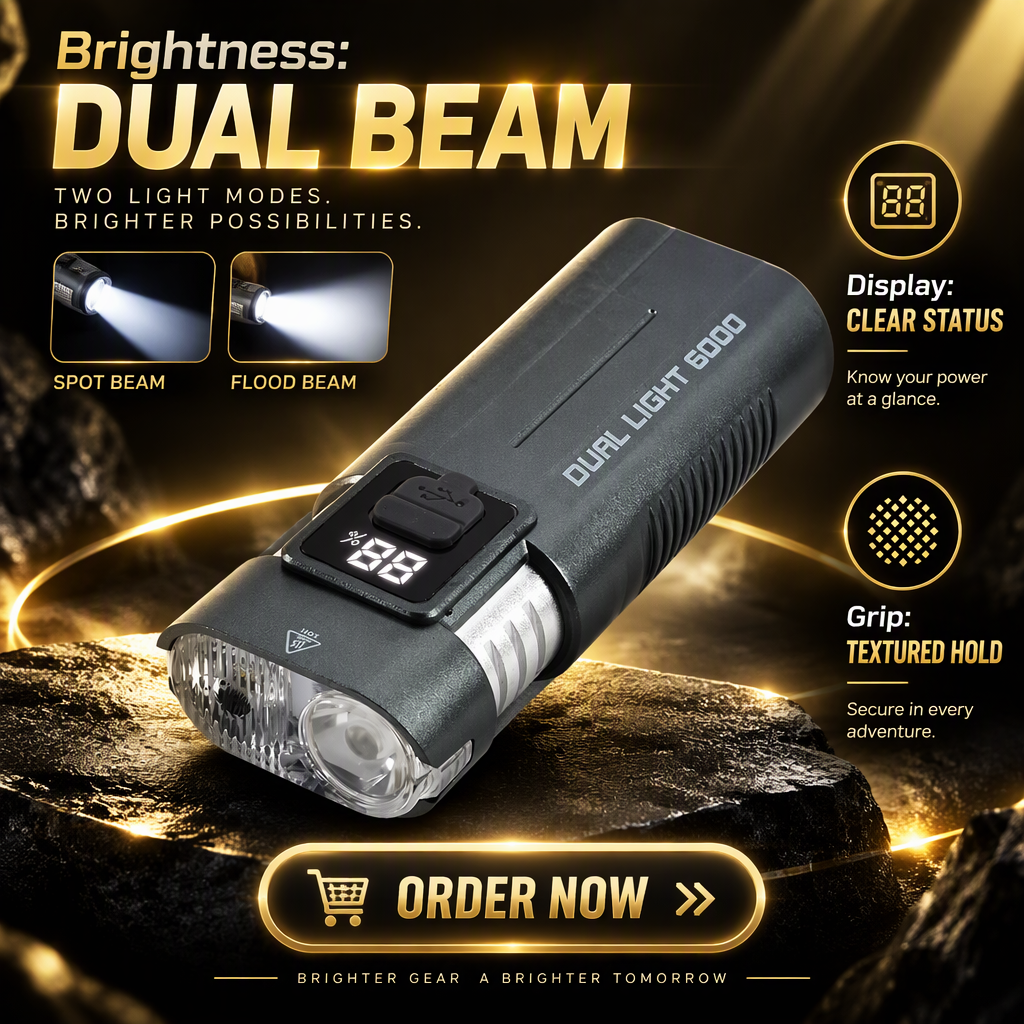
MTB Headlight
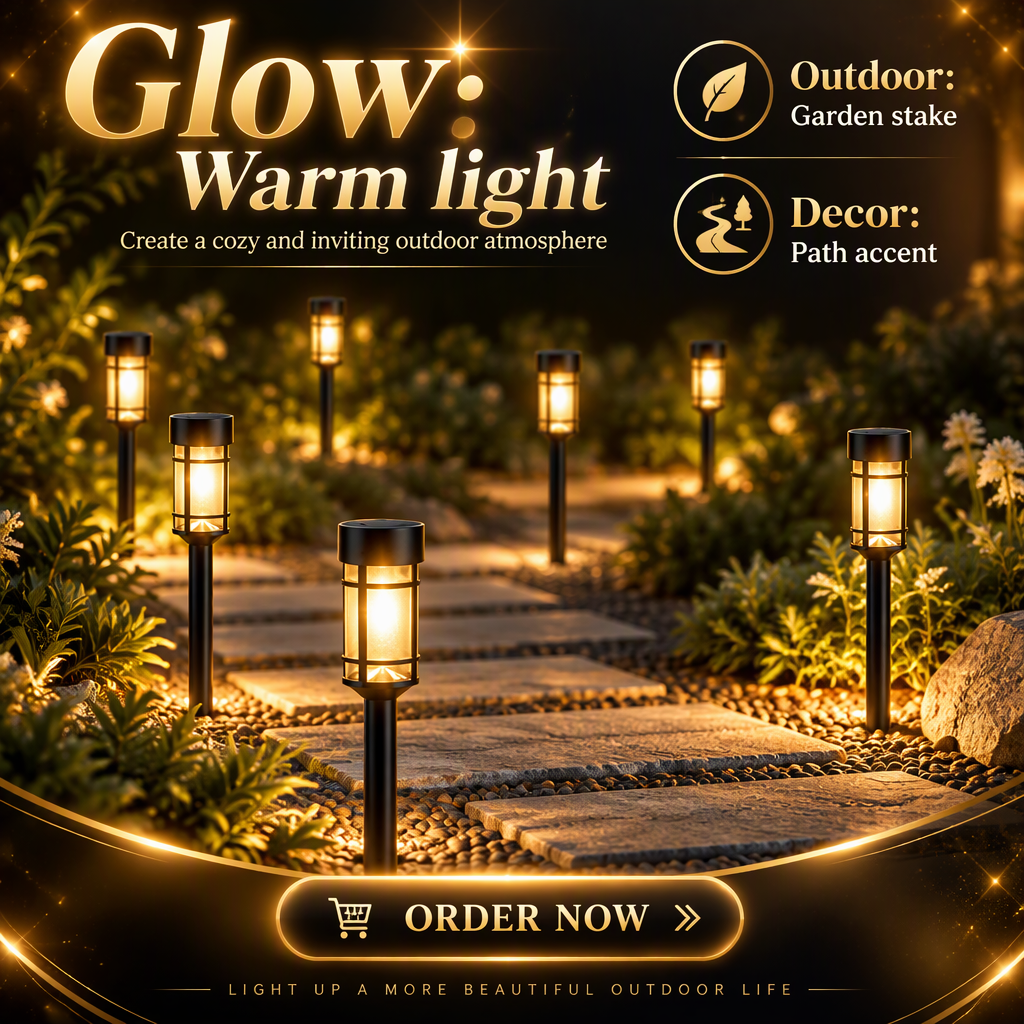
Solar Security
Combo Set
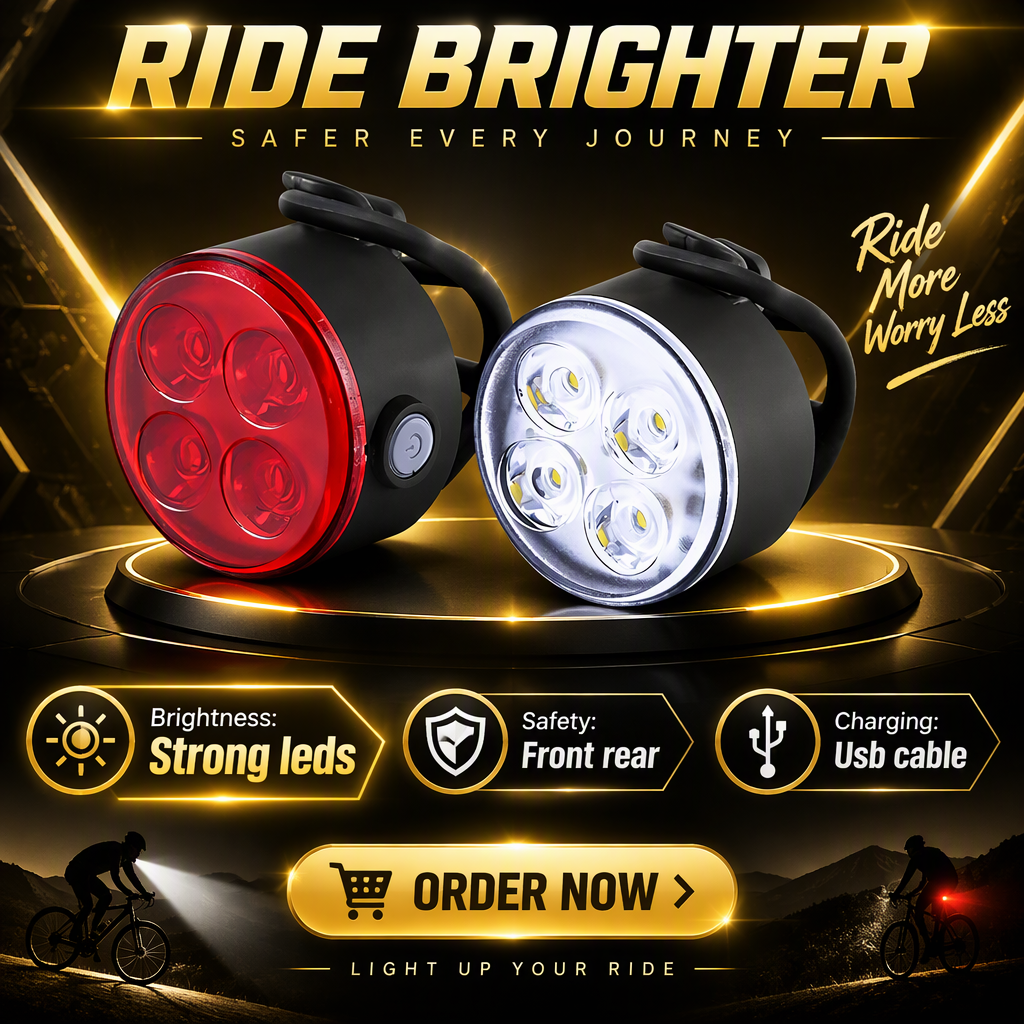
Trail Marking
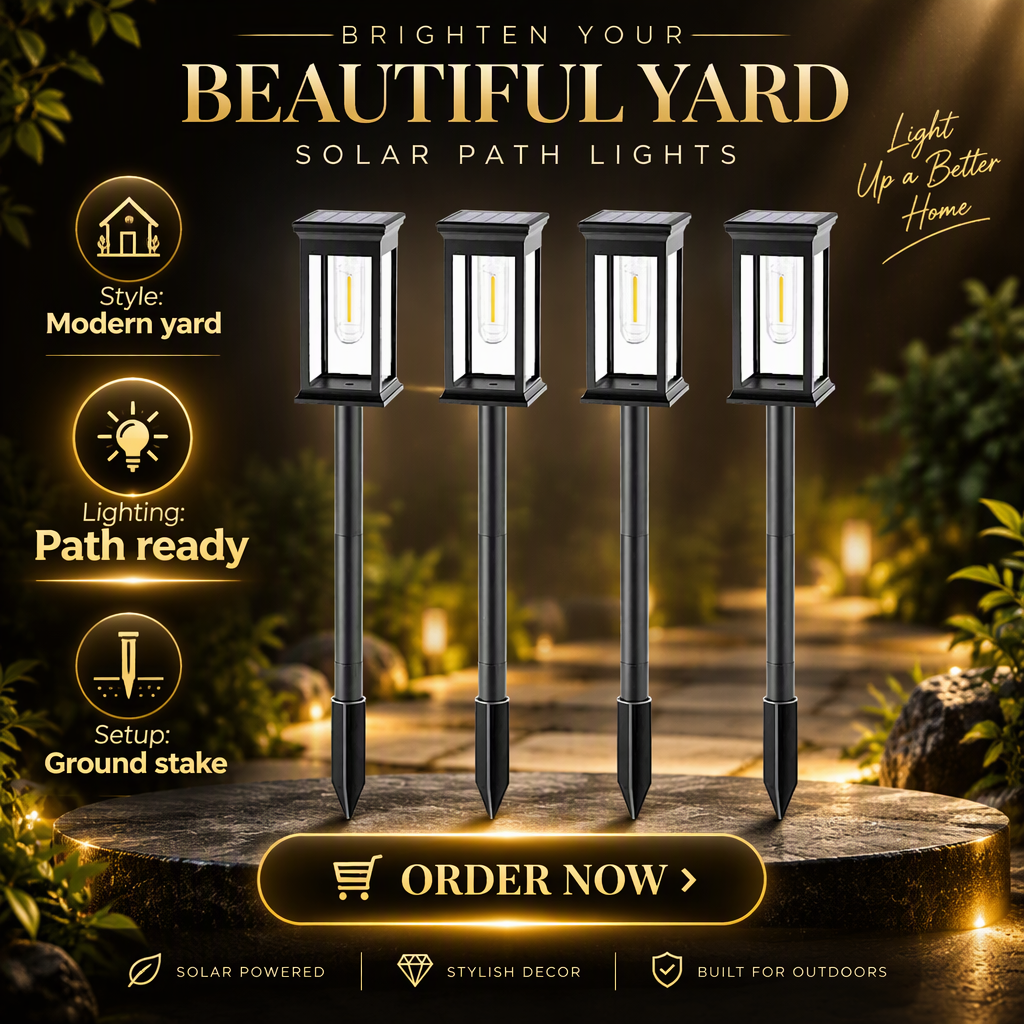
Helmet / Headlamp
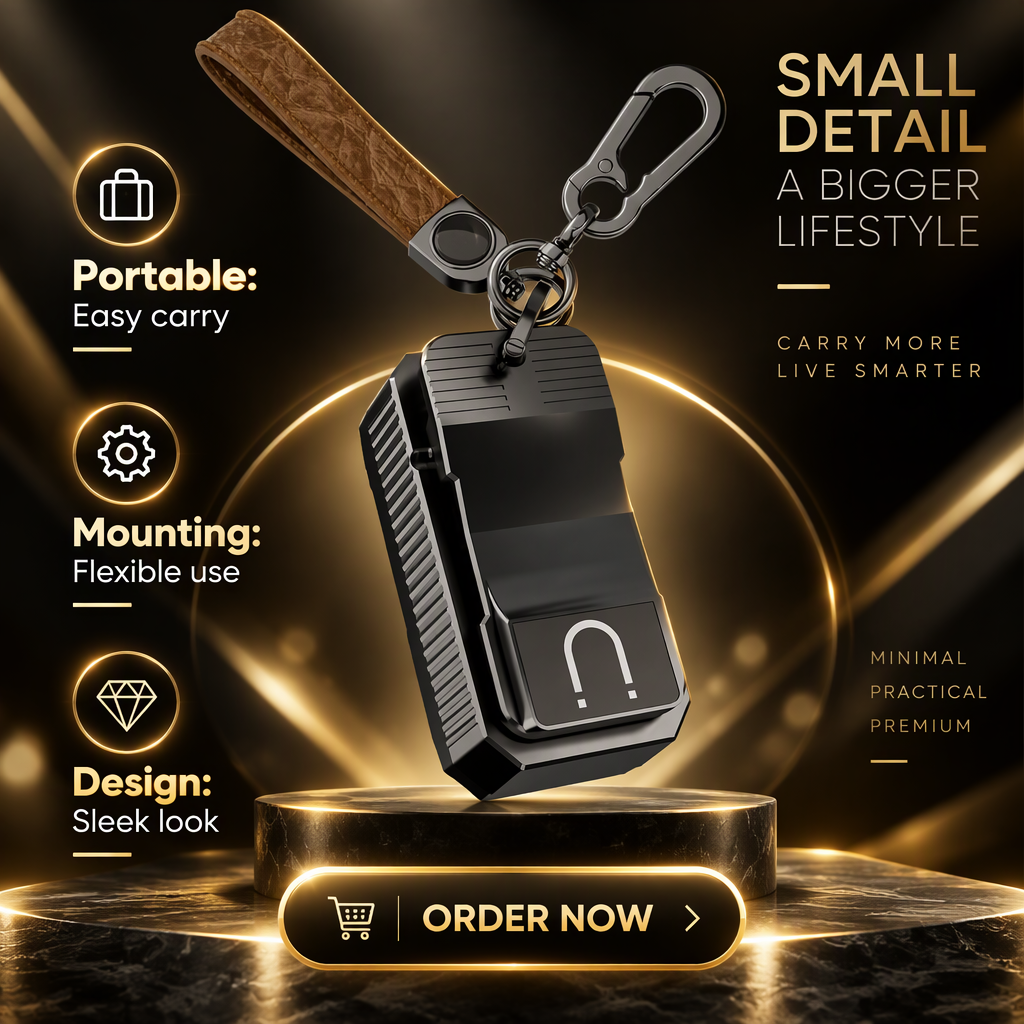
Tactical Optics
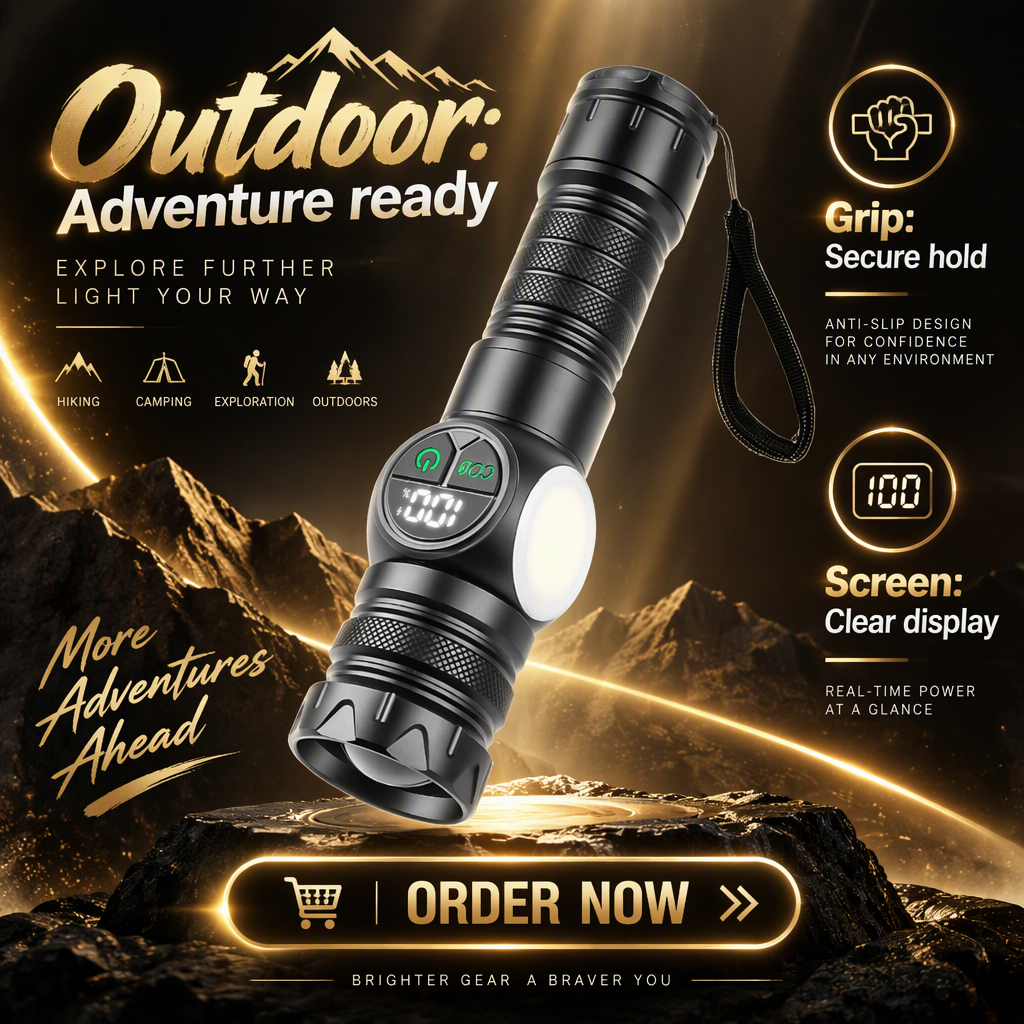
The Strategic Dominance of China in Global Bicycle Lighting Manufacturing
The international bicycle lighting industry has undergone an aggressive paradigm shift over the past decade. Driven by the worldwide resurgence of urban cycling, the explosive proliferation of high-speed e-bikes, and the institutional enforcement of strict road-safety mandates across the European Union and North America, cycling lights have migrated from rudimentary battery-operated safety beacons to sophisticated, electro-optical telemetry systems. At the center of this industrial evolution stands China's integrated manufacturing ecosystem—specifically anchored across the Greater Bay Area (Shenzhen, Dongguan, Zhongshan) and the Yangtze River Delta (Ningbo, Yuyao, Cixi).
China currently accounts for more than 85% of total global bicycle light production. This manufacturing supremacy is not merely rooted in raw labor or assembly capacity; rather, it is sustained by an ultra-dense, end-to-end component ecosystem that encompasses surface-mount technology (SMT) PCBA fabrication, high-precision computer numerical control (CNC) aluminum extrusion, specialized optical injection molding for Total Internal Reflection (TIR) collimators, automated ultrasonic welding, and advanced lithium-ion battery integration. For international B2B importers, procurement officers, and private label brand owners, partnering directly with audited Tier-1 Chinese manufacturing facilities represents the decisive lever for achieving optical supremacy, regulatory compliance, and margin sustainability.
Critical B2B Takeaway: Modern sourcing of bicycle lights requires looking beyond pure headline lumen claims. OEM/ODM buyers must audit a supplier's internal capability in photometric beam distribution, thermal runaway management (junction temperature dissipation), water ingress sealing (IPX6 to IP68), and compliance documentation for target jurisdictions including Germany's StVZO, the US ANSI/NEMA FL-1, and the EU Battery Regulation 2023/1542.
Geographical Clustering of Chinese Cycling Light Manufacturers
Understanding China's specialized regional clusters is fundamental for international procurement directors seeking to balance production speed, unit costs, and high-end engineering tolerances:
Shenzhen & Pearl River Delta
The global epicenter for high-end optical engineering, smart firmware integration (Bluetooth, ANT+, CAN-bus), CNC aerospace aluminum alloy housings, and high-lumen MTB trail lighting. Ideal for tier-one brands demanding customized optical lenses, low-MOQ rapid prototyping, and Intertek/SGS verified quality standards.
Ningbo & Cixi Industrial Belt
Specializes in high-volume, automated plastic injection molding, economical commuter blinkers, silicone strap taillights, and fast-moving consumer accessories. Highly optimized for mass retail supply chains, hypermarket distribution, and low-cost containerload shipments where cost-per-lumen is paramount.
Kunshan & Changzhou (Jiangsu)
Primarily tightly integrated into the complete bicycle assembly supply chain (Giant, Merida, and domestic e-bike assembly hubs). Excels in hard-wired E-bike drive-unit integrated front and rear lights, dynamo hub headlights, and OEM rack-integrated taillights requiring custom harness tooling.
Technological Architecture: Critical Engineering Trends Shaping Sourcing
In previous product lifecycles, bicycle light manufacturing revolved around placing a high-drain LED emitter (such as a Cree XM-L or Luminus SST) behind an open parabolic reflector, powered by an unprotected 18650 cell. Today, such designs face widespread market rejection and severe regulatory liability in key Western markets. Importers must align their product portfolios with three major technical frontiers:
1. Optical Engineering & StVZO Horizontal Cut-Off Beams
The European market, led by Germany's strict Road Traffic Licensing Regulations (Straßenverkehrs-Zulassungs-Ordnung, or StVZO §67), strictly prohibits symmetrical circular flashlight beams that blind oncoming traffic. Compliant Tier-1 Chinese factories employ advanced optical modeling software (such as LightTools and Zemax) to engineer asymmetric freeform reflectors and faceted polycarbonate TIR lenses. These optics direct 80% of emitted luminous flux below the horizontal cut-off line, creating an even, high-contrast light carpet across the asphalt while keeping lux values at oncoming eye-level below 2.0 Lux at 10 meters. Factories possessing in-house goniophotometer measurement darkrooms are now mandatory partners for serious brand developers.
2. Active Thermal Regulation & CNC Aerospace Heat Sinking
As lumen outputs on compact handlebar lights push from 800 lm to over 2,000 lm, thermal throttling has become the primary failure point. An LED running above a junction temperature (Tj) of 85°C suffers irreversible lumen degradation, color-shift toward purple, and premature diode burn-out. Premier manufacturers in Shenzhen utilize 6061-T6 hard-anodized aluminum billet machined on multi-axis CNC centers. These aluminum alloy enclosures serve a dual structural and thermodynamic function: channeling heat away from the PCB via copper thermal core plates and active NTC thermistor feedback loops that smoothly scale down milliamp drive current without abrupt shut-offs.
3. Advanced Lithium Power Management & Battery Safety Compliance
With the enforcement of the European Union Battery Regulation (EU) 2023/1542 and rigorous UL 2849 / UL 2271 certifications in North America, battery sourcing has become a major compliance barrier. Leading Chinese factories have shifted from generic unbranded cylindrical cells to automated cell-matching sorting lines utilizing Grade-A 21700 and 18650 cells from verified manufacturers (such as LG, Samsung, or top-tier domestic automotive-grade makers like EVE and BAK). Advanced Battery Management Systems (BMS) with multi-point overcharge, over-discharge, short-circuit, and reverse-polarity protection ICs are now integrated directly onto the pack, fully supported by UN38.3, MSDS, and IEC 62133 drop-and-crush testing dossiers.
4. Smart Sensor Integration & Connected Micro-Mobility
The boundary between bicycle lighting and vehicle active safety has dissolved. Modern Chinese manufacturing lines regularly produce intelligent lighting architectures incorporating:
- Tri-Axial MEMS Accelerometers: Detecting kinetic deceleration to instantly trigger high-intensity brake light modes (50–100 lm burst for 3 seconds) during sudden braking events.
- Ambient Light Sensor (ALS) Dynamic Switching: Automatically switching between low-draw daytime running lights (DRL) and high-beam night illumination based on ambient lumen thresholds (e.g., entering tunnels or under forest canopy).
- Smart Radar & CAN-Bus Telemetry: Seamlessly pairing 24GHz millimeter-wave rear vehicle-detection radar with smart taillights, notifying riders via head units and pulsing warn flash patterns at approaching vehicles.
Future Procurement Trends: Where the Cycling Light Industry is Heading
To capture maximum market share and maintain healthy commercial margins, B2B sourcing specialists must anticipate shifts in consumer preferences, retail logistics, and regulatory pressures. The next 5-year cycle (2025–2030) will be governed by four definitive procurement shifts:
| Procurement Pillar | Legacy Sourcing Model | 2025–2030 Strategic Trajectory | Procurement Impact |
|---|---|---|---|
| E-Bike Integration | Standalone USB rechargeable lights with rubber bands | Wide-voltage DC input (6V–60V) wired directly to Shimano, Bosch, or Bafang drive systems via CAN/LIN bus | High Growth Shift toward OEM bicycle assembler partnerships |
| Charging Standard | Micro-USB or proprietary barrel connectors | Standardized USB Type-C with Power Delivery (PD) dual-role charging (lamp functions as a mobile power bank) | Mandatory Mandatory for all European and North American retail SKUs |
| Mounting Hardware | Fragile brittle plastic brackets with thumb screws | GoPro-compatible alloy under-mounts, integrated stem faceplate brackets, and magnetic quarter-turn locks | Value Add Higher consumer perceived value and premium retail pricing |
| Circular Economy | Glued, sealed enclosures discarded upon battery death | Modular housing designs with tool-accessible, user-replaceable standardized battery packs to meet EU Eco-Design | Regulatory Avoids customs impoundment under new green packaging rules |
| Fulfillment Packaging | Bulky, single-use PVC blister packaging | Compact, 100% recyclable FSC-certified Kraft cardboard pre-labeled for Amazon FBA and D2C drop-shipping | Cost Saving 30–45% reduction in sea freight cubic meters (CBM) |
Additionally, the rapid expansion of gravel riding, ultra-endurance bikepacking, and 24-hour endurance events has birthed a lucrative market sub-segment: hybrid beam powerhouses. These devices combine a razor-sharp StVZO dipped beam for road transit with an auxiliary high-power flood beam (triggered by a wireless Bluetooth handlebar remote) for technical trail descents. Sourcing such hybrid lights positions your brand at the absolute vanguard of high-margin performance cycling gear.
Enterprise Manufacturing Capabilities: Shenzhen FEXA Technology Co., Ltd.
Founded in 2008 and legally registered as Shenzhen FEXA Technology Co., Ltd., our organization operates as a premier custom manufacturer and integrated export specialist of high-lumen LED bicycle lights, professional work headlamps, and tactical illumination systems. Our core manufacturing philosophy is anchored on a resolute principle: focus on customers, light the future.
Occupying an Intertek onsite-verified 2,582 m² production facility in Shenzhen's Mingxi Creative Park, FEXA bridges the gap between creative industrial concept design and scaled, ISO-compliant manufacturing. Rather than serving as an arm's-length broker, FEXA retains direct internal control over critical quality stages: CNC precision metal shaping, SMD PCBA mounting, silicone environmental gasket molding, ultrasonic bonding, and multi-stage photometric testing.
Over the past 15+ years of dedicated R&D, our engineering teams have successfully supported more than 400 global brand owners, regional distributors, and premier Amazon FBA merchants across Western Europe, North America, Southeast Asia, and Oceania. With an audited annual output value reaching $10M–$50M and an industry-leading 99.74% buyer response rating, FEXA provides the commercial agility and engineering integrity required to dominate your local market.
In-House CNC Machining
High-speed multi-axis CNC machine centers delivering aerospace-grade 6061 aluminum alloy shells with tolerances within ±0.02mm for optimal heat dissipation.
Precision Laser Branding
High-contrast, permanent fiber-laser engraving for OEM logos, batch serials, and regulatory compliance marks—impervious to weather, sweat, and vibration.
Rigorous 3-Tier QC
Every SKU undergoes 100% incoming cell testing, a mandatory 4-hour thermal burn-in under maximum drive current, and pressurized IPX6/IP68 submersible water checks.
Global Compliance & IP
Comprehensive CE, FCC, RoHS certifications, complete UN38.3 lithium battery shipping documentation, and proprietary EU design patents protecting partner markets.
End-to-End OEM / ODM Engineering Workflow
Whether you require a white-labeled sample run with customized laser logo etching or complete bespoke ground-up optical and industrial tooling, FEXA guarantees a seamless 5-step collaborative process:
01
Technical Sourcing Brief
We analyze your target sales territory, retail price point, required lux/lumen output, beam dispersion angle, and battery runtime expectations to select the optimal platform.
02
Rapid Prototype & Optics
Within 7–12 business days, our engineering shop produces functional CNC samples, custom beam lenses, and calibrated drive firmware for field testing and approval.
03
Golden Sample Lock
Detailed photometric integrating sphere charts, spectroradiometer color temperature (CCT) readings, and battery cycle logs are signed off as the definitive benchmark.
04
Mass Production & Automated Assembly
Automated SMT chip placement, robotic silicone potting, and strict ESD-safe assembly procedures ensure continuous batch uniformity with zero soldering defects.
05
FBA Packaging & Global Logistics
Complete custom retail color boxes, pre-applied Amazon FNSKU barcode stickers, master carton drop-testing, and direct DDP / FOB / CIF customs clearance across key ports.
B2B Buyer's Frequently Asked Questions (FAQ)
Essential commercial, technical, and regulatory clarity for overseas procurement officers, retail category buyers, and supply chain managers evaluating Chinese lighting manufacturers:
Is Shenzhen FEXA Technology Co., Ltd. a direct factory or an export broker?
We are a genuine custom manufacturer with an integrated international trading division. Our dedicated 2,582 m² workshop, assembly lines, laser marking machines, and test facilities have been audited and verified onsite by Intertek, an independent third-party inspection agency. Video assessments and official audit reports are openly available for buyer verification.
What Minimum Order Quantities (MOQ) apply for OEM and custom private labeling?
To support growing brands and market tests, we welcome low-MOQ sample and trial orders starting from 100–200 units for standard housing configurations with custom laser-engraved logos. For fully custom packaging and custom housing color anodizing, the typical MOQ is 1,000 units. Bespoke optical and mold tooling ranges from 2,000 to 5,000 units depending on design complexity.
How do you guarantee authentic lumen and runtime ratings without false advertising?
Unlike trading houses that multiply theoretical diode ratings, FEXA tests completed light assemblies using in-house integrating spheres adhering to ANSI/NEMA FL-1 testing protocols. We measure true Optical Output (OTF lumens) after 30 seconds of thermal stabilization and provide calibrated spectroradiometer reports documenting exact lumens, lux at 10m, candela, and battery discharge curves.
Can you provide road-legal optical solutions compliant with German StVZO §67?
Yes. We possess dedicated free-form optical tooling specifically designed to comply with German K-Mark / StVZO optical cut-off guidelines. Our optics guarantee a crisp horizontal illumination cut-off line that directs light onto the road surface without blinding oncoming drivers, accompanied by all necessary laboratory test documentation for vehicle compliance.
Do you support Amazon FBA sellers, e-commerce dropshipping, and D2C brands?
Yes. A substantial portion of our volume directly supplies leading Amazon, eBay, and independent Shopify merchants worldwide. We handle strict Amazon FBA requirements, including direct FNSKU barcode labeling, carton warning labels, palletization, and drop-tested transit packaging, shipping directly into US, UK, and European fulfillment warehouses via air and sea DDP.
What international payment methods and Incoterms are accepted?
We provide flexible payment mechanisms, including Telegraphic Transfer (T/T), Letter of Credit at sight (L/C), D/P, D/A, PayPal, Western Union, and Alibaba Escrow. We support transactions in USD, EUR, GBP, AUD, CAD, and CNY. Commercial delivery terms supported include FOB Shenzhen/Hong Kong, CIF, EXW, and door-to-door DDP air/sea express.
Elevate Your Cycling Optics Line with an Audited Leader
Initiate your OEM/ODM program today. Whether you need rapid evaluation samples, custom StVZO optical tooling, or high-volume private label manufacturing, our Shenzhen engineering team delivers competitive quotations within 24 business hours.