Enterprise Product Portfolio
Featured Commercial Hardware & Illumination Systems
Precision-engineered illumination instruments, CNC mounts, ruggedized brackets, and versatile outdoor lighting assemblies built for OEM/ODM private-label deployment.
Explosion Proof
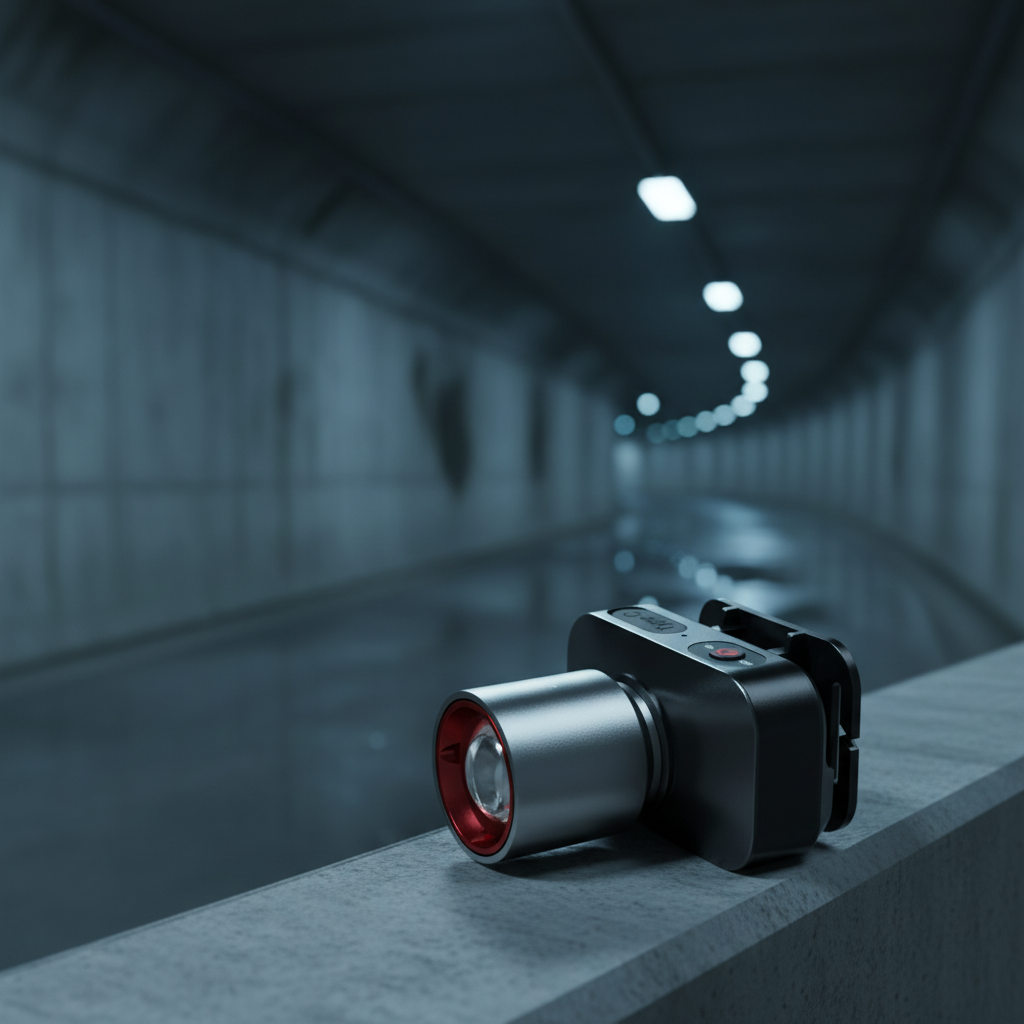
Heavy Duty
NIACONN SDT-0030 Portable 10W Rechargeable Lithium Zoomable LED Headlamp Aluminum Alloy Construction 50000 Hours Runtime Night
10W High Lumen
AL6061 Alloy
Zoomable
View Details
Top Seller
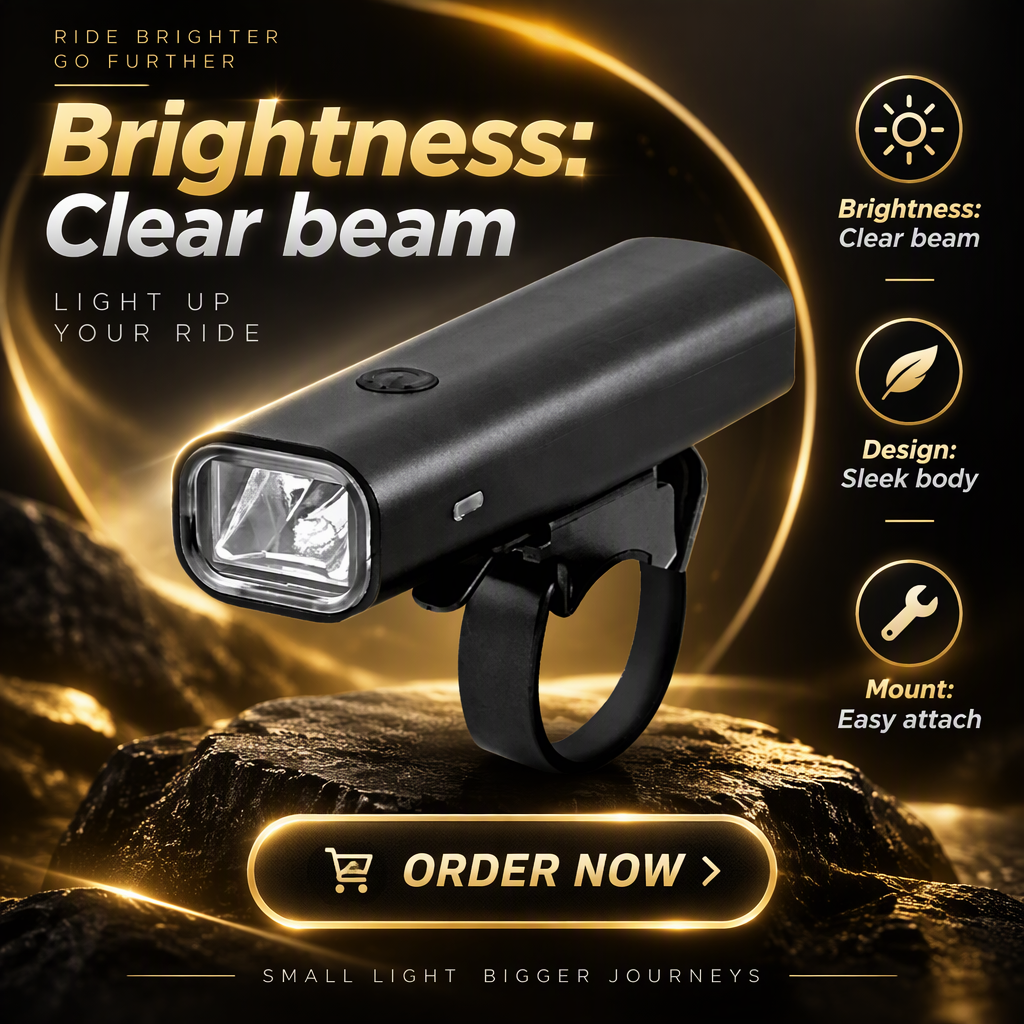
Hot Sales NIACONN LED USB COB Rechargeable 18650 Battery Aluminum Alloy Front Bicycle Headlight PC Black IPX6 Waterproof 4 Modes
Handlebar Clamp
IPX6 Sealed
18650 Power
View Details
Ultralight
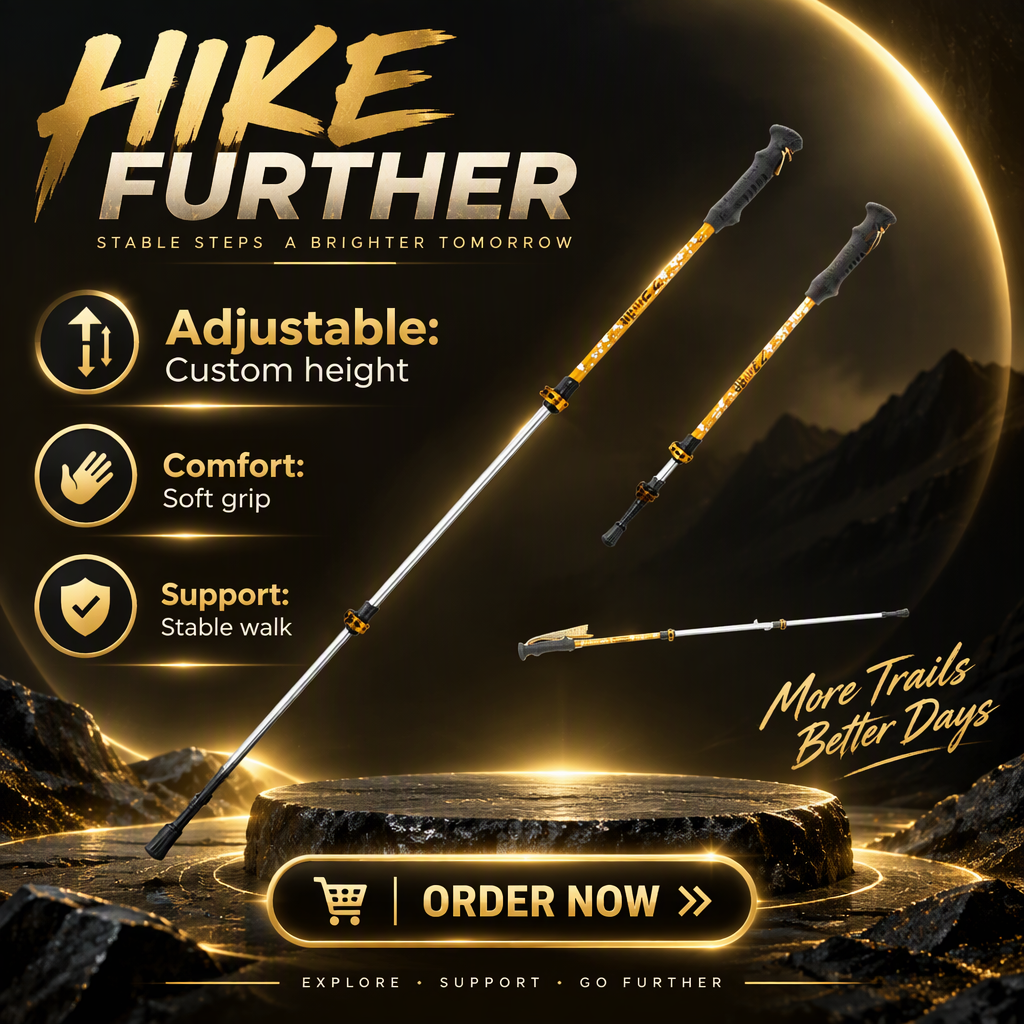
New 2-Pack Lightweight Aluminum Alloy 130cm 3-Section Trekking Poles Collapsible Hiking Stick Cane Tungsten Tip Quick Release
CNC Cam-Lock
Tungsten Tip
Collapsible
View Details
Solar Eco
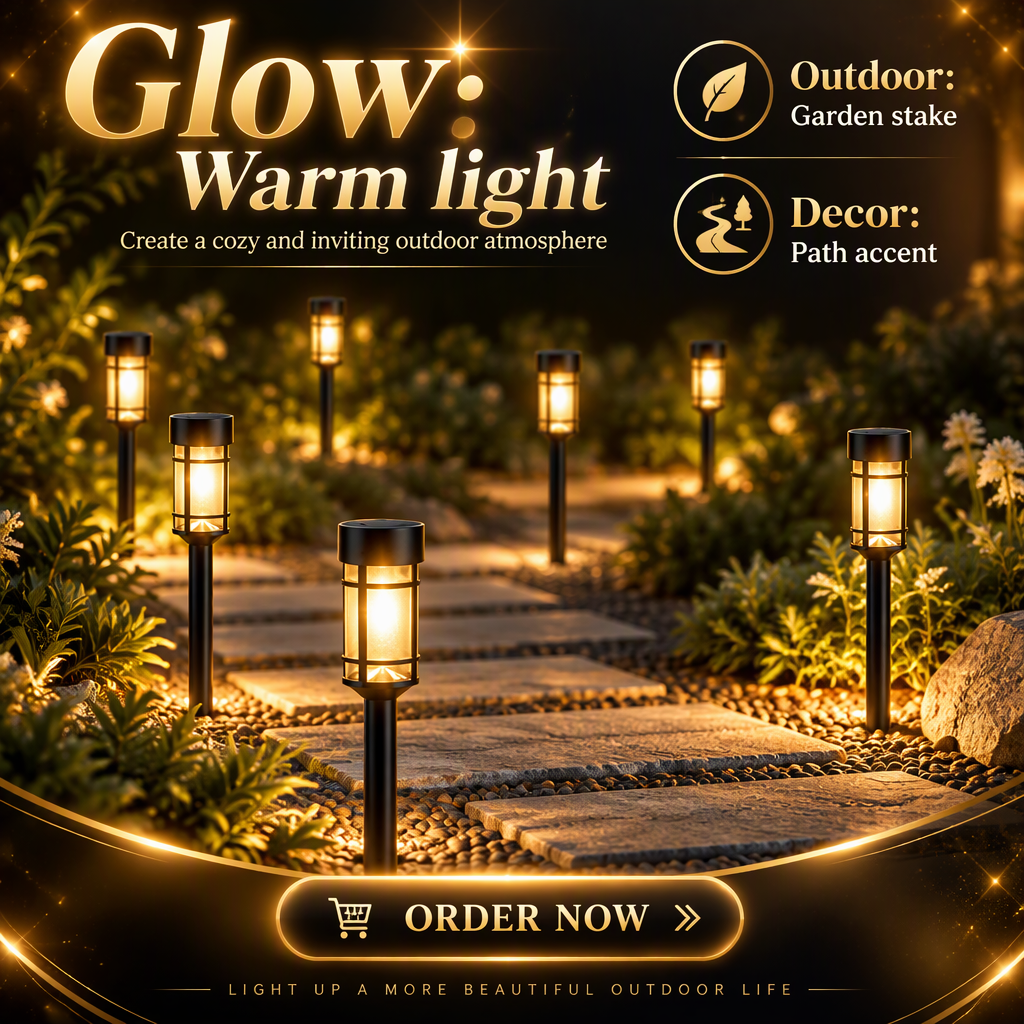
IP65 Waterproof Outdoor LED Solar Garden Lights Battery Motion Sensor Road Pastoral Style Warm White Decorative RoHS Certified
PIR Sensor
RoHS Compliant
IP65 Poly
View Details
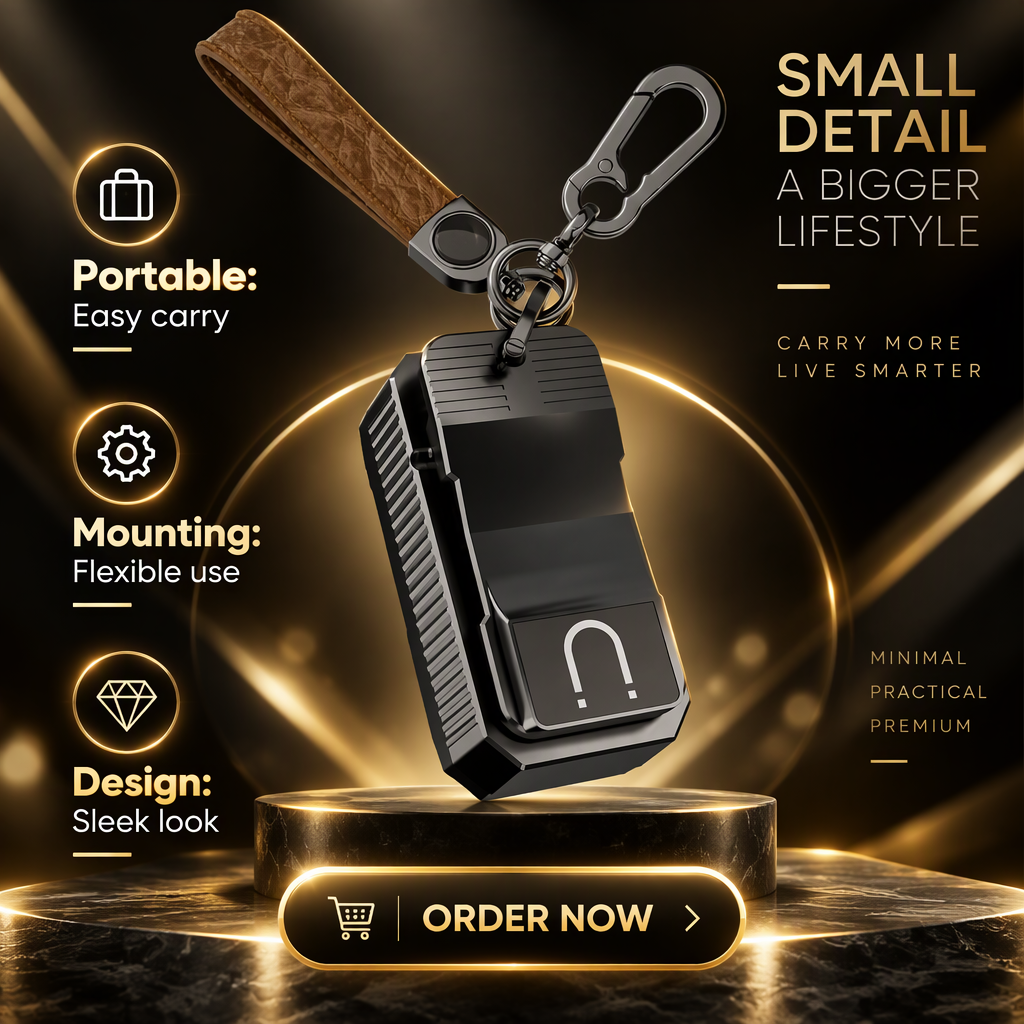
Magnetic Dock
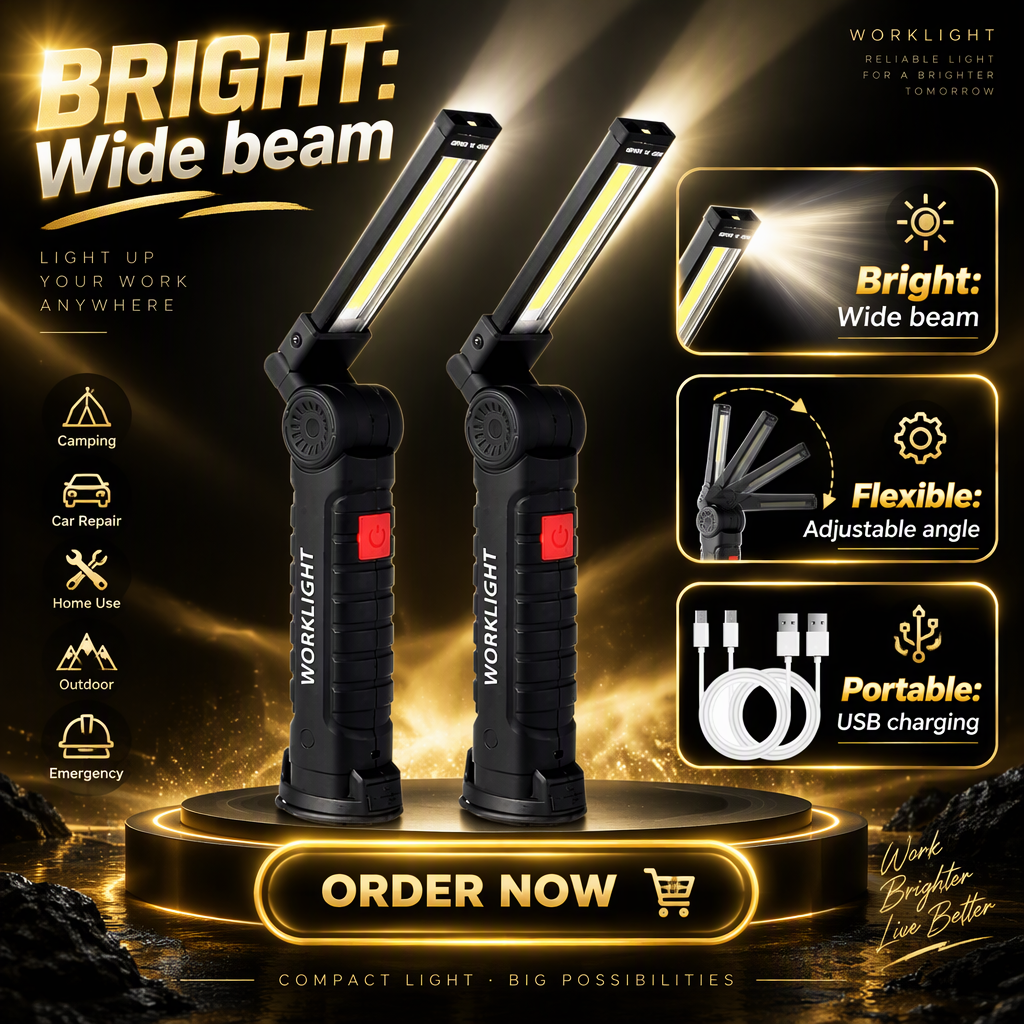
Portable LED Torch Flashlight New Foldable Cob USB Rechargeable IP65 Magnetic Suction Workshop Camping Maintenance Light 360
360° Swivel
Neodymium Base
Foldable
View Details
Photovoltaic
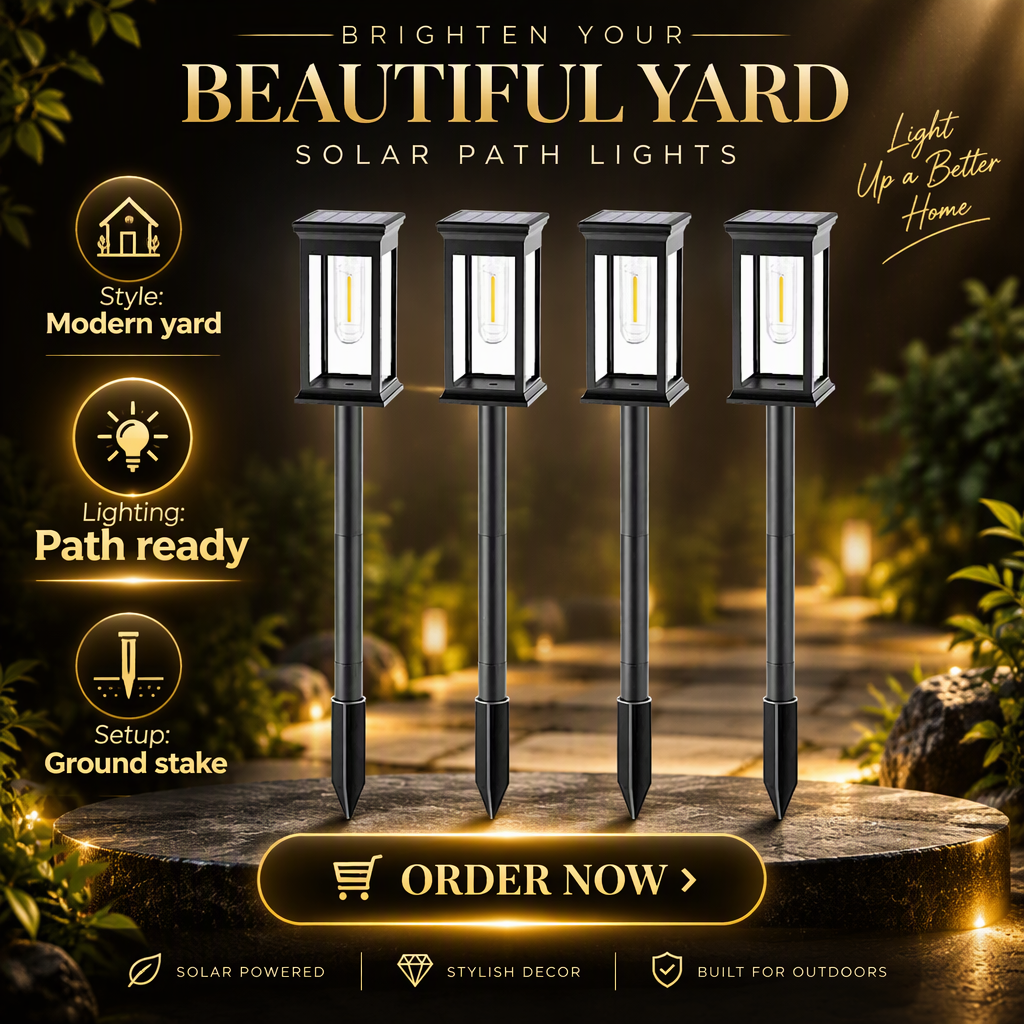
Solar 5W Warm White LED Pathway Lights Waterproof IP65 Battery Rechargeable Garden Patio Landscape Lighting High Brightness ROHS
5W Monocrystal
IP65 Sealed
High Lumen
View Details
Long Endurance
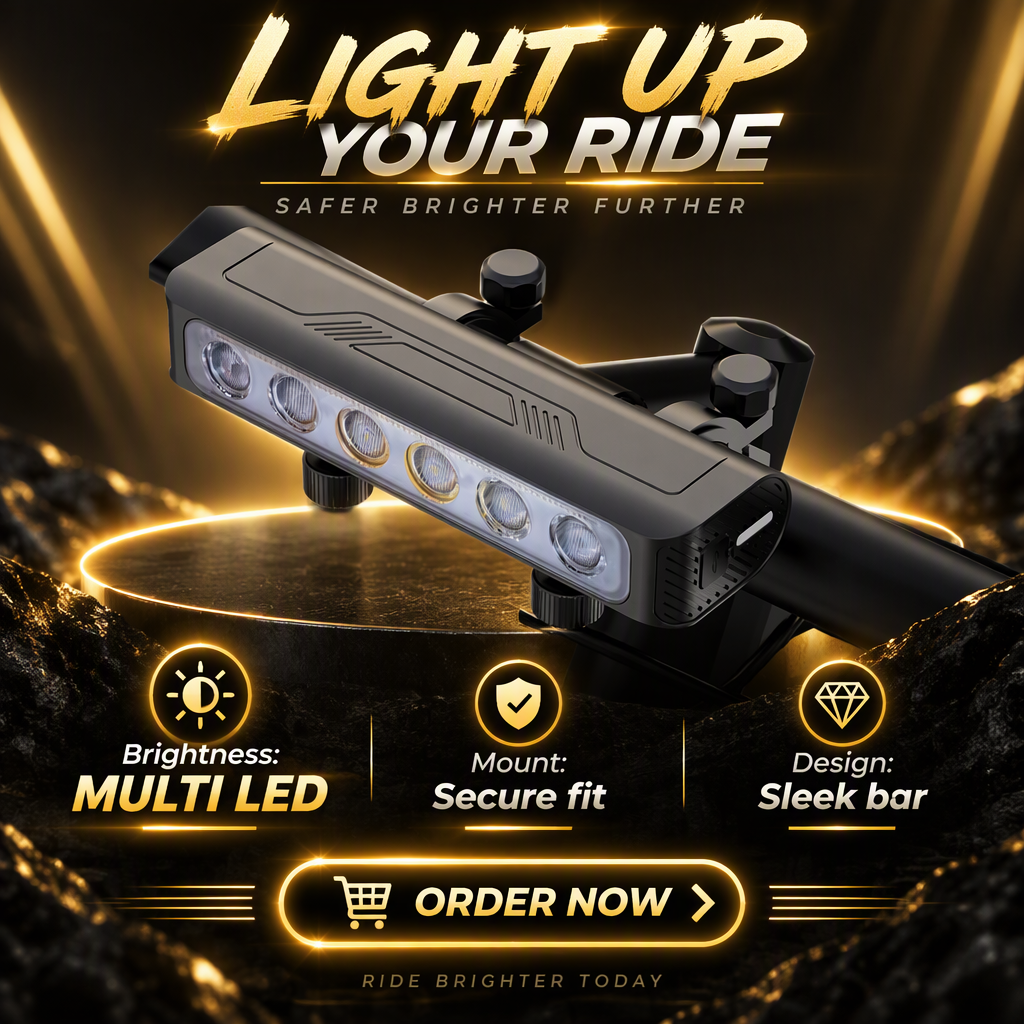
3 LED Modes 5200mAh IPX5 Waterproof Aluminum Alloy Bicycle Light Front/Rear for Outdoor Use
5200mAh Bank
CNC Dual Mount
IPX5 Aero
View Details
2,582 m²
Verified Workshop Floorspace
15+ Years
R&D & Precision Tooling Since 2008
Intertek
Onsite Audited & Quality Verified
99.74%
Response Rate & Delivery Compliance
1. The Strategic Importance of Bicycle Light Brackets in Modern Cycling
In modern performance cycling, electric mobility (e-bikes), and daily urban transit, the structural interface between illumination devices and the bicycle frame—commonly classified as the bicycle light bracket or mount—has evolved from a secondary accessory into a high-stakes safety and engineering component. Historically, aftermarket lighting relied heavily on generic silicone straps or elastomeric friction bands. While inexpensive to manufacture, these elastomer mounts fail critically when subjected to severe high-frequency road vibrations, thermal expansion cycles, and UV-induced polymer degradation. When a light bracket shifts downwards during high-speed night descents or gravel traversal, the cyclist faces immediate illumination failure, and approaching motorists suffer from severe upward beam glare.
Industrial procurement data confirms that leading Tier-1 cycling brands and international retailers now demand precision-engineered bicycle light brackets capable of maintaining beam alignment under dynamic loads exceeding 5G of acceleration. Concurrently, the mass adoption of integrated aero cockpits, hydraulic brake hose routing through headset spacers, and dual-purpose out-front electronic devices (combining GPS cycle computers with underneath-mounted headlights) has completely altered the structural requirements of bicycle brackets. Top-tier China manufacturers and factories, such as Shenzhen FEXA Technology Co., Ltd. (operating specialized R&D and manufacturing facilities since 2008), have transitioned toward multi-axis CNC aerospace-grade aluminum alloy (AL6061-T6 / AL7075) fabrication and glass-filled reinforced polyamides (PA66-GF30) to resolve these rigorous aerodynamic and mechanical challenges.
Structural Rigidity & Angular Stability
Precision-milled brackets prevent beam drooping across rocky cross-country trails, ensuring adherence to the strict StVZO cut-off angle limits required by European highway traffic acts.
Thermal Dissipation Interface
High-power LED systems (1,000 to 2,500 lumens) utilize CNC aluminum bracket clamps as auxiliary conductive heat-sink bridges, drawing core junction heat away from internal lithium cells.
Multi-Device Interface Modularity
Standardized quarter-turn locking interfaces (compatible with Garmin, Wahoo, Bryton) coupled with dual-prong GoPro hinge adapters allow consolidated, aerodynamic out-front mounting.
2. Inside Top-Tier Chinese Manufacturing: Engineering & Quality Infrastructure
Evaluating bicycle light bracket manufacturers in China requires an exhaustive examination of their tooling capabilities, internal tolerances, surface treatment lines, and third-party facility audits. A world-class supplier is distinguished not merely by high-volume assembly lines, but by vertical integration—from mold flow simulation and CNC machining centers to salt-spray testing and laser-engraving stations.
Vertical Integration: CNC Machining Centers & Injection Tooling
At established manufacturing centers like FEXA's Intertek-audited Shenzhen facility (encompassing 2,582 m² of specialized production area), precision is maintained through high-speed 4-axis and 5-axis CNC milling centers. For heavy-duty mountain bike (MTB) brackets and high-lumen commuter mounts, brackets are carved directly from solid extruded billets of AL6061-T6 aluminum. This method yields tensile strengths upwards of 310 MPa, entirely eliminating the porosity, internal micro-fissures, and structural embrittlement common to low-grade die-cast zinc or pot metals.
For polymer-based quick-release mechanisms, leading factories deploy high-pressure injection molding machines utilizing DuPont Zytel PA66 modified with 30% short glass fibers (PA66-GF30). This composite matrix delivers an optimal balance between impact toughness at sub-zero operating temperatures (-20°C) and tensile modulus, preventing the bracket ears and snap-latches from snapping during cold-weather commutes.
Surface Finishing & Corrosion Protection
Bicycle accessories endure continuous exposure to road grime, chemical de-icers, acid rain, and concentrated saline sweat from the rider. Premier Chinese factories incorporate military-spec Type II and Type III (Hardcoat) anodizing processes. The oxide layer (typically 12–18 microns thick) is rigorously validated through 96-hour neutral salt spray (ASTM B117) testing without pitting or galvanic delamination. In-house fiber laser marking machines permanently etch graduation marks, alignment torque ratings (typically 2.0 to 4.5 Nm), and custom OEM branding directly onto the anodized surface, avoiding the peeling and weathering failures of silk-screened inks.
| Material / Bracket Architecture | Yield Strength & Modulus | Vibration Attenuation | Target Riding Category | Tooling / Production Lead Time |
|---|---|---|---|---|
| CNC AL6061-T6 Out-Front Dual Mount | Yield: 276 MPa | Modulus: 68.9 GPa | Rigid coupling; requires elastomer dampening shims | Aero Road, Gravel Racing, E-Bike Cockpits | Rapid Prototype: 5 Days | Mass CNC: 15–20 Days |
| PA66-GF30 Reinforced Quick-Release | Tensile: 175 MPa | Modulus: 8.5 GPa | High natural frequency; superior micro-vibration absorption | Commuter, Trekking, Hybrid Bicycles | Injection Mold Tooling: 25–35 Days | Production: 10 Days |
| Dual-Bolt Stem Faceplate Direct Clamp | Yield: 310 MPa (Forged/CNC AL7075) | Direct mechanical lock with stem faceplate | Ultra-Distance Endurance, Bikepacking | Billet Machining: 15 Days (Zero tooling fee) |
| Silicone Elastomer Multi-Fit Band | Shore A: 60–70 Durometer | High damping; prone to oscillation & beam drift | Emergency Beacons, Low-Cost City Tail Lights | Compression Mold Tooling: 15 Days | Low Unit Cost |
3. Future Procurement & Engineering Trends (2025–2030 Horizon)
B2B sourcing directors, cycling brand managers, and product procurement teams must align their multi-year product roadmaps with several major structural shifts reshaping the bicycle component ecosystem:
1. Cockpit Integration & Monolithic Handlebar Systems
Modern performance road and gravel bicycles are standardizing one-piece integrated carbon cockpits with zero exposed round clamping areas. Bracket procurement has shifted decisively from round 31.8mm handlebar clamps toward direct-mount underside bolt patterns (M4/M5 slots on the underside of integrated stems). Factories with proprietary parametric CAD tooling libraries allow brands to rapidly produce bespoke adapter plates for specialized brands.
2. Electrified Mobility (E-Bikes & S-Pedelecs) Standard EN 15194
E-bike lighting systems pull direct DC current from the central drive unit battery (Bosch, Shimano, Brose, Bafang). Consequently, e-bike headlight brackets must withstand higher continuous travel speeds (25–45 km/h) and endure extreme vertical shock loads without loosening. Brackets must integrate internal wire-routing channels and meet EN 15194 structural vibration endurance standards.
3. Modular Multi-Device Ecosystems (The "One-Clamp" Mandate)
Consumers reject cluttered handlebars. Sourcing demand has centralized around modular multi-tier brackets: the upper tier locks cycle computers via quarter-turn replaceable pucks, the lower tier secures a high-lumen front light or action camera via a standardized 2-prong / 3-prong interface, and optional side wings host wireless bell triggers or GPS tracking beacons.
4. StVZO Strict Angle Preservation & Glare Reduction
With Germany's StVZO regulations influencing lighting compliance across the European Union, light brackets must feature positive-lock toothed indexers or precision-torqued pivots. Friction-only hinges are increasingly rejected by European importers because road bumps can angle the sharp StVZO cut-off line upwards into the eyes of oncoming drivers, creating serious product liability risks.
4. Quality Assurance Protocols: How Global Brands Audit Bracket Factories
When contracting an OEM/ODM production run in China, relying solely on static factory photos is insufficient. Authoritative procurement protocols mandate third-party factory assessments (such as Intertek, SGS, or TÜV Rheinland onsite verifications) and documented in-house mechanical testing routines. A robust quality plan consists of four standardized verification phases:
Harmonic Vibration & Shake Table
Simulates 100,000 cycles of accelerated high-frequency vertical oscillation (15–30 Hz at 2.5G) with maximum payload attached. Any angular drift exceeding 1.5° or fastener back-out constitutes immediate QA rejection.
Thermal Stress & UV Ageing Chamber
Subjecting polymer and composite clamps to continuous UV-A radiation at 60°C for 240 hours, followed by an immediate deep-freeze drop test at -20°C to verify absence of polymer embrittlement.
Torque Retention & Thread Strip Test
M4 and M5 threaded holes in aluminum brackets must withstand 150% of the maximum specified clamping torque (typically tested up to 6.0 Nm) using calibrated digital torque analyzers without thread stripping.
Shenzhen FEXA Technology Co., Ltd. enforces strict end-to-end incoming material control (IQC) on raw aluminum alloy billets and engineered polymers, in-process quality control (IPQC) throughout multi-axis CNC cutting and anodizing, and outgoing quality control (OQC) across all assembled clamping hardware, thumb screws, and stainless steel fasteners.
5. Frequently Asked Questions (FAQ) for Importers & Sourcing Managers
What is the standard MOQ for custom OEM/ODM bicycle light brackets?
For fully custom-tooled plastic injection brackets (requiring dedicated steel mold tooling), initial order MOQs typically range from 2,000 to 3,000 pieces due to tool changeover and machine setup costs. However, for CNC-machined aerospace aluminum brackets, MOQs can be as low as 200 to 500 units because tooling is software-driven (G-code CAM programming) without hard tooling tooling fees. Trial sample orders and private-label laser-engraved runs from existing open-mold platforms can be accommodated at low MOQs.
How do Chinese factories handle fastener corrosion and galvanic reaction with carbon bars?
Premium factories use 304 or 316 marine-grade stainless steel hardware or black oxide-treated Class 10.9 alloy steel with anti-vibration nylon patch coatings (e.g., Nylok). To prevent galvanic corrosion between aluminum bracket bodies and carbon fiber handlebars, manufacturers provide pre-installed molded NBR or silicone elastomeric isolators that eliminate metal-to-carbon friction and ensure precise clamping torque without crushing delicate composite walls.
Can Shenzhen FEXA Technology support Amazon FBA and custom retail packaging?
Yes. Shenzhen FEXA Technology Co., Ltd. routinely supports international e-commerce sellers and retail brands across Western Europe, North America, Southeast Asia, and Oceania. Services include custom-printed retail packaging design, drop-tested master cartons, poly-bagging with anti-suffocation warnings, pre-applied Amazon FNSKU barcode labeling, and consolidated DDP shipping via express, air freight, or ocean container.
What third-party verifications and compliance documents are provided?
FEXA's factory premises, production machinery, and corporate operational records are checked and verified onsite by Intertek. Depending on the product assembly (bracket alone or integrated bracket-light system), full documentation is provided including CE conformity, FCC Part 15 electromagnetic compliance reports, RoHS 2.0 chemical restriction compliance, and EU patent portfolio documentation for protected industrial designs.
What are typical production lead times for prototypes and mass production runs?
Rapid functional 3D-printed SLA/SLS or CNC-machined aluminum evaluation samples are completed within 5 to 7 working days. Once the engineering sample is locked ("golden sample" sign-off), mass production lead times for standard aluminum CNC brackets range from 18 to 25 days. New plastic injection mold fabrication takes approximately 30 to 35 calendar days, followed by 10 to 15 days for first-article inspection (FAI) and volume production.
What payment terms and incoterms are accepted for volume export orders?
Flexible trade terms include FOB Shenzhen, CIF, EXW, and DDP. Standard commercial payment structures include T/T (Telegraphic Transfer), L/C at sight, PayPal (for rapid prototyping/sample fees), Western Union, and Escrow. Currency settlements are accepted in USD, EUR, GBP, AUD, CAD, HKD, and CNY.
Partner with a Verified Engineering & Manufacturing Leader
Accelerate your cycling lighting and bracket product pipeline with an Intertek-verified manufacturer. Benefit from 15+ years of R&D, in-house multi-axis CNC machining, rapid tooling capabilities, and full OEM/ODM customization.
Get Catalog