Direct Sourcing Portfolio
Engineered Portable Illumination & Outdoor Systems
Directly accessible from Intertek-audited production facilities in Shenzhen, China. Certified for CE, FCC, and RoHS with customizable optoelectronic profiles, CNC anodizing, and multi-tier battery management.
Multi-Functional
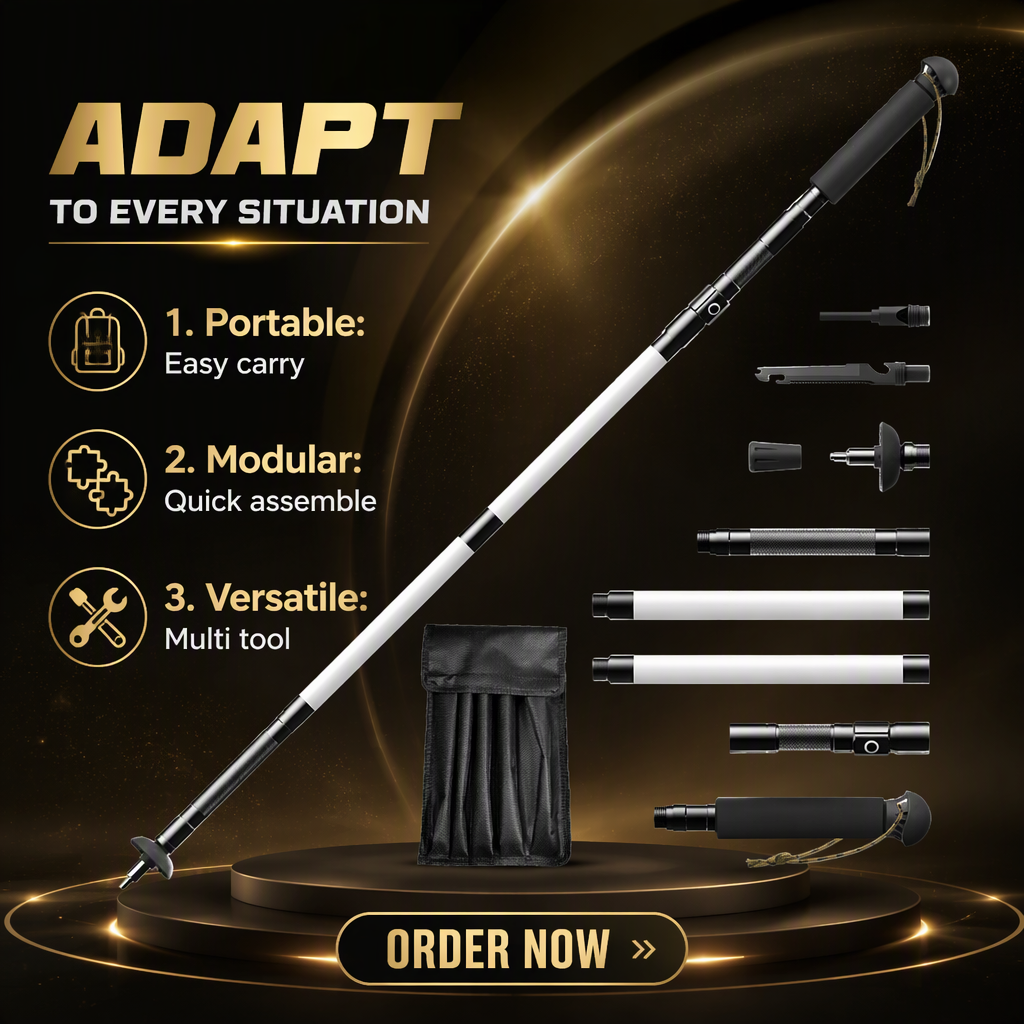
Expedition Gear
NIACONN Rechargeable 3-Section Aluminum Trekking Pole with LED Illumination
Rechargeable Li-Ion
Aircraft Aluminum
Ergonomic Grip
High-Lumen Commute
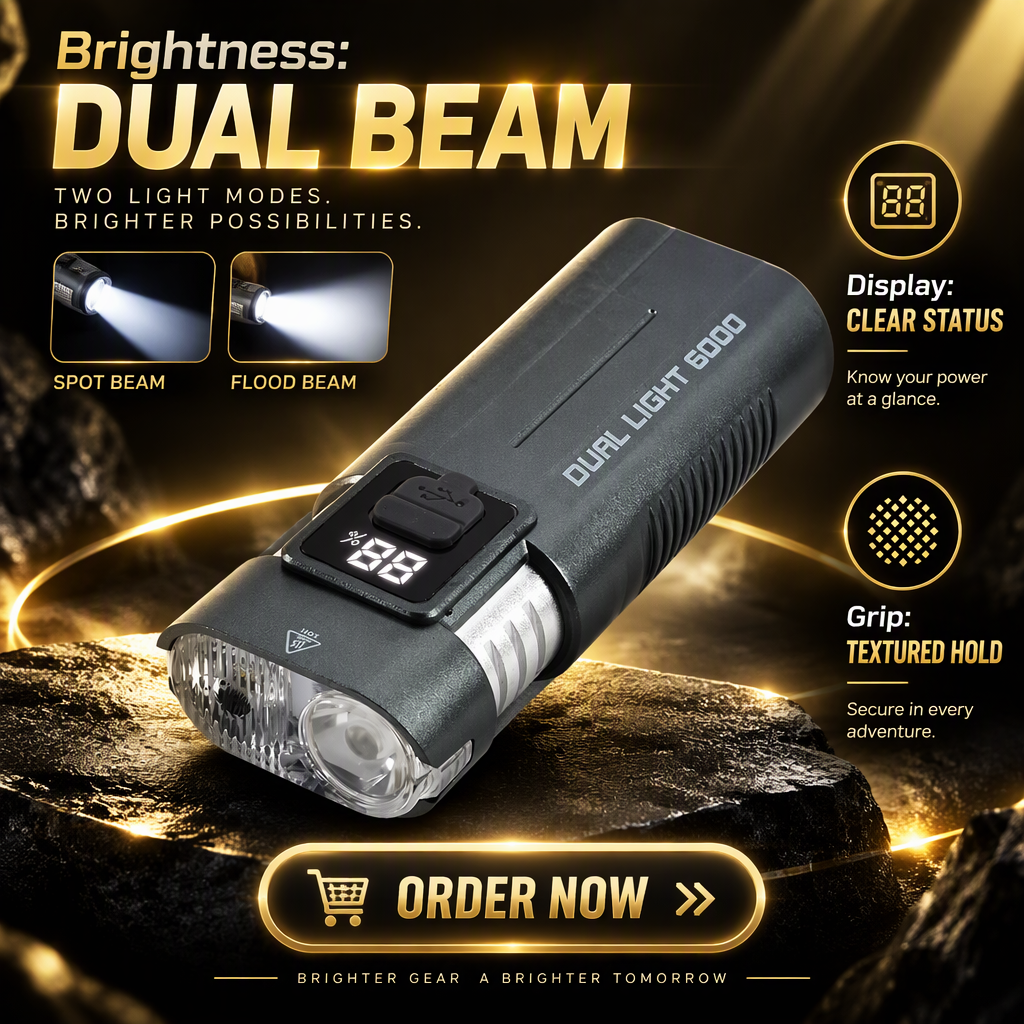
Cycling Illumination
Waterproof IPX6 Rechargeable 4-Mode Handlebar Mount Bicycle Headlight
IPX6 Ingress
4 Operating Modes
USB Fast Charge
Smart Cockpit
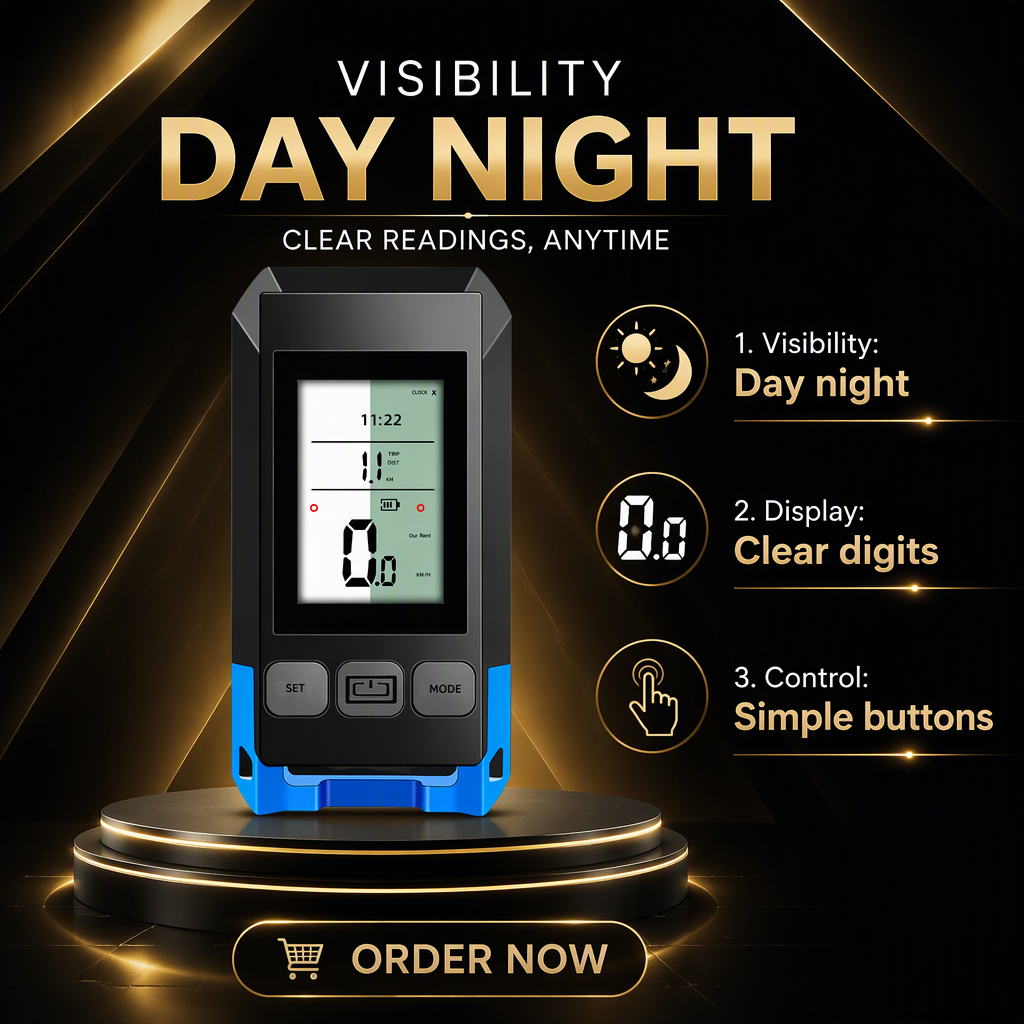
Telemetry & Light
NIACONN NIA-Z016 Wireless Touchscreen Speedometer with Integrated LED
Wireless Telemetry
Touch Interface
IPX6 Sealed
Industrial Utility
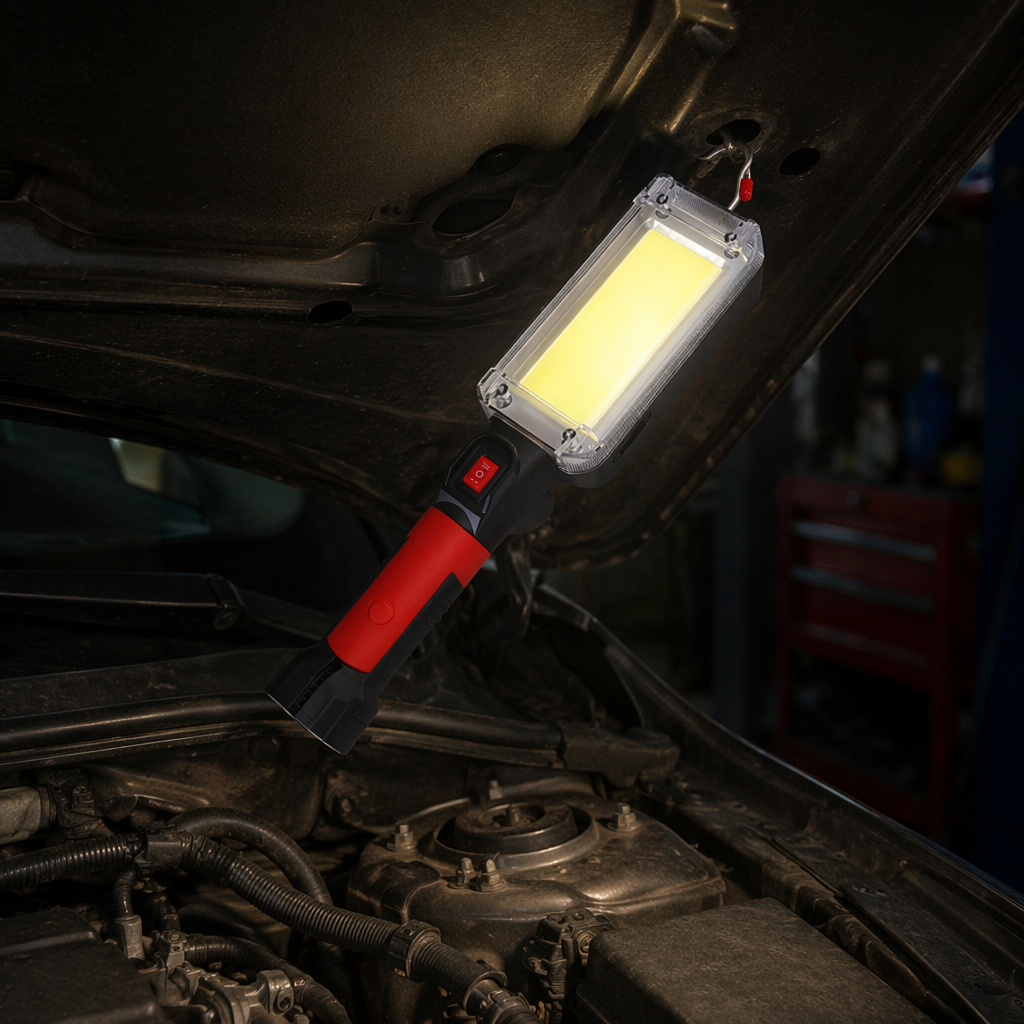
COB Worklight
Magnetic Base USB Rechargeable 5-Mode Dimmable COB Utility Flashlight
Neodymium Magnet
Dual Power Source
IP65 Ruggedized
Hazardous Duty
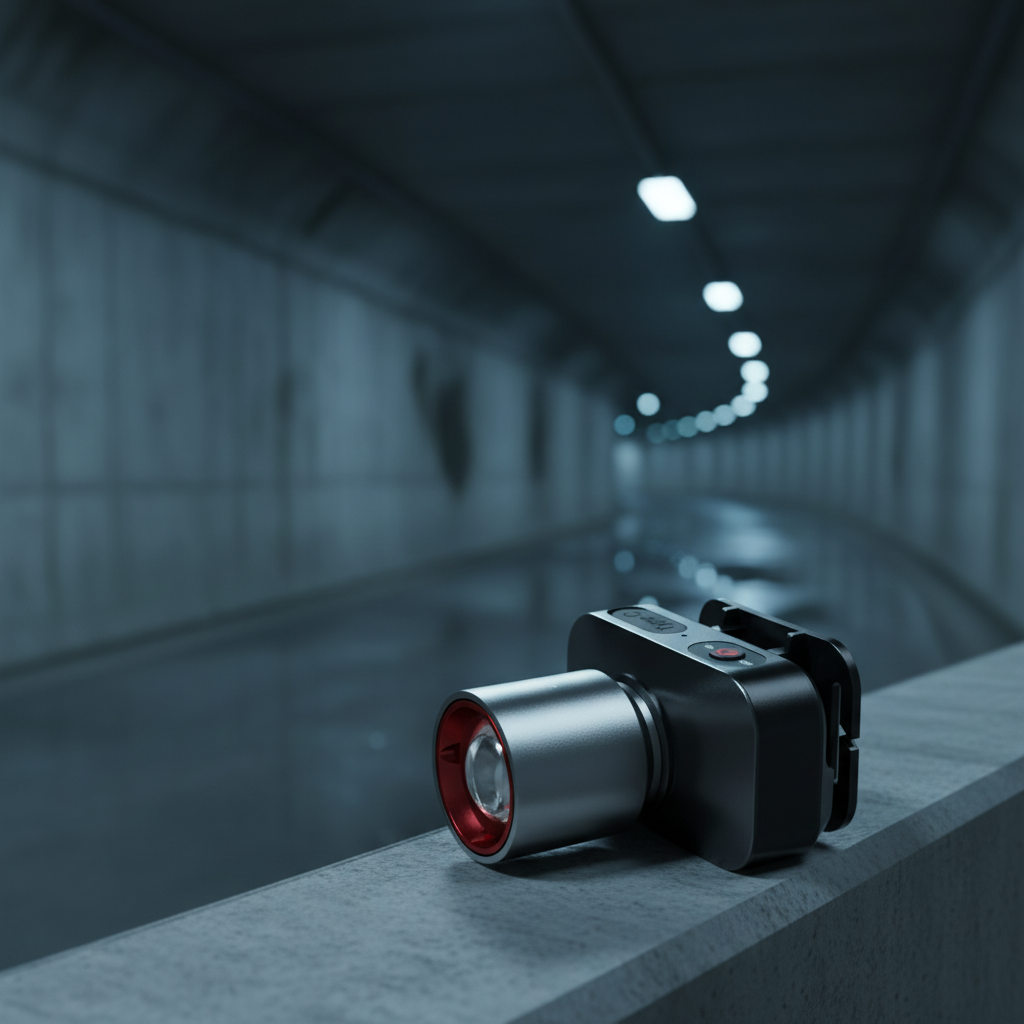
Explosion-Proof
Heavy-Duty Explosion-Proof Corded Miners Helmet Cap Lamp System
Intrinsic Safety
High CRI COB
Submersible Seal
Thermal Anodized
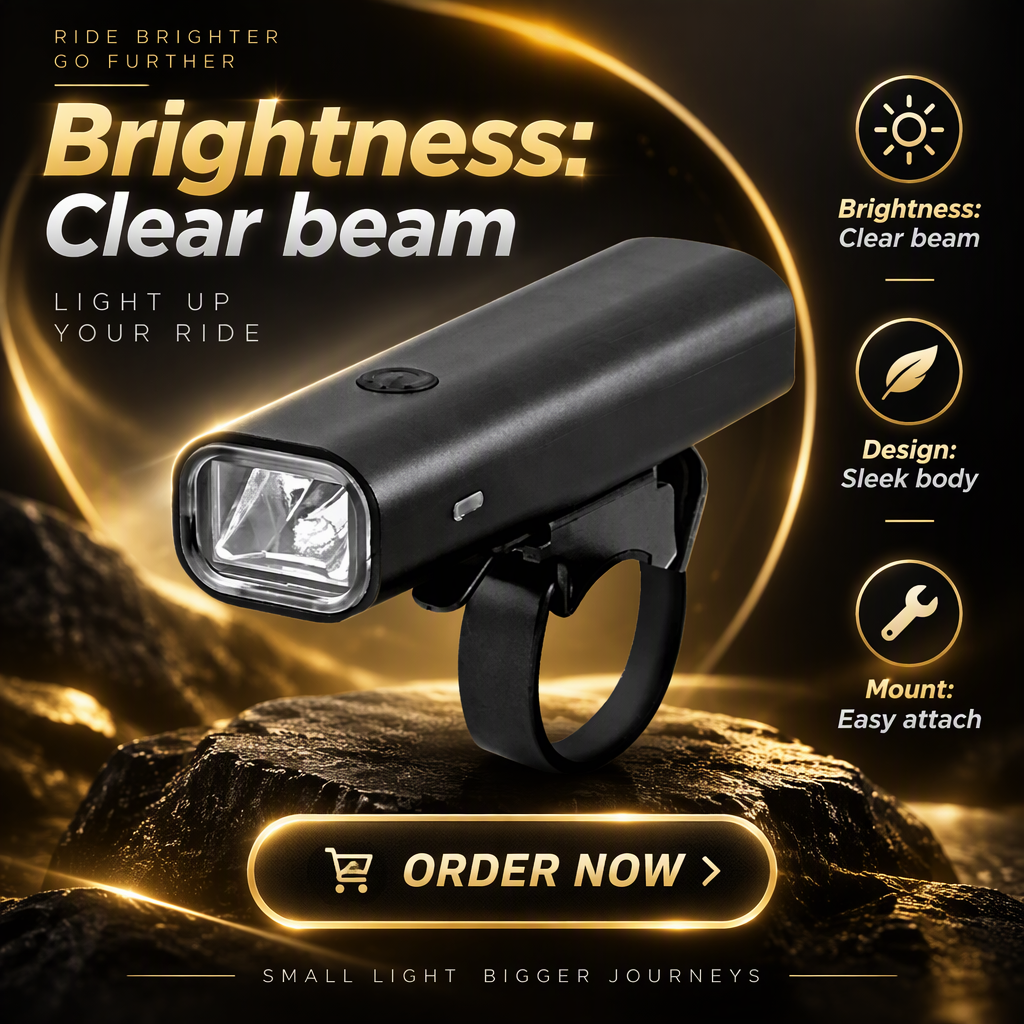
Front Bicycle Light
NIACONN 18650 Aluminum Alloy CNC Front Bicycle Headlight System
6061-T6 Aluminum
18650 Modular Cell
Anti-Glare Optic
Dual Beacon
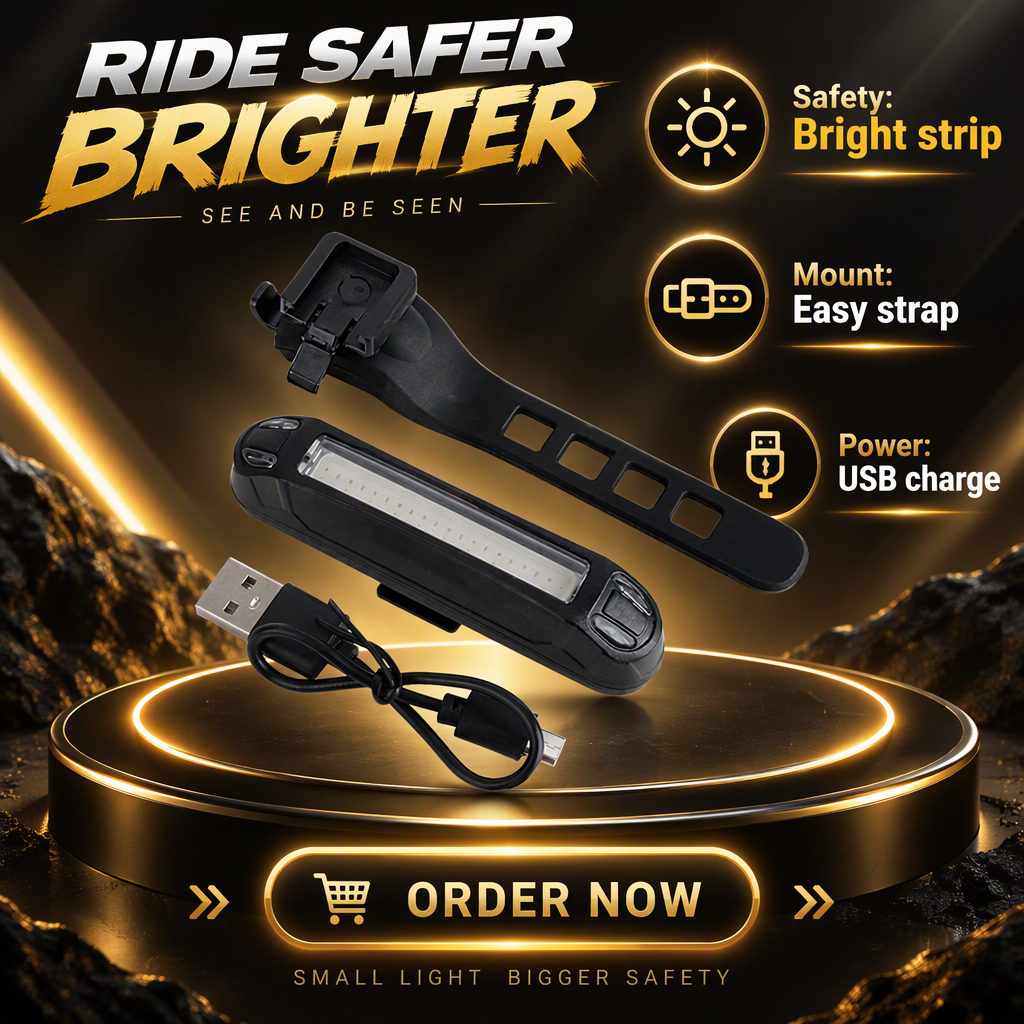
Rear Warning Device
NIACONN Mini Dual-Spectrum Red/Blue Emergency Seatpost Taillight
6 Warning Modes
Wide Angle Fresnel
Universal Strap
Tungsten Tip
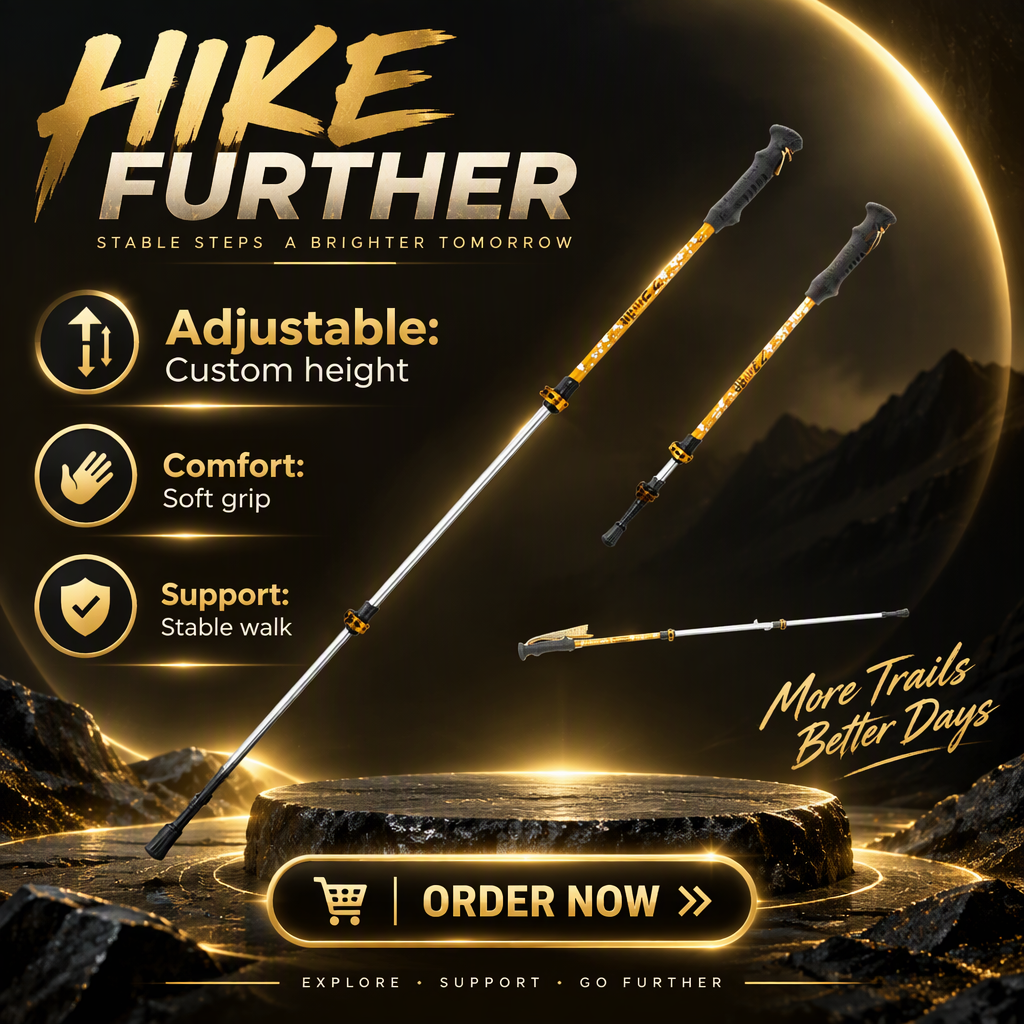
Trekking Hardware
Lightweight Collapsible 130cm Aluminum Alloy Trekking Pole Twin Pack
Quick Release Cam
Tungsten Carbide
EVA Extended Grip
Strategic Industry Benchmark
The Global Landscape of LED Flashlight Manufacturers & Exporters
The global portable LED lighting ecosystem has transitioned from basic assembly operations into high-precision, vertically integrated engineering ecosystems. Valued at over USD 7.2 billion globally with a compound annual growth rate (CAGR) surpassing 5.8%, the supply chain is heavily anchored in specialized regional manufacturing clusters. Over 85% of global high-lumen, tactical, and industrial-grade flashlights are engineered and exported from the Pearl River Delta (Shenzhen, Dongguan, Zhongshan) and Zhejiang Province (Ningbo, Yuyao), supported by highly developed local supply chains for precision CNC metal machining, automated surface-mount technology (SMT), optical silicone tooling, and lithium-ion battery integration.
Modern B2B enterprise procurement officers, brand licensors, and government procurement committees face complex technical evaluations when choosing Tier-1 manufacturing partners. Reliable supply chain governance requires verifying raw material binning (Cree, Osram, Luminus, Nichia emitters), strict adherence to thermal dissipation protocols, true ANSI/PLATO FL-1 rating verifications, and compliance with stringent import regimes such as EU Battery Directive 2023/1542, CE-EMC, RoHS 2.0, and FCC certifications.
Taxonomy of the Top 10 LED Flashlight Manufacturing Archetypes
Rather than evaluating simple commercial trade aggregators, international procurement directors categorize the top 10 global manufacturers and exporters based on their underlying industrial competencies, vertically integrated manufacturing setups, and optical engineering specialization:
1. High-Throw LEP & Tactical Specialists
Class APioneers in Laser Excited Phosphor (LEP) modules with collimated throw distances exceeding 1,500 meters. Features mil-spec type III hard-anodized 6061-T6 aluminum alloys and high-voltage dual-spring recoil resistance.
Primary Applications: Law enforcement, maritime search, tactical defense.
2. Vertically Integrated OEM/ODM Plants (FEXA Model)
TurnkeyFactories operating multi-axis CNC machine centers, SMT electronics lines, and custom laser engraving in-house. Focuses on low-barrier custom engineering, flexible private labeling, and rapid prototyping.
Primary Applications: Private label brands, OEM distributors, multi-channel retailers.
3. Intrinsically Safe & Explosion-Proof Producers
ATEX/IECExManufacturers with ATEX, IECEx, and MSHA certifications. Housings utilize static-dissipative polycarbonate, hermetically sealed potting resins, and specialized current-limiting circuitry.
Primary Applications: Petrochemical refining, underground mining, confined spaces.
4. High-Lumen Extreme Flood Exporters
Search & RescueSpecialized in extreme multi-emitter arrays (Cree XHP70.3, Luminus SBT90.2) delivering 10,000 to 60,000+ lumens. Built with active heat pipe dissipation, copper direct-thermal-path substrates, and forced cooling fans.
Primary Applications: Disaster management, perimeter illumination, technical exploration.
5. Precision Cycling Illumination Factories
StVZO CertifiedDedicated to specialized optical distribution: German StVZO anti-glare horizontal cut-off lenses, dual-distance beam prisms, high-capacity internal 21700 batteries, and tool-free handlebar mounts.
Primary Applications: Urban commuting, gravel racing, downhill mountain biking.
6. Compact Every-Day-Carry (EDC) Innovators
Micro-FormMiniaturization leaders specializing in high-CRI (Color Rendering Index >90) outputs, titanium and brass exotic alloy bodies, deep carry pocket clips, and bidirectional USB-C charging ports.
Primary Applications: Consumer EDC, field technicians, everyday personal safety.
7. Industrial Utility & COB Magnetic Builders
Heavy IndustryEngineering durable wide-spread illumination tools featuring multi-pivot ratcheting bases, ultra-strong N52 neodymium chassis magnets, 360-degree swivel hooks, and ruggedized shock-proof overmolds.
Primary Applications: Automotive repair, aerospace assembly, HVAC servicing.
8. Head-Worn Ergonomic Lighting Manufacturers
Hands-FreeFocusing on weight-balanced designs with split battery chassis, dual spot-flood beams, PIR gesture wave sensors, and sweat-wicking silicone headbands. Tested for IP68 dust/water immersion.
Primary Applications: Trail running, alpine climbing, structural inspection.
9. High-CRI Medical & Forensic Lighting
Spectral PurityDedicated optoelectronic producers utilizing Nichia/Bridgelux emitters that eliminate blue-light spikes, offering precise 3000K-5000K R9>90 tint profiles and specialized 365nm UV forensic emitters.
Primary Applications: Clinical diagnosis, non-destructive testing (NDT), crime scene forensics.
10. Sustainable Hybrid & Smart-Sensor Converters
Smart LightingNext-generation suppliers combining secondary micro-solar trickle systems, Bluetooth mesh power tracking, intelligent PIR movement detectors, and multi-functional power-bank delivery.
Primary Applications: Emergency readiness, off-grid expeditions, sustainable homes.
Optoelectronic Innovations
Technological Evolution & Engineering Breakthroughs in Modern Flashlights
The contemporary flashlight has evolved far beyond a simple incandescent filament or basic surface-mounted diode enclosed in an extruded aluminum tube. Modern high-efficiency illumination systems are intricate optoelectronic assemblies requiring precision firmware, closed-loop thermal regulation, high-density energy storage, and custom beam shaping. Global engineering teams now compete directly on four foundational technology fronts:
Solid-State & LEP Emitters
Shift toward Chip-Scale Packaging (CSP) and Laser Excited Phosphor (LEP). Micro-crystal phosphor conversion allows luminous flux densities exceeding 500 cd/mm², producing intense throw beams while maintaining strict ANSI chromaticity.
Dynamic Thermal Management
Direct Thermal Path (DTP) copper MCPCBs bonded to aircraft-grade housings. Dynamic digital thermal throttling algorithms continuously adjust milliamp current draw via internal NTC thermistors, preventing emitter degradation.
High-Drain Power Cells & USB PD
Adoption of 21700 and 26650 ternary lithium formats with integrated battery protection modules. Native USB-C Power Delivery 3.0 allows rapid 18W-30W input alongside bidirectional charging (power bank functionality).
Comparative Optoelectronic Driver Architectures
For engineering-focused procurement teams, the driver circuit design is the critical factor separating budget white-label torches from professional field equipment. Below is a comparative breakdown of common driver topologies applied by premier manufacturers:
| Circuit Architecture | Efficiency Rating | Luminous Stability | Heat Generation | B2B Cost Index | Typical Application |
|---|---|---|---|---|---|
| Direct-Drive FET / Resistor | 50% – 65% | Declines with cell voltage drop | Very High (wasted energy) | Low | Promotional & budget flashlights |
| Linear Constant Current (7135) | 70% – 80% | Stable until cell drops below Vf | Moderate | Economic | General outdoor & utility lights |
| Synchronous Buck Driver | 88% – 94% | Flatline regulation across discharge | Low (highly efficient) | Mid-High | Professional cycling & tactical lights |
| Synchronous Boost / Buck-Boost | 90% – 96% | Absolute flatline, boosts low voltage | Minimal | Premium | Search & rescue, ATEX explosion-proof |
Strategic Procurement Roadmap
Future LED Lighting Procurement Trends: What Global Importers Must Monitor
Supply chain strategies in the portable illumination sector are adjusting to tighter international environmental compliance, shifting distribution logistics, and demand for modular multi-function gear. B2B purchasing directors are focusing on four key procurement trends to protect their commercial margins:
1. Compliance with the EU Battery Regulation (EU 2023/1542)
Commencing in 2024 through 2027, the European Union's expanded battery framework mandates higher end-user replaceability, carbon footprint disclosures for production batches, and strict supply chain due diligence for imported portable lithium cells. Importers must select manufacturers whose battery packs feature standardized mechanical enclosures (e.g., standard 18650 or 21700 button-top/flat-top formats) rather than proprietary permanently-glued assemblies, guaranteeing seamless regulatory entry into EU markets.
2. Consolidation of Multi-SKU Production Runs
Instead of dividing purchase orders across multiple single-product suppliers, experienced brand buyers are partnering with versatile manufacturing facilities. Sourcing bicycle headlights, high-throw handheld torches, COB utility lamps, and headlamps from a unified OEM vendor (such as FEXA / NIACONN) lowers shipping expenses, enables mixed-container consolidation (FCL/LCL), and ensures brand color matching, consistent packaging finishes, and uniform accessory ecosystems across product lines.
3. Turnkey Fulfillment Readiness: Amazon FBA & Retail Drop-Ship Packaging
Leading exporters now provide direct-to-warehouse value-added processing. This includes carton barcode serialization, FNSKU thermal labeling, drop-tested 5-ply export packaging, and automated blister or gift box presentation. By partnering with factories that manage these processes directly at the assembly line, importers eliminate expensive domestic repackaging operations, cutting days off port-to-market fulfillment timelines.
Audited Industrial Strength
Enterprise Manufacturing Capabilities: Shenzhen FEXA Technology Co., Ltd.
Shenzhen FEXA Technology Co., Ltd. has specialized in custom engineering, design, and manufacturing of professional LED bicycle headlights, high-lumen flashlights, explosion-proof helmet cap lamps, and smart lighting systems since 2008. Operating from Mingxi Creative Park in Shenzhen, China, FEXA balances custom engineering with lean volume manufacturing, supplying high-growth brands and importers across Western Europe, North America, Southeast Asia, and Oceania.
Intertek Onsite Verification
Our manufacturing floors, production personnel, testing equipment, and commercial facilities undergo rigorous on-site verification by Intertek. Buyers can directly access independent audit reports and video inspections.
In-House CNC & Laser Engraving
Featuring in-house CNC machining centers and laser-marking systems. We rapidly convert technical drawings into physical aluminum prototypes, ensuring dimensional accuracy and durable custom branding.
End-to-End Quality Gateways
Incoming LED spectrophotometry, cell capacity testing, automated continuous burn-in runs, and IPX6/IP68 pressure testing ensure defect rates stay strictly below 0.2% on volume shipments.
Flexible OEM & ODM Customization Framework
We work with brand owners at every stage of their product life cycle. Our engineering and production process covers three distinct engagement models:
- Sample-Based Customization: Rapid laser application of private logos, custom anodized body color options, and localized packaging for our proven catalog platforms with minimal MOQs.
- Design-Based Customization: Adjustments to optical beam profiles (StVZO-cut off lenses, spot-to-flood TIR ratios), programmed circuit firmware modes, and customized battery cell capacities.
- Full Turnkey ODM Development: Collaborative concept development, CAD/solid modeling, rapid 3D prototyping, optical tooling, custom aluminum extrusion, and formal certification management.
Procurement Knowledge Base
Frequently Asked Questions for Professional Importers
Clear, technically detailed answers addressing factory compliance, production logistics, testing benchmarks, and private-label customization.
1. Is Shenzhen FEXA Technology Co., Ltd. an actual manufacturing facility or a commercial trade broker?
Shenzhen FEXA Technology Co., Ltd. is a verified custom manufacturer with an integrated export engineering department. Our 2,582 m² operations, production infrastructure, and clean assembly lines are audited onsite by Intertek, an independent third-party inspection agency. Assessment videos and official verification documentation are freely available for due-diligence review.
2. How does the factory substantiate lumen output, runtime, and beam throw metrics?
All optoelectronic parameters are verified according to ANSI/PLATO FL-1 standards. We utilize in-house integrating spheres, precision spectroradiometers, and photometric darkrooms to measure luminous flux (lumens), peak beam intensity (candela), beam throw distance (meters), and thermal step-down runtimes. Complete laboratory photometric reports are supplied to OEM clients upon request.
3. What minimum order quantities (MOQs) apply to customized private label runs?
We support growing brands and pilot market rollouts with flexible entry points. Standard catalog platforms with laser-engraved logos and custom user manuals can be ordered with MOQs as low as 100 to 500 units. Full ODM developments requiring dedicated plastic injection molds, custom CNC tooling, or bespoke PCB configurations typically carry an MOQ of 1,000 to 3,000 units.
4. What certifications and compliance documents are provided for European and North American customs clearance?
Our portable illumination products carry full CE (EMC/LVD) and FCC certifications. Lithium battery assemblies include complete UN38.3 test reports, 1.2-meter drop test certifications, and verified Material Safety Data Sheets (MSDS) for compliant sea, air, and express transport. Materials comply fully with EU RoHS 2.0 and REACH environmental guidelines.
5. Can FEXA provide complete Amazon FBA prep and barcoding directly at the factory?
Yes. We regularly supply high-volume Amazon, Shopify, and multichannel eCommerce merchants. Our end-of-line packaging operations can apply individual FNSKU barcodes, suffocation warning labels, custom package seal stickers, and master carton shipping marks compliant with Amazon fulfillment center requirements.
6. What quality control steps prevent lithium battery failures and water ingress issues?
We use A-grade lithium cells protected by internal battery management boards (BMS) with overcharge, over-discharge, short-circuit, and thermal protection. For ingress prevention, our CNC aluminum and molded ABS housings employ silicone O-ring gaskets lubricated with damping grease, subjected to calibrated water submersion testing to verify IPX6, IP65, or IP68 ratings before packaging.
7. What payment methods and international delivery terms (Incoterms) are supported?
Supported payment options include T/T (Telegraphic Transfer), L/C at sight, PayPal, Western Union, and Escrow in major currencies (USD, EUR, GBP, AUD, CAD, HKD, CNY). Supported trade terms include EXW, FOB (Shenzhen/Hong Kong), CIF, CFR, and complete DDP (Delivered Duty Paid) door-to-door air and sea freight solutions.
Ready to Source Directly from a Verified OEM/ODM Factory?
Request our comprehensive B2B product catalog, detailed engineering spec sheets, wholesale pricing schedules, and physical evaluation samples for your target market.