15+ Yrs
Precision Optical & Heat Dissipation R&D
2,582m²
Intertek Onsite-Audited Cleanroom Production
99.74%
Rigorous Mass-Production Quality Pass Rate
4Continents
Direct Compliance: CE, FCC, RoHS, StVZO
Precision-Engineered Bicycle & Outdoor Illumination Series
Field-tested LED systems designed for OEM/ODM private labeling, featuring aircraft-grade aluminum CNC housings, intelligent power architectures, and tailored optical geometries.
Pro Trail
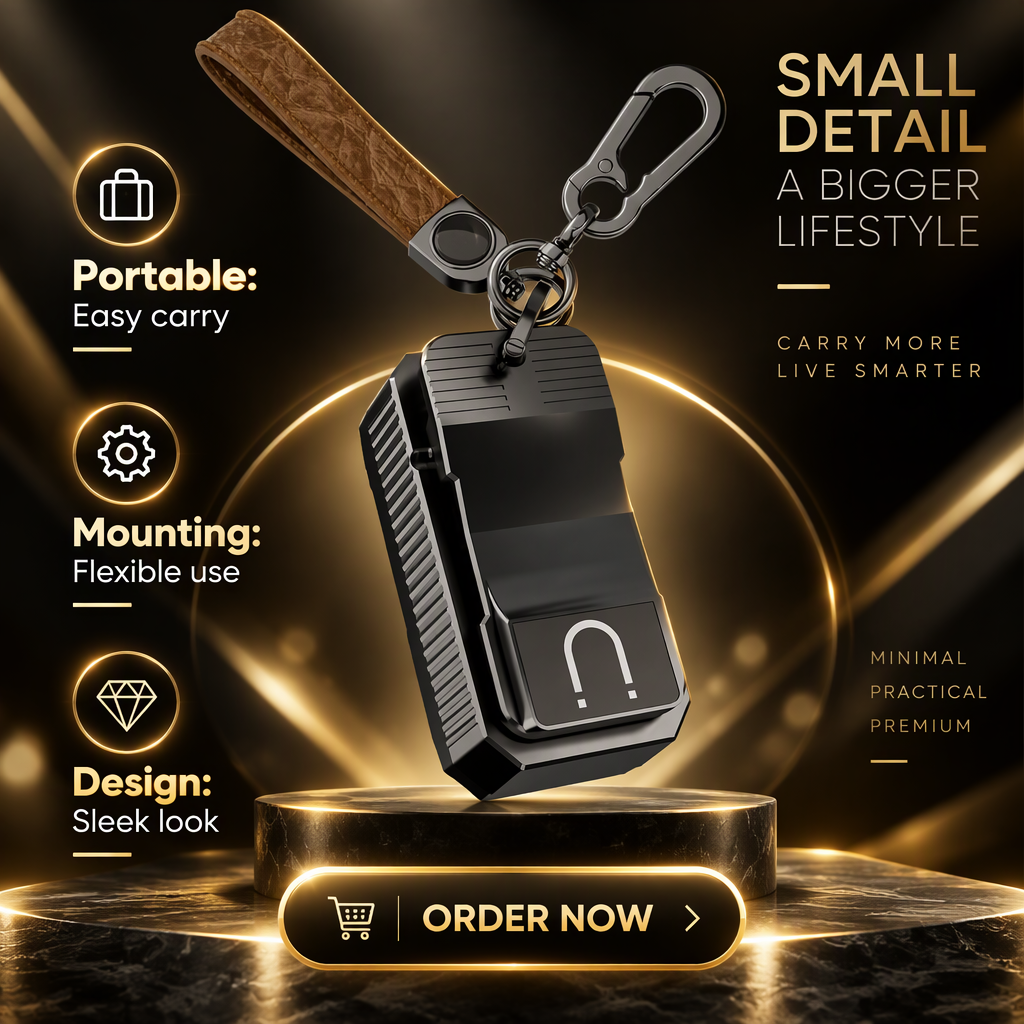
Tactical Grade
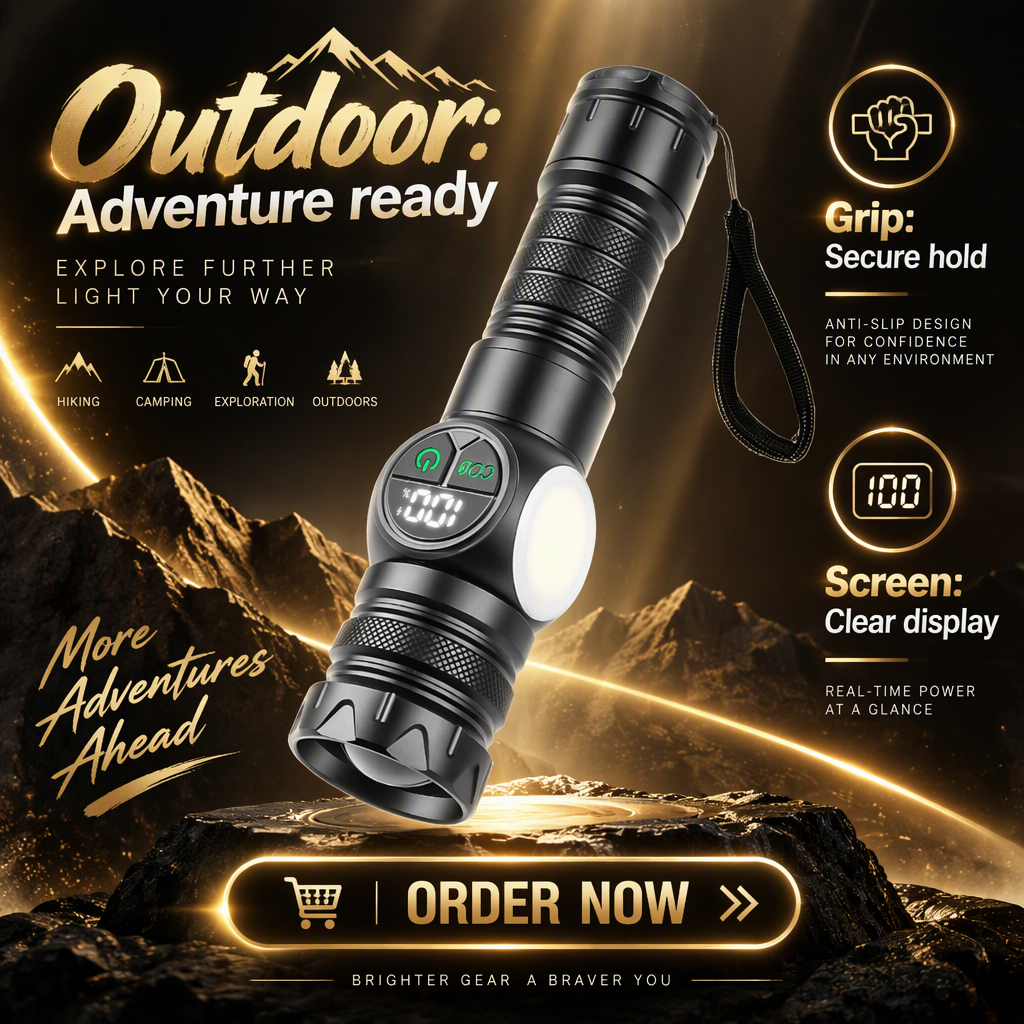
Digital Display
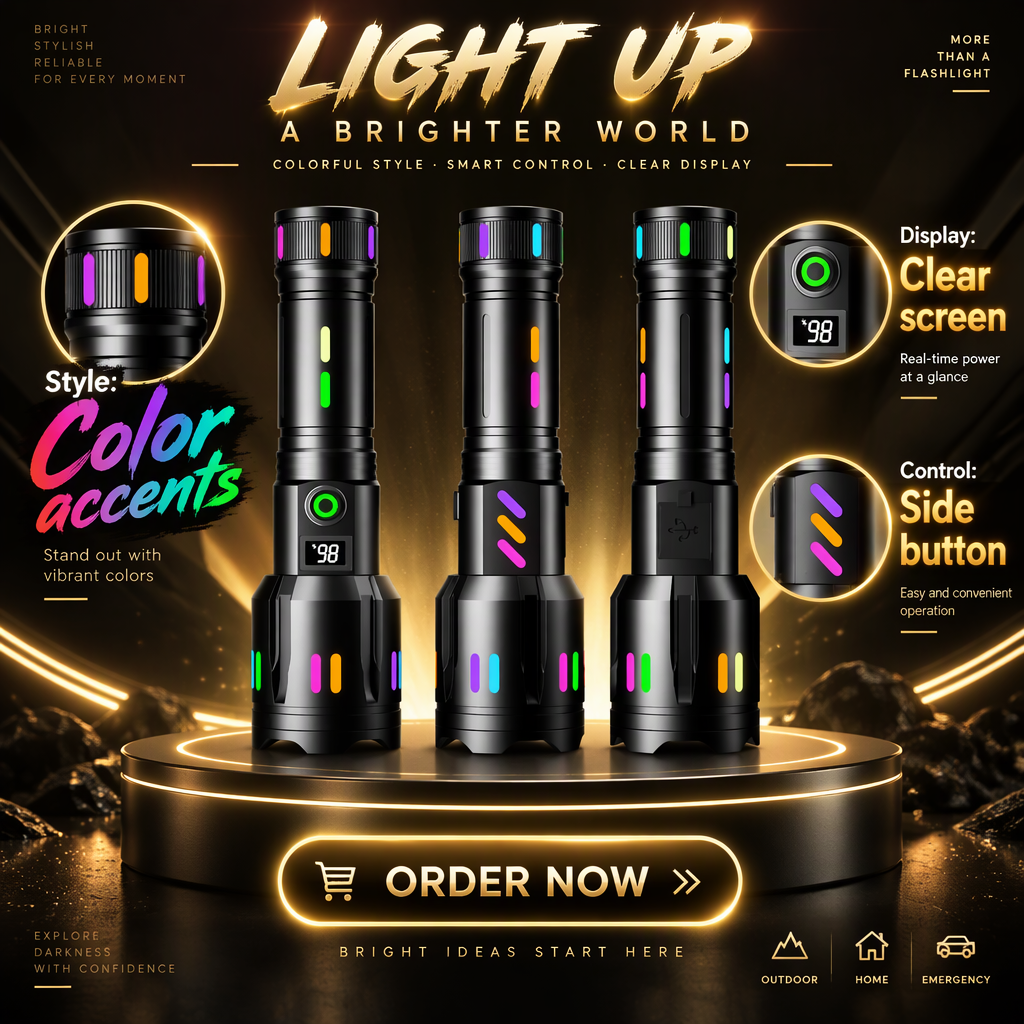
IPX6 Handlebar
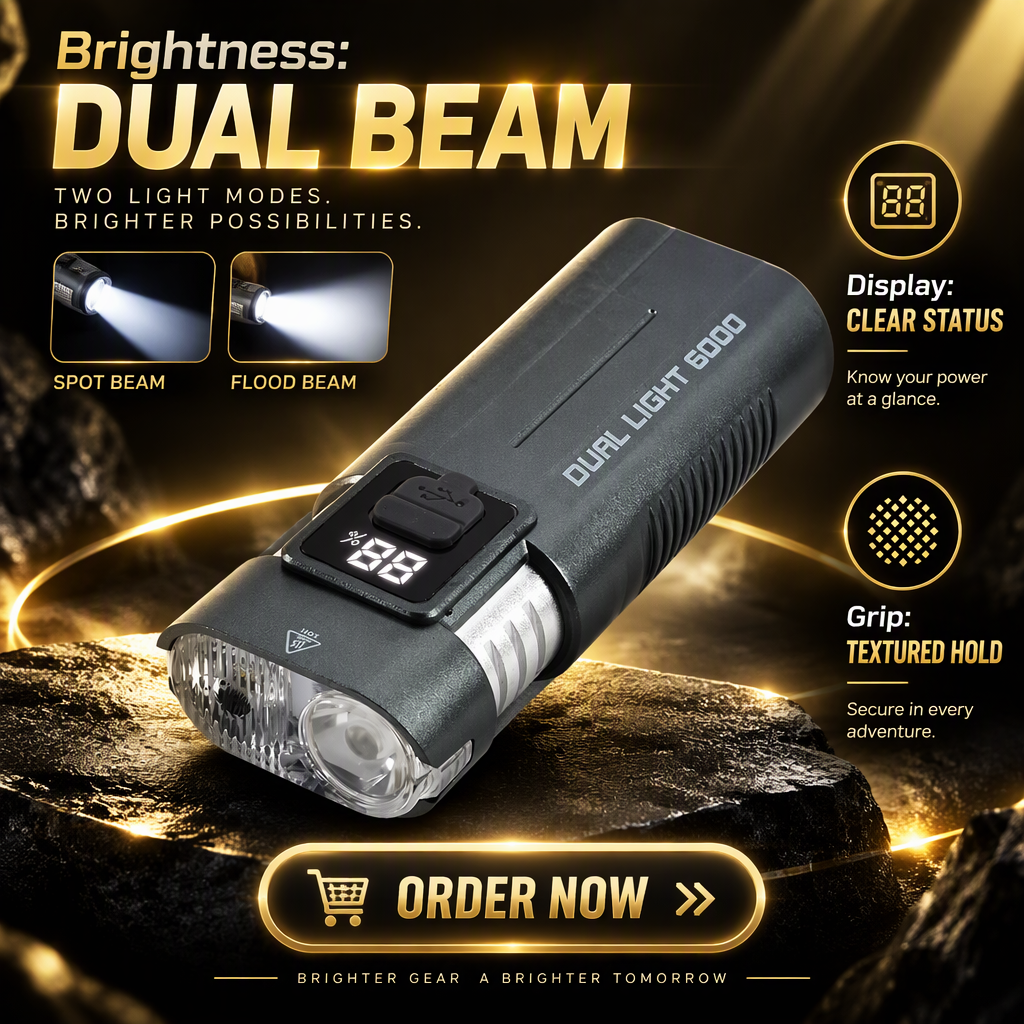
Expedition
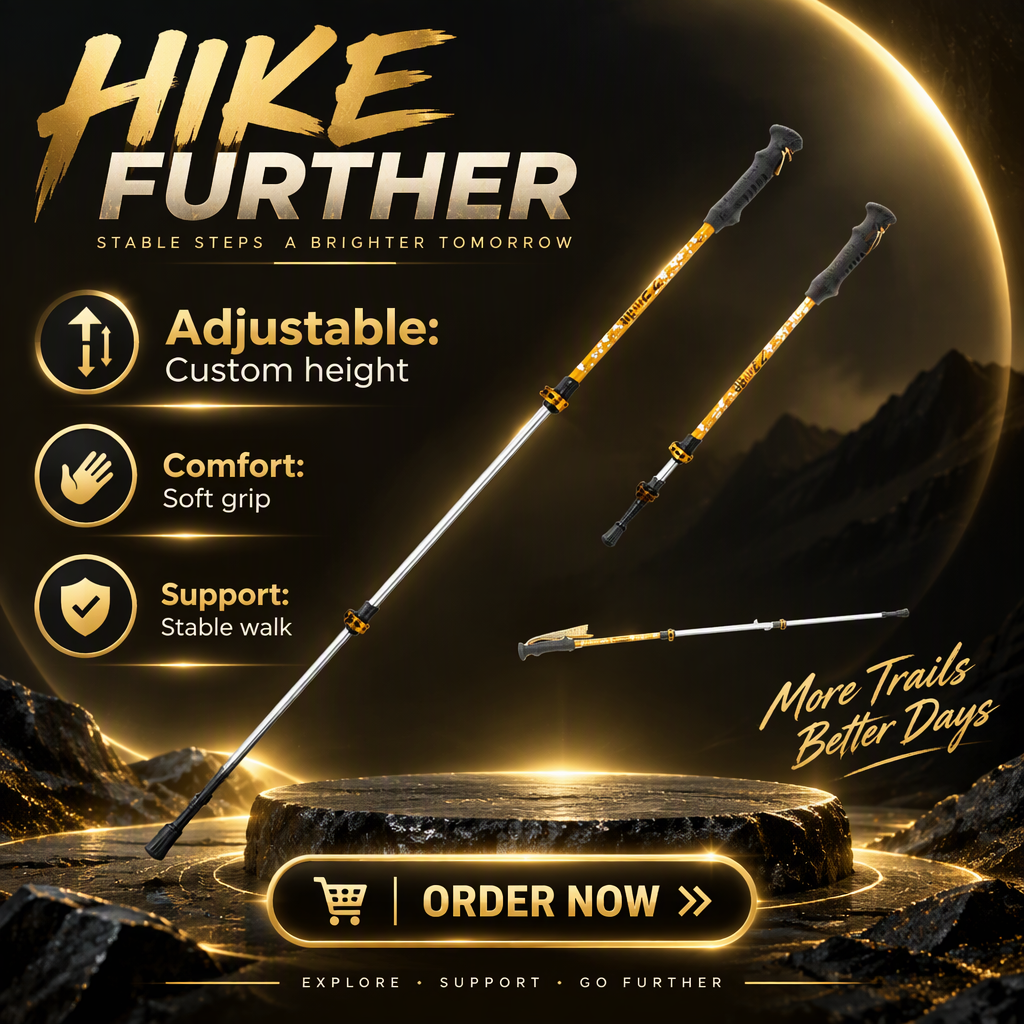
Maintenance COB
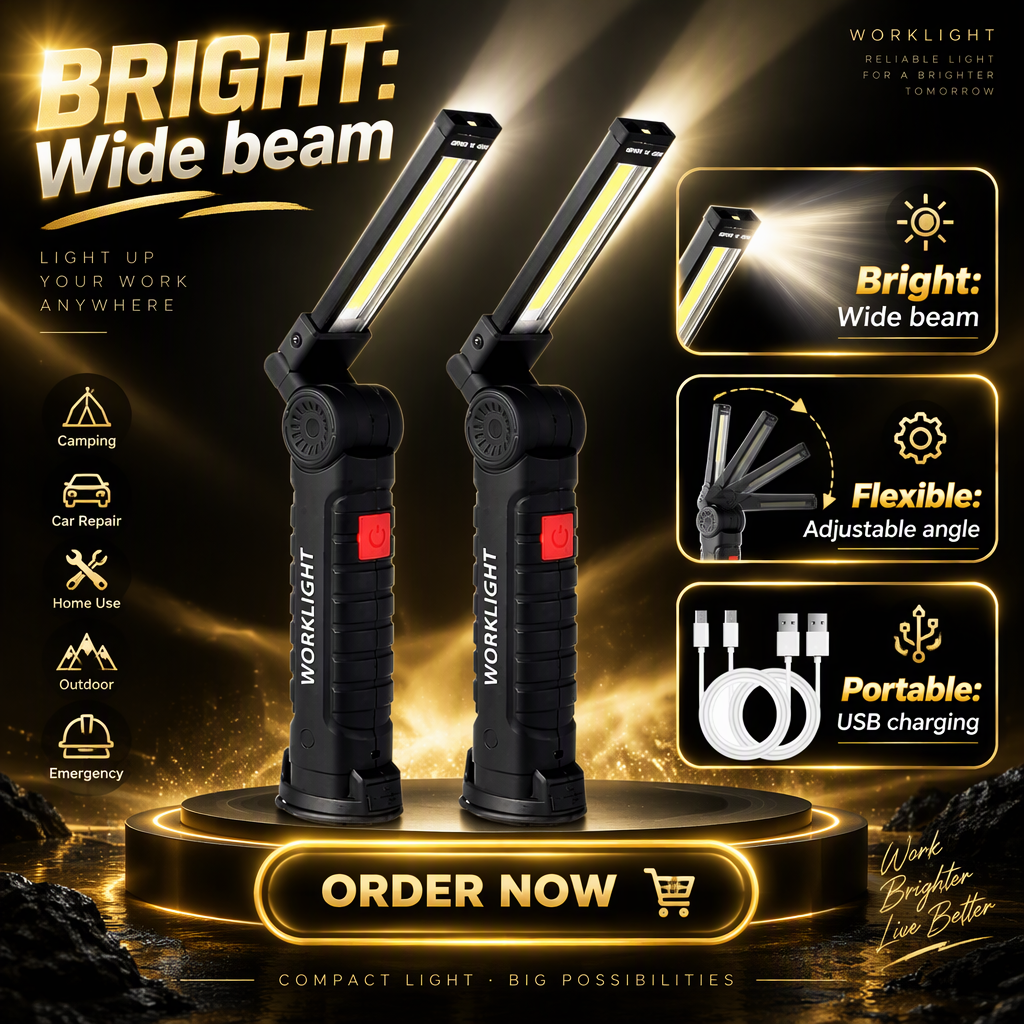
Explosion Proof
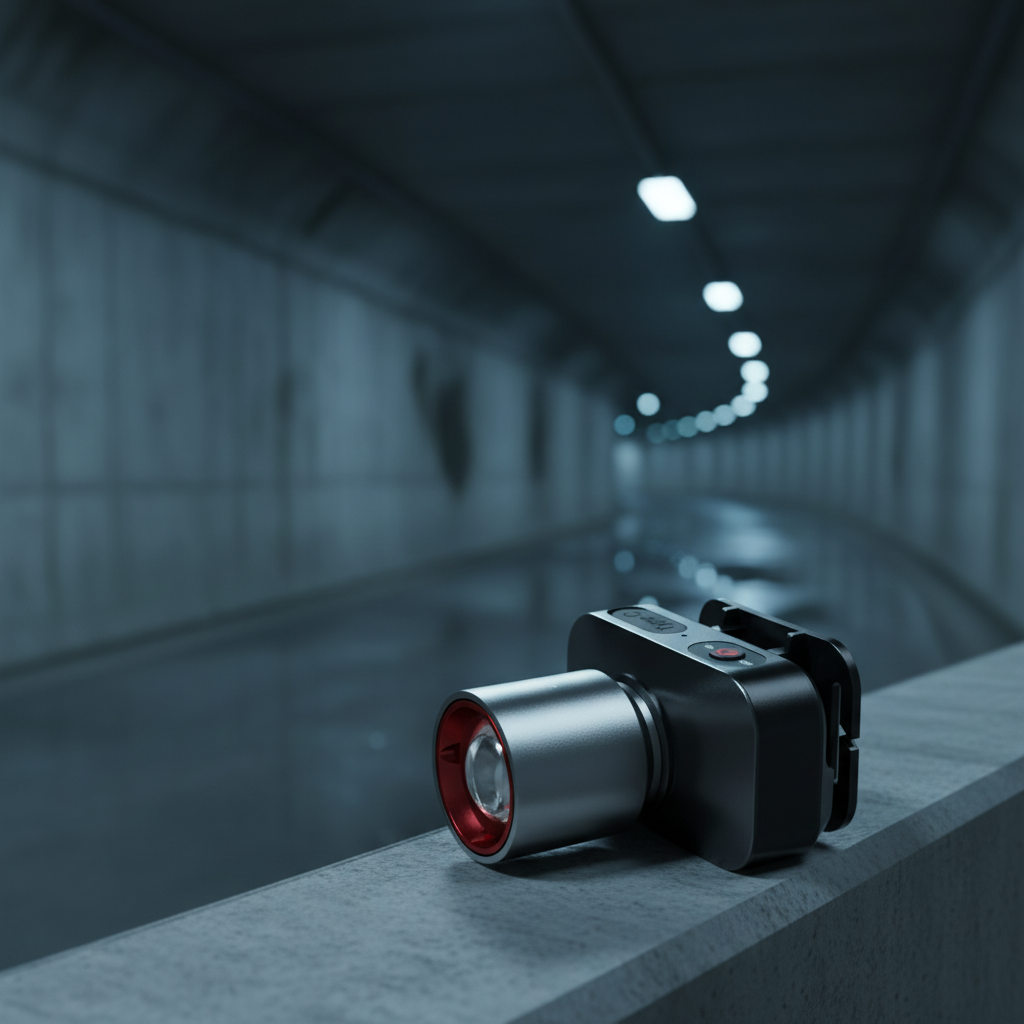
Strategic Procurement Analysis: Auditing the Top 10 Bicycle Lighting Suppliers
Navigating the global supply chain for micro-mobility illumination requires a technical lens far beyond comparing headline lumen claims on a digital catalog. When procurement directors assess the top 10 bicycle lighting factories across the Pearl River Delta and East Asian manufacturing corridors, the evaluation criteria focus heavily on thermal resistance engineering, photometric cutoff compliance (StVZO / ISO 6742-1), and automated circuit board potting against micro-vibrations.
Tier-1 bicycle light manufacturers differ from commercial traders primarily through their in-house mechanical and optical capital expenditures. An authentic tier-1 OEM/ODM partner maintains closed-loop SMT surface-mount lines, five-axis CNC metal machining centers for A6061 alloy heat-dissipating shells, integrating spheres calibrated to NIST standards, and IPX6/IPX8 pressurized water-ingress chambers. Without direct ownership of the aluminum thermal paths, multi-die LED assemblies suffer rapid thermal throttling, dropping their nominal flux outputs by 30% to 50% within the first 15 minutes of continuous operation.
1. Photometric Beam Architecture
Top factories utilize custom-tooled Total Internal Reflection (TIR) optical lenses or free-form surface reflectors designed to cast asymmetrical cutoff lines that prevent glare for oncoming motorists while maintaining wide peripheral coverage.
2. Cell Chemistry & BMS Redundancy
Supply chain reliability depends on certified lithium cells (18650 / 21700) integrated with dual-MOSFET protection circuits designed to mitigate overcharge, deep discharge, high-draw thermal spikes, and severe sub-zero degradation.
3. Real-World Ingress & Shock Validation
Leading suppliers mandate sustained 50G drop testing, cyclic handlebar harmonic resonance testing, and high-pressure water spray verification to guarantee durability on rocky downhill tracks and urban downpours.
Future Trends Reshaping the Global Bicycle Lighting Market (2025–2030)
The transition toward electric mobility, connected transport ecosystems, and strict regional regulatory mandates is fundamentally transforming lighting design. Category managers must prepare their product development roadmaps to leverage the following structural industry shifts:
Direct E-Bike Integration
Deprecation of standalone internal cells for city bikes in favor of direct wide-voltage DC step-down systems (6V–60V) that pull power directly from the e-bike drive unit (Bosch, Shimano, Brose, Bafang) via unified plug-and-play wiring harnesses.
Intelligent Sensor Fusion
Smart lighting systems incorporating tri-axial gyroscopes and ambient light sensors to automate daytime running lights (DRL), trigger active deceleration brake lights, and adjust beam patterns dynamically depending on vehicle velocity.
Universal USB-C PD & Power Bank
Adoption of bidirectional USB Power Delivery (USB-C PD) protocols that allow fast 18W recharging of the light itself, while serving as an emergency roadside power reservoir for GPS bike computers, smartphones, and cycling electronics.
Circular Material Lifecycle
Stricter European WEEE and packaging directives are forcing factories to shift from ultrasonic-welded unserviceable plastics to modular aluminum chassis with replaceable cell trays and non-toxic, plastic-free retail packaging.
Technical Specification Matrix: Optimizing Output & Compliance
| Target Segment | Recommended Lumen Range | Optical Beam Priority | Waterproofing | Regulatory Framework |
|---|---|---|---|---|
| Urban Commuter & Cargo | 200 – 600 Lumens | StVZO Cutoff Line (Anti-Glare) + Side Visibility Windows | IPX5 to IPX6 | StVZO (K-Mark), CE, RoHS, ISO 6742 |
| Enduro & MTB Downhill | 1,200 – 3,000+ Lumens | Deep Spot Projector paired with 160° Wide Angle Flood | IP67 / IP68 Submersible | CE, FCC, UN38.3 (Lithium Safety) |
| Road & Gravel Endurance | 600 – 1,200 Lumens | Dual-Beam High/Low Switchable via Wireless Remote | IPX6 Continuous Pressure | CE, WEEE, REACH Compliant |
| E-Bike Integrated System | 350 – 1,500 Lumens | Direct Multi-Voltage Drive (6V–48V DC Automotive Regulated) | IP66 Fully Sealed Hermetic | ECE R113, StVZO TA23, EN 15194 |
Why Global Brands Partner with Shenzhen FEXA Technology Co., Ltd.
As a verified custom manufacturer certified onsite by Intertek, Shenzhen FEXA Technology Co., Ltd. has served Tier-1 brands, specialized national importers, and high-volume e-commerce distributors worldwide since 2008. Operating an advanced 2,582 m² production complex in Shenzhen's prime manufacturing corridor, our operations unite R&D innovation with high-yield volume delivery.
In-House Precision CNC & Tooling
Equipped with internal CNC machining centers, precision plastic tooling presses, and high-speed laser marking systems. We eliminate third-party delays, ensuring sample lead times under 7–10 working days and exceptional dimensional repeatability.
Full Tiered OEM / ODM Customization
From simple laser brand engraving, customized anodized finishes, and customized firmware flash modes, to clean-sheet optical chassis engineering protected by private customer molds and registered EU patents.
Seamless Cross-Border Fulfillment
Fully compliant with Amazon FBA preparation guidelines (FNSKU labeling, outer master carton drop test certification, and retail blister/gift box creation). Multi-currency settlements accepted (USD, EUR, GBP) under flexible FOB/CIF/EXW delivery terms.
Frequently Asked Questions: Global Bike Light Procurement
Direct technical and operational answers to the most common questions raised by brand managers, quality engineers, and supply chain analysts.
What specific manufacturing certifications and factory verification does your plant possess?
Shenzhen FEXA Technology Co., Ltd. is verified onsite by Intertek, the world’s leading quality inspection authority. Our production facilities hold complete audits covering ISO management processes. Finished units carry direct CE and FCC testing reports, RoHS environmental compliance documentation, and UN38.3 plus MSDS certification for safe sea/air cargo transit of lithium battery units. Select optical architectures also carry proprietary European Union design patents.
How does the factory prevent thermal decay and real lumen loss over extended operation?
Many budget lights advertise theoretical 'emitter lumens' that immediately drop by half due to overheating. FEXA engineers each light using aircraft-grade 6061-T6 aluminum shells CNC-machined to function as high-efficiency passive heat sinks. The interior PCBA uses high-conductivity thermal copper substrates directly bonded to the shell via industrial thermal interface material (TIM). Additionally, our microcontrollers run real-time thermistor monitoring that subtly balances current delivery to keep operating temperatures below 60°C without noticeable stepping down in field illumination.
Can you supply lights engineered specifically for the German market according to StVZO standards?
Yes. Standard rotation-symmetric reflector lights are illegal for road use in Germany because they blind oncoming motorists. FEXA has developed specialized optical lenses that feature a sharp horizontal cutoff threshold meeting StVZO (TA23) photometrics. These lenses concentrate lighting power onto the tarmac path without scattering stray light above the handlebar horizontal line, ensuring compliance for European road distribution.
What is your minimum order quantity (MOQ) for custom branding, laser printing, and bespoke packaging?
To help fast-growing distributors test new market configurations, we support flexible low-MOQ pilot orders. Standard laser marking of company logos and tailored multi-language user manuals can be initiated at just 200–500 units per SKU. Bespoke custom-molded color boxes and retail display cartons typically require an MOQ of 1,000 units. Full ground-up ODM tooling with protected proprietary molds is scoped following an engineering design review.
How does your quality control framework handle mass production consistency?
Every batch passes through three mandatory QC gates: First, Incoming Quality Control (IQC) tests incoming LEDs via spectroradiometers for uniform color temperature (CCT) and batch-tests bare lithium-ion cells for nominal capacity and internal impedance. Second, In-Process QC (IPQC) subjects 100% of finished PCB assemblies to active voltage burn-in benches. Finally, Outgoing Quality Control (OQC) conducts 4-hour full-load discharge tests, salt-spray bracket testing, and pressurized IPX6 water spray cabinet evaluations before master carton sealing.
What are your payment terms and international freight options for new overseas buyers?
We offer diverse, globally accepted transaction methods including T/T (Telegraphic Transfer), L/C at sight, PayPal, and Western Union in major currencies including USD, EUR, and GBP. Typical commercial agreements operate on a 30% production deposit with the 70% balance cleared upon presentation of the Bill of Lading (B/L). We offer complete logistics coordination including EXW factory collection, FOB Shenzhen/Hong Kong, CIF container shipping, or DDP direct delivery to Amazon FBA hubs with all customs clearances handled.
Accelerate Your Brand's Bicycle Illumination Roadmap
Connect with our technical sales engineers to review product specifications, receive complete photometric test reports, and obtain production quotations tailored to your regional market.