High-Performance Bicycle Headlights & Systemic Accessories
Precision-machined, thermally optimized, and compliant with global roadway optical distributions. Engineered directly for international brands, major wholesalers, and e-commerce channel leaders.
5200mAh Li-ion
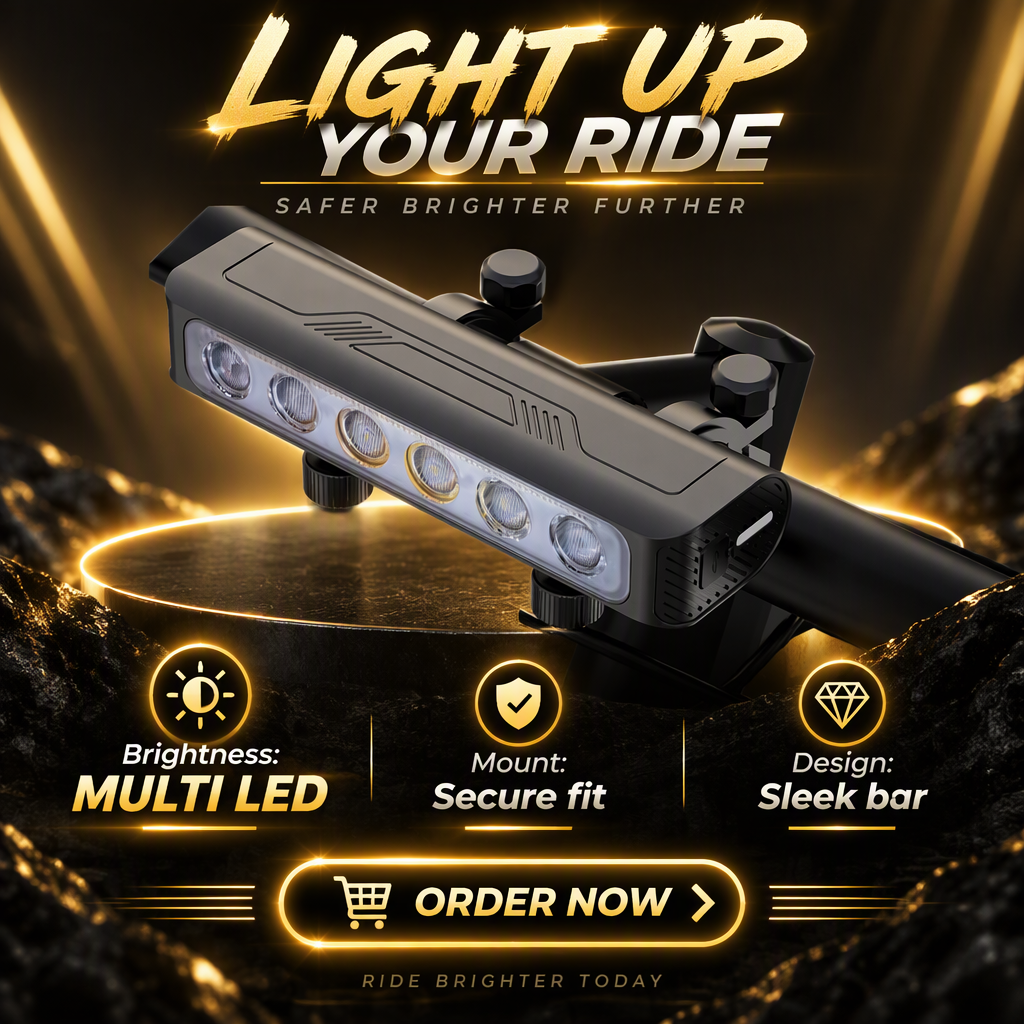
IPX5 Waterproof
CNC Alloy Casing
Power Bank Function
View Product Detail
Dual-Arc Multi-Beam
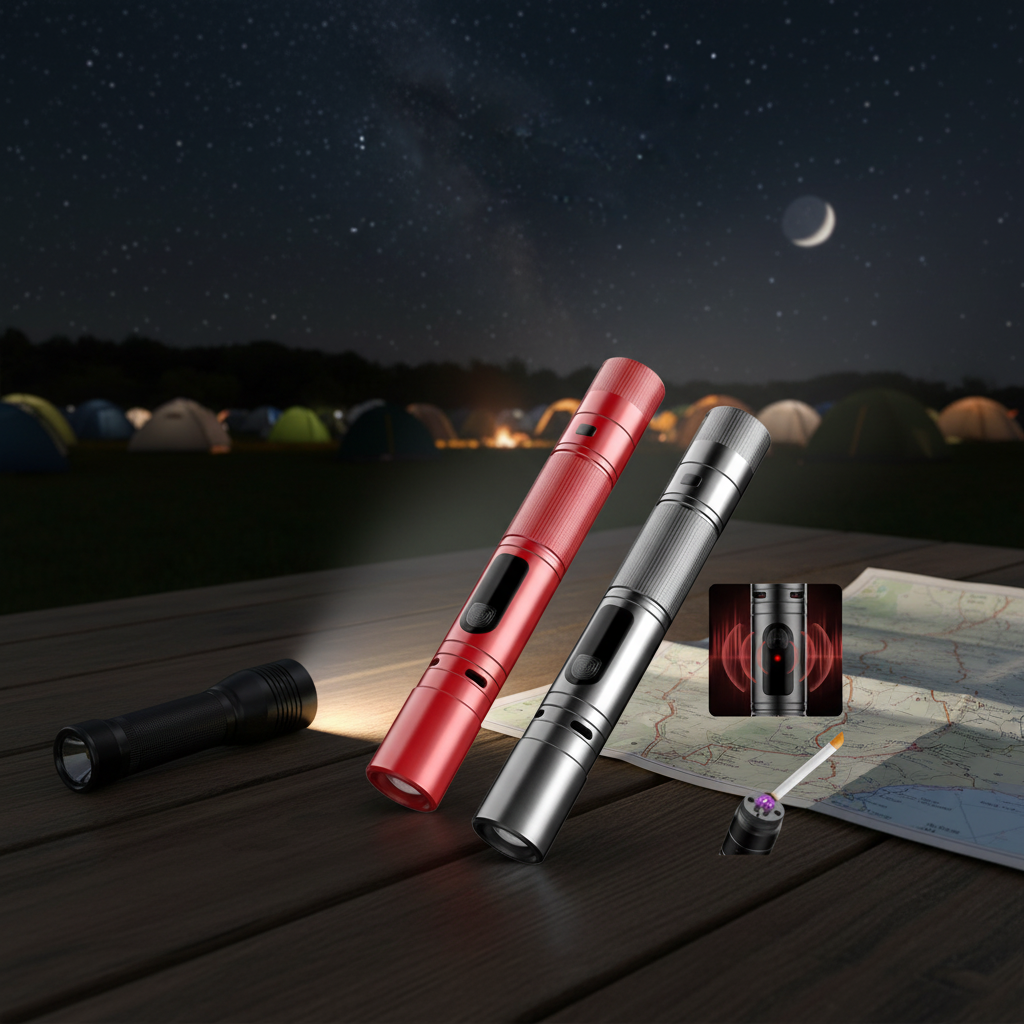
Adjustable Focus
USB Rechargeable
Hybrid Mounting
View Product Detail
IPX6 Heavy Duty
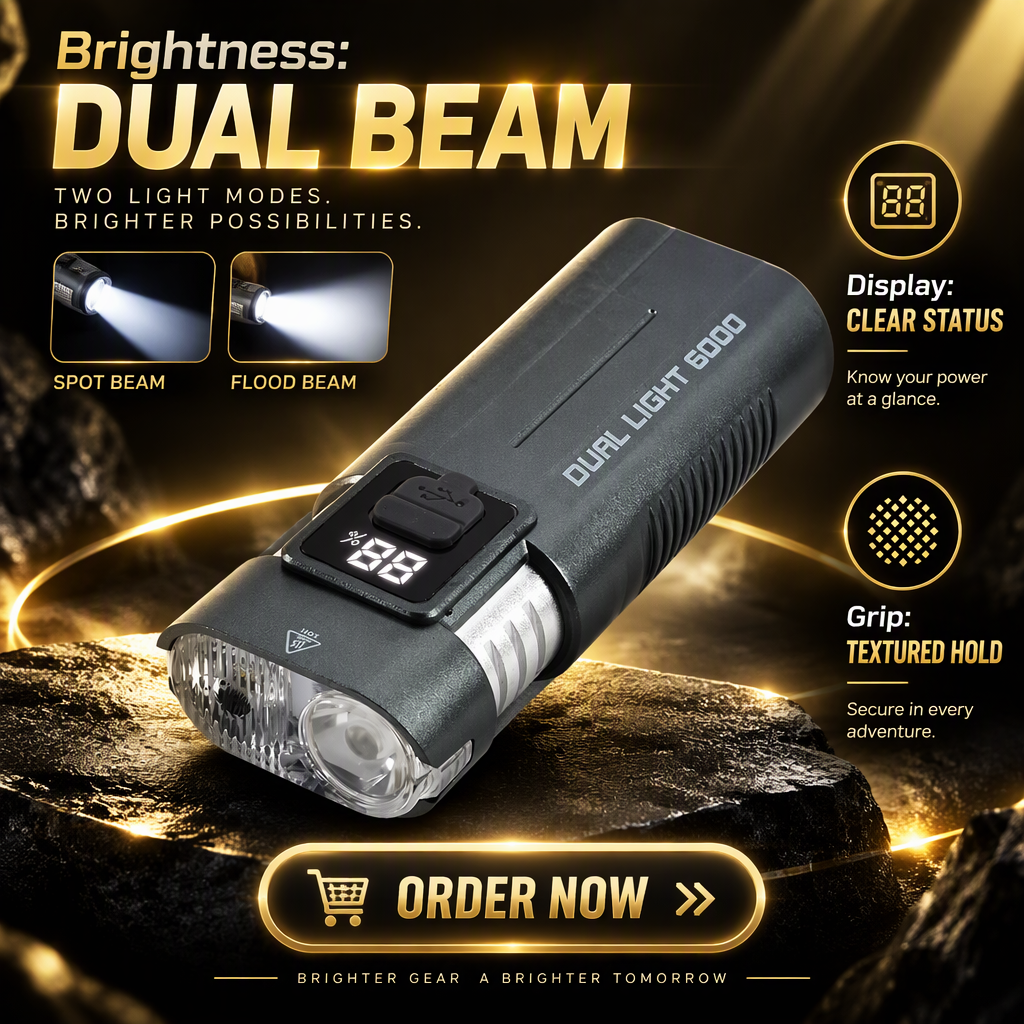
Anti-Vibration Mount
Wide Flood Arc
Impact Tough ABS
View Product Detail
COB Hybrid Emitter
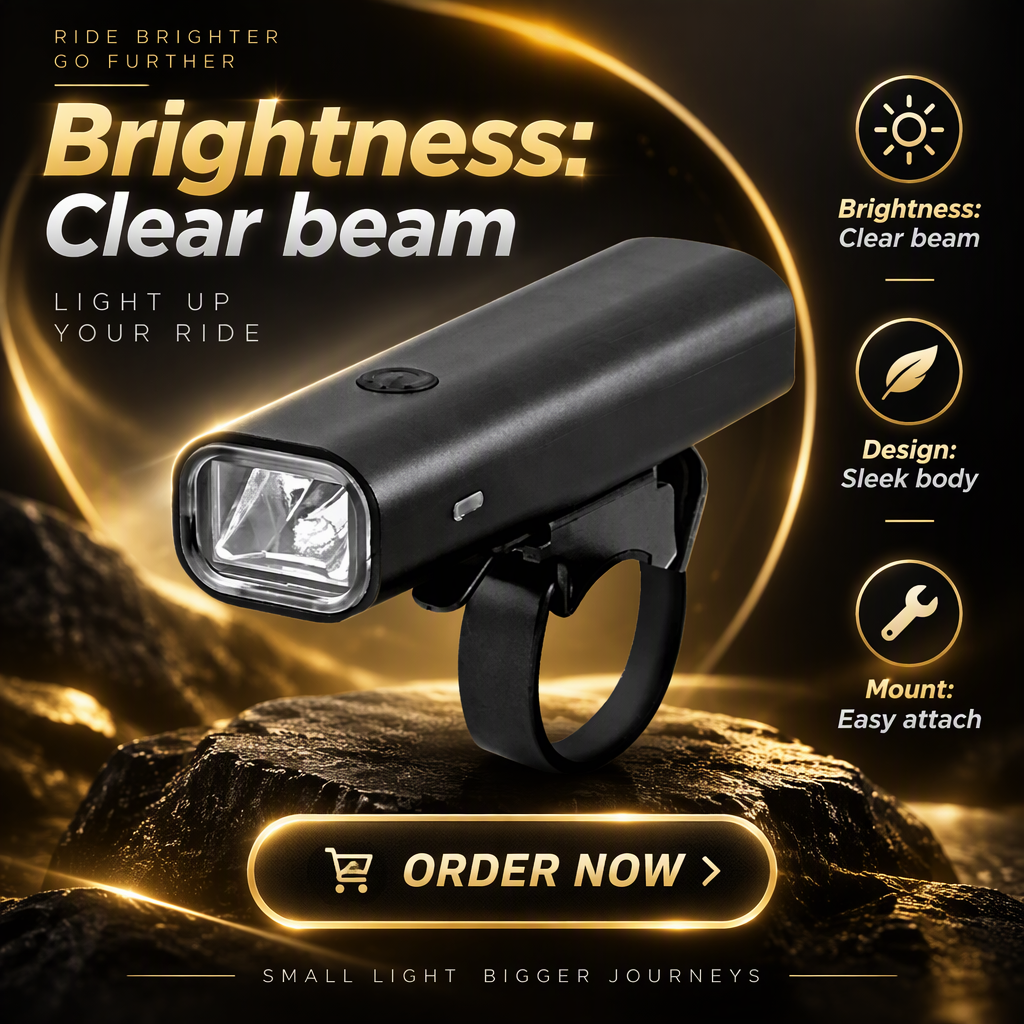
18650 Cell Enclosure
Anti-Glare Lens
Fast Type-C
View Product Detail
3-Leaf Multifunction
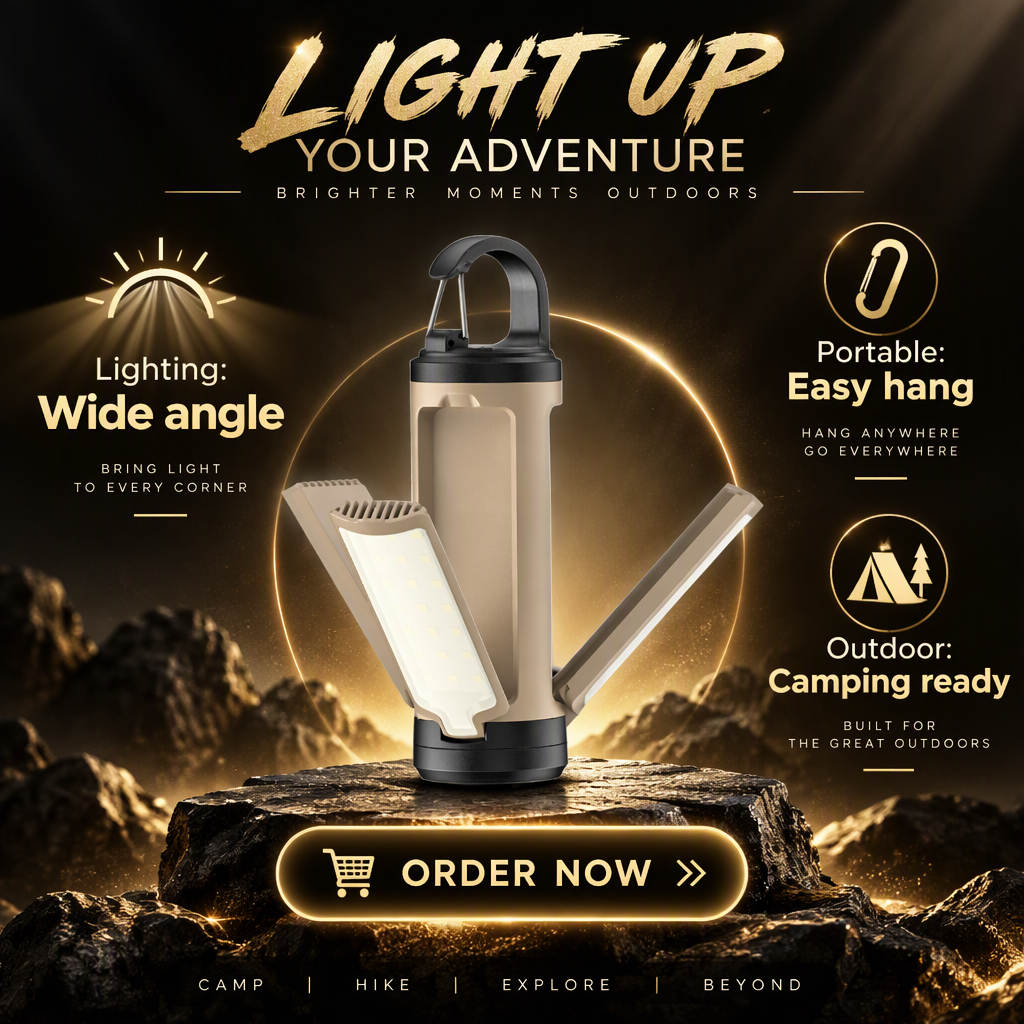
360° Peripheral Light
Bikepacking Gear
6 Optical Modes
View Product Detail
Smart Ambience

Wireless Remote
Energy Star Compliant
Eco Thermal PC
View Product Detail
Rear Warning Matrix
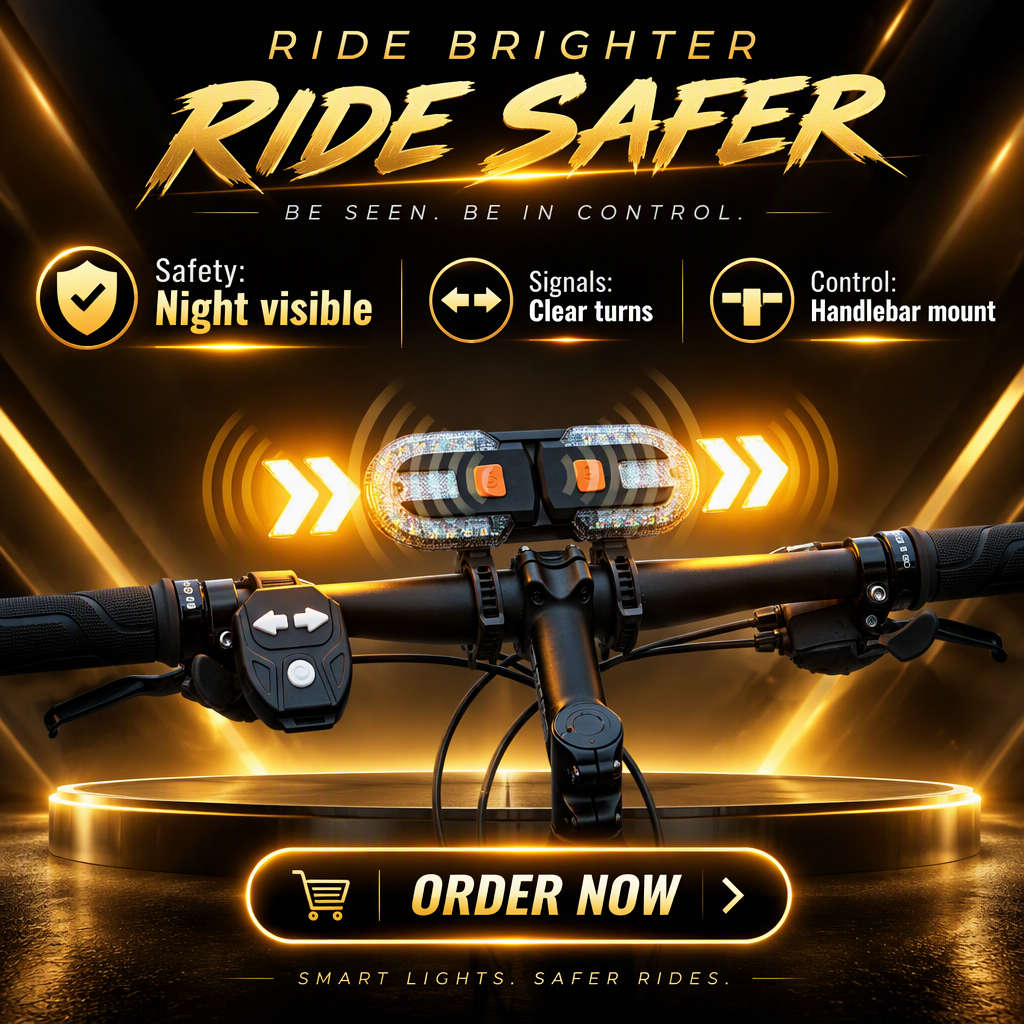
High-Contrast Red
Aero Post Strap
5 Strobe Profiles
View Product Detail
Smart Telemetry
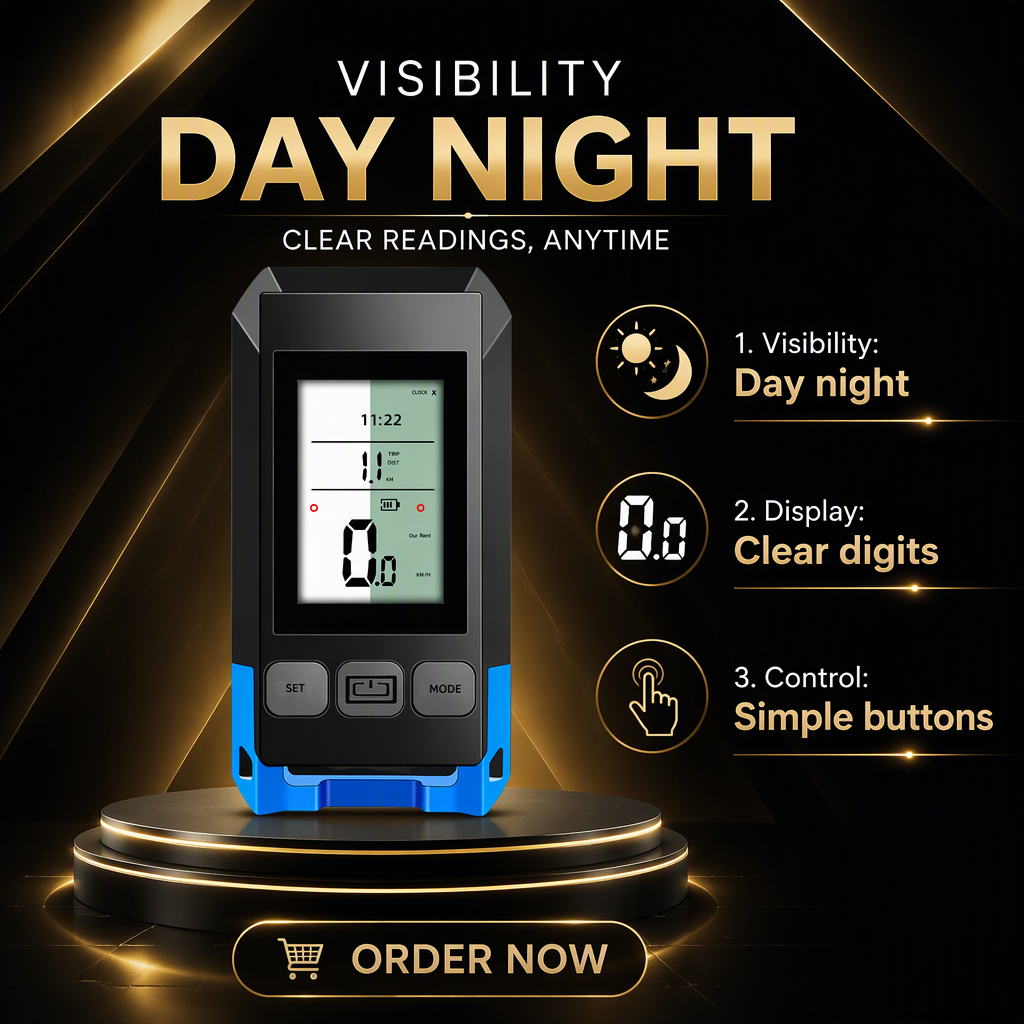
Integrated Cockpit
Touchscreen Control
Wireless Sensor
View Product Detail
The Global Landscape: Evaluating Top 10 Bicycle Headlight Factories
A technical teardown of tier-one manufacturing ecosystems, contrasting specialized optical design hubs, precision CNC milling plants, and integrated optoelectronic contract manufacturers.
Procuring bicycle headlights at volume is no longer a matter of choosing plastic housings and mounting bulk LEDs on bare PCBs. The modern cycling hardware sector demands rigorous compliance with regional photometrics (such as Germany's StVZO TA23, US ANSI/NEMA FL-1, and UK BS6102/3), active micro-controller battery management systems (BMS), thermal-relief extrusion engineering, and specialized automated ingress-protection (IP) testing. When auditing the top 10 bicycle headlight factories worldwide, procurement managers must evaluate suppliers across four core competencies:
1. Optical Engineering
Tier-one factories own internal optical tooling labs equipped with goniophotometers and integrating spheres. Premium designs avoid symmetric round beams, creating sharp cut-off horizons that project lumen output uniformly onto the asphalt without blinding oncoming drivers.
2. Ingress & Environmental QC
Reliable headlight assembly lines employ automated gasket dispensing, ultrasonic welding for polycarbonates, and nitrogen-purged helium-leak vacuum chambers to consistently verify IPX5 through IP68 waterproof ratings under continuous monsoon vibration tests.
3. BMS Circuitry Protection
High-capacity 18650 and 21700 lithium battery setups require dedicated dual-MOSFET protection circuits guarding against over-voltage, thermal runaway, and deep discharge. The leading production lines integrate UL1642 and UN38.3 validated cell batches.
4. Aluminum CNC Precision
Heat is the primary enemy of high-flux diode longevity. Premium factories feature automated 4-axis and 5-axis CNC machining bays that mill 6061 aerospace-grade aluminum housings, serving double duty as structural armor and radiant convective heat sinks.
Technical Benchmark: Factory Tier Specifications
How top-tier bicycle light manufacturers differ across critical engineering tolerances, certifications, and manufacturing protocols.
| Audit Dimensions | Tier-1 Specialized Factory (e.g. FEXA) | Generic Trading Assemblies | Mass-Volume Commodity Plants |
|---|---|---|---|
| Optical Cut-Off & Reflector | StVZO K-Mark Freeform Mirror Optics | Standard Conical Symmetric Lens | Basic Frosted PMMA Capsule |
| Thermal Dissipation | Aviation 6061 CNC Aluminum + MCPCB | Plastic Chassis with Small Heat Sink | Full ABS Body (Overheating prone) |
| Ingress Proofing | Automated Silicone Seal Gasket (IPX6-IP68) | Manual O-Ring Placement (IPX4) | Snap-fit casing (Uncertified IPX3) |
| Battery Cell Standards | Grade-A Certified 18650/21700 (UN38.3/MSDS) | Recycled or Unbranded Cells | Standard Prismatic Pouch Packs |
| Customization Capacity | Full ODM: Tooling, Firmware, Laser Engrave | Sticker Rebranding Only | Rigid high MOQ, limited adjustments |
Future Sourcing & Technological Trends (2025–2030)
Emerging industry movements shaping inventory management, procurement priorities, and end-user performance expectations.
E-Bike CAN Bus & High-Voltage Integration
The explosive expansion of e-commuter and e-MTB fleets is driving procurement away from standalone cells toward smart headlights wired directly into Bosch, Shimano, or Bafang drive systems. Demands focus on wide-voltage (6V–60V DC) step-down converters, CAN-bus telemetry communication, and automatic ambient daylight dimming sensors integrated directly into the handlebar mount.
High-Density 21700 Cells with Power Bank Ports
Urban commuters and bikepackers expect multi-utility electronics. Leading factories are standardizing high-discharge 21700 battery cells (up to 5000mAh in compact form factors) mated with USB-C PD (Power Delivery). Lights serve dual roles: illuminating off-road trails with up to 2000 lumens while acting as power reserves to fast-charge GPS computers, smartphones, and cycling electronics.
Smart Adaptive Beams & AI Proximity Lighting
Next-generation headlight architecture uses internal gyroscopes, accelerometer chips, and ambient radar systems. Diode arrays switch dynamically from a focused high-beam long-throw spotlight during fast descents to an expansive, non-glare flood pattern when slowing down in city limits, while rear sensors flash rapidly when approaching vehicle radar detects trailing hazards.
Why Partner with Shenzhen FEXA Technology Co., Ltd.
Precision manufacturing validated onsite by Intertek, engineered in Shenzhen, and recognized across European, American, and Asia-Pacific OEM channels.
Focused Customer-Centric Manufacturing
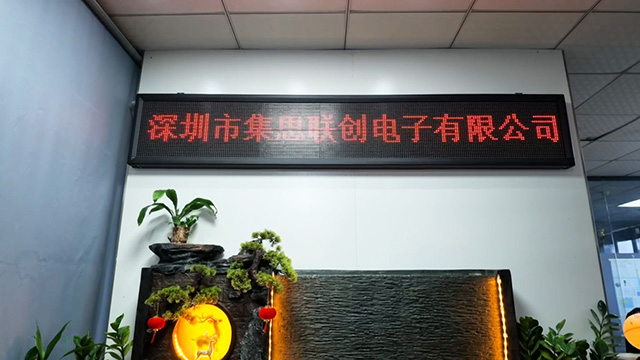
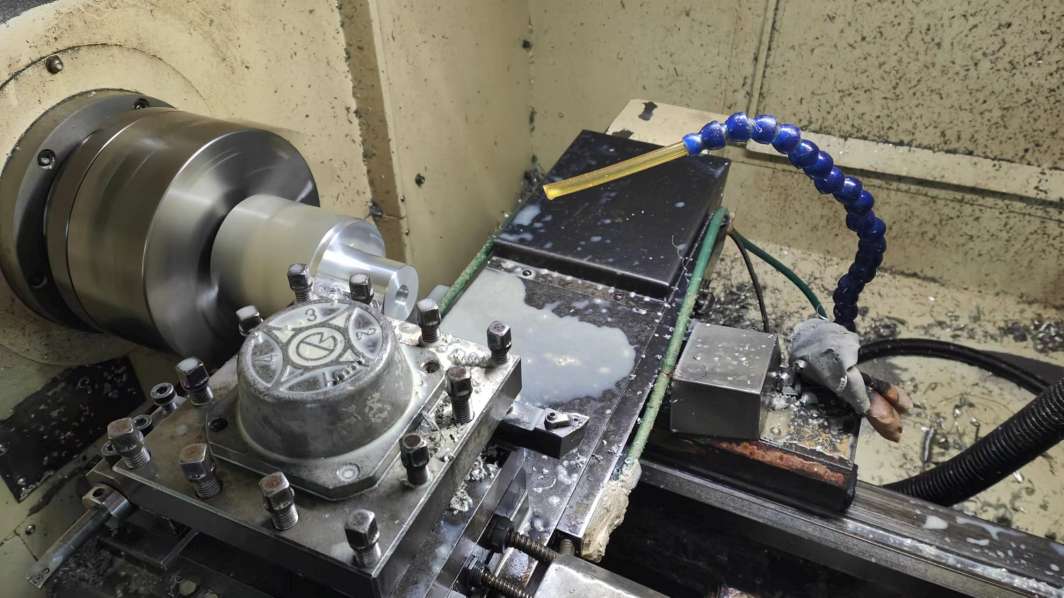
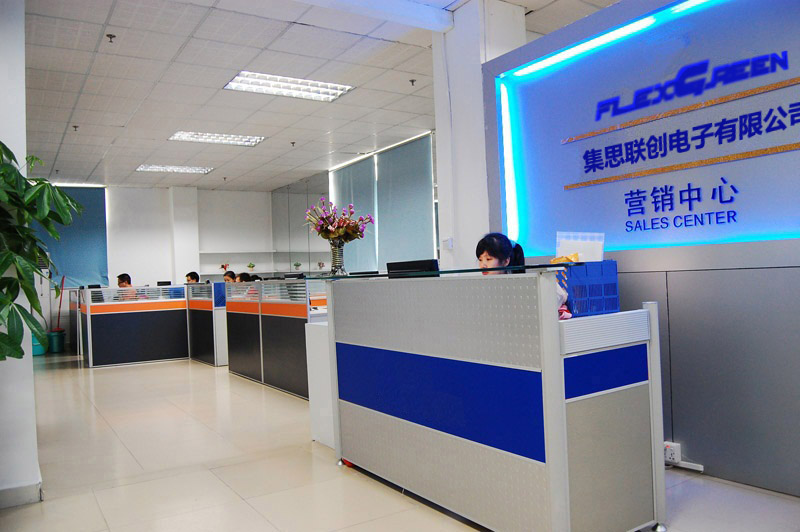
Established in 2008 and operational in Mingxi Creative Park, Shenzhen FEXA Technology Co., Ltd. has spent over 15 years mastering optoelectronic design, precision injection molding, CNC aluminum machining, and custom battery power systems.
Our 2,582 m² facility houses specialized automated SMT production, CNC chassis centers, and rigorous burn-in inspection chambers. We operate under our guiding mission: "Focus on customers, light the future." Every lighting product is backed by independent third-party assessments, low-MOQ rapid sampling, and Amazon FBA-compliant turnkey logistics.
- ✓ Onsite Checked and Verified by Intertek Inspection Agency
- ✓ Certified Quality Control: CE, FCC, RoHS, and EU Design Patents
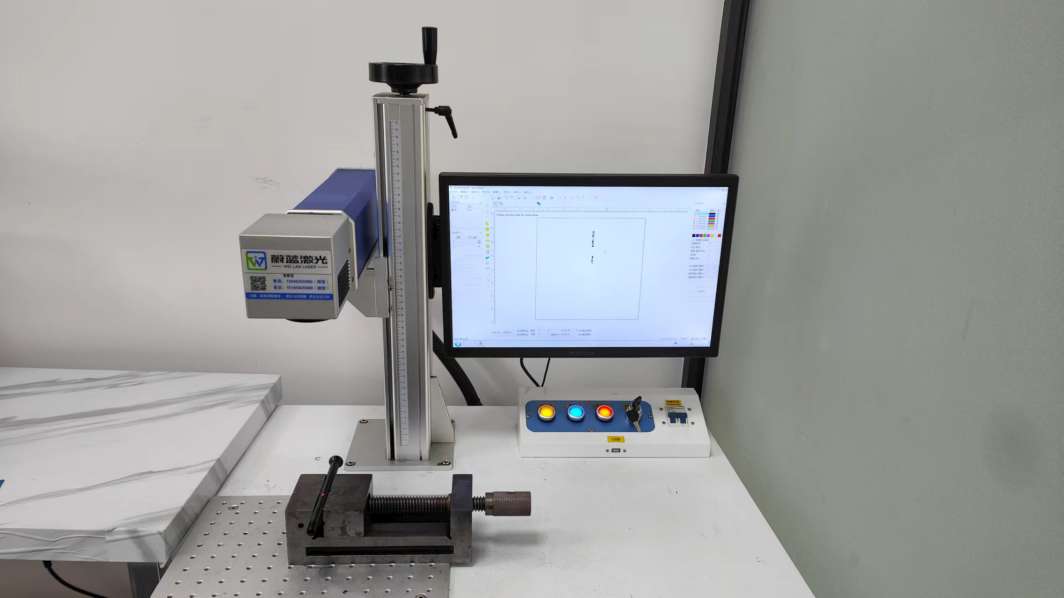
- ✓ In-House Laser Engraving, Rapid Prototyping & Custom Packaging
- ✓ Complete Supply Chain Integration: Lights, Mounts, Sensors & Flashlights
Strategic Procurement FAQ for B2B Importers
Direct answers to technical compliance, minimum orders, customs documentation, and OEM turnaround times.
Is Shenzhen FEXA Technology Co., Ltd. a direct manufacturer or a trading agent?
We are a vertically integrated custom manufacturer operating proprietary manufacturing, CNC machining, assembly workshops, and an in-house engineering team in Shenzhen, China. Our facilities, worker headcount, testing machinery, and production capacities are fully verified and assessed onsite by Intertek, the independent global inspection leader.
What specific optical engineering certifications do your bike headlights hold?
Our lighting fixtures are comprehensively certified under CE and FCC standards for electromagnetic and electrical stability. Selected models feature proprietary EU patent registrations. For clients targeting the German and European municipal markets, we customize reflectors and internal shields to meet the strict anti-glare horizon requirements of StVZO (TA23).
What is your typical OEM/ODM development process and sampling lead time?
We provide three levels of customization: (1) Sample-based logo laser-marking and housing color anodizing delivered in 3 to 7 working days; (2) Design-based modifications for battery configurations, optical lenses, and firmware modes delivered in 14 to 21 days; and (3) Full bespoke tooling/ODM development from CAD drawings to functional samples within 35 to 45 days.
How does the factory safeguard against battery pack degradation and safety hazards?
We utilize only tested, Grade-A 18650 and 21700 lithium cells accompanied by verified UN38.3 and MSDS test certifications. All internal battery packs feature precision Protection Circuit Modules (PCM) guarding against overcharge, short circuit, deep discharge, and thermal elevation during high-current USB-C fast charging cycles.
Can you facilitate end-to-end logistics for Amazon FBA and global regional distribution?
Yes. We routinely prepare shipments for Amazon FBA hubs across North America, Europe, Japan, and Australia. Our services include retail-ready blister/gift box design, barcoding, FNSKU carton labeling, master palletizing, and multimodal shipping terms including EXW, FOB, CIF, DDP, and courier air freight.
What are your payment terms and Accepted Transaction Currencies?
We offer flexible commercial terms including T/T, L/C, D/P, D/A, PayPal, Western Union, and Escrow. We support transactions in USD, EUR, GBP, JPY, CAD, AUD, HKD, and CNY to streamline international settlement.