Export Catalog
Precision Portable Lighting Solutions
Production-ready chassis architectures engineered for private label branding, direct marketplace scaling, and customized electro-optical parameters.
Smart Lighting
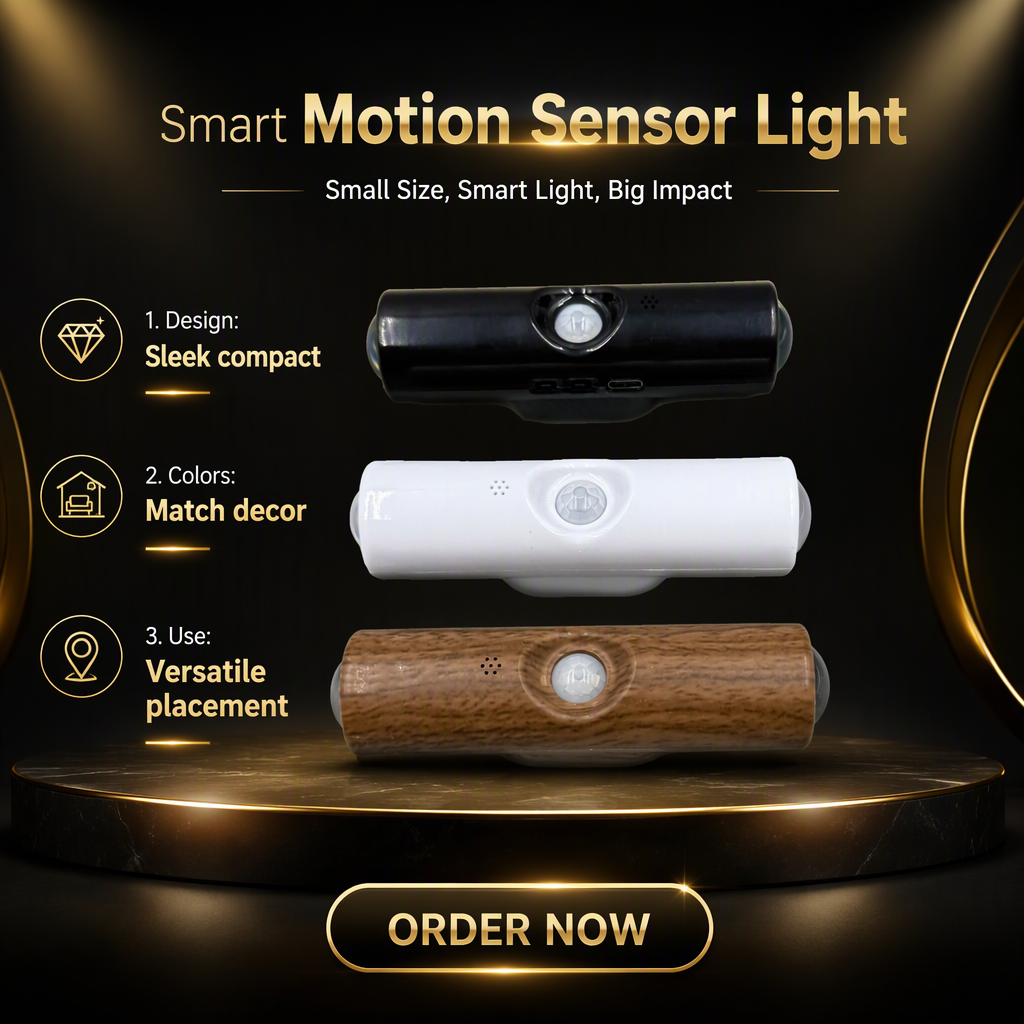
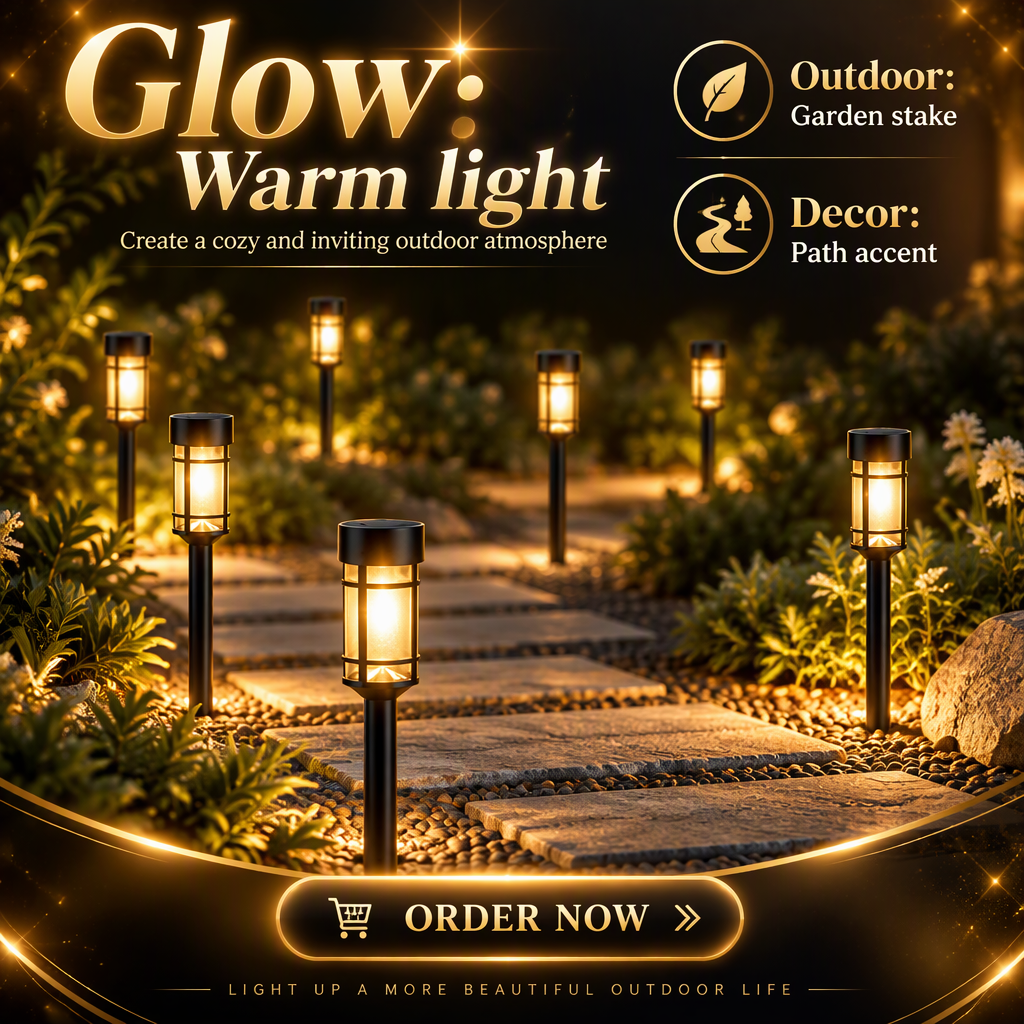
Cycling • IPX6
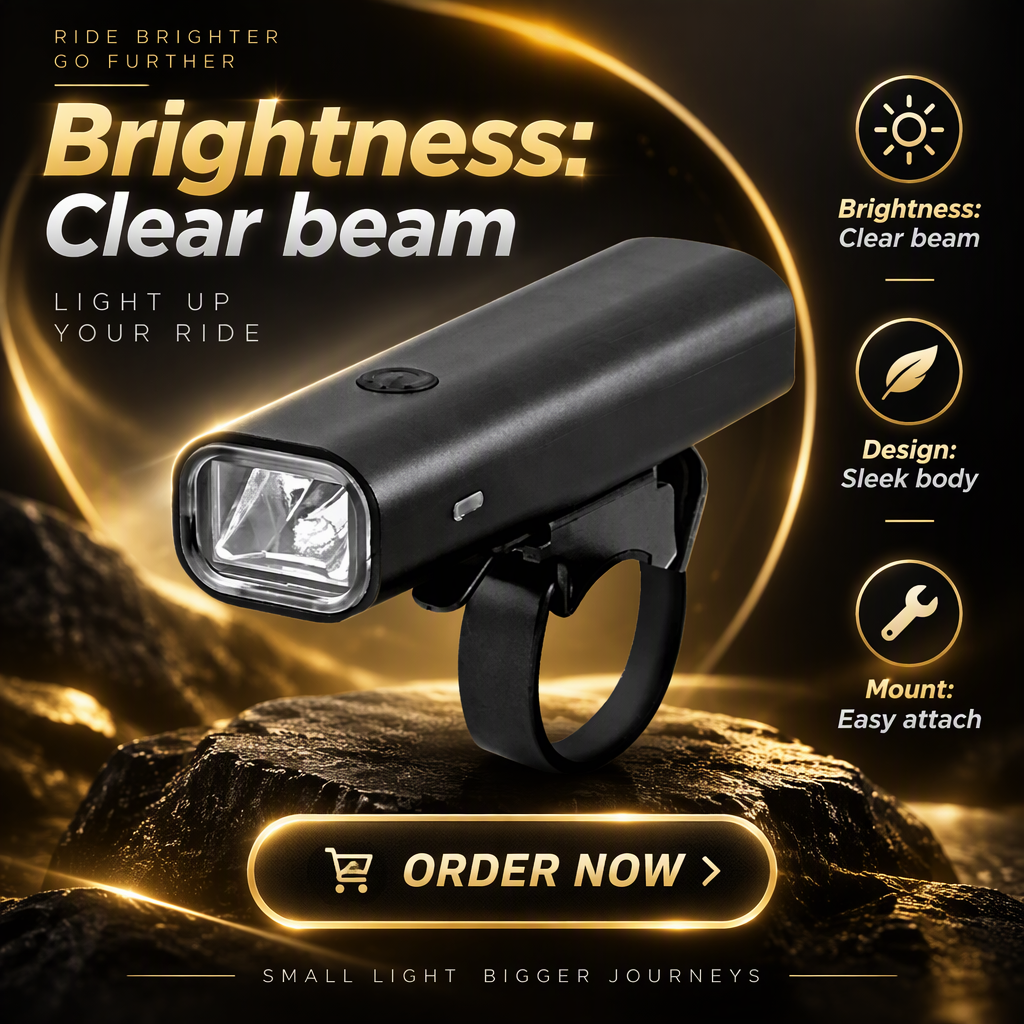
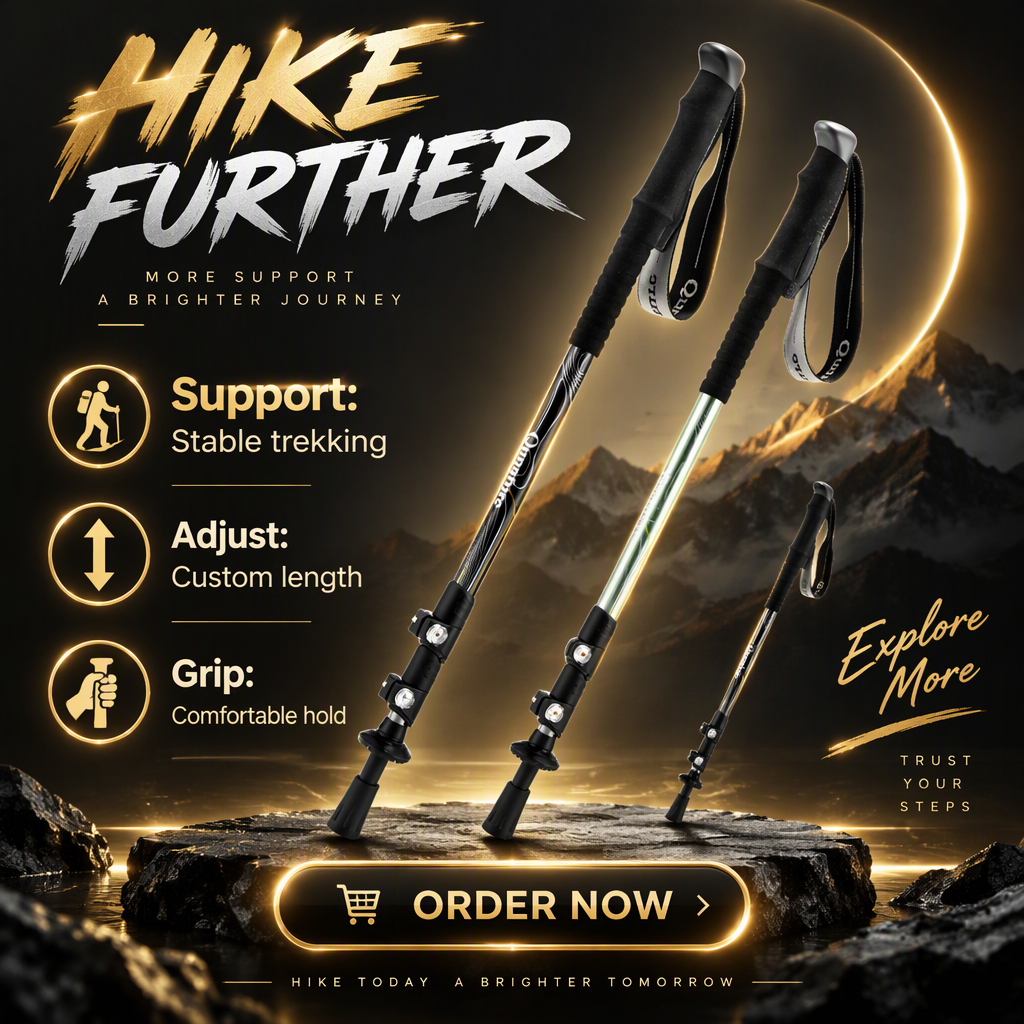
Decorative
15+
Years OEM/ODM Expertise
2,582m²
Intertek Verified Facility
±0.01mm
CNC Machining Tolerance
99.7%
Inquiry Fulfillment Rate
Technical White Paper
Engineering Architecture of Industrial Aluminum Flashlights
A rigorous examination of metallurgy, thermal dynamics, electro-optical conversion, and drive-circuit topology for B2B brand owners and procurement directors.
Chassis Metallurgy & HA-III Anodizing
We machine torch housings from aerospace-grade 6061-T6 and 7075 extruded aluminum bar stock. Housings undergo Type III Military-Spec Hard Anodizing (MIL-A-8625 Type III Class 2), achieving a dielectric micro-hardness exceeding 400-500 HV. This prevents surface galvanic degradation, withstands ASTM B117 96-hour salt-fog corrosion, and provides structural anti-crush thresholds exceeding 1,200 kgf.
- Tensile Yield Strength≥ 276 MPa
- Oxide Layer Thickness35–50 μm
- Corrosion RatingASTM B117 / 96h
Solid-State Emitter Array & LEP Modules
Direct integration with premium emitter packages including Cree XHP50.3/XHP70.2, Luminus SST-40/SFT-40, and Osram Ostar. For ultra-long-distance illumination requirements, our Class 1M Laser Excited Phosphor (LEP) assemblies project coherent light through specialized blue-laser diodes hitting a dynamic yellow phosphor crystal layer, yielding zero-spill beam profiles with throw distances exceeding 1,500 meters.
- Efficacy (Luminous Flux)Up to 180 lm/W
- Color Rendering IndexCRI ≥ 70 / 90 / 95 (Custom)
- Peak Beam IntensityUp to 650,000 cd (LEP)
Buck-Boost Synchronous Regulation
Pulse-Width Modulation (PWM) flicker creates visual fatigue in mission-critical environments. We utilize constant-current (CC) Buck-Boost digital switching drivers delivering sustained efficiency above 94%. Equipped with NTC-monitored Advanced Temperature Regulation (ATR), the firmware dynamically calibrates output down to maintain housing skin temperatures below the 55°C human safety threshold.
- Circuit Efficiency≥ 94.2%
- Output RegulationTrue Flat Line CC
- Standby Parasitic Drain≤ 15 μA
Precision Reflector & TIR Optical Collimation
Optical efficiency relies on substrate geometry. Our CNC-machined vacuum-electroplated orange-peel (OP) reflectors eliminate chromatic aberrations and central artifact rings, producing uniform flood transitions. For tactical throw applications, high-transmittance optical-grade PMMA Total Internal Reflection (TIR) collimators concentrate 92% of emitted lumens directly into a tight 3-degree hotspot.
- Lens MaterialUltra-Clear AR Glass
- Optical Transmittance≥ 98.5%
- Beam Divergence3° (Spot) to 85° (Flood)
Hermetic Ingress Sealing & IP68 Dynamics
Every threaded joint features CNC-cut dual trapezoidal threads backed by high-fluorosilicone O-rings. Our flashlights maintain IP68 submersion standards (2 meters under water for 4 hours) and IPX9K high-pressure thermal wash resistance. Pressure-equalizing ePTFE gas-permeable membranes prevent chassis vacuum locking during rapid thermal cycles.
- Submersion TestingIP68 (2m / 4h)
- Impact Resistance2.0m on Concrete
- O-Ring CompositionFluorocarbon (FKM)
Lithium-Ion Power Cell Engineering
Supported by Tier-1 21700, 18650, and 26650 Li-ion high-drain cells (Panasonic, LG Chem, Samsung SDI, or certified domestic cells). Custom battery packs incorporate dual-MOSFET protection circuits against overcharge, over-discharge, reverse polarity, and thermal runaway. Internal gold-plated beryllium-copper dual springs absorb extreme recoil shock without momentary power disconnect.
- Cell CertificationUN38.3, MSDS, IEC62133
- Charging ProtocolUSB-C PD 5V/9V/12V
- Continuous DischargeUp to 15C (High Drain)
Market Foresight
Flashlight Procurement & Manufacturing Trends (2025–2030)
Actionable intelligence for international brand procurement teams evaluating supply chain resilience, emerging regulatory compliance, and disruptive consumer preferences.
Bi-Directional Fast USB-C PD 3.1
Proprietary magnetic charging docks are rapidly phasing out in favor of standardized, waterproof USB-C ports with bi-directional Power Delivery (PD). Consumers demand emergency reverse charging (power bank capabilities) to recharge smartphones and field transceivers at 18W–30W outputs, transforming tactical torches into essential field energy hubs.
LEP Coherent Beam Disruption
White Laser (Laser Excited Phosphor) technology is migrating rapidly from high-end tactical niches into outdoor consumer and search-and-rescue (SAR) markets. With pencil-thin beam profiles achieving illuminance past 1.5 kilometers with zero spill glare, brand catalogs without an LEP SKU are losing market share in the premium price tiers.
High-CRI & Dual-Emitter Architectures
Procurement teams are shifting away from cold, washed-out 6500K tints. The modern professional standard calls for high Color Rendering Index (CRI ≥ 90+ with high R9 red saturation) in inspection and EDC segments, alongside dual-channel boards that toggle between warm high-CRI flood (519A) and intense cool-white spotlighting (SFT-40).
EU Battery Directive 2023/1542
European Union regulatory directives mandate user-removable and replaceable battery cells by 2027. Forward-thinking OEMs are standardizing on open-architecture cell compartments with button-top / flat-top compatibility and mechanical reverse polarity locks, ensuring long-term shelf compliance and minimizing non-tariff trade barriers.
Manufacturing Excellence
Why Tier-1 Global Importers Partner with FEXA
Shenzhen FEXA Technology Co., Ltd. combines advanced manufacturing, in-house CNC centers, and verified supply chain integrity.
Verified Industrial Scale • Onsite Audited by Intertek
Founded in 2008 and continuously operating for over 15 years, FEXA is a custom lighting manufacturer with integrated global export facilities spanning 2,582 m² in Mingxi Creative Park, Shenzhen. Our manufacturing operations, assembly stations, and labor compliance standards have been verified onsite by independent inspection authority Intertek.
From initial 3D CAD modeling and optical ray tracing in Zemax to precision CNC lathe machining, SMD automated board placement, ultrasonic welding, laser branding, and multi-stage integrating sphere validation, our integrated production lines deliver consistent quality for brand owners across North America, Western Europe, Southeast Asia, and Oceania.
- In-House CNC Machining & Laser Engraving: Rapid prototyping with ±0.01mm tight tolerances; custom brand logos, serial numbers, and knurling patterns.
- Comprehensive Testing Regimen: Integrating sphere lumen verification, spectroradiometric CCT/CRI analysis, automated drop-testing, and IPX8 hydrostatic chambers.
- E-Commerce & Amazon FBA Ready: Automated palletization, barcode FNSKU labeling, drop-test certified retail gift boxing, and drop-ship logistics.
| Audit Metric | FEXA Production Standards |
|---|---|
| Facility Verification | Audited Onsite by Intertek (Report on file) |
| Compliance Portfolio | CE, FCC, RoHS, REACH, UN38.3, MSDS, EU Patents |
| Tooling & Prototyping Lead Time | 7–12 business days (CNC prototype), 25 days (Tooling) |
| Production Capacity | 150,000 to 250,000 units monthly across lines |
| Annual Export Turnover | USD $10,000,000 – $50,000,000 |
| Accepted Trade Terms | FOB Shenzhen/HK, CIF, EXW, DDP via Air/Sea Express |
| Supported Payment Channels | T/T, L/C, D/P, D/A, PayPal, Western Union, Escrow |
Standardization
ANSI/PLATO FL-1 Testing Compliance Protocol
How our internal engineering labs validate performance claims so your brand avoids negative consumer reviews and maintains regulatory compliance.
Light Output (Lumens)
Measured using 2-meter calibrated integrating spheres equipped with high-speed spectroradiometers. True ANSI lumens are recorded exactly 30 to 120 seconds after ignition to reflect real-world thermal equilibrium, not theoretical emitter datasheets.
Peak Beam Intensity & Distance
Calculated in candela (cd) by measuring light intensity at a calibrated distance of 10 meters along the central axis, determining the exact distance in meters where illuminance equals 0.25 lux (equivalent to full moonlight).
Runtime Continuous Discharge
Logged by automated photo-sensor arrays graphing illumination over time until light output drops to 10% of the initial 30-second benchmark value, validating battery discharge curves and constant-current driver stability.
Procurement FAQ
Frequently Asked Questions by Importers & Wholesalers
Clear, direct answers regarding minimum order quantities, customization parameters, shipping certifications, and intellectual property protection.
Q1: What is the standard MOQ for private-label OEM aluminum flashlights?
For existing structural tooling with custom laser logo engraving, custom anodized body color, and branded gift box packaging, our typical minimum order quantity (MOQ) is 500 to 1,000 units. For fully bespoke ODM projects involving newly engineered CNC aluminum molds or custom optical refractors, the standard tooling threshold begins at 2,000 to 3,000 units. Low-MOQ sample runs (50–100 units) are available for market testing.
Q2: Can FEXA provide complete certification dossiers for Amazon FBA & customs clearance?
Yes. Every illumination device shipped by FEXA is backed by full technical documentation including CE (EMC/LVD), FCC Part 15B declarations, and RoHS 2.0 directive compliance. For battery packs, we furnish complete UN38.3 test summaries, 1.2-meter drop test reports, Safety Data Sheets (MSDS), and sea/air maritime transport certificates to guarantee trouble-free customs clearance worldwide.
Q3: Can you customize user interface (UI) firmware and driver step-downs?
Absolutely. Our in-house firmware engineers can program microcontrollers (MCUs) to your exact user-interface specifications: single-mode on/off for tactical police supply, 4-stage dimming with hidden strobe/SOS modes, stepped or smooth ramping, memory functions, and custom ATR (Advanced Temperature Regulation) step-down thresholds tuned to 50°C, 55°C, or 60°C.
Q4: How does FEXA manage lithium-ion battery sourcing and thermal safety?
We source authentic A-grade lithium-ion cells directly from verified partners including Panasonic, Samsung SDI, LG Chem, or tier-one domestic manufacturers. Every pack includes integrated PCB protection boards safeguarding against over-voltage, deep discharge, and short-circuit faults. For high-drain devices, high-temperature cutoff thermistors prevent thermal degradation during heavy use.
Q5: What are your standard lead times for prototyping and mass manufacturing?
CNC functional engineering prototypes are machined and dispatched within 7 to 10 working days. Rapid 3D printing for aesthetic ergonomics is completed within 72 hours. Following golden sample sign-off, standard mass production runs take 25 to 35 calendar days, depending on cell procurement schedules and packaging complexity.
Q6: How do you prevent intellectual property leakage and brand copycatting?
We work with international brand owners and respect IP boundaries. We sign binding Non-Disclosure Agreements (NDAs) prior to receiving CAD files. Bespoke industrial molds remain the exclusive property of the commissioning client, and selected proprietary exterior designs are secured through international and European Union design patents to protect our clients' retail exclusivity.
Direct Factory Direct Channel
Scale Your Illumination Brand with FEXA
Initiate your OEM/ODM flashlight program with an engineering-first manufacturing partner. Contact our technical sales division in Shenzhen today for rapid prototyping, mold evaluation, or comprehensive volume price quotations.
Send an Inquiry