Smart Telemetry
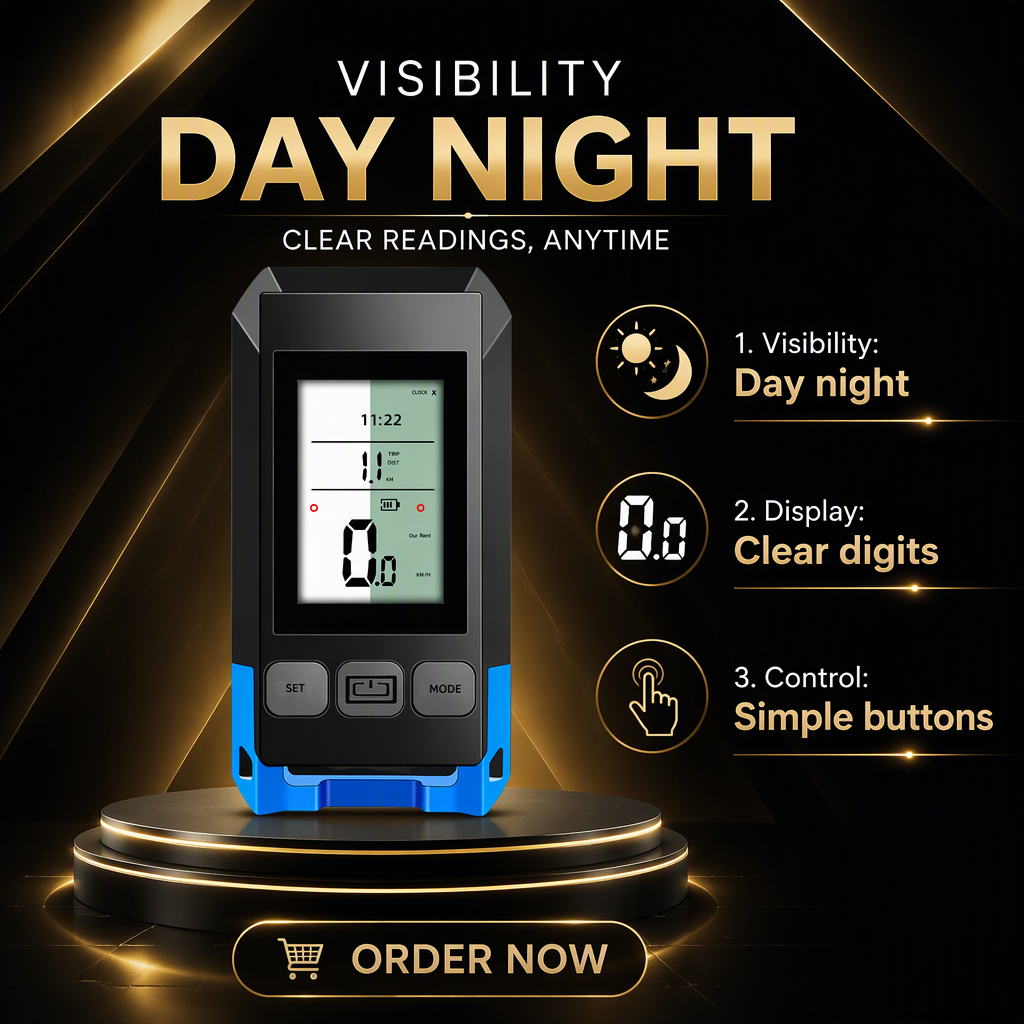
NIACONN NIA-Z016 Touchscreen Wireless Telemetry Display
IPX6 Sealed
USB-C Fast Li-ion
ABS Impact Body
Engineered for extreme reliability, high lumen density, and tactical durability. Explore our standardized base architectures ready for private-label laser etching, custom anodization, driver tuning, and bespoke retail packaging.
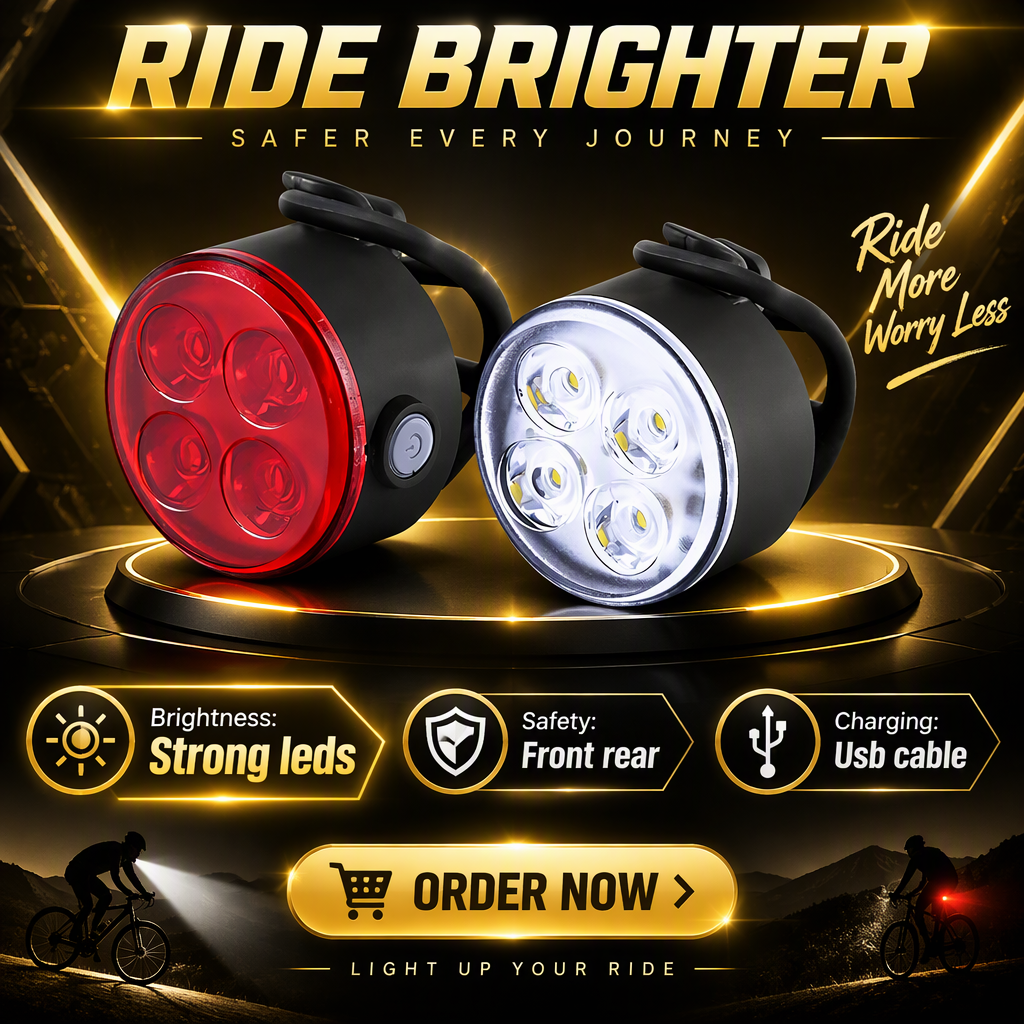
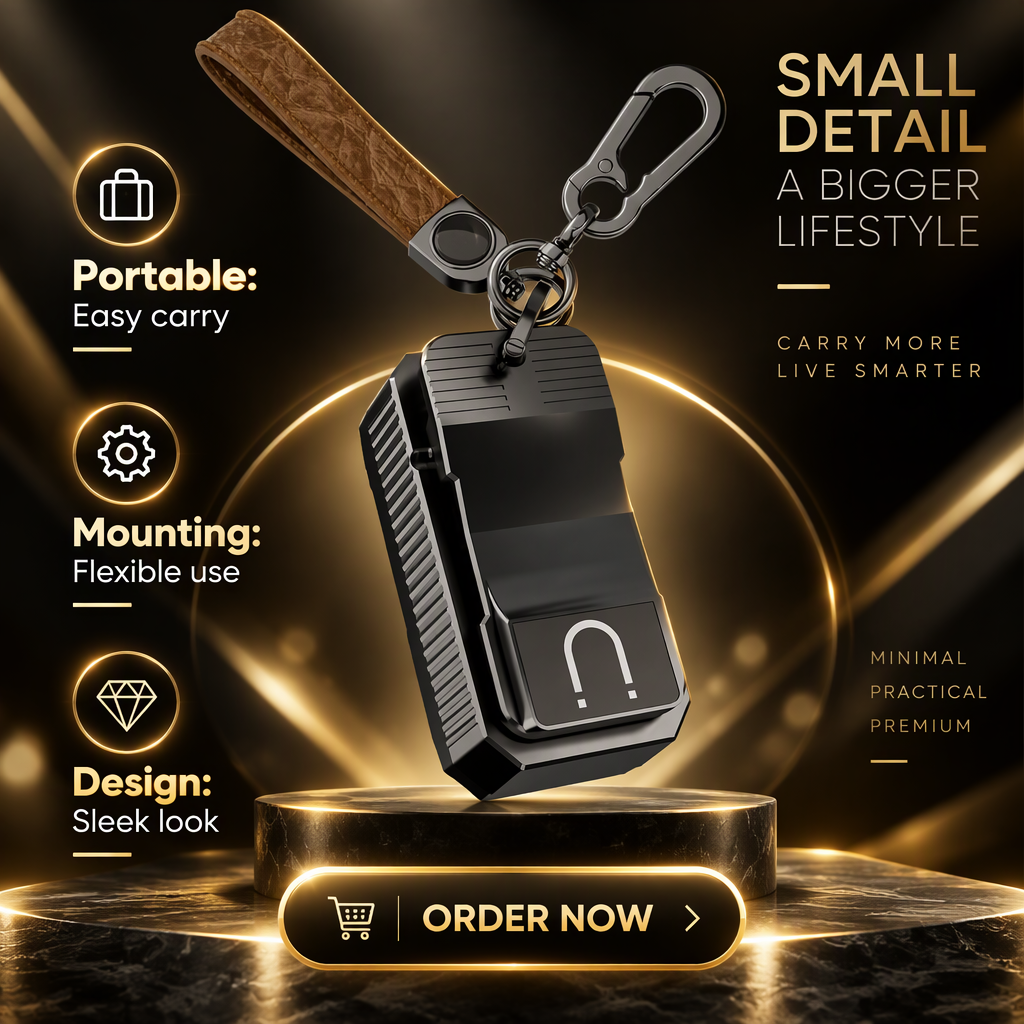
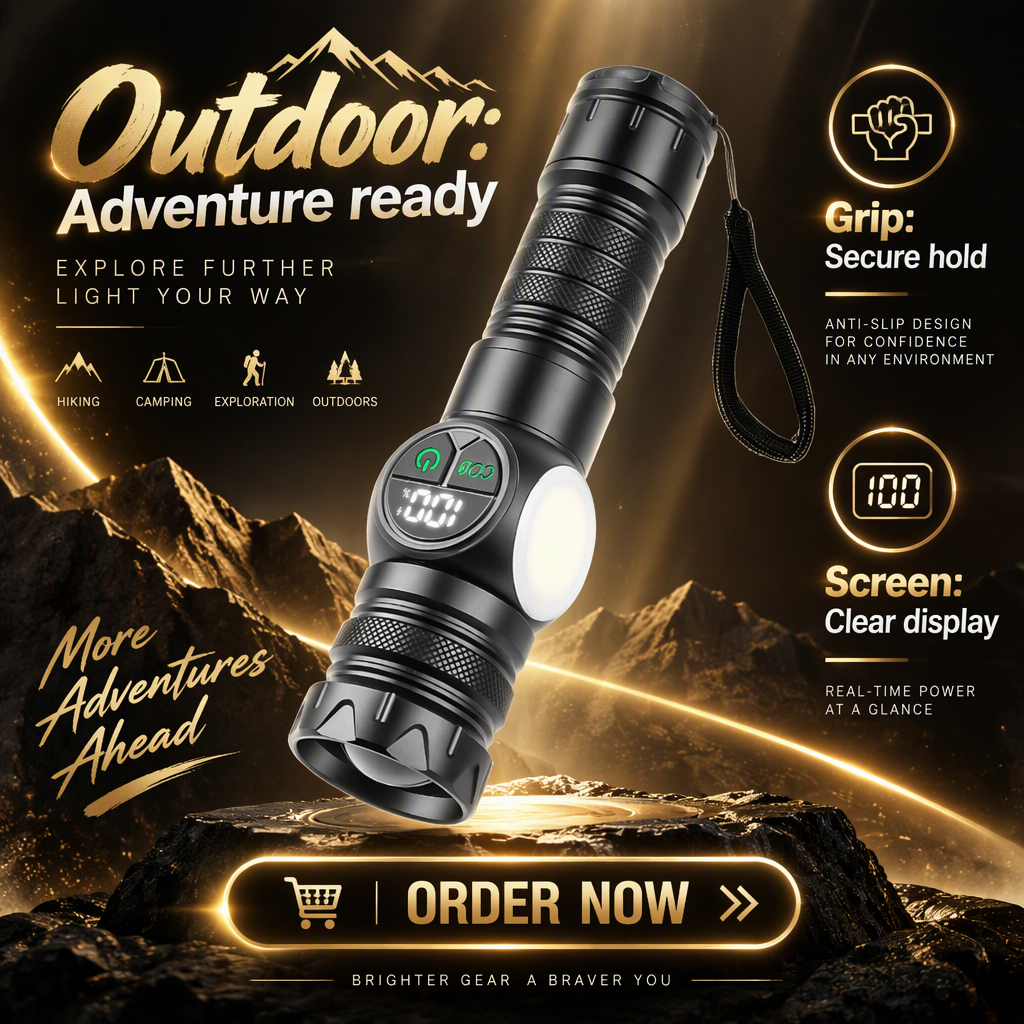
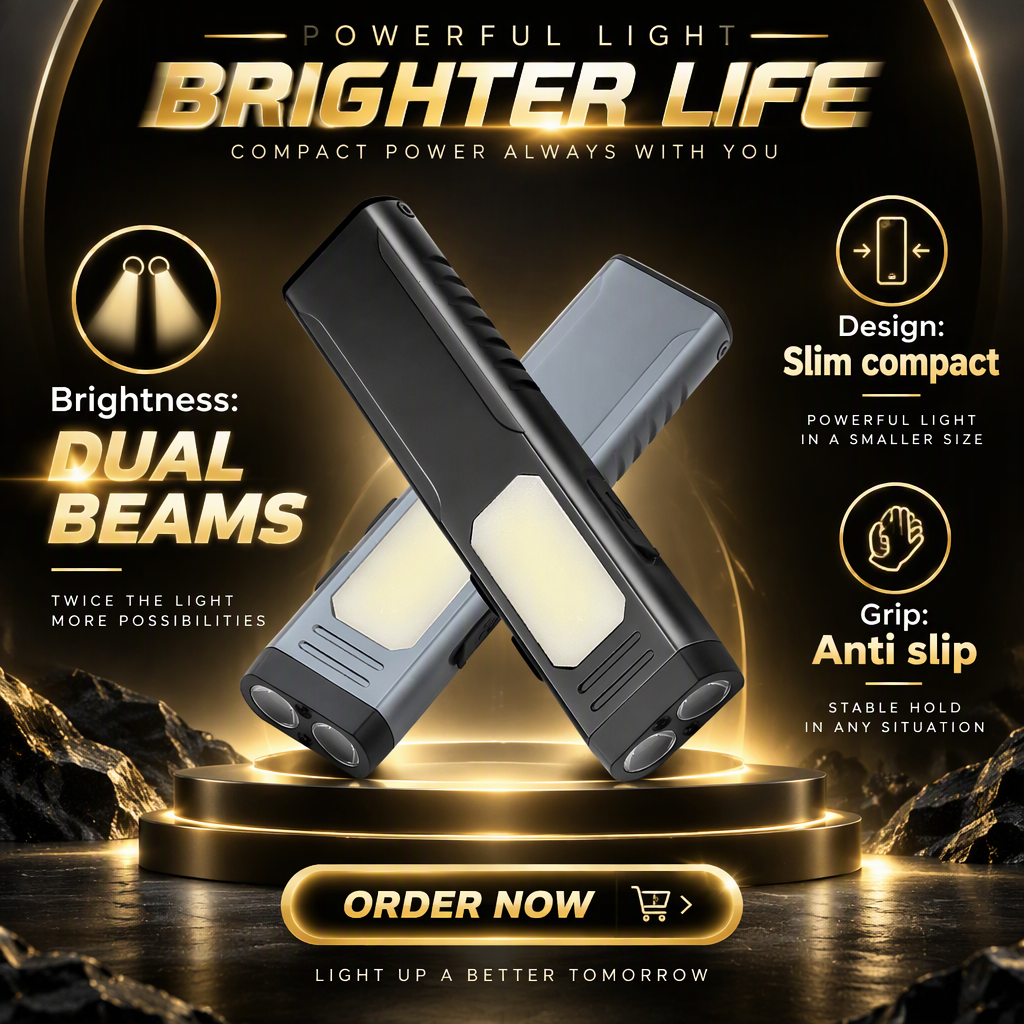
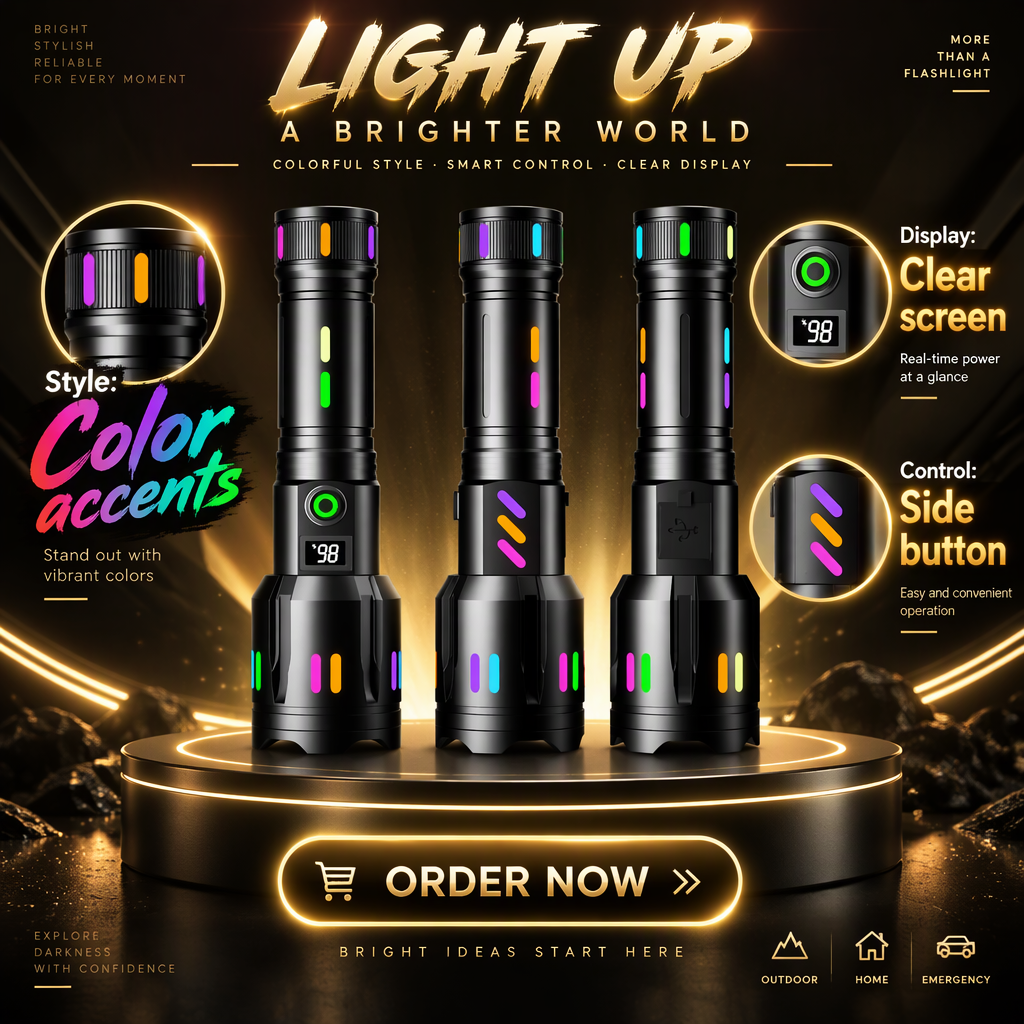
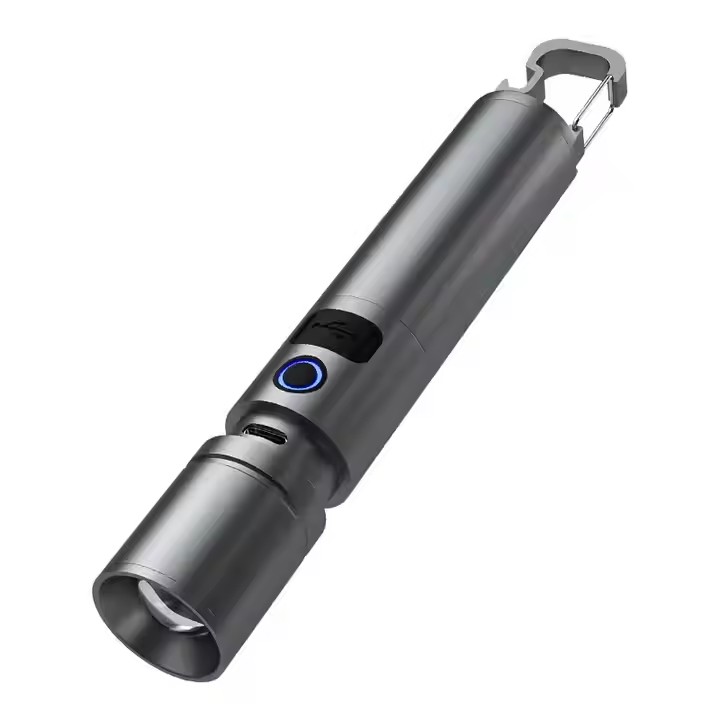
Operating from our Intertek-audited manufacturing facility in Shenzhen, Guangdong, we bridge the gap between complex optoelectronic R&D and commercial high-volume production for top-tier international brands.
Our in-house 4-axis and 5-axis CNC machining centers process 6061-T6 aero-grade aluminum alloy, TC4 titanium, and naval brass with tolerances below ±0.015mm. Integrated thermal fins optimize convective dissipation for sustained ultra-compact lumen outputs.
Every batch undergoes rigorous evaluation inside our integrating spheres (spectral flux calibration), high-temperature aging ovens (65°C full-load soak), programmable salt-spray chambers (96h ASTM B117), and IPX7/IPX8 pressurized water submersion chambers.
We provide complete rapid industrial design: 3D CAD modeling, SLA rapid prototyping in 48 hours, customized silicone tooling, mold flow simulation, and progressive die stamping. We specialize in fast-cycle DFM engineering to protect your early-to-market advantage.
Independent third-party audits ensure authentic corporate credentials, complete labor compliance, clean supply chains, and transparent manufacturing capacity.
Custom constant-current (buck/boost) driver circuits avoid PWM flicker, providing silky dimming curves, lockout modes, and ATR thermal regulation.
We provide pre-applied FNSKU barcodes, master carton drop-test certification (ISTA 1A/3A), localized compliance warnings, and custom retail unboxing blisters.
Full CE, FCC, RoHS, REACH, UN38.3, and MSDS documentation already completed, making air and maritime lithium battery logistics frictionless.
In consumer and tactical markets alike, the keychain flashlight has transitioned from a cheap, single 5mm LED commodity into an astonishingly sophisticated micro-optoelectronic tool. Current global consumers expect upwards of 500 to 1,000 verified ANSI lumens in a chassis weighing under 45 grams, coupled with universal Type-C USB charging, high color fidelity, auxiliary UV or red flood capabilities, and robust ingress seals.
Driving modern surface-mount emitters (such as the Luminus SST-20, Osram P9, or Cree XP-G3) to 1,000 lumens in an ultra-compact 12cm³ chassis generates rapid thermodynamic saturation. Without active thermal mitigation, internal junction temperatures can exceed 120°C in less than 15 seconds, risking lithium cell thermal runaway. Our custom driver firmware incorporates Advanced Temperature Regulation (ATR), sampling thermistors at 100Hz to modulate output seamlessly via current throttling rather than abrupt stepping.
Traditional parabolic micro-reflectors suffer severe efficiency losses in ultra-compact geometries because a significant percentage of peripheral light rays escape uncollimated. As an advanced OEM manufacturer, FEXA employs injection-molded optical-grade PMMA (poly-methyl methacrylate) Total Internal Reflection (TIR) lenses. TIR optics channel up to 92% of generated lumens into a balanced beam profile, eliminating harsh peripheral artifacts and producing a smooth, wide corona ideal for close-quarters situational awareness and tactical inspections.
Procurement teams must carefully weigh the structural implications of the battery architecture:
| Platform Architecture | Typical Peak Output | Battery Configuration | Thermal Threshold (ATR) | Ideal Market Application |
|---|---|---|---|---|
| Ultra-Light Polycarbonate Hybrid | 300 – 500 Lumens | 130mAh – 280mAh LiPo Pouch | 50°C (Step-down to 60lm) | Everyday carry, lifestyle, mass retail e-commerce |
| CNC 6061-T6 Aluminum Monoblock | 700 – 1,200 Lumens | 300mAh – 500mAh High-Drain LiPo | 58°C (Gradual current throttling) | Outdoor trekking, tactical backup, premium gifting |
| Dual-Engine (White + UV 365nm + Red) | 600 Lumens + 365nm UV | 350mAh LiPo or Dual Cell | 52°C (Independent mode limits) | Forensic validation, currency checking, night map reading |
| Micro LEP (Laser Excited Phosphor) | 400 Lumens (350+ Meter Throw) | 10440 High-Discharge Li-ion | 55°C (Precision pulse drive) | Search & rescue backup, professional security inspection |
Data-driven procurement strategies are shifting. Below are the transformative commercial and technical vectors shaping global demand across European and North American retail channels over the next five years.
With the European Union's universal charging mandate firmly enacted, proprietary magnetic charging cradles are being sidelined in favor of waterproof, exposed USB Type-C ports capable of standard CC-pin negotiation (Power Delivery compatibility). Importers must prioritize PCB designs that safely handle C-to-C high-voltage sources.
The era of harsh 6500K-7000K low-CRI emitters is fading. High-end outdoor brands and industrial end-users demand Nichia 519A or Samsung LH351D emitters calibrated to 4000K-5000K neutral white with CRI ≥ 90, revealing accurate surface textures and reducing optical fatigue during close-range tactical tasks.
Major retail chains (REI, Bauhaus, Halfords, Walmart) now require zero single-use plastic packaging. Our factory provides turnkey FSC-certified soy-ink kraft folding cartons, molded pulp trays, and hang-tag packaging engineered to survive drop testing while minimizing maritime volumetric shipping weight.
Because keychain flashlights house built-in lithium-ion or lithium-polymer cells, shipping is classified under UN3481 (Lithium ion batteries contained in equipment). Sourcing from uncertified vendors leads to customs seizures and exorbitant air freight surcharges. FEXA maintains annually refreshed UN38.3 test summaries, 1.2-meter package drop tests, and transport safety reports recognized by all major sea and air carriers.
Direct, technical answers addressing minimum order quantities, tooling lead times, battery certifications, and custom firmware adaptation.
Connect with our Shenzhen engineering and export team. Access complete technical datasheets, optical photometric reports, pricing matrices, and arrange functional evaluation samples for your brand.