Bicycle Front
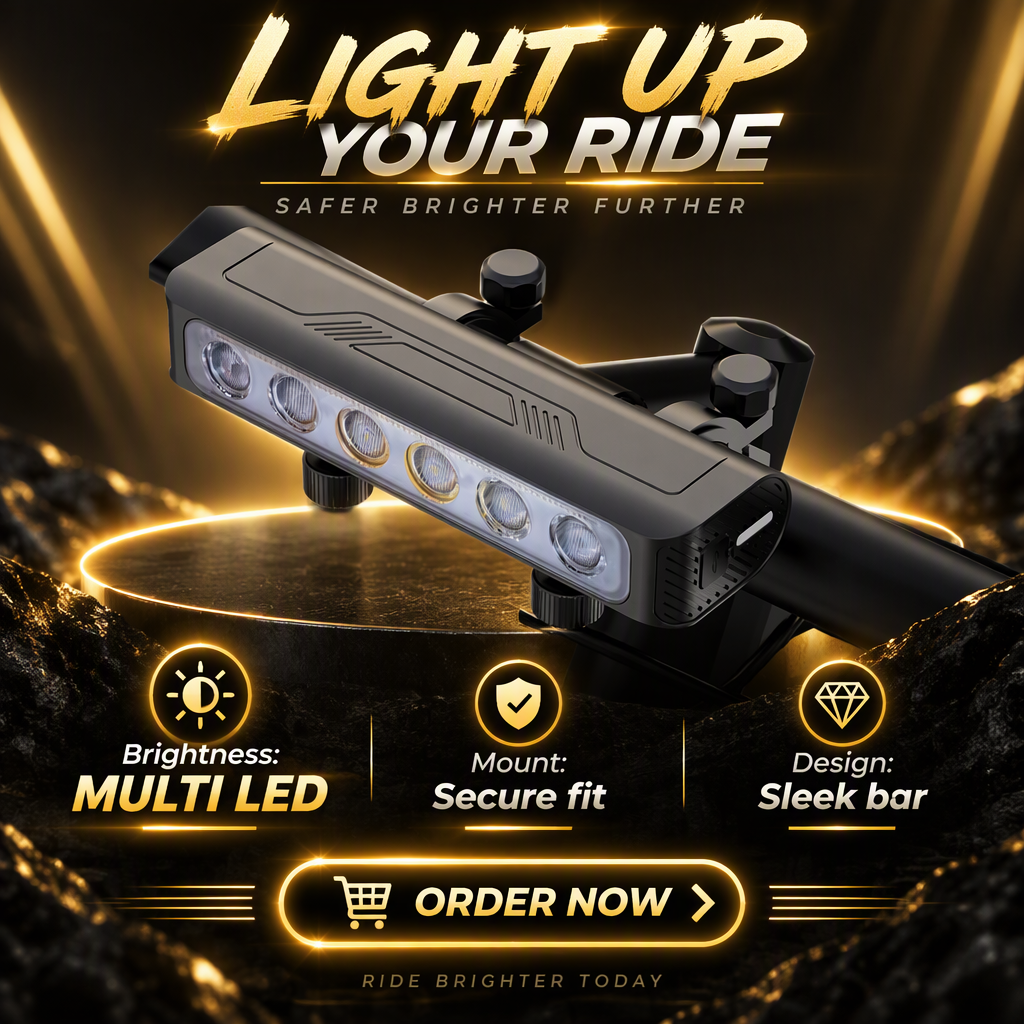
Each unit features proprietary circuit protection, high thermal-dissipation structural engineering, and configurable optical lenses tuned for European StVZO road requirements or heavy MTB trail performance.
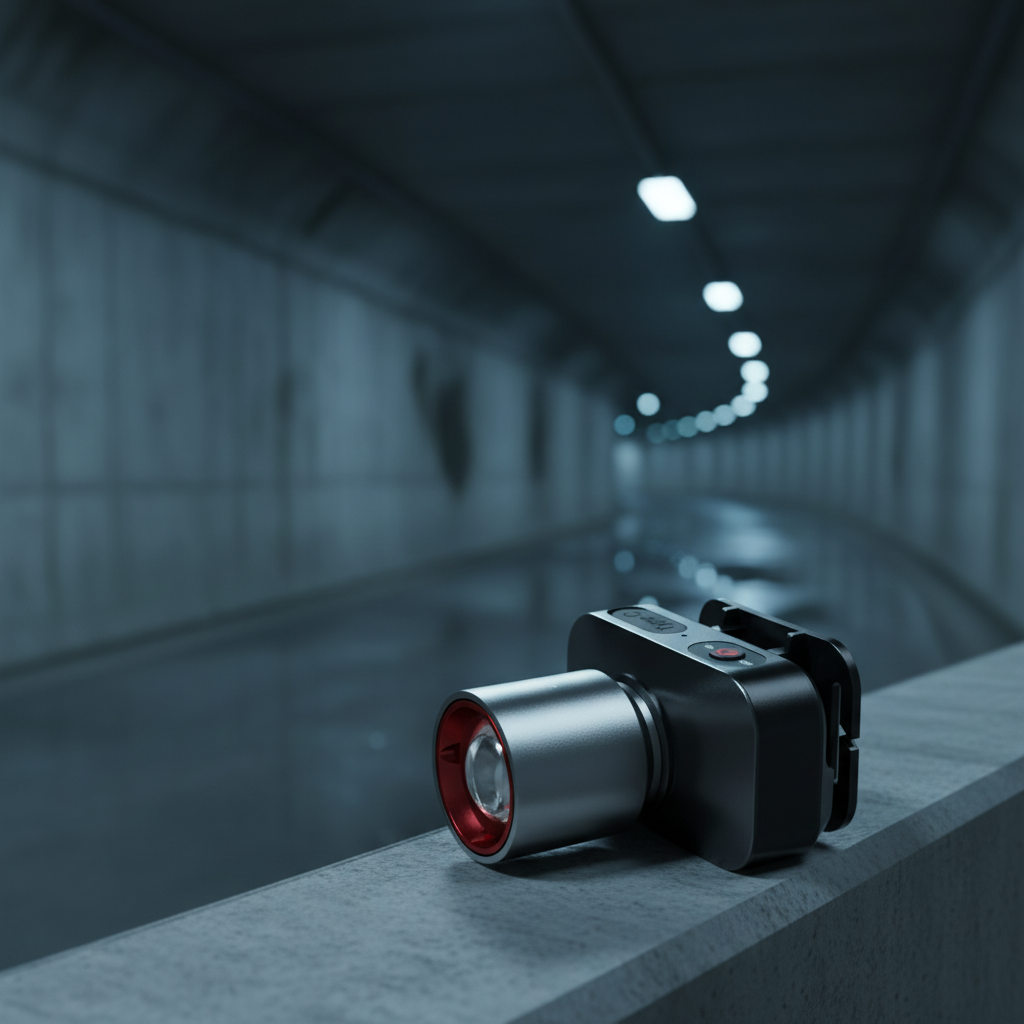
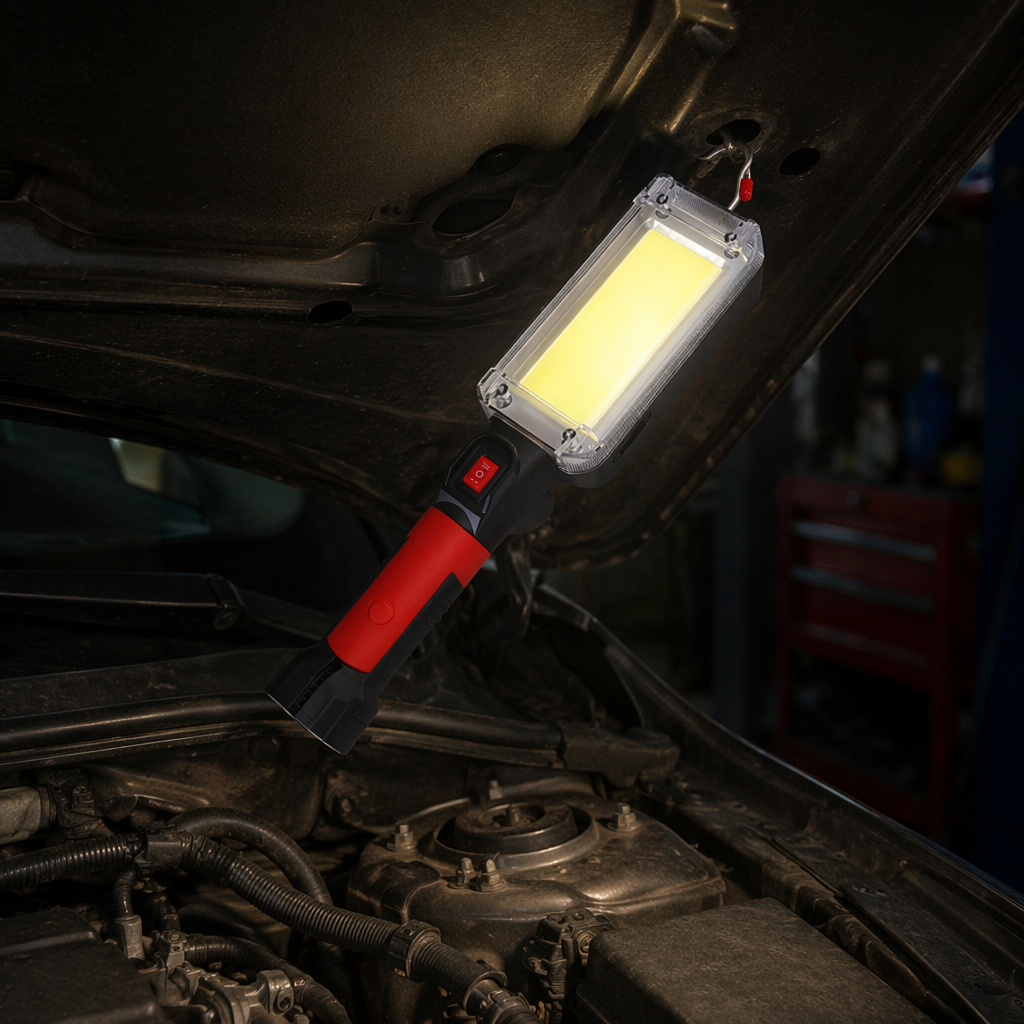
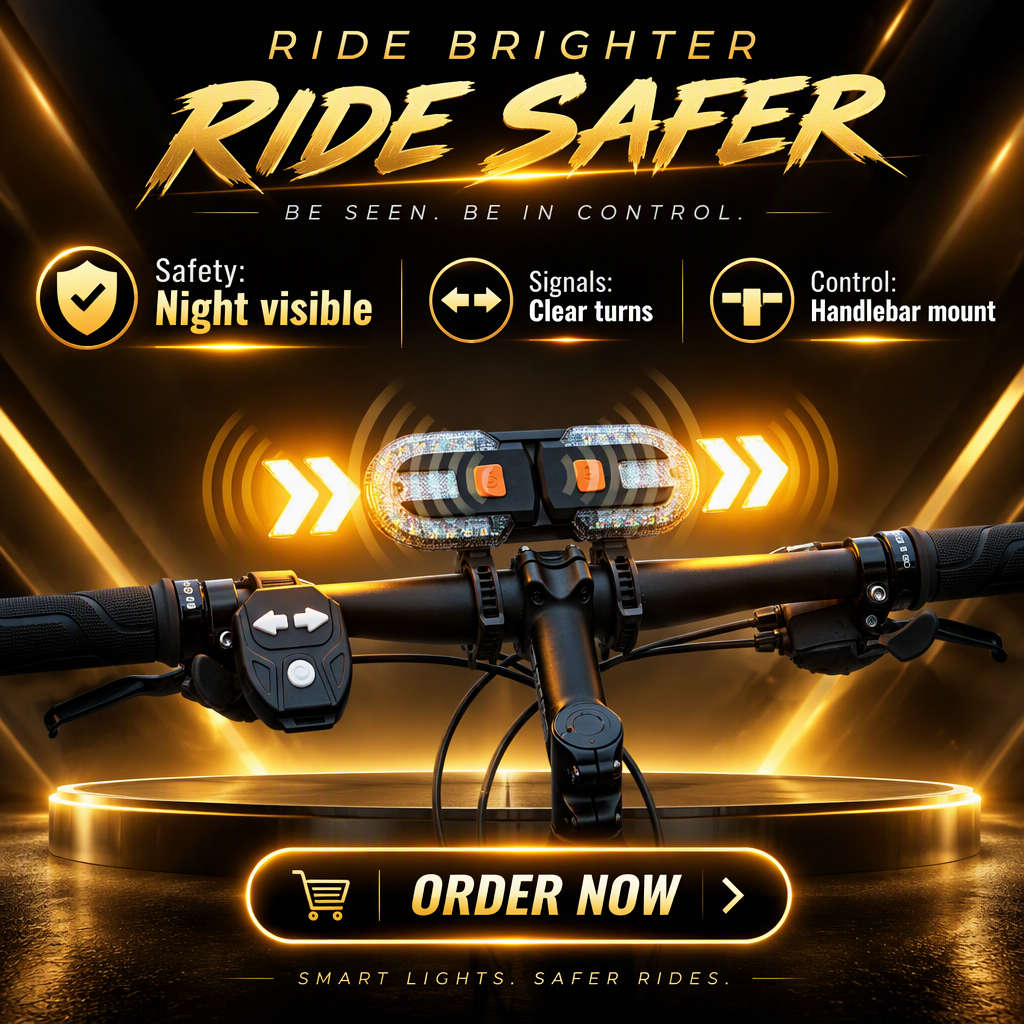
To compete effectively in premier European and North American bicycle channels, front lighting requires rigorous optical geometry, high-yield CNC thermal engineering, and fail-safe lithium-ion battery management systems (BMS).
We develop high-precision free-form reflector cups and total internal reflection (TIR) optical lenses that project clear horizontal cut-off lines. This ensures zero glare toward oncoming vehicles and pedestrians while directing peak illuminance onto road surfaces 10 to 45 meters ahead, satisfying strict German StVZO standard requirements.
High lumen outputs (600–2,000+ LM) generate extreme localized junction temperatures at the LED emitter. Our custom enclosures are precision-machined from aviation-grade 6061-T6 aluminum alloy with integrated micro-fin cooling channels, paired with NTC thermistor real-time firmware monitoring to prevent LED degradation without sudden illumination drops.
Every rechargeable bicycle front light features multi-layer circuit protection safeguarding against over-charge, over-discharge, short-circuits, and reverse polarity. Utilizing custom ultrasonic sealing and fluorosilicone O-rings, our lighting assemblies pass rigorous salt-spray and pressurized water-jet ingress tests, thriving in severe rainstorms and rough gravel trails.
Shenzhen FEXA Technology Co., Ltd. has stood at the forefront of custom optical and portable lighting engineering since 2008. Combining an in-house engineering laboratory, rapid CNC prototyping center, and dust-free SMT assembly lines, we provide brand owners and e-commerce leaders with turnkey OEM and ODM support.
Our facility operations, trade records, and quality control systems have undergone meticulous onsite verification by Intertek. From initial photometrics simulations in optical software to volume production, our team ensures your brand reaches target shelf dates smoothly.
Independent verification certifies manufacturing floor space, equipment ownership, trade integrity, and production lines for immediate commercial export.
Get a QuotePurchasing managers and brand product directors must align their procurement roadmap with emerging market demands. Here are three critical engineering shifts dominating global cycling illumination.
With electric bikes (pedelecs, speed pedelecs, and e-cargo bikes) expanding rapidly across Europe and the Americas, consumers increasingly favor integrated systems over standard clip-ons. Buyers are shifting toward headlamps with universal step-down power modules capable of accepting 6V to 60V DC directly from central Bosch, Shimano, or Bafang drive systems, equipped with CAN bus communication protocols for console-controlled high/low beam switching.
Battery longevity and rider convenience are driving the adoption of intelligent environmental sensors. Next-gen OEM lights incorporate ambient light sensors (ALS) that automatically toggle between energy-efficient Daytime Running Light (DRL) pulses and high-output road beams when entering tunnels or during sunset. Integrated three-axis accelerometers are also being embedded into dual front-rear light systems to detect deceleration, prompting an immediate high-candela burst to warn following vehicles.
Legacy 18650 cells are being systematically phased out in favor of high-capacity 21700 lithium-ion cells, achieving 5,000mAh capacities in more compact cylindrical formats. Furthermore, USB Power Delivery (PD) protocols allow bicycle lights to function as heavy-duty emergency power banks, delivering 15W–20W fast charging back to GPS computers, mobile smartphones, and action cameras during long bikepacking excursions.
Lumen count alone is insufficient for product differentiation. Evaluate real beam pattern distributions, ingress parameters, and mounting architectures across target consumer demographics.
| Application Category | Lumen Range | Optical Distribution | Battery Configuration | IP Ingress Rating | Mounting Mechanism |
|---|---|---|---|---|---|
| Urban Commuting / City | 250 – 500 LM | StVZO horizontal cut-off; 180° lateral visibility slots | Integrated 18650 / 2,200–2,600mAh Li-ion | IPX5 / IPX6 Water-Resistant | Tool-free silicone strap / Quick-release bar bracket |
| Gravel & Road Endurance | 600 – 1,200 LM | Dual-zone beam: intense center spot with smooth near-field fill | Single 21700 / 4,000–5,000mAh with USB-C PD | IPX6 / IP66 Pressurized Jet | Under-computer GoPro interface mount / CNC bracket |
| MTB Night Trail & Enduro | 1,500 – 2,500+ LM | Wide-angle flood (120°) combined with long-throw spot (150m+) | Dual 18650 or external 4-cell 10,000mAh battery pack | IP67 / IP68 Submersible | Reinforced 31.8mm/35mm aluminum handlebar clamp |
| Integrated e-Bike Systems | 500 – 1,800 LM | High/Low beam switchable; ISO 6742-1 compliant anti-dazzle | Direct 6V–60V e-Bike battery draw; no internal cell | IPX6 / IP67 Fully Sealed | Fork crown bolt / Stem faceplate integrated bracket |
Essential business, certification, tooling, and logistics details to assist your supplier auditing and procurement planning.
For custom laser logo branding and customized retail packaging utilizing existing optical toolings, our typical MOQ starts at 500 to 1,000 units per model. For bespoke ODM toolings involving proprietary industrial design housings, custom TIR optical lens molds, or custom PCB firmware programming, MOQ thresholds are typically 2,000 to 3,000 units with engineering tooling rebates applied upon reaching specified volume milestones.
All photometric specifications conform strictly to the ANSI/NEMA FL-1 testing methodology. We operate an in-house calibrated 1.5-meter integrating sphere and spectrophotometer setup to trace luminous flux, correlated color temperature (CCT), and Color Rendering Index (CRI). Runtime curve tests are conducted with controlled ambient airflow to simulate real-world cycling wind chill, eliminating deceptive marketing overstatements.
Our production holds full CE (EMC/LVD), FCC, and RoHS test reports issued by internationally recognized laboratories. For all lithium-ion cell assemblies, we deliver comprehensive UN38.3 test summaries, 1.2-meter drop test certifications, and verified Material Safety Data Sheets (MSDS), guaranteeing unhindered sea freight (DG container) and air freight customs clearance across North American and European ports.
Yes. Over 40% of our export clients distribute through Amazon, eBay, and specialized sporting e-commerce channels. We offer full FBA-ready prep services, including high-adhesion FNSKU item barcode labeling, poly-bag suffocation warning printing, master carton shipping labels, drop-test reinforced packaging, and direct pallet dispatch to regional fulfillment centers.
We implement a strict 4-stage quality management workflow: (1) Incoming Quality Control (IQC) inspecting raw LEDs, IC drivers, and aluminum casings; (2) In-Process Quality Control (IPQC) validating SMT surface soldering and waterproofing seal insertion; (3) 100% 4-hour burn-in electrical aging testing to detect early component failure; and (4) Outgoing Quality Control (OQC) AQL 1.0/2.5 random carton audits prior to container sealing.
Standard golden sample dispatch for existing models with laser-engraved client logos requires 3 to 7 business days. New custom optical tooling or CNC housing prototypes typically take 20 to 30 calendar days for T1 mold samples. Regular repeat mass production runs are completed within 25 to 35 days upon final purchase order and golden sample sign-off.
Whether you require standard white-label product delivery or dedicated ODM optical lens and enclosure development, our engineering team in Shenzhen is ready to provide fast feasibility analyses, photometrics simulations, and competitive factory quotations.
Get a Quote