15+
Years of R&D Experience
2,582 m²
Onsite Verified Facility
100%
CE / FCC / RoHS Compliance
< 24h
Rapid Sample Turnaround
Engineered Portable Illumination Catalog
Explore high-performance tactical flashlights, outdoor EDC units, multi-functional work lights, and optical accessories engineered to withstand extreme field conditions and tailored for international wholesale distribution.
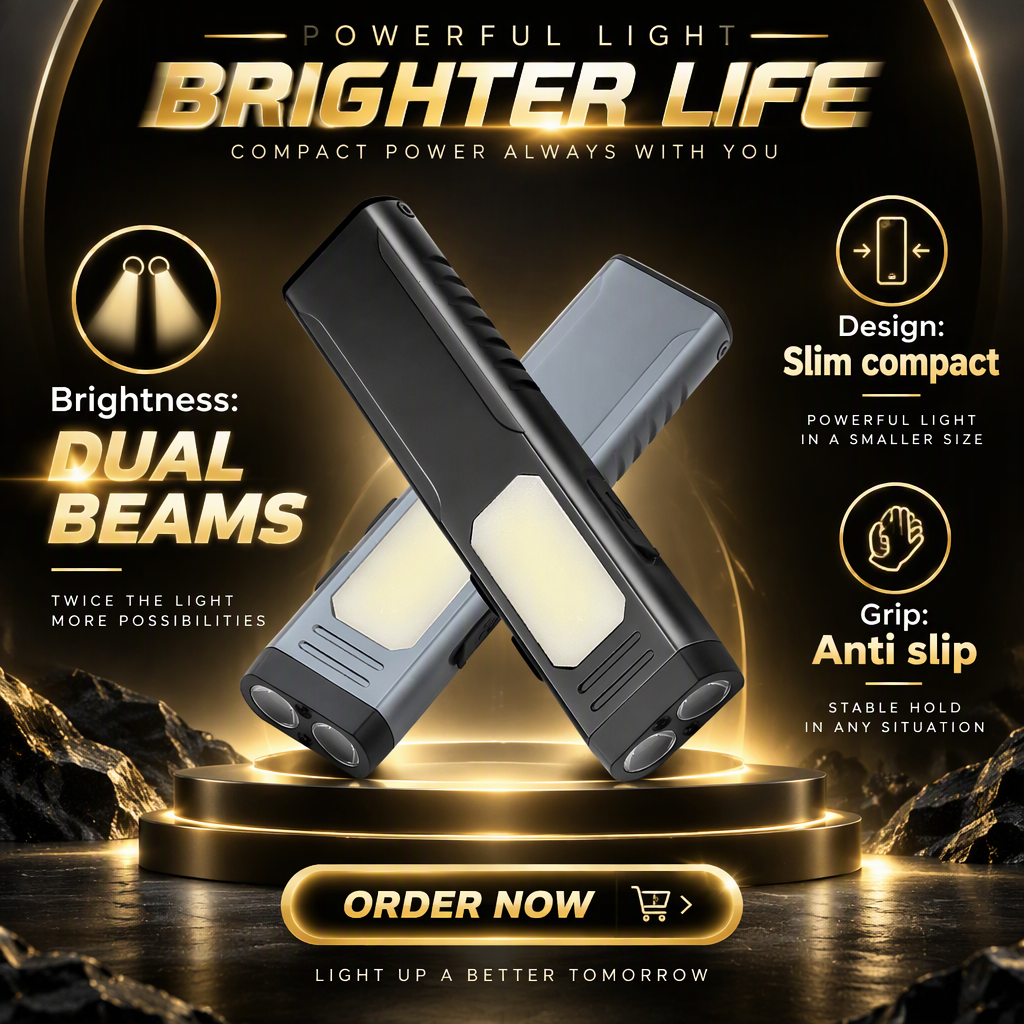
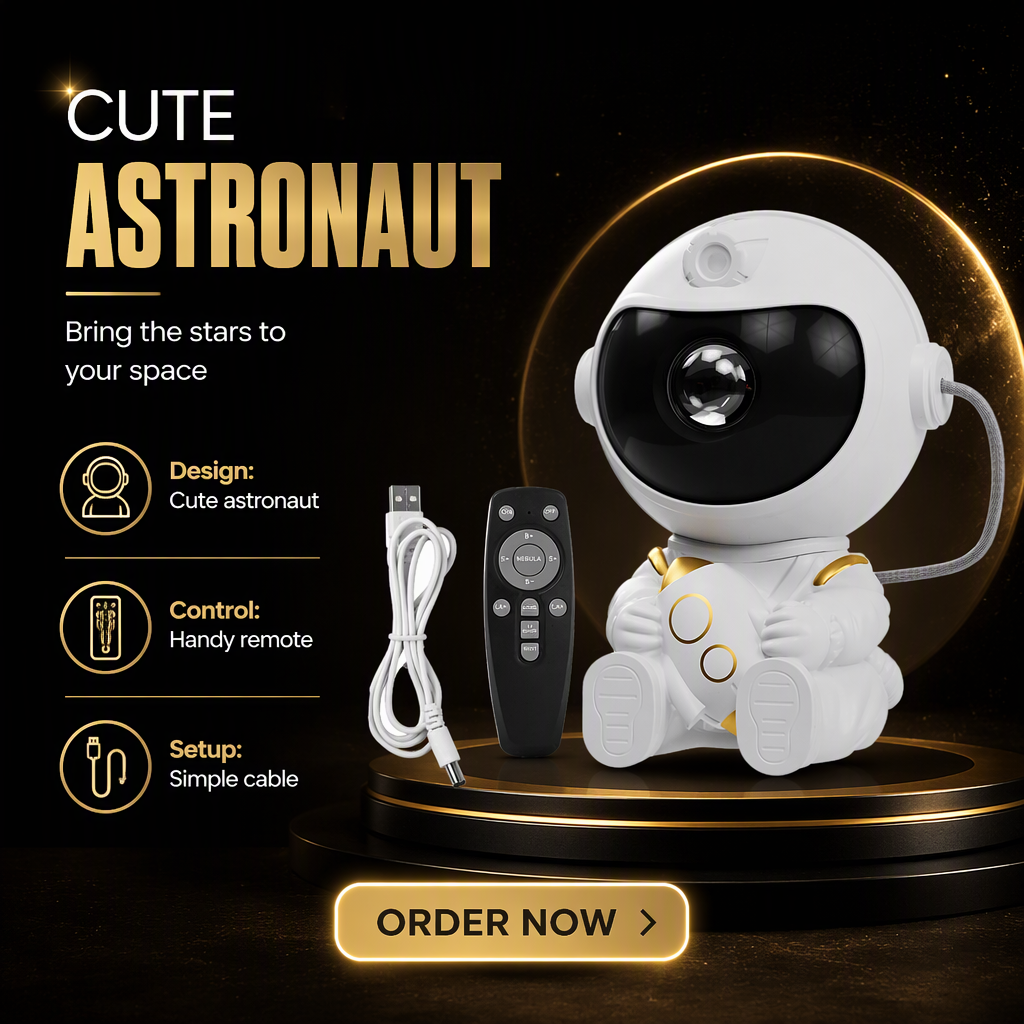
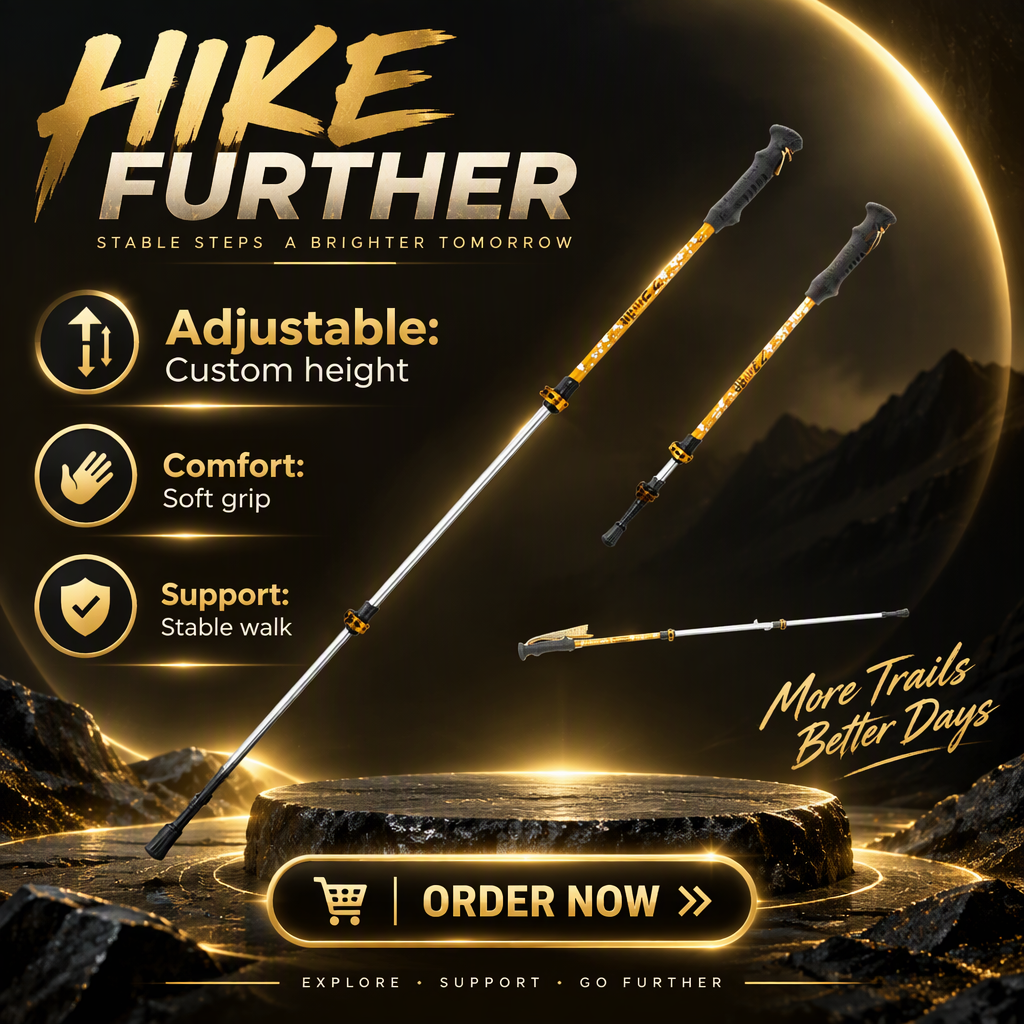
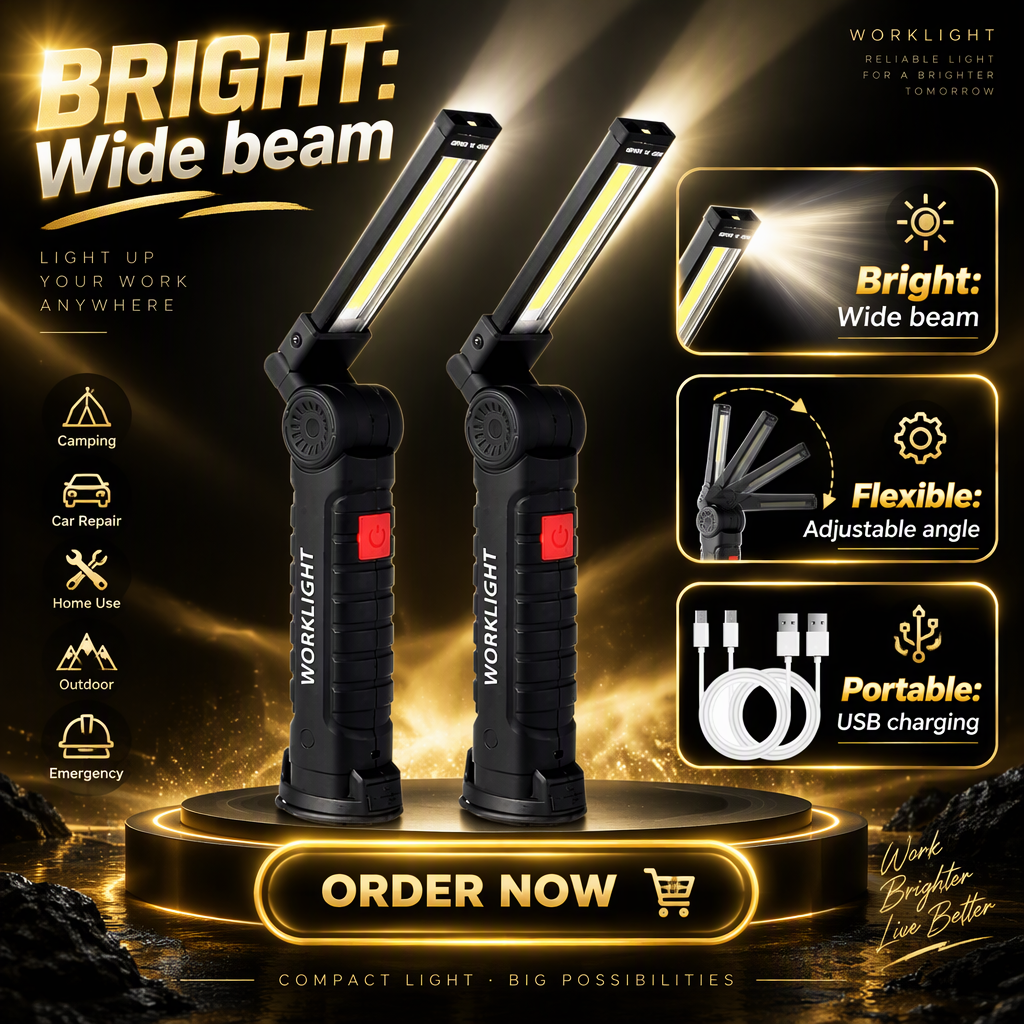
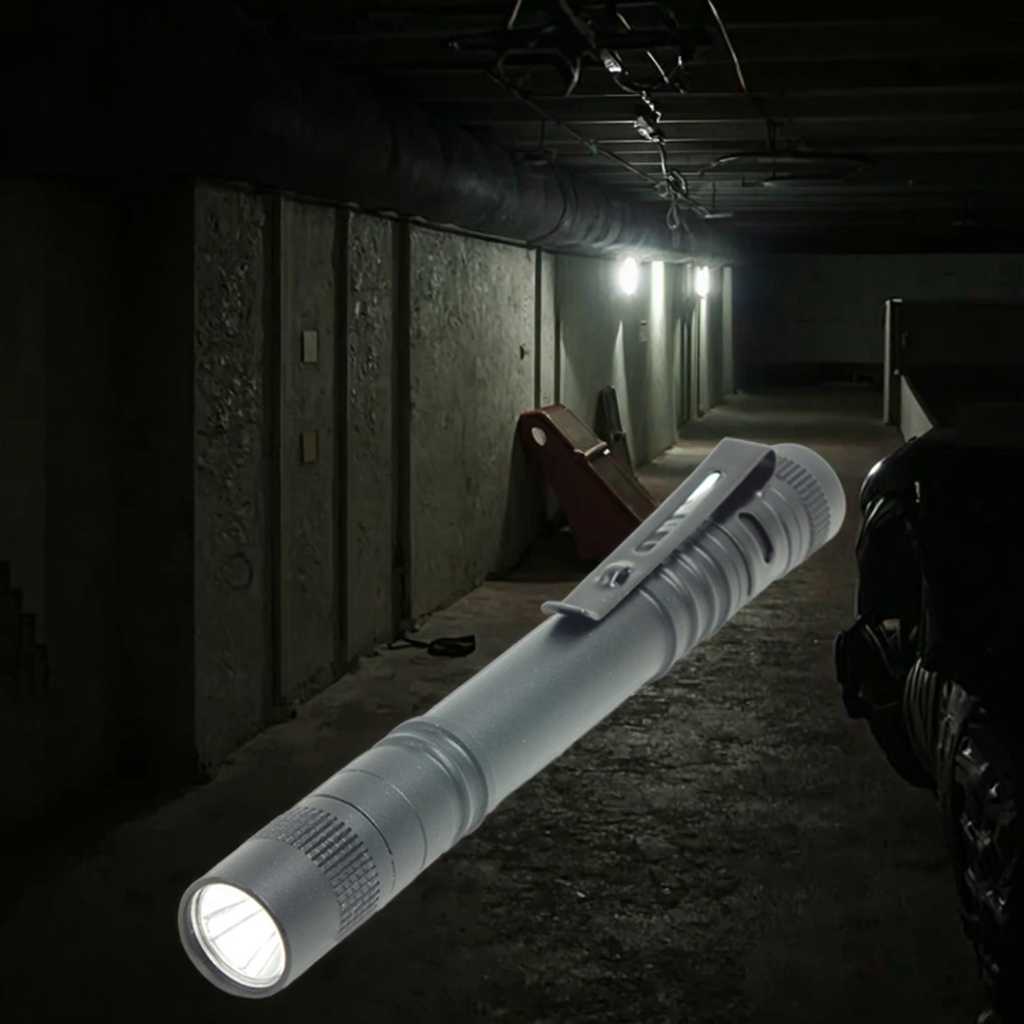
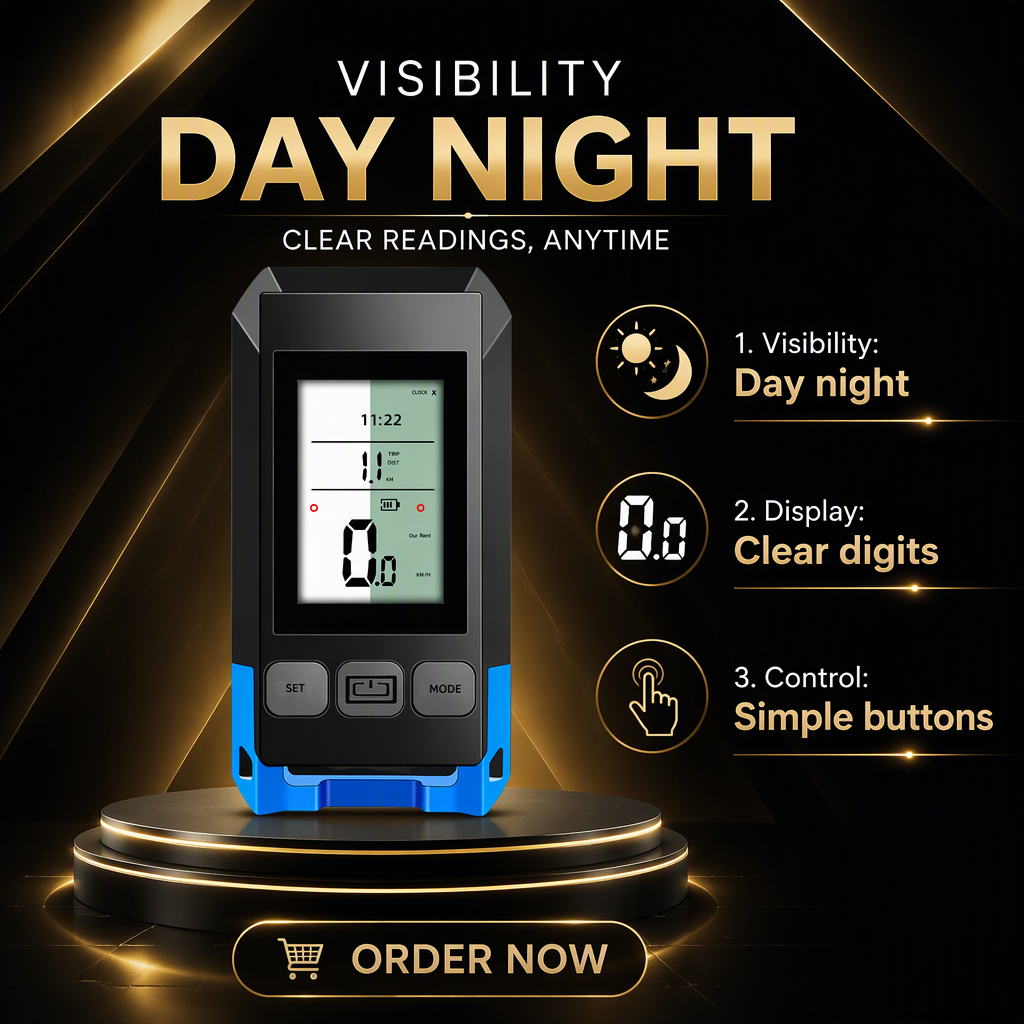
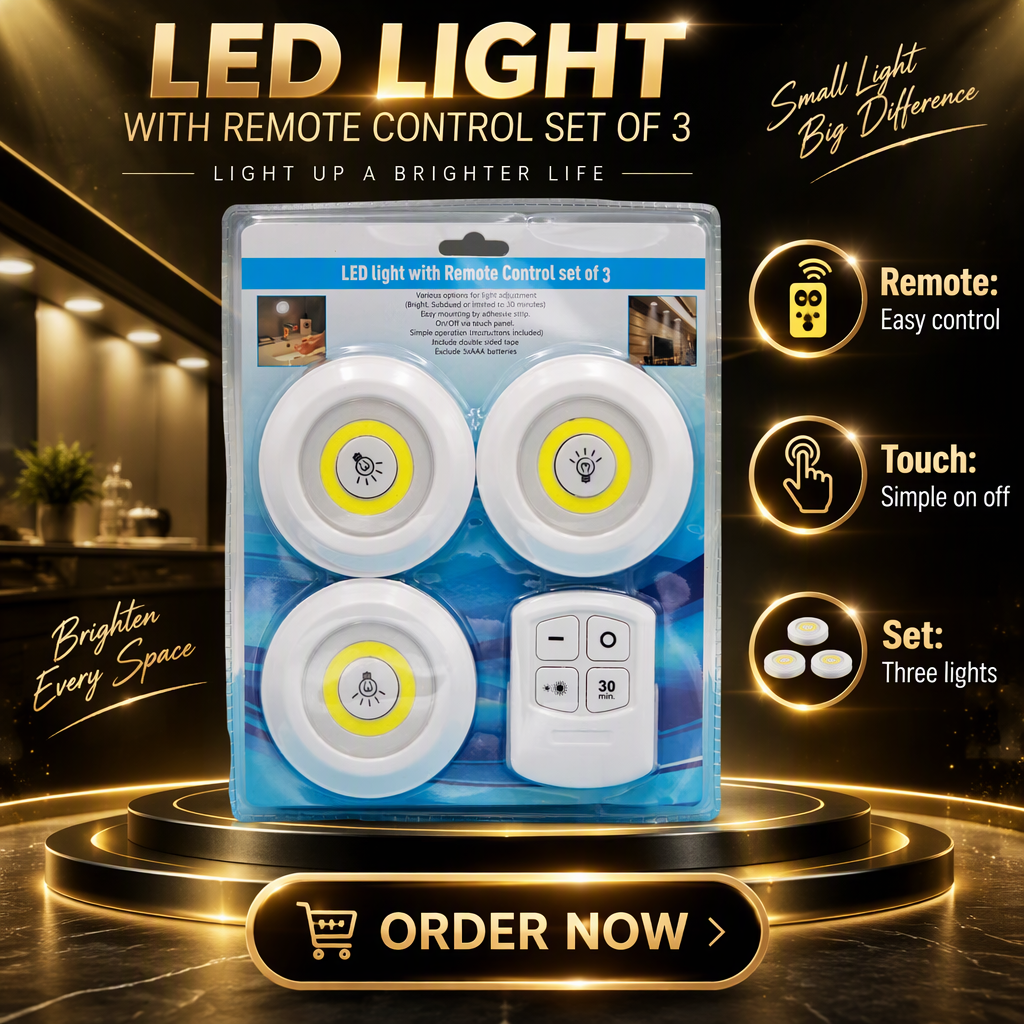
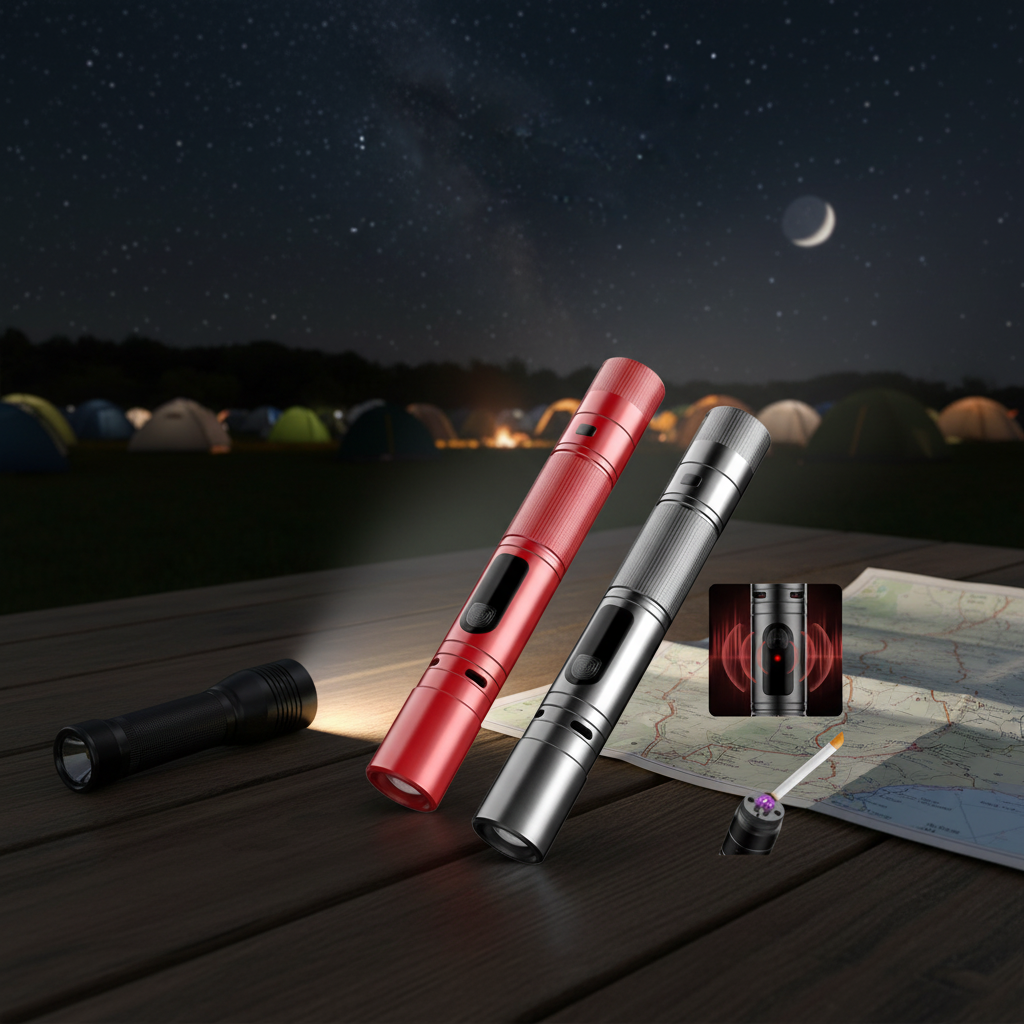
Strategic Product Selection for Global Importers & Brands
Navigating the wholesale camping flashlight ecosystem requires precise alignment between luminaire mechanical architecture and the end-user's environmental demands. In the outdoor and tactical retail sectors, an inventory dominated solely by high raw lumens often encounters elevated customer return rates due to thermal throttling and compromised runtime efficiency. As a seasoned China wholesale camping flashlight factory and exporter, we recommend that procurement executives segment their lighting catalog into three dedicated utilitarian verticals:
1. Tactical and Emergency EDC (Everyday Carry): Exemplified by flat-body multi-spectrum luminaires featuring independent primary emitters alongside UV (395nm) and warning beacons. These configurations prioritize high-grade 6061-T6 aerospace aluminum housings, Type-III hard anodizing, and dual-switch interfaces that deliver immediate access to high-candela strobe modes without traversing stepped menu levels.
2. Long-Duration Basecamp & Maintenance Platforms: Models utilizing secondary Chip-on-Board (COB) arrays paired with high-flux forward-throw LEDs. Integrated neodymium magnetic bases, 360-degree mechanical articulation, and bi-directional USB power bank circuitry are paramount for overlanding and extended wilderness expeditions.
3. Ultralight Trail & Alpine Systems: Luminaires designed with dual-fuel architecture (supporting both high-drain 18650/21700 lithium-ion cells and universal disposable AAA/AA batteries) ensuring zero downtime in sub-zero alpine operations where electrochemical degradation lowers lithium performance.
Future Sourcing & Procurement Trends (2025–2030)
Technological convergences and environmental legislation are actively reshaping wholesale procurement specifications worldwide.
Circular Economy & Battery Directive
The European Union's updated Battery Regulation demands non-destructive cell replaceability, cradle-to-gate carbon tracking, and recycled cobalt content disclosures. Global importers are shifting away from ultrasonically welded, non-serviceable battery compartments toward threaded, O-ring sealed mechanical access points featuring standardized 18650, 21700, and 26650 footprints.
Universal USB-C PD Protocol Integration
Standardized 5V/1A slow charging is becoming obsolete. The commercial market demands USB-C Power Delivery (PD) protocols capable of dynamic 9V/2A and 12V/1.5A bidirectional energy transfer. Flashlights now serve as emergency off-grid power banks, necessitating custom multi-layer PCBAs equipped with temperature-regulated buck-boost converters and synchronous rectification.
E-Commerce & Packaging Optimization
Tier-1 cross-border sellers on Amazon, bol.com, and Mercado Libre require packaging engineered specifically for SIOC (Ships in Own Container) compliance to minimize dimensional surcharges. Sourcing mandates now routinely stipulate drop-tested, plastic-free kraft packaging printed with soy inks alongside pre-applied barcode labeling and multi-lingual user instruction manifests.
Next-Gen Optoelectronic Architecture: Technological Trends
The portable lighting sector is experiencing a paradigm shift from conventional phosphor-converted white LEDs toward hyper-efficient solid-state emitters and customized optic paths. Staying ahead in wholesale sourcing means understanding the core engineering innovations defining competitive illumination hardware:
1. White Laser / LEP (Laser Excited Phosphor) Integration: By focusing a solid-state blue laser onto a localized phosphor crystal, LEP technology achieves extreme beam collimation with virtually zero spill beam divergence. Producing throw distances surpassing 1,500 meters at a fraction of traditional LED power draw, LEP components are rapidly transitioning from military tactical gear into premium civilian search-and-rescue and wilderness exploration catalogs.
2. Advanced Driver Topologies (Constant Current vs. Direct Drive): Budget flashlights utilize Pulse Width Modulation (PWM) or unregulated FET direct-drive circuits, causing visible flicker, eye strain, and erratic output degradation as battery voltage decays. Superior manufacturing leverages buck-boost, high-frequency Constant Current (CC) drivers with active ATR (Advanced Temperature Regulation). This circuitry ensures linear lumen output throughout the discharge cycle while actively preserving diode longevity through real-time junction thermal feedback.
3. Dual TIR Optical Systems & High-CRI Emitters: Aluminum smooth reflectors are increasingly superseded by precision-molded PMMA Total Internal Reflection (TIR) lens arrays. TIR optics provide uniform photon distribution with high optical transmission efficiency (>93%). Simultaneously, outdoor recreation markets are demanding high Color Rendering Index (CRI ≥ 90) emitters with nominal 4000K-5000K color temperatures, enabling outdoor users to accurately differentiate terrain contours, foliage, and biological hazards in low-visibility environments.
Factory Direct Manufacturing Advantages
Backed by Intertek onsite verification and 15+ years of specialized lighting engineering, Shenzhen FEXA Technology Co., Ltd. delivers full-lifecycle OEM/ODM contract manufacturing.
In-House CNC Machining & Tooling
Operating dedicated computerized numerical control (CNC) centers allows us to sculpt 6061 and 7075 aluminum alloys with sub-0.02mm dimensional tolerances. From bespoke anti-roll knurling geometries to proprietary heat sink fins, in-house tooling ensures total control over heat dissipation paths and mechanical durability.
Rigorous Multi-Stage QA & Testing
Every batch undergoes ANSI/NEMA FL-1 testing protocols. Our facilities house integrating spheres for absolute lumen verification, optical goniophotometers, ingress test chambers (IPX6 through IP68 submersion), thermal stress incubators (-30°C to +65°C), and automated drop-impact test equipment.
Full-Spectrum OEM/ODM Customization
We provide sample-based adaptation, full blueprint custom development, micro-laser logo engraving, customized anodizing colorways (including hard-anodized desert tan and military olive), tailored UI firmware stepping, and certified Amazon FBA labeling pipelines.
Wholesale Procurement FAQ
Critical engineering and commercial answers to address risk assessment and supply chain validation.
What is your standard production lead time and sample fulfillment policy?
For evaluation samples featuring custom laser branding, our prototyping turnaround is 3 to 5 business days. Mass production cycles typically range between 25 and 35 calendar days following golden sample sign-off and deposit receipt. We maintain dedicated rolling buffer inventories of core optical emitters, driver microcontrollers, and extruded aluminum billets to support expedited repeat orders.
How do you verify waterproof (IPX6 / IP68) integrity during assembly?
Waterproof validation is not limited to post-production batch audits. We employ 100% in-line pneumatic vacuum decay testing on empty machined housings prior to electronic encapsulation. Final assemblies utilize dual silicone O-rings lubricated with synthetic perfluoropolyether (PFPE) grease, alongside ultrasonic lens hermetic welding, ensuring repeatable IP65 through IP68 compliance across deep submersions and severe monsoon downpours.
Can you facilitate custom battery certification (UN38.3, MSDS) for maritime and air transit?
Yes. All lithium-ion cells incorporated into our luminaires are sourced from certified Tier-1 manufacturers and come fully accompanied by current UN38.3 test summaries, Material Safety Data Sheets (MSDS), and drop-test certificates complying with IATA Dangerous Goods Regulations (DGR) and IMDG maritime codes. We manage direct cargo routing to European and North American fulfillment hubs without custom delays.
What are your Minimum Order Quantity (MOQ) thresholds for private label branding?
We maintain an agile, tiered approach designed to foster high-growth importers. Low-MOQ sample runs and pilot market test orders start as low as 200–500 units utilizing existing housing tooling with custom precision laser marking and branded packaging inserts. Fully bespoke tooling, custom mold injection, and tailored driver firmware configurations carry typical MOQ requirements of 1,000 to 3,000 units.
What payment structures and Incoterms do you support?
We operate across universal trade arrangements including FOB Shenzhen, CIF, EXW, and DDP direct to Amazon fulfillment warehouses. Our accepted payment instruments include Wire Transfer (T/T), Letter of Credit (L/C at sight), PayPal, Western Union, and Escrow, supporting global multi-currency settlements in USD, EUR, GBP, AUD, and CAD.
Build Your Private Label Outdoor Lighting Line
Consult directly with our optoelectronic engineering division. Receive complete optical datasheets, photometric analysis, factory direct quotation sheets, and evaluation samples within 24 hours.