Smart COB Platform
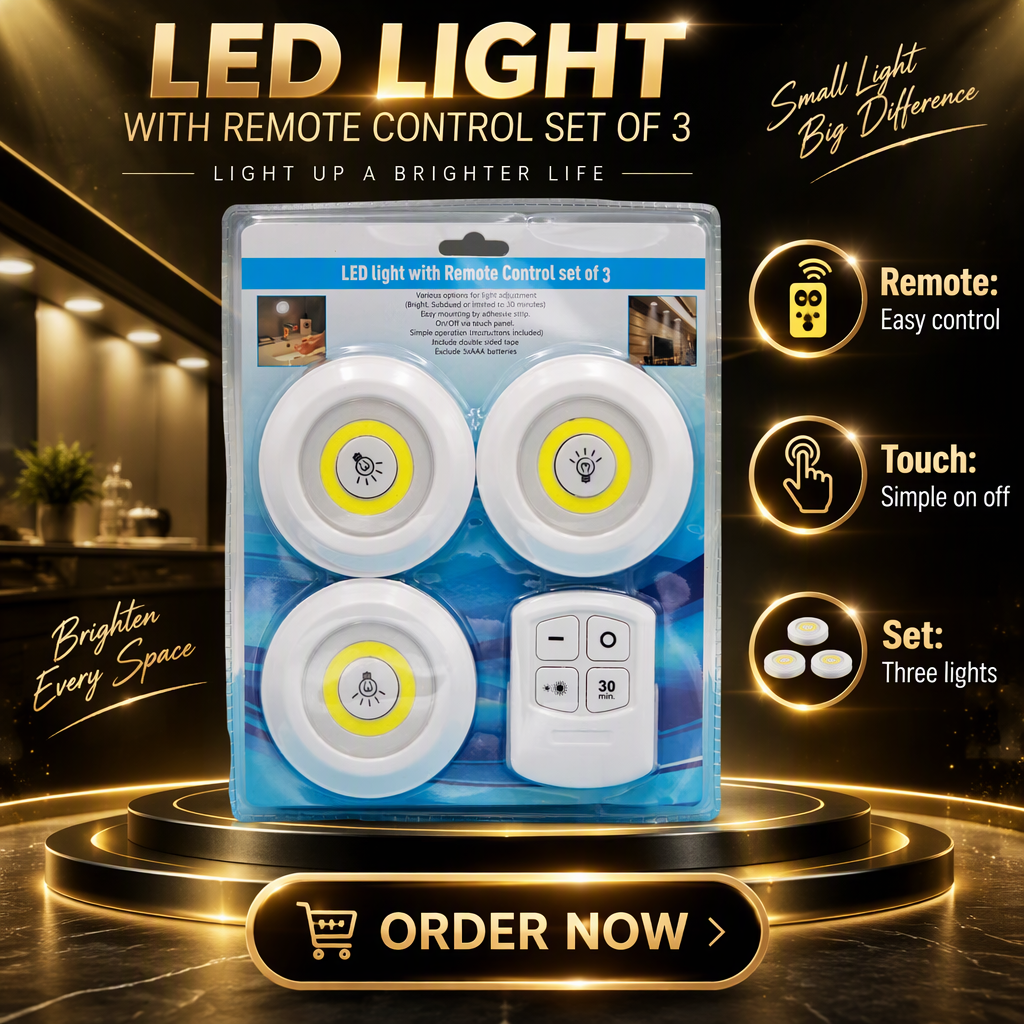
2026 New COB LED Remote Control Smart Touch Light (3000-6000K)
COB Technology
3000K-6000K CCT
Remote Control
Precision-engineered optical platforms tested under ANSI/NEMA FL-1 standards. Featuring rapid thermal dissipation housings, multi-stage solid-state drivers, IP-rated seals, and long-range high-candela output for severe field applications.
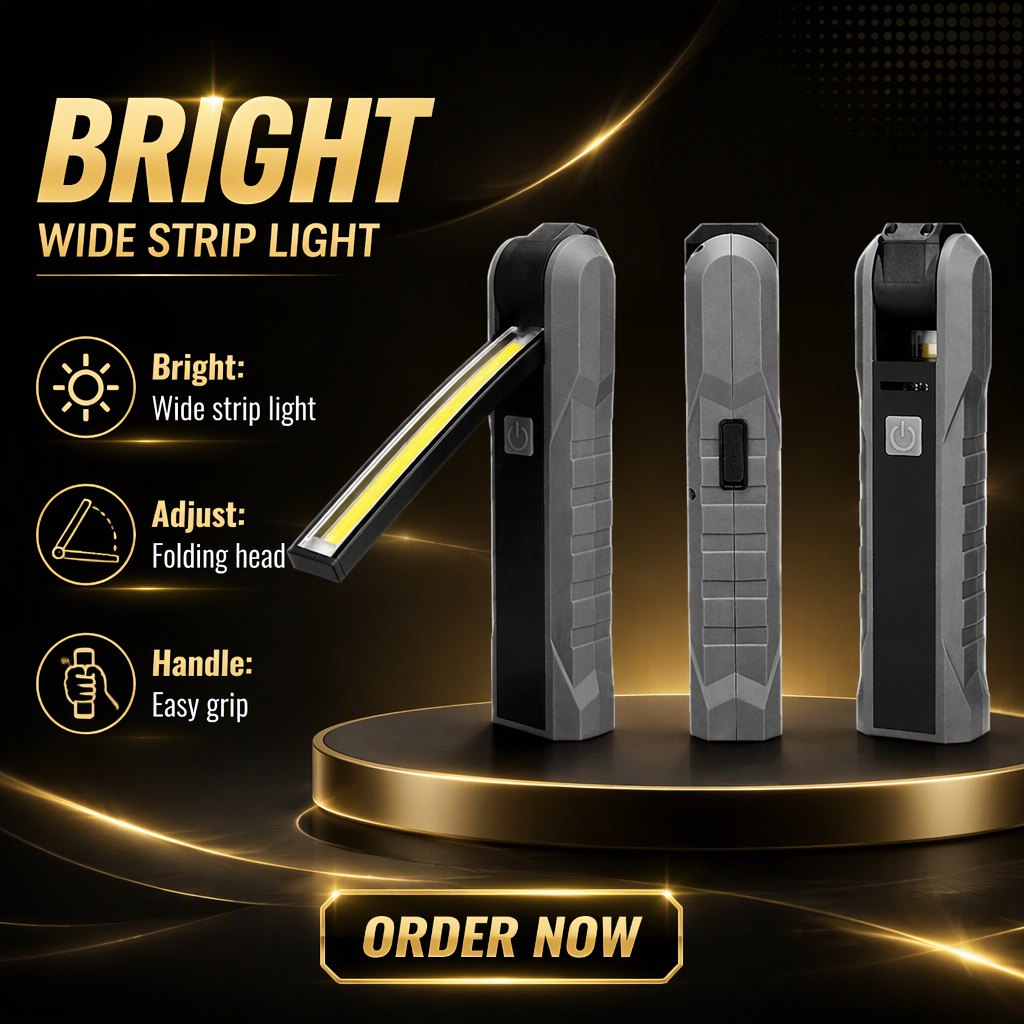
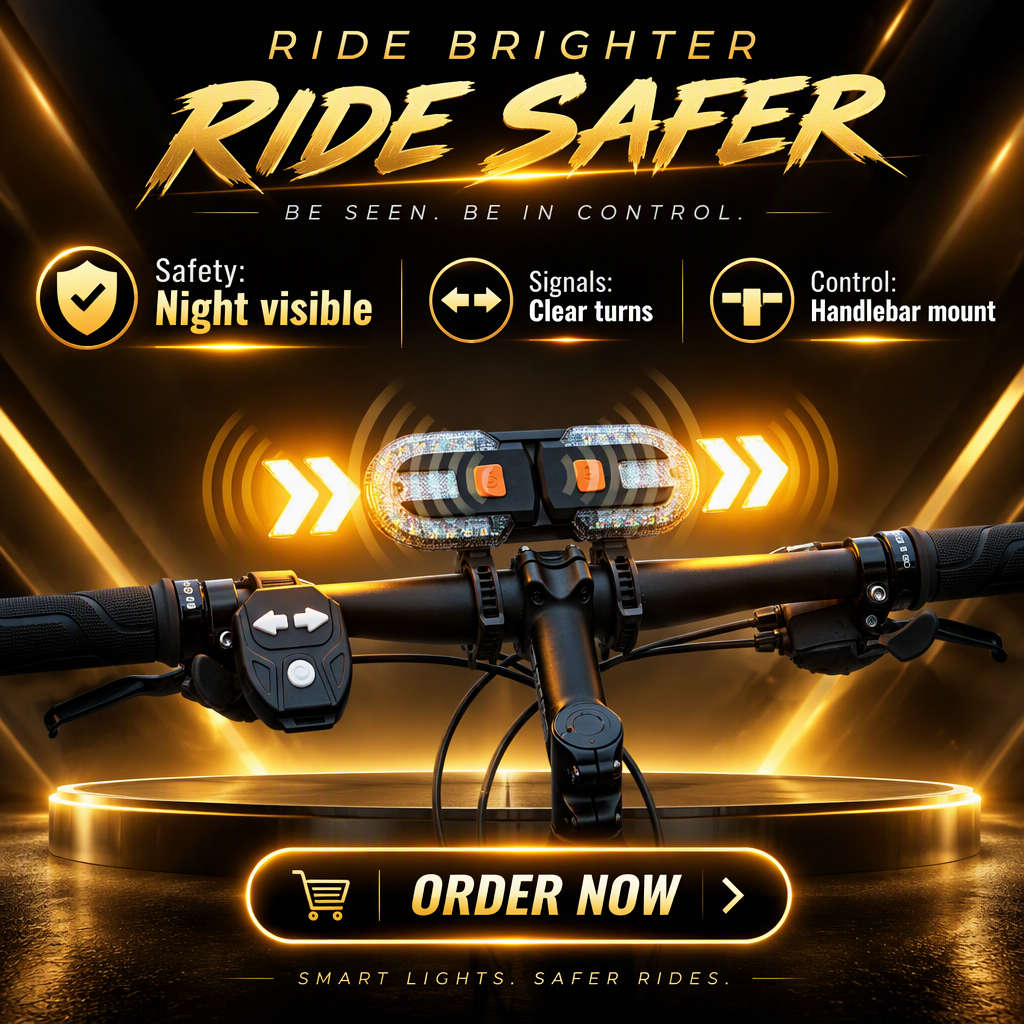
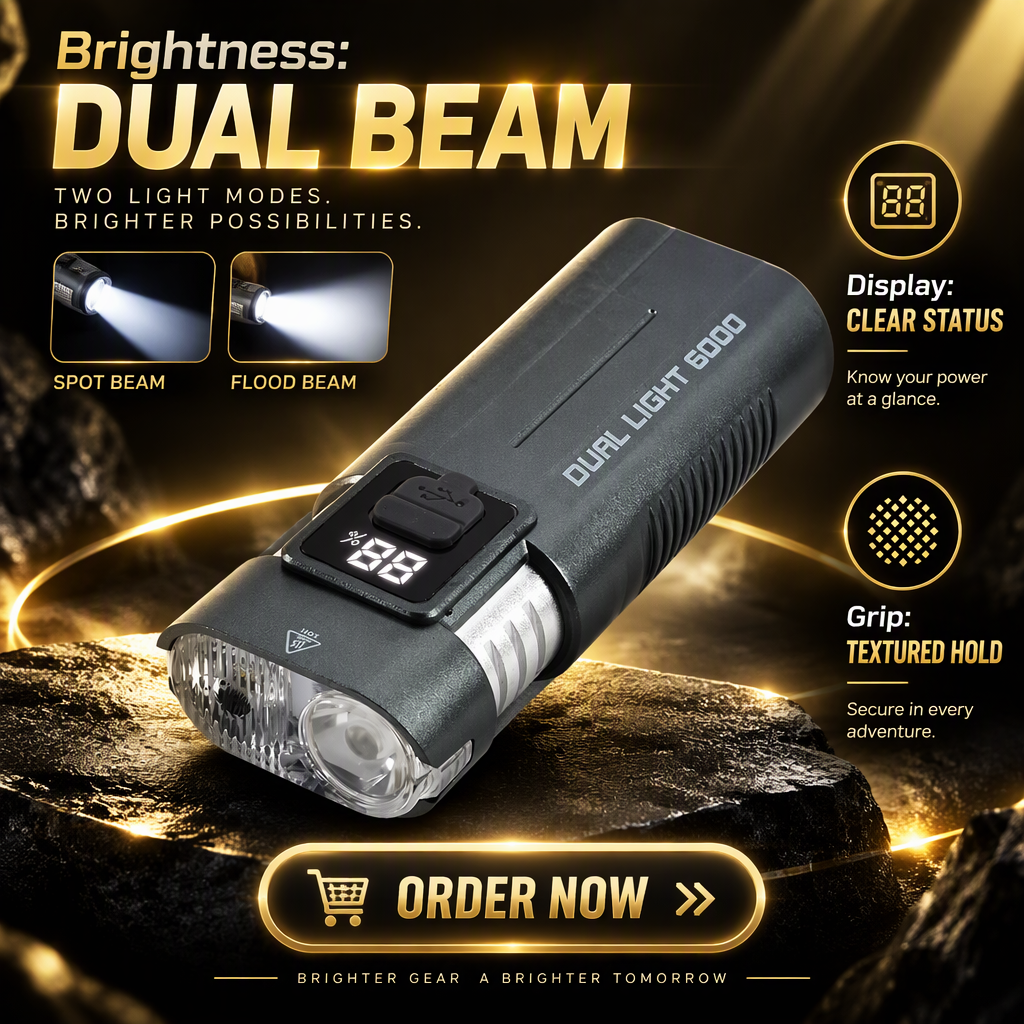
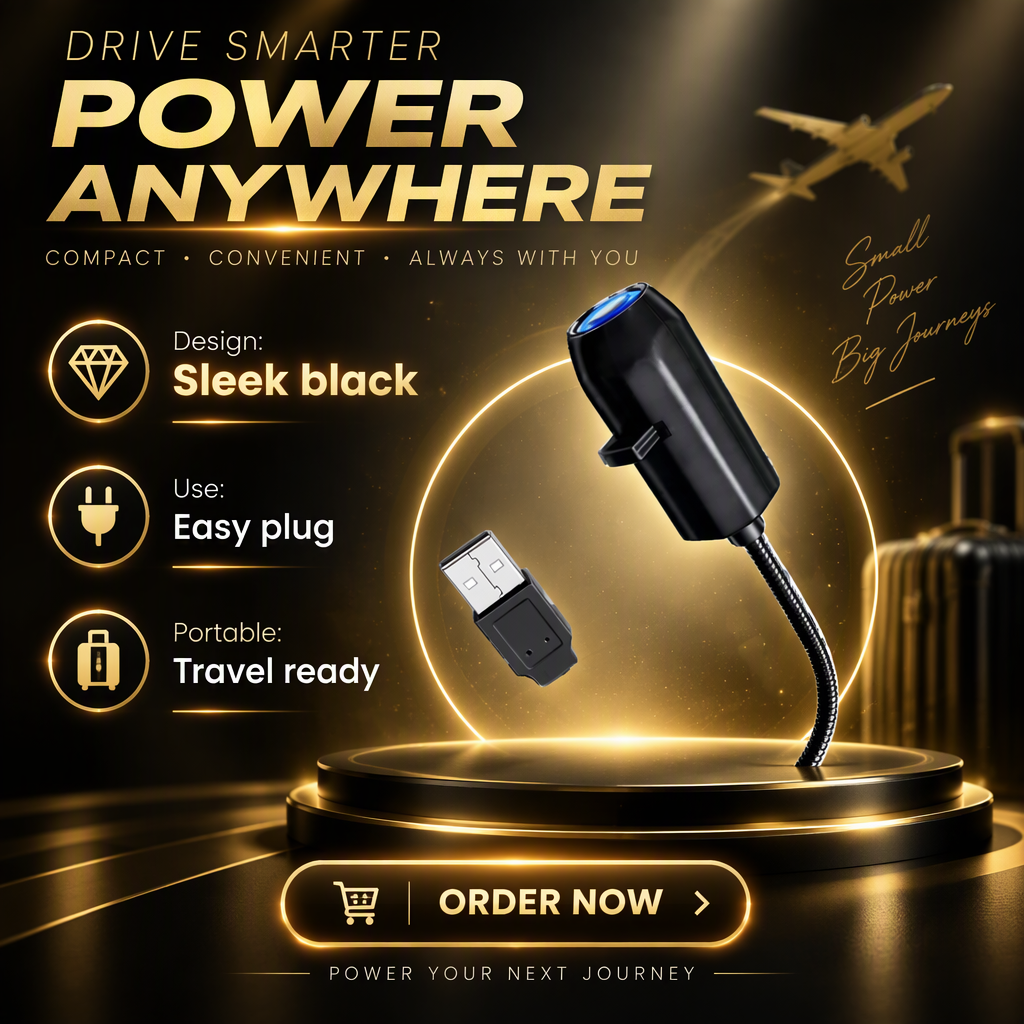
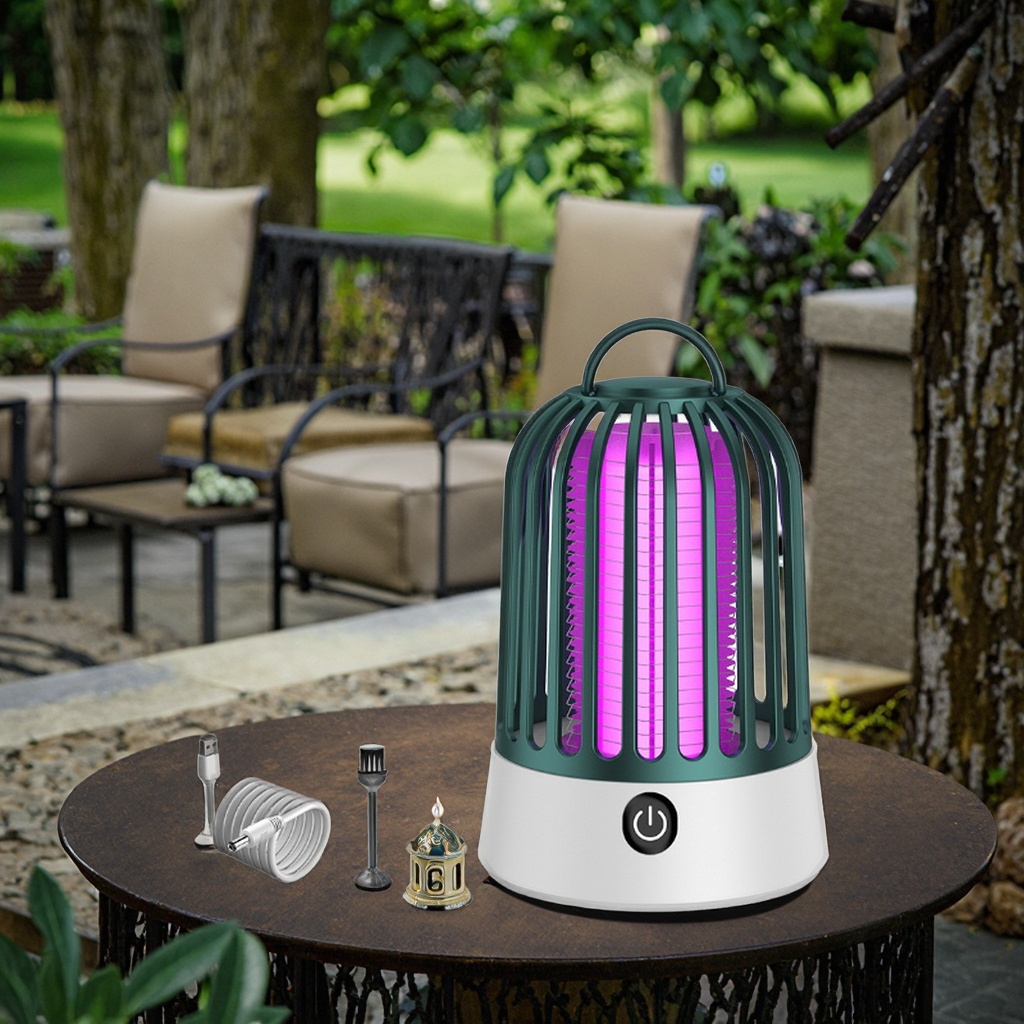
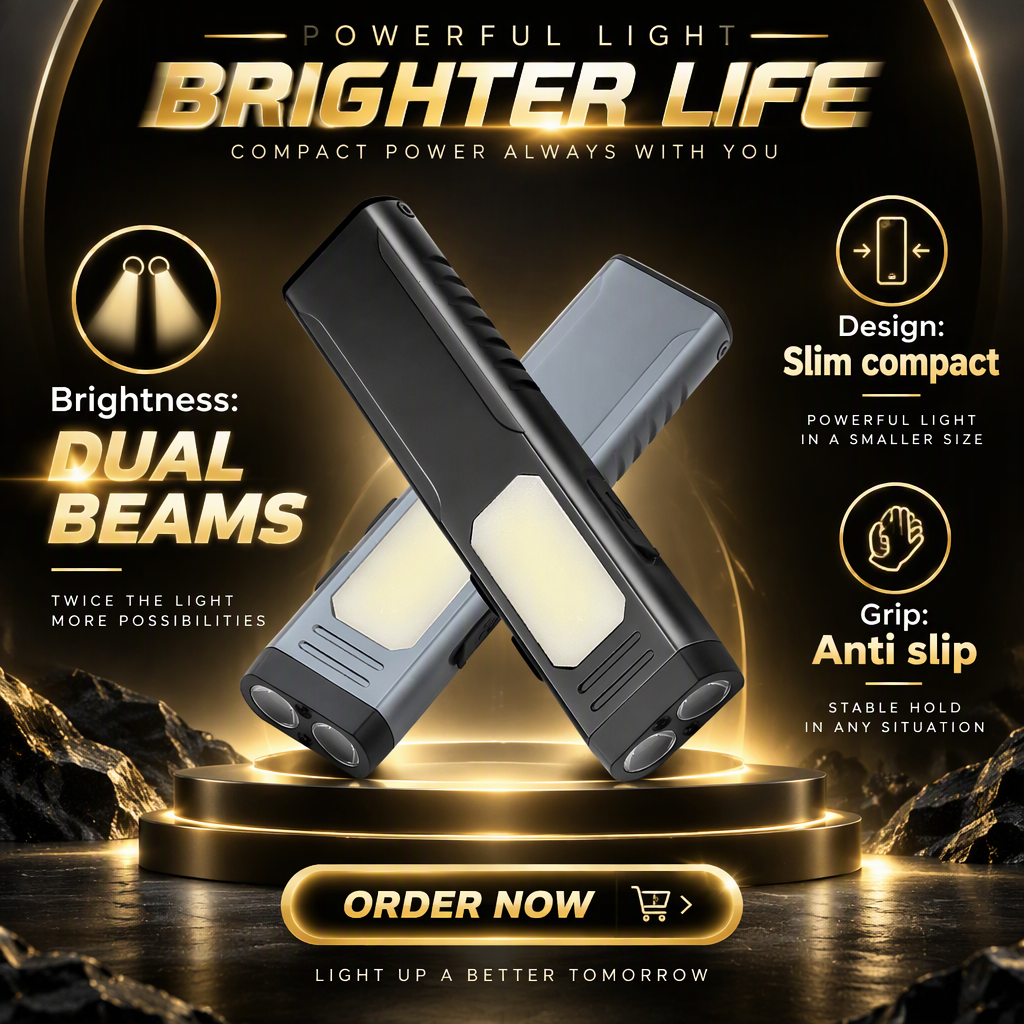
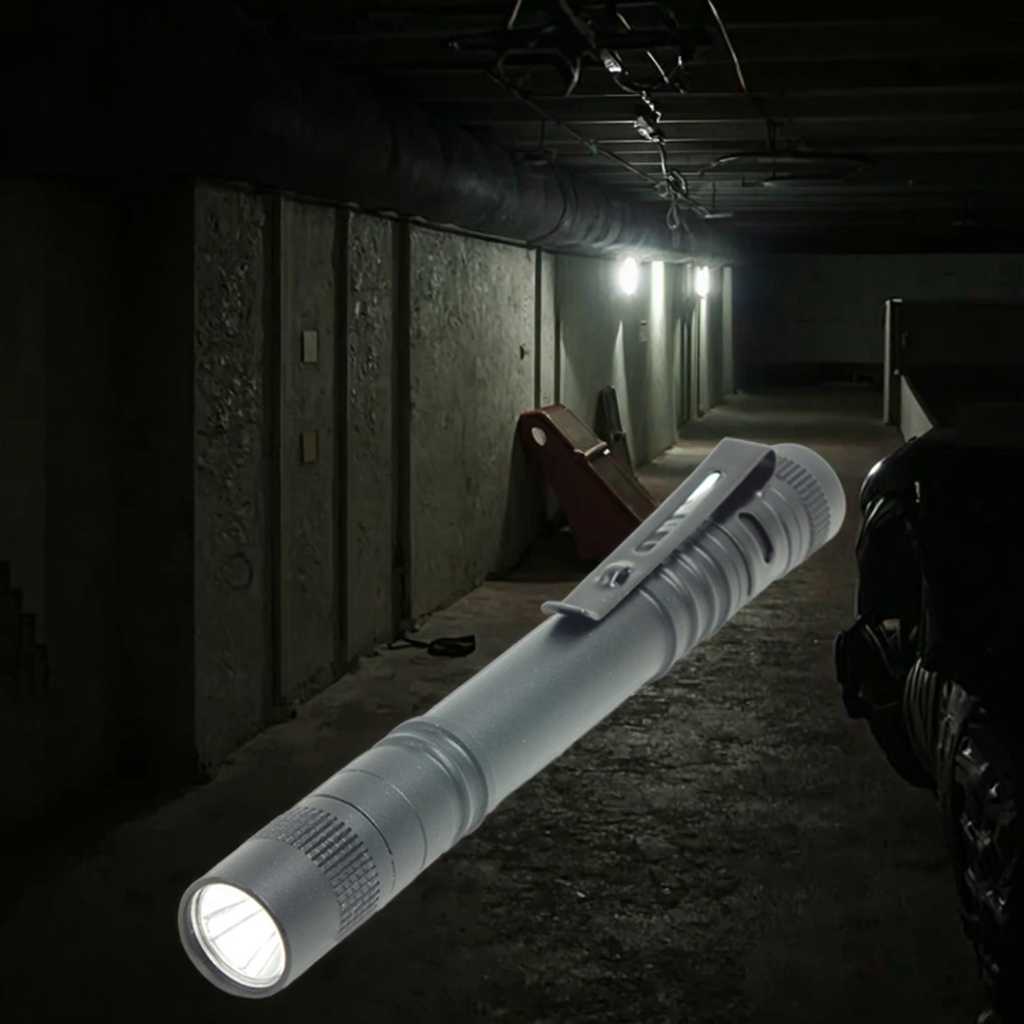
When professional procurement specialists evaluate industrial searchlights and high-power spotlights, raw lumen output represents only one variable in the optical equation. The true benchmark of optical excellence lies in peak beam intensity (Candela, cd), collimation efficiency, thermal junction management, and spectral distribution stability over extended duty cycles.
Unlike floodlights that scatter flux across a 120-degree hemisphere, an industrial searchlight requires precision beam confinement down to 3° to 8° full-width at half-maximum (FWHM). Shenzhen FEXA Technology employs CNC electroformed micro-orange-peel and ultra-smooth deep parabolic aluminum reflectors, delivering minimum luminous transmission losses (<4%) and eliminating hot-spot chromatic aberration across extreme target distances beyond 800 meters.
Solid-state LED junctions degrade exponentially if junction temperature (Tj) exceeds 85°C. Our searchlight platforms integrate direct-to-copper thermoelectric separation PCB substrates (DTP MCPCB) combined with multi-axis CNC finned 6061-T6 aluminum shells. With heat conductivities reaching 400 W/mK, driver circuits execute intelligent NTC continuous thermistor regulation to prevent thermal lumen drop and preserve diode life exceeding 50,000 hours.
To eliminate visible pulse-width modulation (PWM) flickers during maritime navigation or search operations, FEXA drivers utilize multi-phase synchronous constant-current buck-boost topologies with operational efficiencies reaching 94.8%. Output current ripple is clamped below ±1.5%, guaranteeing flicker-free video capture during industrial UAV and rescue telemetry recording.
| Optical Architecture | Typical Emitter Configuration | Peak Candela Rating (cd) | Effective Throw (1.0 Lux Threshold) | Ideal Application Scenario | Energy Efficiency (lm/W) |
|---|---|---|---|---|---|
| LEP (White Laser Module) | Blue Laser Diode to Transmissive Phosphor Crystal | 1,200,000 – 2,500,000 cd | 1,500 – 2,800 meters | Long-range perimeter defense, maritime spotting, border security | 75 – 90 lm/W |
| Ultra-Flux Multi-Core LED | Cree XHP70.3 / Luminus SBT-90.2 High-Intensity | 350,000 – 750,000 cd | 800 – 1,300 meters | Search and rescue (SAR), emergency railway repair, municipal fire response | 120 – 145 lm/W |
| Hybrid Spot-Flood Array | Center Spot + Surrounding High-CRI COB Ring | 80,000 – 180,000 cd | 400 – 650 meters | Heavy plant maintenance, tactical law enforcement, mining exploration | 130 – 160 lm/W |
| Compact Handheld Searchlight | Osram KW CSLNM1.TG / Nichia High-Power Core | 45,000 – 95,000 cd | 350 – 500 meters | Industrial patrol, forestry inspection, tactical EDC security | 110 – 135 lm/W |
Global supply chains are shifting away from fragmented trading operations toward verified, vertically-integrated tier-one original equipment manufacturers. Commercial buyers face stricter energy codes, hazardous area ratings, and component traceability mandates.
Global defense and utility fleets demand rapid recharge turnarounds. Modern procurement protocols require bi-directional USB-C Power Delivery protocols (supporting 5V/9V/12V/15V/20V inputs) linked to multi-cell balanced 21700 or 26650 lithium chemistries. Integrated microcontrollers communicate cell cycle counts, impedance shifts, and state-of-of-charge parameters, eliminating field battery drop-outs during critical night missions.
Weight reduction without sacrificial structural rigidity represents the primary mandate for mobile searchlight operators. New procurement specifications stipulate magnesium-aluminum composite die-casting paired with vacuum-deposited ceramic hard-anodizing (Type III Military Spec MIL-A-8625). Front optical windows now require dual-sided anti-reflective coatings alongside hydrophobic and oleophobic nano-layers to ensure zero droplet clinging in extreme driving squalls.
Importers face rising border non-compliance scrutiny regarding electromagnetic interference (EMI) and photobiological safety standards (IEC 62471 / EN 62471). High-lumen searchlights with deficient thermal-optical management emit excessive blue-light hazard weighting (RG3 ratings). Top-tier suppliers must guarantee certified Low Blue Light optical designs, RoHS lead-free soldering verification, and documented EMC shielding across sensitive radio frequencies.
Founded in 2008 and based in the core hardware innovation hub of Shenzhen, China, Shenzhen FEXA Technology Co., Ltd. operates as a specialized custom designer and manufacturer of high-performance portable illumination systems, headlamps, and tactical spotlights.
Our core philosophy remains unshakable: Focus on Customers, Light the Future. Unlike regional brokers, our physical manufacturing plant, engineering test equipment, assembly lines, and warehouse facilities are verified onsite by Intertek, the world's leading third-party testing agency.
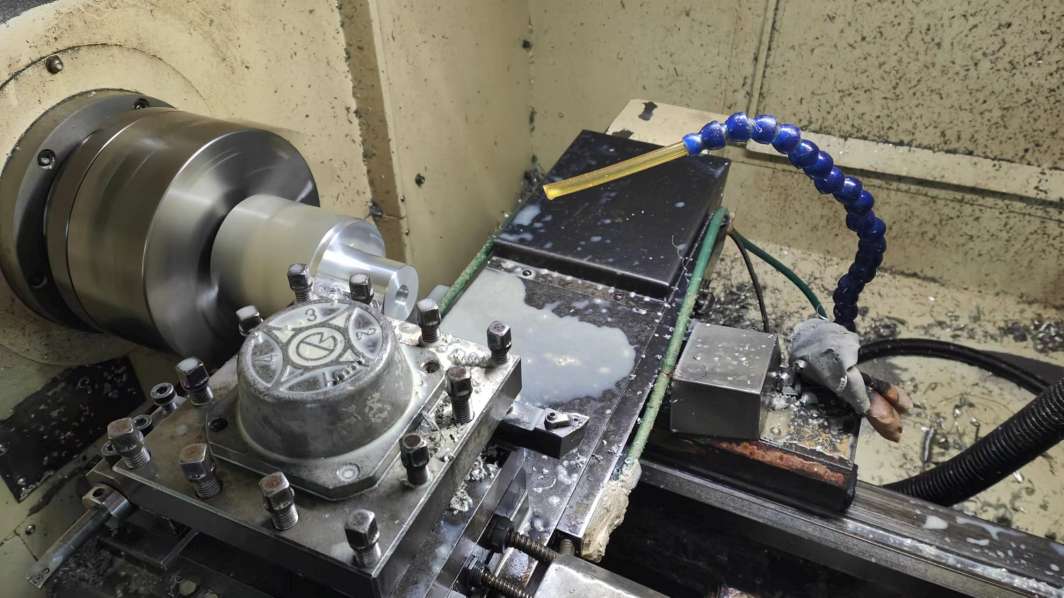
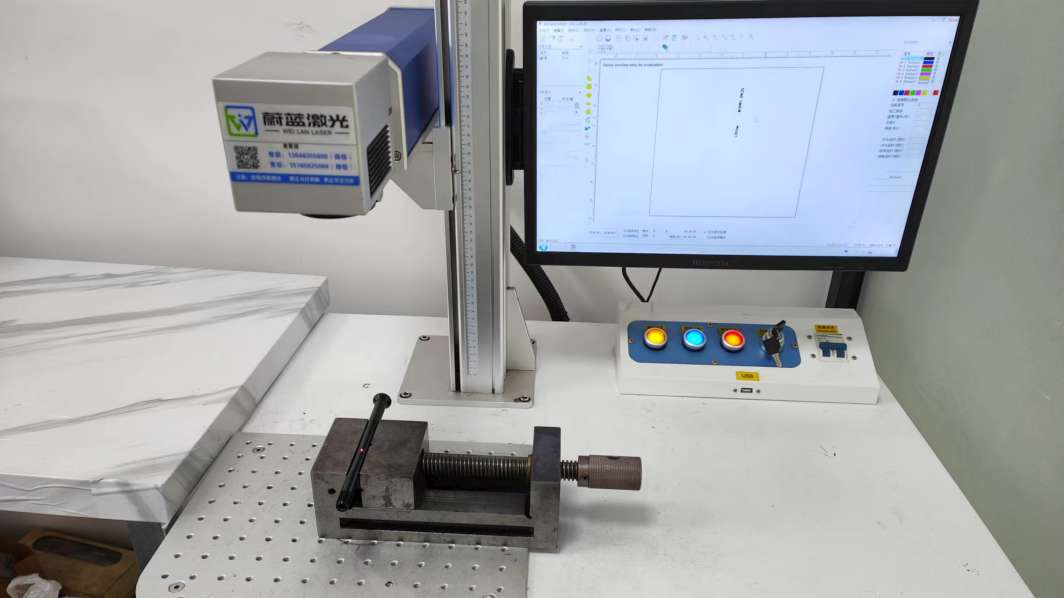
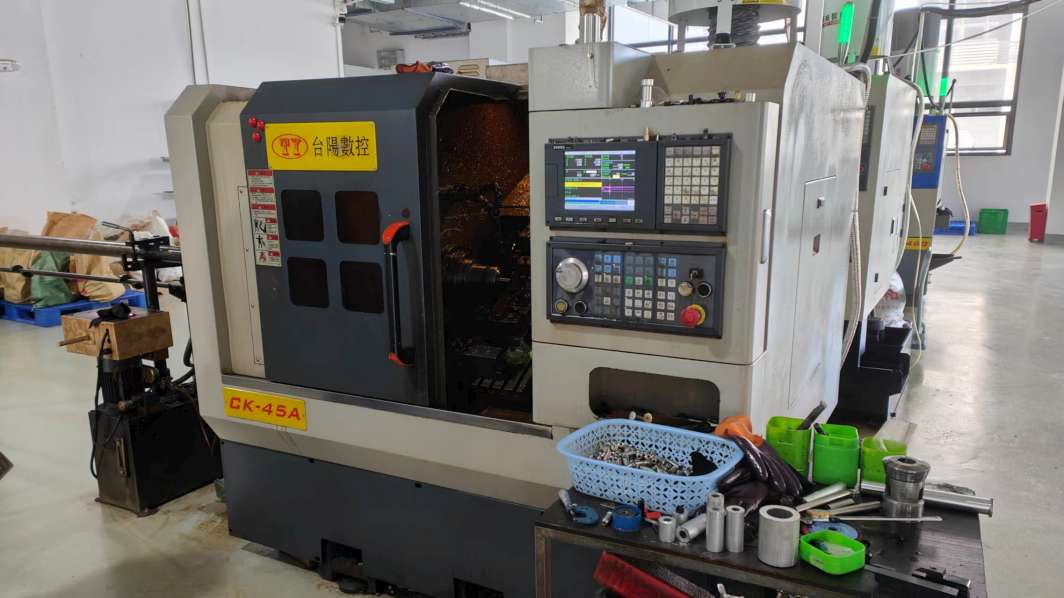
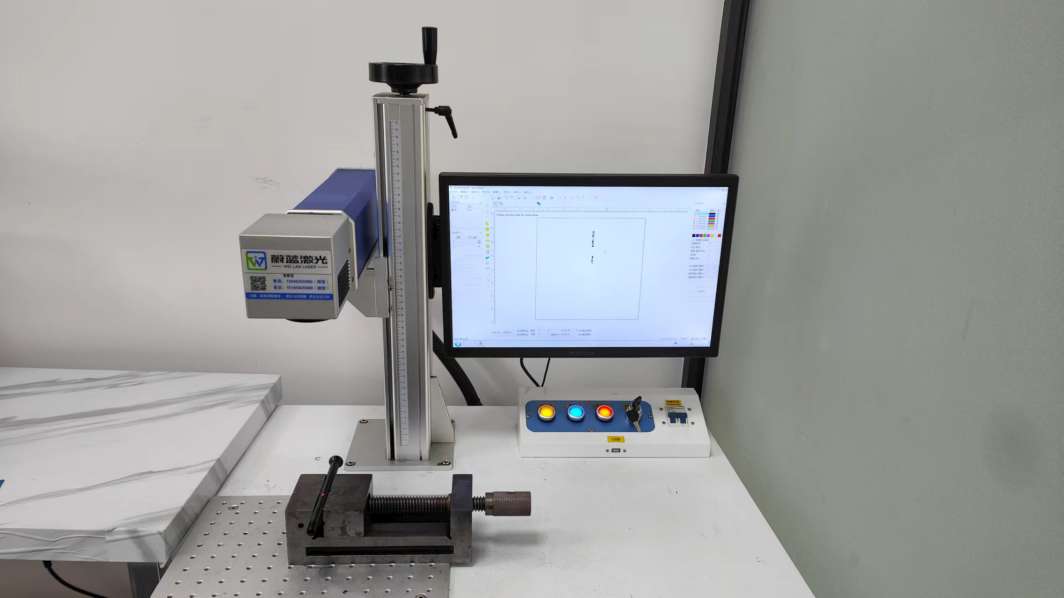
By keeping industrial design, CAD optical modeling, CNC machining centers, SMD high-speed pick-and-place lines, and laser surface personalization directly under unified factory supervision, we eliminate supply chain slippage, guarantee micrometer-level mechanical tolerances, and protect our clients' intellectual property.
Objective, engineering-backed answers addressing the most critical technical, compliance, and logistical inquiries raised by global procurement directors and distributor brand managers.
The primary distinction is optical collimation and center-beam luminous intensity measured in Candela (cd). While a high-lumen floodlight scatters 5,000 lumens across a wide 120° angle (delivering low lux at 100m), an engineered searchlight gathers luminous flux into a concentrated 3° to 8° beam. This produces 100,000 to over 1,500,000 cd, providing usable visibility (over 1.0 lux) at distances between 600m and 2,000m.
All ingress protection tests follow IEC 60529 protocols. For IP65 and IP66, enclosures endure 100 kPa pressurized water spray across all seams. For IP67 and IP68, devices undergo hydrostatic submersion chambers up to 2 meters for 60 minutes. Dual fluorosilicone O-rings, hermetically compressed glass bezels, and ultrasonic sealed switch membranes are verified before mass assembly release.
Yes. FEXA provides complete OEM/ODM engineering customization. We customize CNC reflector curvatures (smooth for maximum throw vs orange peel for smoother peripheral corona), swap emitter grades (Cree, Osram, Luminus, Nichia), and reprogram microcontroller driver firmware for custom step-down timings, SOS frequency, thermal ceilings, or tactical strobe presets.
All integrated and modular lithium-ion battery modules comply strictly with UN38.3 (altitude simulation, thermal testing, vibration, shock, external short circuit, and impact), complete 1.2m drop-tested shipping cartons, and authenticated Material Safety Data Sheets (MSDS). For European distribution, cells feature CE, RoHS, and IEC 62133 compliance documentation.
We support fast market entry with low-MOQ pilot runs. Precision laser logo engraving on standard production models requires an MOQ of only 100 to 200 units. Fully customized retail packaging, bespoke anodized housing colors, or customized driver code start at 500 to 1,000 units, allowing brands to test product-market fit with minimal inventory risk.
We employ heavy-section CNC machined 6061-T6 aluminum shells acting as unified thermal conduction channels. Beneath the diode, we utilize Direct Thermal Path Copper MCPCBs coupled to an intelligent NTC thermal sensor. Instead of abrupt step-downs that leave operators in sudden darkness, our smart step-down algorithm gradually reduces current by 3% increments, maintaining peak thermal equilibrium.
Standard unbranded stock samples ship within 24 to 48 hours. Functional customized engineering samples (with laser brand marks and custom driver firmware) take approximately 7 to 10 working days. Full mass-production runs of 1,000 to 10,000 units are completed in 25 to 35 calendar days from golden sample sign-off.
For vehicle, handlebar, and mobile equipment mounting platforms, we engineer specific cut-off line (anti-glare) optics meeting German StVZO (K-Mark) standards. These optics redirect upper light beams downward onto the road plane, preventing oncoming driver blinding while focusing maximum candela where it is needed.
Yes. Many overseas distributors consolidate high-candela searchlights, heavy-duty workshop folding lights, bicycle lights, and rechargeable pen inspection torches inside a single 20GP or 40HQ container. We coordinate pallet layout, carton weight distributions, and customs export filings under unified documentation.
We support a broad spectrum of commercial settlement terms: Telegraphic Transfer (T/T 30% deposit, 70% against Bill of Lading copy), Letter of Credit (Irrevocable L/C at sight), D/P, D/A, PayPal, Western Union, and Escrow. Multi-currency settlements are accepted in USD, EUR, GBP, JPY, CAD, AUD, and CNY.
Direct communication with our Shenzhen engineering and optical prototyping division. Share your target lumen threshold, candela specifications, operating environments, or tender requirements. We deliver comprehensive DFM analysis, 3D optical simulation files, and sample quotes within 24 hours.