Precision Portable Lighting Portfolio
Engineered for extreme reliability, our portable EDC flashlights, headlamps, and illumination solutions meet the rigorous demands of tactical deployment, industrial operations, and consumer outdoor gear.
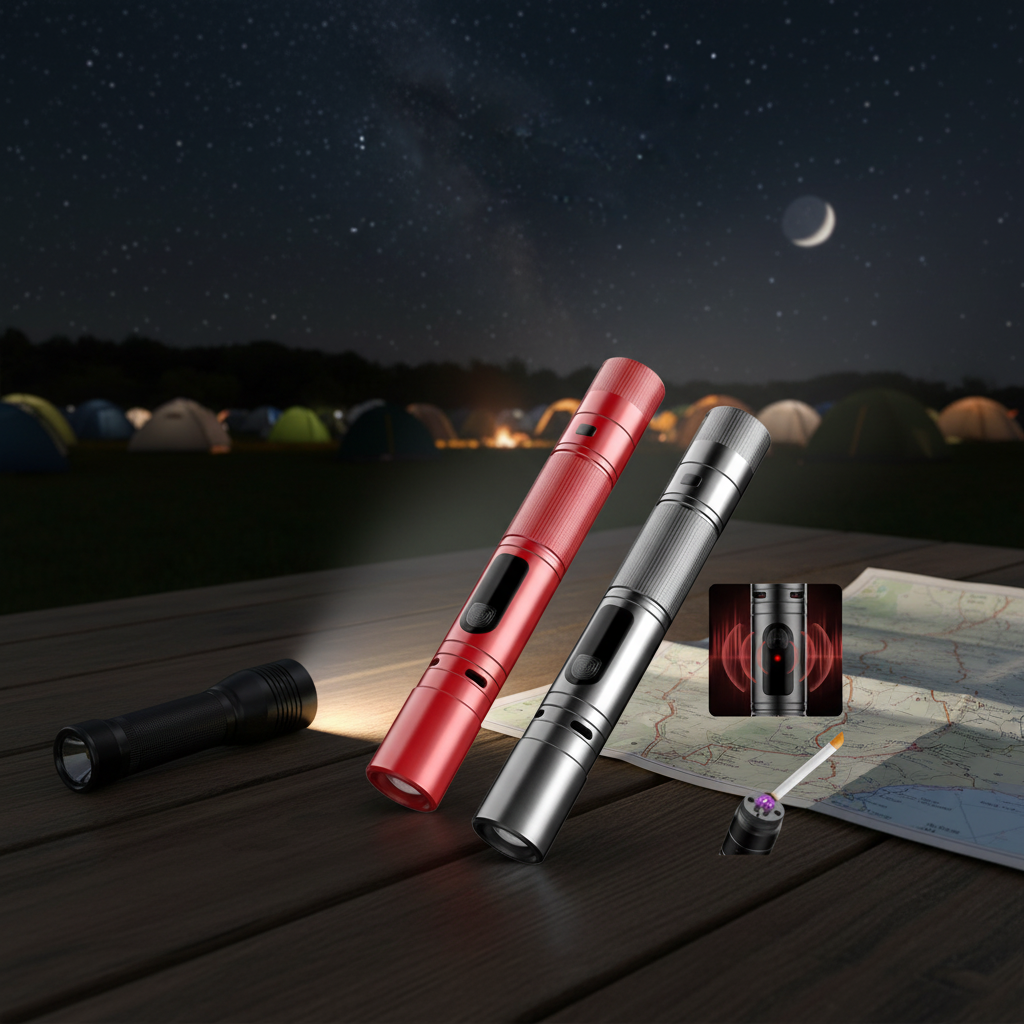
Zoom Optic
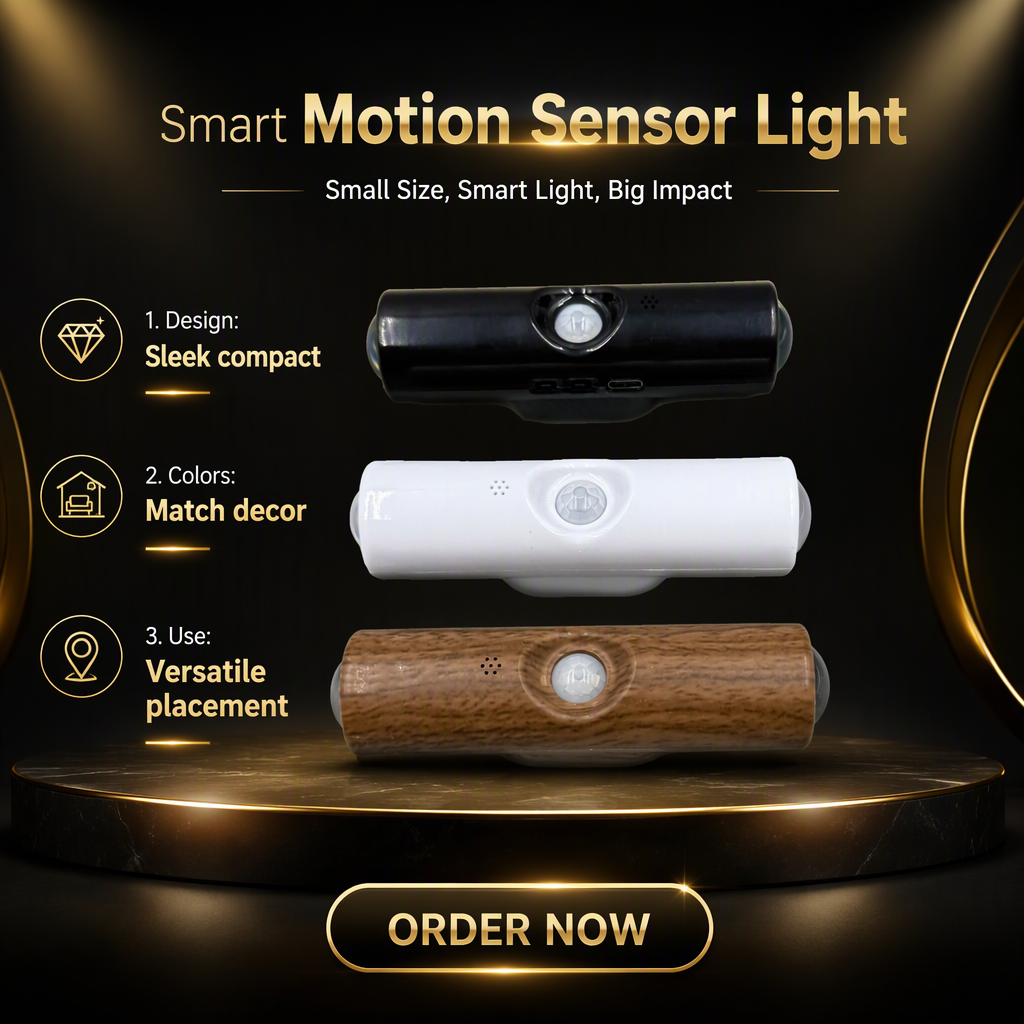
Dual-Headed
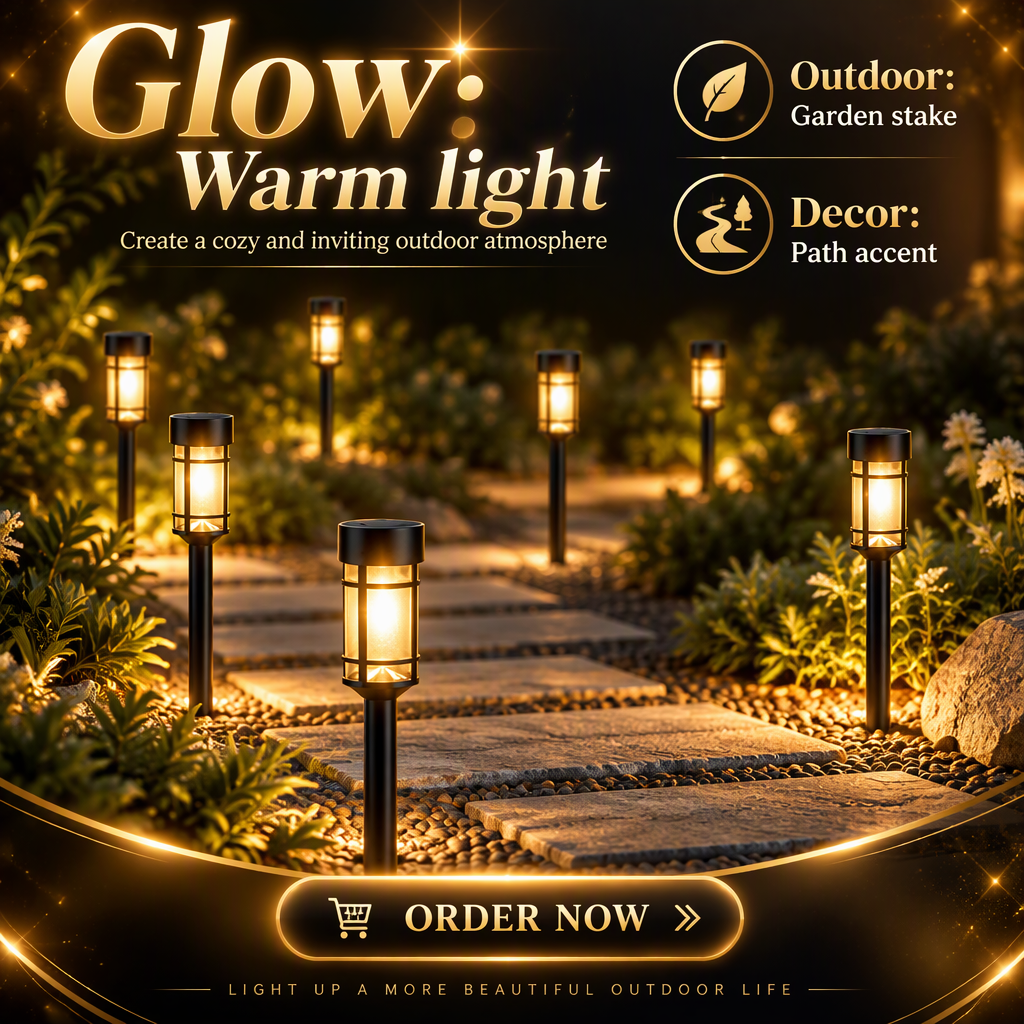
Solar IP65
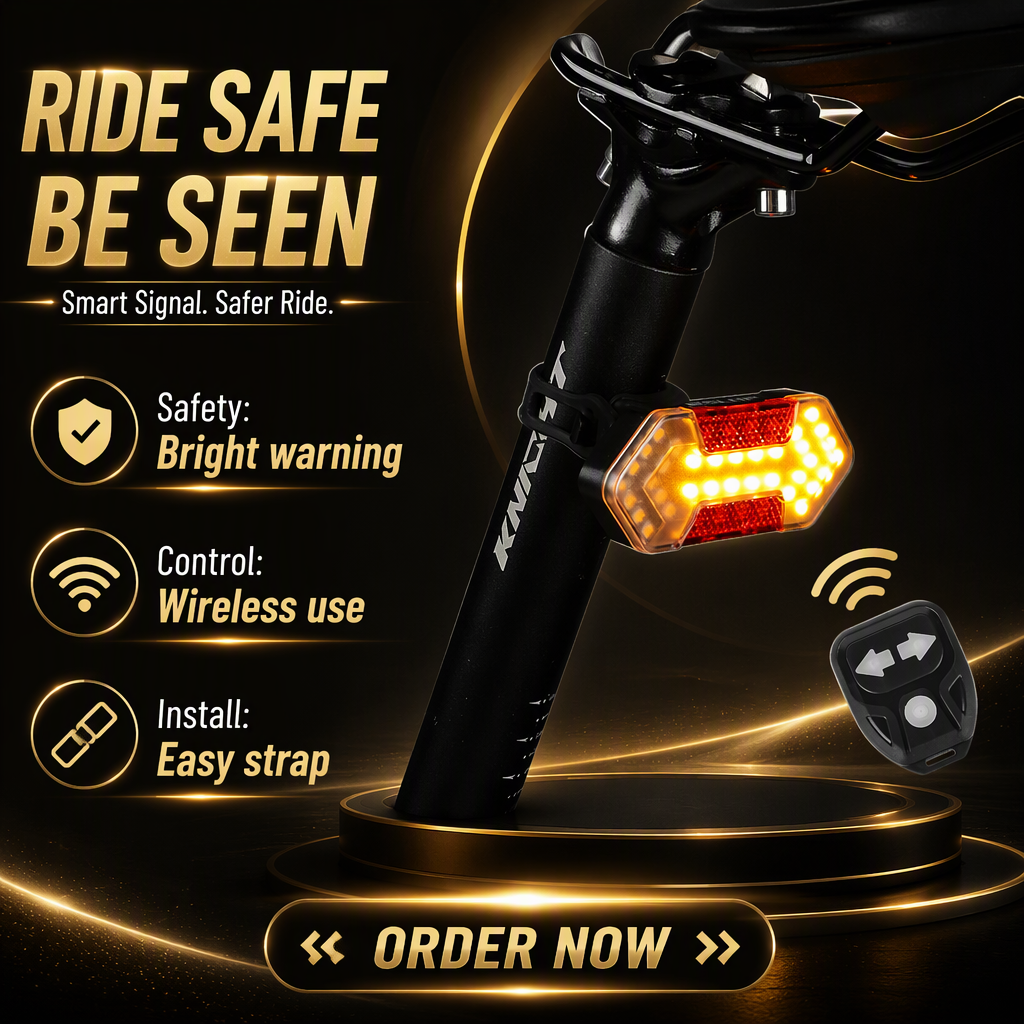
IPX5 Wireless
Mini Projection
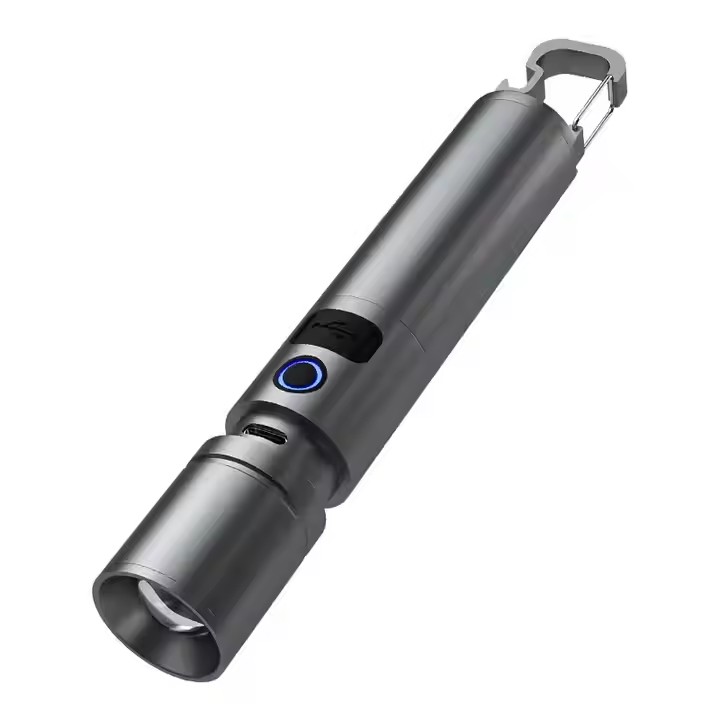
Alloy 7075
Dual Arc Focusing
15+ Yrs
R&D Engineering Pedigree
2,582m²
Intertek Assessed Facility
100%
In-Line Burn-in Quality Control
50M
Peak Annual Scalability (USD)
1. The Strategic Landscape: Sourcing EDC Flashlights in China
The global everyday carry (EDC) flashlight sector has transitioned decisively from an enthusiast niche into a multi-million-dollar mainstream market. Today's commercial procurement officers, distribution executives, and private label brand managers require far more than high-lumen output metrics printed on packaging. Professional buyers require absolute architectural stability, standardized electrical efficiencies, and traceable supply-chain integrity.
Shenzhen FEXA Technology Co., Ltd. operates at the vanguard of optoelectronic manufacturing in China. With engineering roots stretching back to 2008 and our expanded industrial operations formally incorporated in Shenzhen's manufacturing corridor, we provide foreign buyers with direct access to sophisticated solid-state lighting manufacturing. Our onsite operations have been systematically checked and verified by Intertek, confirming that our physical shop floor, testing machinery, and operational safety workflows comply with international industrial norms.
Supply Chain Security Note: Reliable manufacturing requires holistic accountability. Every production run at our Shenzhen plant implements comprehensive supply-chain transparency, matching automotive-grade 6061/7075-T6 hard-anodized aluminum extrusions with tested constant-current buck/boost driver topologies to guarantee continuous runtime performance without thermal degradation.
2. Technological Shifts: Next-Generation EDC Flashlight Architecture
Understanding the current technological trajectory is critical for supply chain leaders executing multi-year sourcing contracts. The global EDC illumination landscape is undergoing three major architectural evolutions:
Constant Current Topology vs. Low-Cost PWM Direct Drive
Entry-level flashlights frequently rely on direct-drive circuitry with high-frequency Pulse Width Modulation (PWM). While cost-effective to produce, PWM induces visible and sub-audible strobe phenomena, causes rapid luminaire overheating, and accelerates lumen depreciation across the emitter's lifespan. Our advanced tactical and pocket EDC lines utilize regulated constant-current synchronous buck-boost IC architectures. By dynamically adjusting drive voltage against battery discharge profiles, our drivers maintain stable candela and continuous operating output without optical flickering.
Transition from High-Flux LED to Compact White-Laser (LEP) Optic Packages
While multi-die SMD LEDs (such as Cree XHP series or Luminus emitters) offer exceptional flood profiles, collimated long-range throw demands excessive reflector volume. White Laser (Liquid Crystal / Laser Excited Phosphor - LEP) technology concentrates high-lumen density into a micro-aperture crystal module. The resulting beam achieves thousands of meters of collimated throw from an ultra-compact pocket format, revolutionizing tactical search, critical rescue, and high-end EDC outdoor segments.
Standardized USB-C Power Delivery and Integrated Cell Protection (BMS)
Modern consumers refuse proprietary magnetic cables. B2B procurement demands standardized USB-C bi-directional charging interfaces equipped with integrated Power Delivery (PD) protocols. Concurrently, incorporating independent Battery Management System (BMS) microcontrollers into our flashlight chassis protects 18650, 21700, and pouch lithium-polymer cells from over-charge, over-discharge, reverse polarity, and thermal runaway.
| Hardware Parameter | Consumer Commercial Grade | Industrial & Professional EDC Standard (FEXA) |
|---|---|---|
| Emitter Substrate | Standard aluminum PCB, thermal paste | Direct Thermal Path (DTP) Copper MCPCB, gold-plated pads |
| Circuit Driver | FET / Resistor Direct Drive with PWM | Constant-Current Linear/Buck-Boost Regulated (No PWM) |
| Chassis Machining | Die-cast aluminum, Type II anodizing | 5-Axis CNC Aircraft Aluminum 6061-T6, Mil-Spec Type III HA |
| Waterproof Sealing | Single silicone washer (IPX4 rating) | Dual NBR/Fluororubber O-rings, IP68 rated (2m submersible) |
| Lens Treatment | Standard molded acrylic / clear plastic | Ultra-clear toughened mineral glass with double-sided AR coating |
| Compliance Path | Unverified self-declaration | Intertek Onsite Audit, CE, FCC, RoHS, UN38.3, MSDS Verified |
3. Procurement Analysis: Forward-Looking Sourcing Trends (2025–2030)
Procurement directors sourcing EDC flashlights must align their portfolio strategy with five decisive macro market vectors:
1. Strict Color Rendering (High CRI) Domination: The consumer market is shifting away from low-CRI (65–70 CRI) cold-white emitters (6500K) toward high-CRI (90+ CRI) neutral-white emitters (4000K–5000K) using Nichia, Samsung, or custom phosphor formulations. High color rendering index capabilities ensure exact situational awareness, depth perception, and physiological safety during close-range inspection tasks and night navigation.
2. Ergonomic Material Modernization: While high-tensile aerospace aluminum remains the global standard for thermal-to-weight performance, prestige EDC segments demand premium metallurgical options. Our facility provides tailored short-run manufacturing utilizing TC4 Titanium, Copper, Zirconium, and layered Carbon Fiber, opening lucrative high-margin luxury avenues for brand partners.
3. Sustainability and Modular Disassembly (Right-to-Repair): Upcoming European Union battery regulations demand accessible battery replacement mechanisms and standardized recycling paths. Our product designs deliberately eschew glued shut body designs in favor of precision threaded bezels and accessible lithium cells, assuring complete compliance with eco-design mandates.
4. Dual-Fuel Compatibility: Critical infrastructure and preparedness sectors increasingly specify flashlights capable of operating on high-drain lithium-ion rechargeables (14500) while retaining the mechanical flexibility to run on ubiquitous 1.5V Alkaline or Ni-MH AA cells during emergency logistics failures.
4. Enterprise Strengths: Why Global Brands Partner with FEXA
Shenzhen FEXA Technology Co., Ltd. does not operate as a broker or trading intermediary. We are an integrated optoelectronic manufacturer and private-label partner. By unifying high-speed multi-axis CNC production, automated laser-marking cells, surface-mount PCB assembly lines, and calibrated optical test spheres under one roof, we eliminate operational friction and deliver verified manufacturing precision.
Intertek Onsite Assessed
Our physical facility, production capacity, machine calibration, and environmental controls are rigorously audited and certified onsite by Intertek, ensuring zero compliance risk for Western importers.
In-House 5-Axis CNC Precision
We execute optical reflector profiling, knurling patterns, and body machining internally, maintaining tight dimensional tolerances (±0.02mm) that guarantee rugged thread interfaces and structural water sealing.
Thermal & Photometric Labs
Every lighting design undergoes rigorous validation in our optical lab, utilizing calibrated integrating spheres and continuous thermal imaging cameras to substantiate accurate lumen output and runtime curves.
Automated Laser Marking
High-speed industrial fiber-laser marking systems apply wear-resistant vector brand logos, regulatory marks, and unique batch tracking serial numbers without delaying scheduled ship dates.
Turnkey Packaging & FBA Ready
We provide retail-ready packaging design, drop-tested master cartons, custom insert foam, and direct-to-warehouse Amazon FNSKU barcode application for instantaneous channel deployment.
Comprehensive Certification
Our complete illumination catalog carries verified CE, FCC, RoHS, and EU design patent protections, supported by complete UN38.3 and MSDS dossiers for seamless air and ocean hazmat customs clearance.
5. Quality Assurance Protocols: From SMT to Final Hermetic Sealing
True tactical quality demands zero production tolerance failures. At our Shenzhen manufacturing facility, quality assurance is an active in-line protocol applied at every stage of the manufacturing continuum:
1. Surface Mount Component Inspection (AOI): All driver PCBAs pass automated optical inspection to detect solder bridging, misaligned SMD diodes, or cold solder joints before driver housing potting.
2. 100% In-Line Burn-In Testing: Finished LED modules and driver engines undergo continuous high-output burn-in cycles in dedicated environmental thermal chambers to force early component failures before final chassis assembly.
3. Pneumatic Immersion Testing: To substantiate our IP68 ingress protection claims, flashlights undergo positive pressure pneumatic differential testing, guaranteeing that all O-rings, switch boots, and lens bezels maintain absolute water and dust resistance.
6. Frequently Asked Questions (FAQ) for B2B Importers
What differentiates Shenzhen FEXA Technology from conventional trading suppliers? +
FEXA is a vertically integrated custom manufacturer with our own factory premises and engineering teams. Our 2,582 m² facility and technical workforce have been independently audited and checked onsite by Intertek. We directly manage CNC machining, driver circuit engineering, product assembly, and quality verification, ensuring clear accountability, true low-MOQ capabilities, direct factory pricing, and rigorous IP protection.
What are your Minimum Order Quantity (MOQ) thresholds for OEM and ODM projects? +
For standard in-stock product architectures requiring custom laser logo etching and personalized packaging, our baseline MOQ begins at just 500 to 1,000 units. For full ODM custom-tooled development (including bespoke CNC profiles, unique optical reflector designs, and programmed UI firmware), initial pilot run MOQs generally start at 2,000 to 3,000 units depending on raw extrusion requirements.
Can FEXA engineer custom driver firmware and user interface (UI) modes? +
Yes. Our in-house firmware engineers customize microcontroller driver operations to match specific commercial needs. Whether you require simplified 2-mode industrial interfaces (High-Low without strobe), stepped tactical instant-turbo shortcuts, memory locks, or smooth ramping lumen scales, we provide tailored microcode programming.
How do you guarantee lithium battery compliance and international transit safety? +
We partner exclusively with certified cell manufacturers whose lithium chemistries provide certified UN38.3 test summaries, full safety data sheets (MSDS), drop-test reports, and 1.2m stack-test certifications. Our shipments fully comply with IATA DGR for air shipments and IMDG codes for ocean container freight, pre-packaged with verified flame-retardant internal dividers and thermal packaging.
What are standard lead times for rapid prototypes and mass production runs? +
Functional CNC evaluation samples with customized laser marking typically dispatch within 7 to 10 working days. Full mass production lead times for standard OEM orders range between 25 to 35 calendar days following golden sample sign-off and deposit receipt.
What commercial payment terms and delivery arrangements are supported? +
We support standard global trade mechanisms including T/T (Telegraphic Transfer), L/C at sight, PayPal for low-volume sample runs, Western Union, and Escrow. Commercial fulfillment delivery conditions include FOB Shenzhen/Hong Kong, CIF destination ports, EXW factory terms, and comprehensive DDP (Delivered Duty Paid) air/sea routes straight to your regional commercial warehouse or Amazon FBA fulfillment network.
Connect with Our Optoelectronic Engineering Team
Ready to deploy a high-margin, professional-grade EDC flashlight or portable lighting program? Discuss your lumen requirements, optical beam targets, and custom branding specifications directly with our Shenzhen technical facility.
Contact Us