15+
Years Engineering R&D (Est. 2008)
2,582m²
Intertek Onsite-Audited Facility
403+
Export Batches Shipped (H2)
99.74%
Global Engineering In-Bound SLA
CE / FCC
EU Patents & Direct Traceability
Precision Portfolio
Engineered Active Illumination & Smart Sensing Systems
Turnkey active bicycle illumination and secondary optical lighting modules verified for extreme rotational resilience, weather tightness, and continuous lumen outputs.
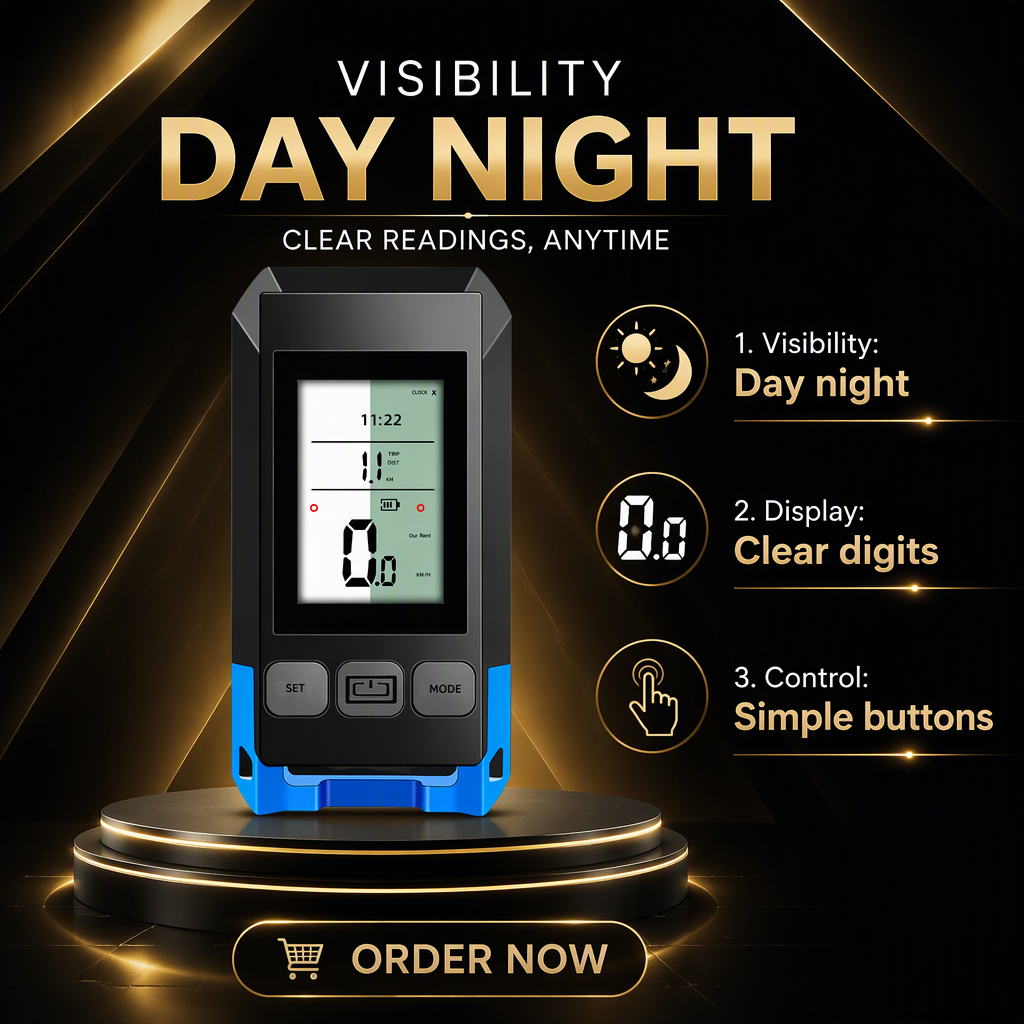
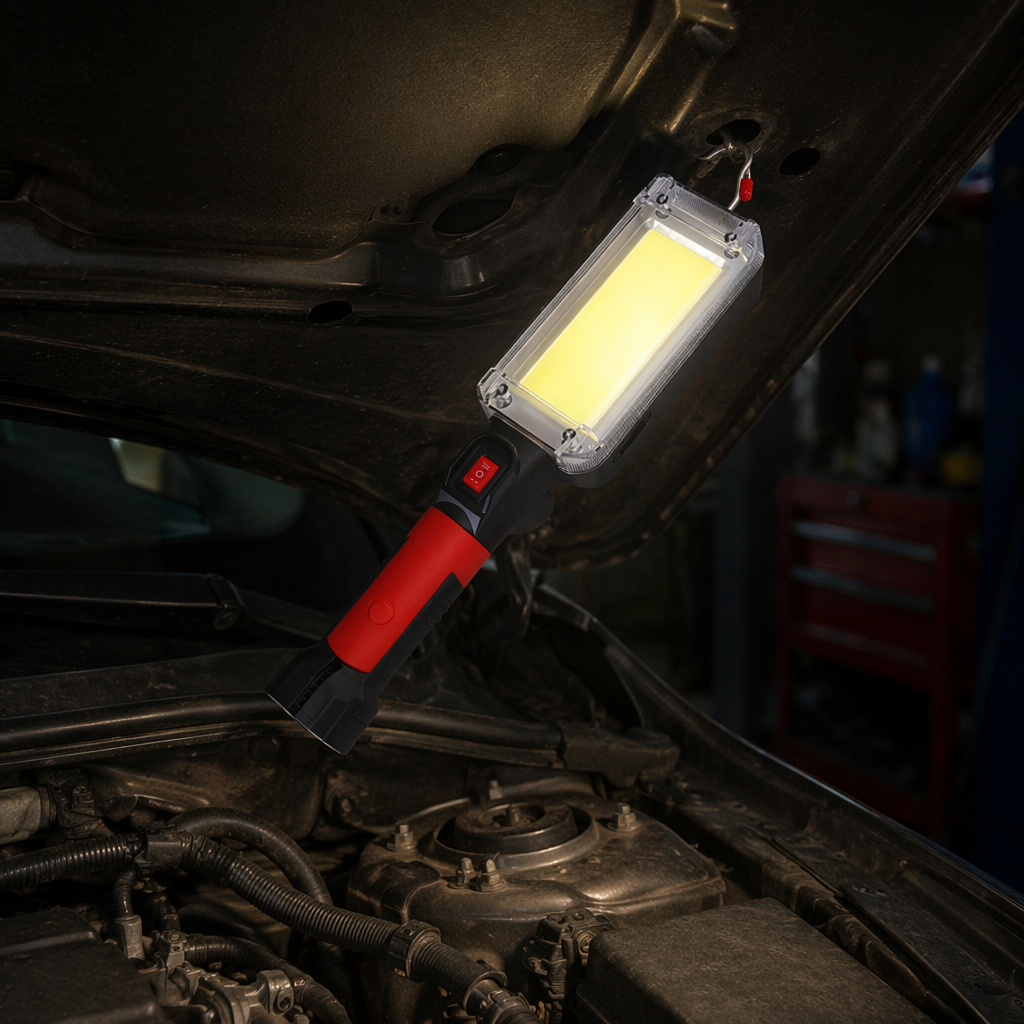
Magnetic LED Flashlight USB Rechargeable 5 Modes Camping Use IP65 Rated ABS Waterproof AAA Battery Dimmable COB Hanging Hook 700
700 Lumens
COB Surface
IP65 Field
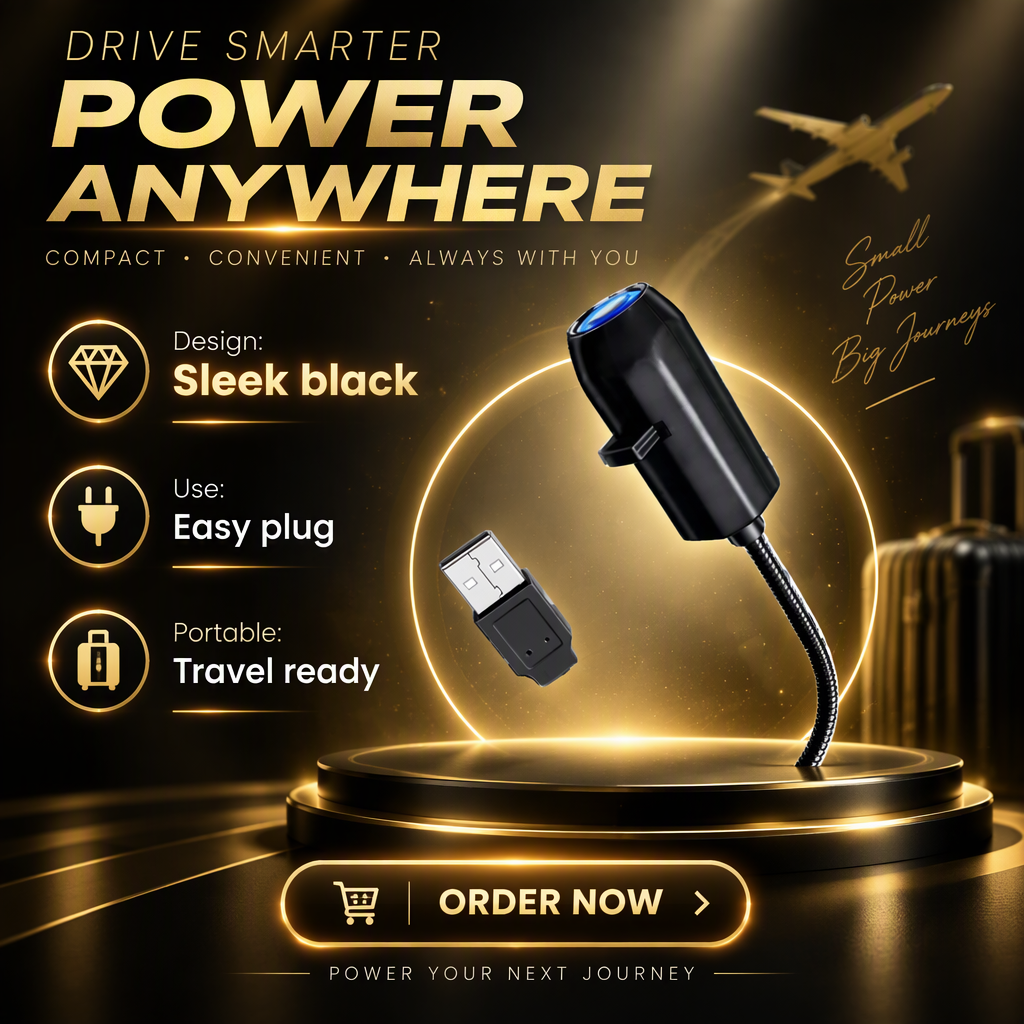
Bestseller Control Mini 3500K Warm White Starry Sky Moon Lamp Creative LED USB Powered Night Light Bedroom Logo Projection
Custom Projection
3500K Optics
USB 5V
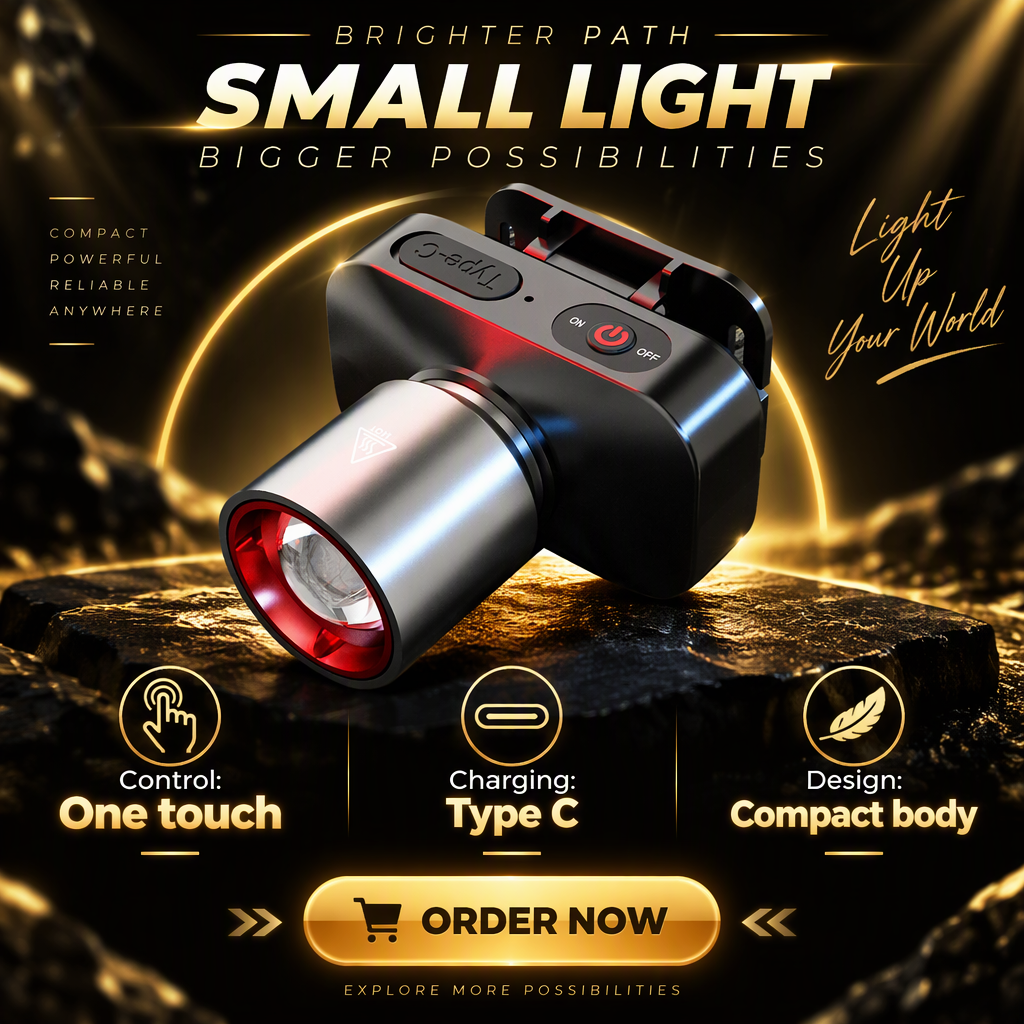
LED Headlamp G9 Base Waterproof Rechargeable Adjustable Beam IP65 Rated Portable Aluminum Alloy Plastic Outdoor Camping Hiking
Beam Dialing
Alloy Heatsink
IP65 Trail
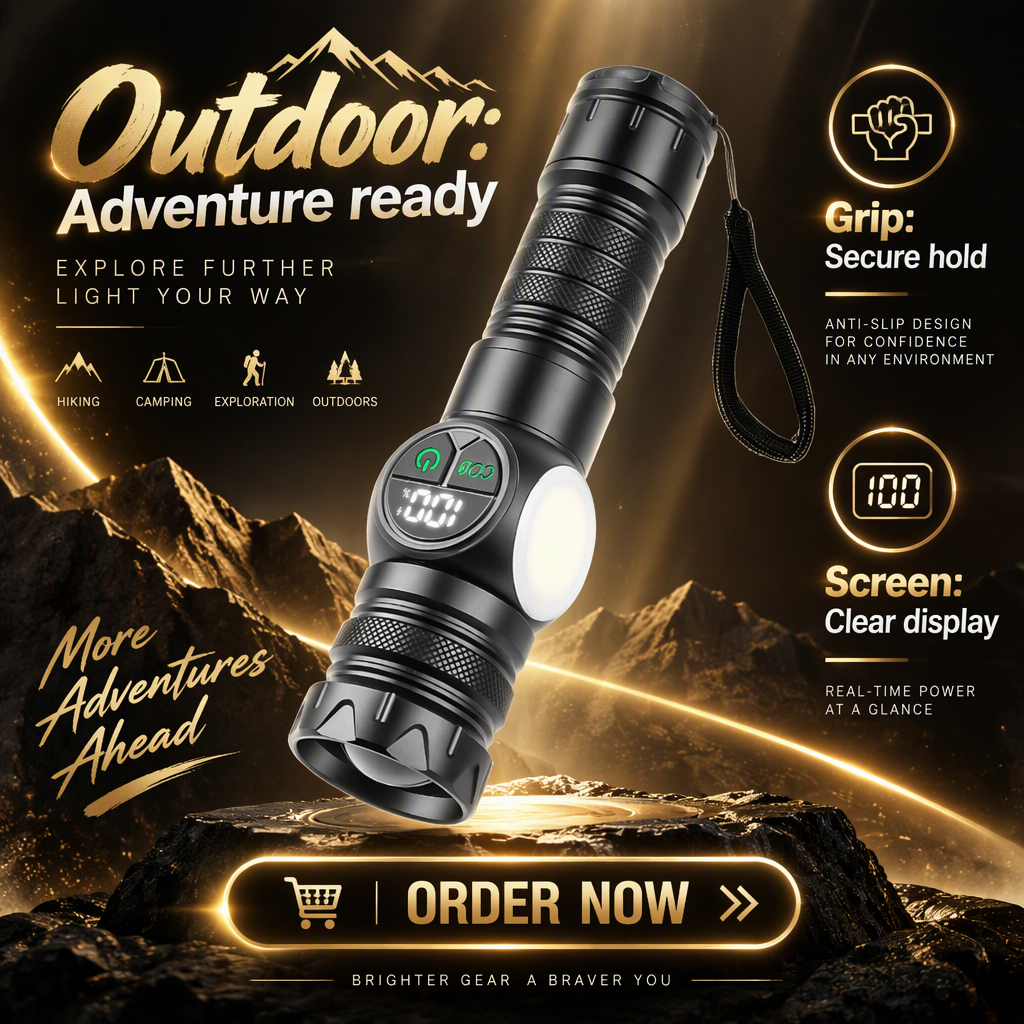
Niaconn White Tactical LED Flashlight 1000 Lumens 20W Lithium-Ion Battery Dimmable Long-Range Zoom Aluminum Alloy Portable 50000
20W White Laser
1000 LM
Mil-Anodized
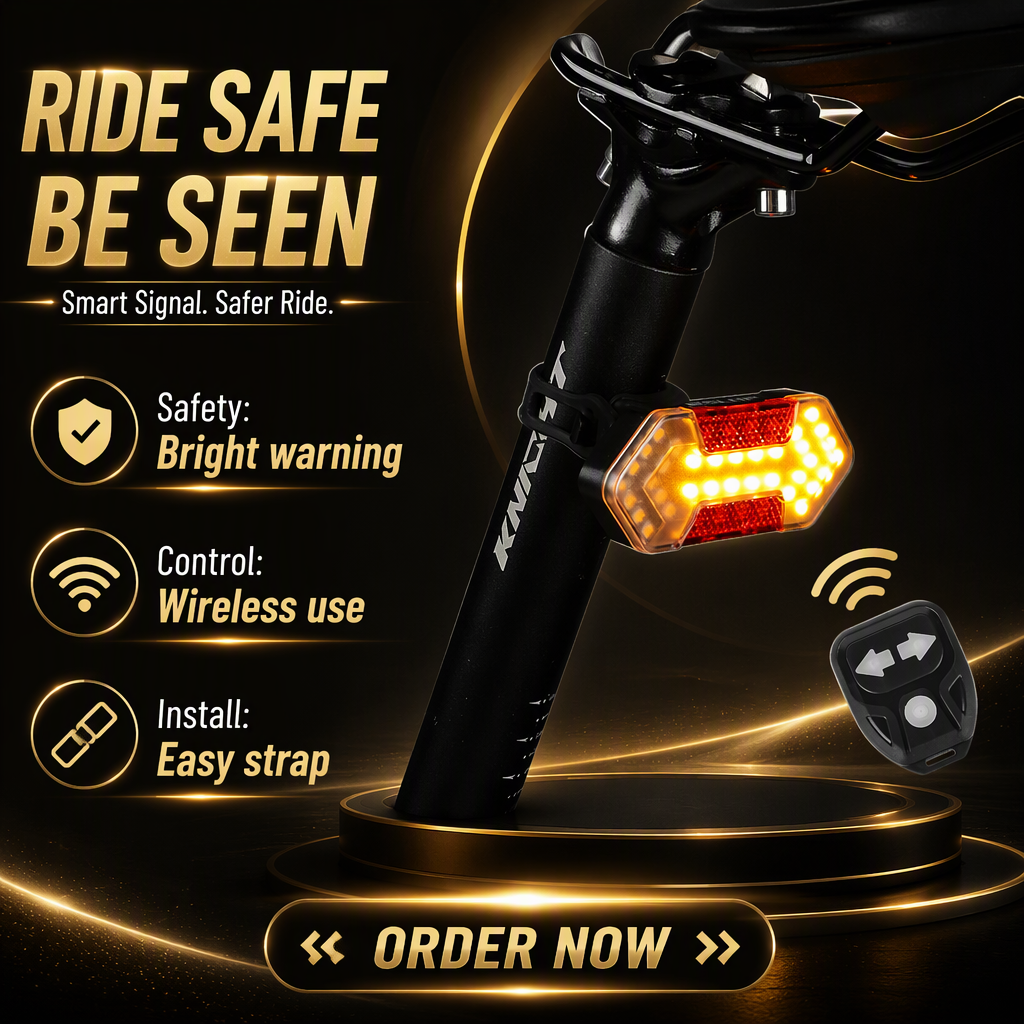
USB Rechargeable Battery IPX5 Waterproof LED Bicycle Tail Light Seatpost Mount ABS Material Night Riding Portable 5 Modes
Wide Angle Vis
5 Pulse Rates
IPX5 Seal
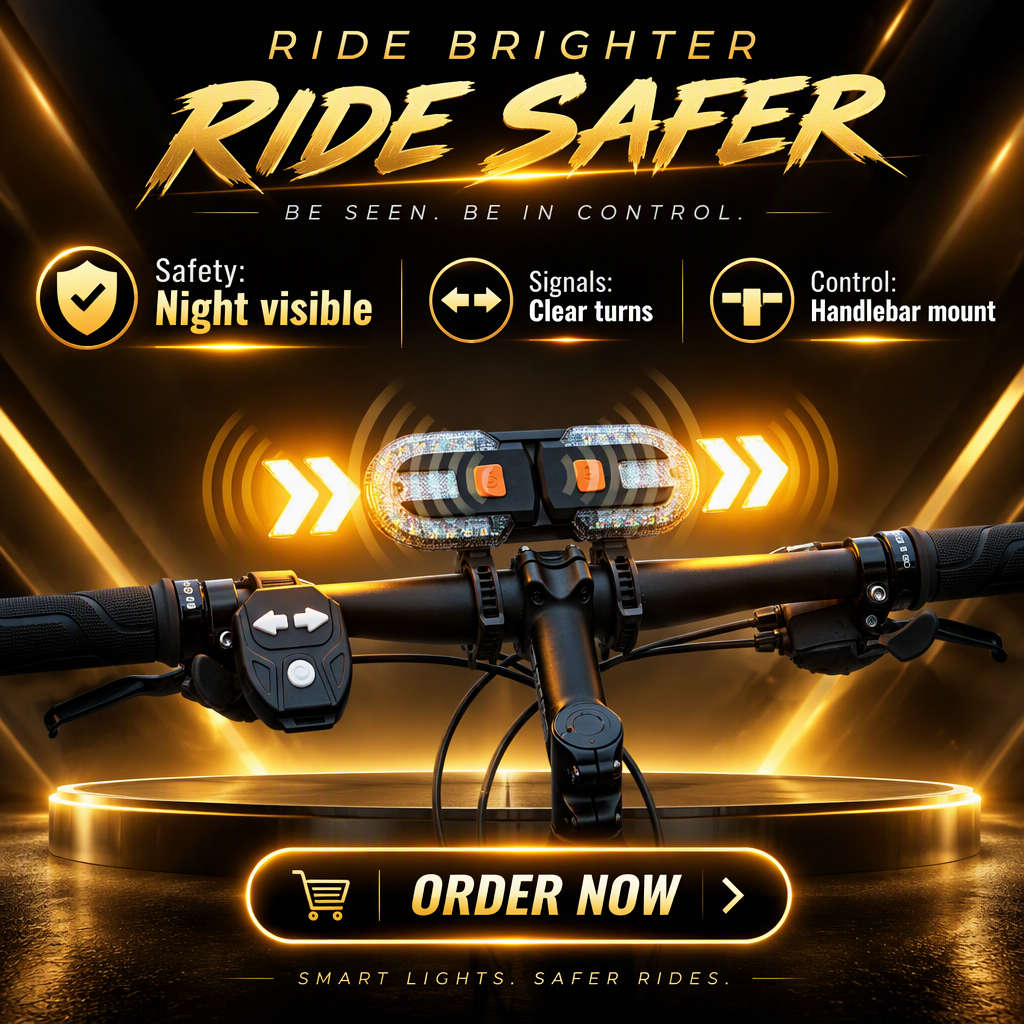
NIACONN NIA-Z09 Border Bicycle Road Bike Remote-Control Steering Taillight Outdoor High-Brightness LED IPX5 Waterproof PC
2.4G Wireless
Turn Indicator
Polycarbonate
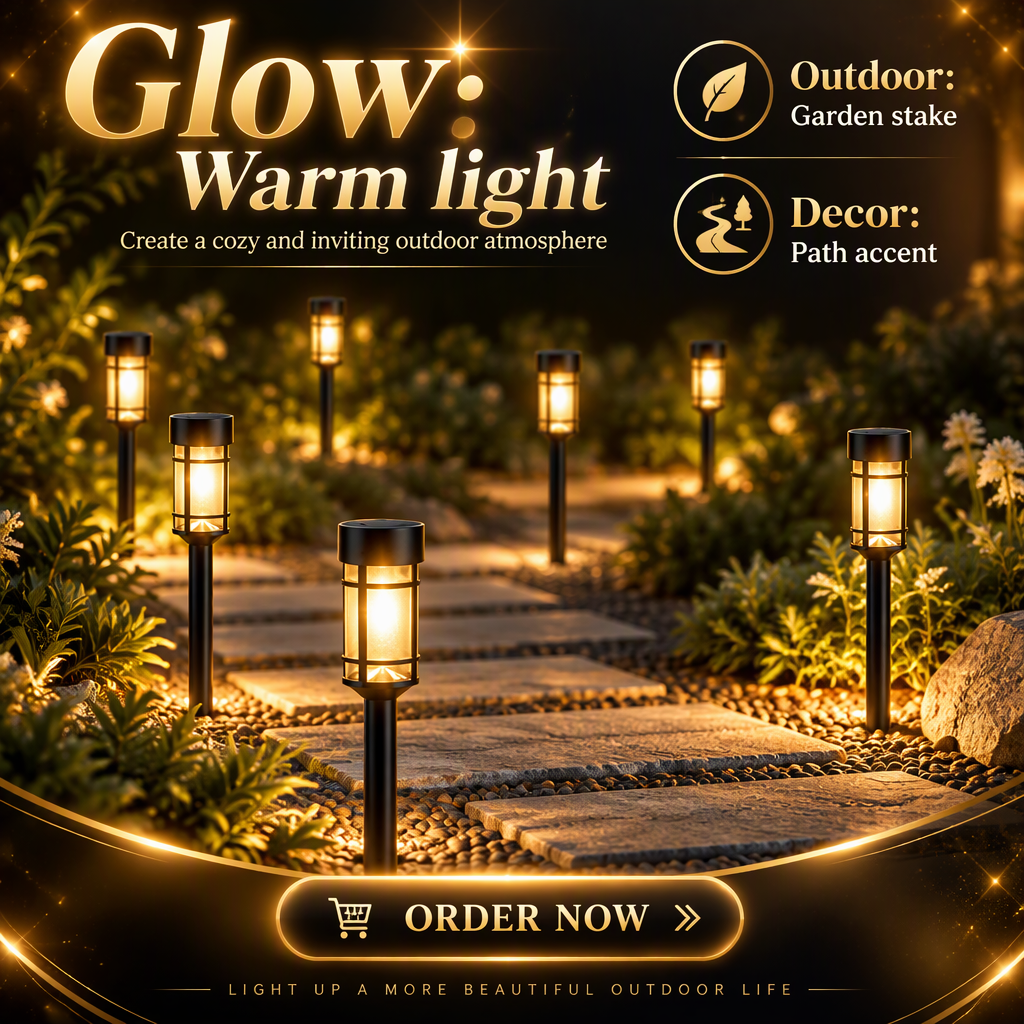
IP65 Waterproof Outdoor LED Solar Garden Lights Battery Motion Sensor Road Pastoral Style Warm White Decorative RoHS Certified
PIR Active Sense
Solar Harvester
RoHS Compliant
Technical Whitepaper & Industrial Analysis
Engineering Paradigms of China’s Bicycle Spoke Light Export Ecosystem
The global micro-mobility safety landscape is undergoing a structural transition. Bicycle visibility systems, historically relegated to rudimentary passive spoke reflectors (CPSC 16 CFR Part 1512 / ISO 6742-2 standards), have transformed into highly active, dynamic electro-optical hardware. Importers, cross-border e-commerce brands, and Tier-1 cycling accessory distributors sourcing from China must navigate a technical domain defined not merely by plastic molding, but by dynamic centripetal stabilization, persistence-of-vision (POV) digital logic, vibration-damped battery topologies, and strict international compliance standards.
As Shenzhen FEXA Technology Co., Ltd. (operating advanced R&D since 2008), our production engineering demonstrates that spoke-mounted luminaires experience mechanical stressors absent in standard handlebar or seat-post lights. A 29-inch wheel traveling at 35 km/h imparts continuous centripetal accelerations exceeding 30G to 45G upon any component affixed to spoke cross-sections. Failure to compensate for these continuous rotational loads produces electrical contact chatter, solder fatigue at the surface-mount device (SMD) interface, structural displacement, and catastrophic moisture ingestion through distorted elastomer gaskets.
1. Micro-Optics, Persistence of Vision (POV), and Dynamic Visibility
Modern bike spoke lights function across two primary optical domains:
- 360-Degree Active Peripheral Lighting: Utilizing wide-angle SMD LED emitters (typically 120° to 140° Lambertian profiles) housed inside optical-grade Polycarbonate (PC) diffusers. The engineering challenge is eliminating dark-angle deadbands while directing illumination perpendicular to the line of travel to maximize lateral sightlines for crossing motor vehicles.
- Programmable POV Dynamic Projection: High-density arrays of RGB or monochrome LEDs synchronized via integrated Hall-effect magnetic switches or multi-axis MEMS accelerometers. By reading rotational velocity in real-time, the onboard microcontroller (MCU) recalculates timing pulses so that static graphics, directional indicators, or animated logos render sharply between rotational velocities of 12 km/h and 40 km/h.
| Evaluation Parameter | Tier-1 China Exporter Spec (FEXA Standard) | Commodity / Low-End Market Spec | Engineering Impact on End-User Defect Rates |
|---|---|---|---|
| Enclosure Structural Polymer | Bayer/Sabic High-Impact UV Polycarbonate (PC) | Recycled Polystyrene (PS) or Low-Grade ABS | Prevents brittle micro-fractures under UV exposure and 35G centrifugal load. |
| Ingress Protection Rating | IP65 to IP67 Sonic-Welded with O-Ring Gaskets | Unsealed Snap-Fit (IPX2 equivalent) | Guarantees hermetic sealing against pressurized road water, mud, and detergent. |
| Battery Assembly Architecture | Direct-Soldered Li-Po pouch with NTC thermistor | Loose coin-cell (CR2032) mechanical spring clip | Eliminates open-circuit intermittent failure from road vibration and spoke chatter. |
| Optical Drive Circuitry | Constant-Current Linear Regulated IC | Direct Battery-to-LED Resistor Ballast | Maintains uniform luminous output over the battery discharge curve (4.2V to 3.0V). |
2. The Future of Global Procurement: Directives, Battery Safety, and Traceability
Procurement directors in North America, the European Union, and Australasia are confronting stringent customs surveillance and consumer product safety regulations. The era of shipping low-cost, uncertified battery-operated plastic goods is over. Moving forward, sustainable distribution models require strict adherence to evolving international benchmarks:
- EU Battery Regulation (EU) 2023/1542: Importers sourcing active wheel lights must certify end-user battery replaceability or ensure closed-loop recycling pathways. Li-ion and Li-polymer cells must carry complete IEC 62133-2, UN 38.3, and MSDS documentation ready for customs clearance.
- WEEE and RoHS Compliance: Enclosure materials, PCBs, lead-free solders, and flame-retardant chemistry must be verifiably free of hazardous substances via certified third-party testing (SGS/Intertek/TUV).
- Dynamic Road Traffic Mandates: While primary forward headlights face specific cutoff beam criteria (such as Germany’s StVZO TA23), auxiliary lateral illumination must not emit disorienting high-frequency strobes directly into driver eye levels. Forward-looking importers are shifting toward continuous luminescent rings and smart motion-activated cutoffs that power down automatically during daytime cruising.
3. Technological Trajectories: Smart BLE, Self-Harvesting, and Integrated Safety
Our OEM/ODM engineering division is tracking several dominant design shifts shaping future spoke light demand:
- Kinetic & Magnetic Induction Harvesting: Integrating spoke-mounted neodymium magnets with micro-coil stator modules mounted on fork arms to harvest electromagnetic energy, powering ultra-bright warning lights without needing battery replacement or plug-in charging cables.
- App-Enabled Bluetooth Mesh Synchronization: Pairing spoke modules with handlebar controls or smartphone interfaces, enabling automated turn indication, deceleration-triggered emergency flash sequences, and unified fleet asset tracking.
- Ultra-Low Power MEMS Activation: Transitioning from mechanical vibration springs to ultra-low idle micro-ampere 3-axis sensors, extending standby battery life beyond 180 days while ensuring immediate illumination upon the first wheel rotation.
Institutional Manufacturing
Enterprise Advantages of Shenzhen FEXA Technology
Onsite-audited manufacturing infrastructure, proprietary tooling, and strict ISO-aligned quality verification designed to protect global brand reputations.
15+ Years Engineering Heritage
Continuous operational history since 2008 in high-lumen bike lighting, ruggedized optoelectronics, precision CNC aluminum tooling, and custom MCU firmware creation.
Intertek Onsite-Verified Facility
Independent third-party verification of our 2,582 m² workshop, cleanroom assembly lines, calibrated testing stations, and integrated export trading management.
Rapid Turnaround & Low-MOQ Samples
Support for sample-based evaluation, customized housings, laser-engraved client trademarks, and trial batches designed to validate local consumer response before high-volume capital commitment.
CE, FCC & Patent Protection
Comprehensive electromagnetic and safety compliance documentation available for all product series, backed by distinct European Union design patents.
Amazon FBA & Retail Fulfillment
Turnkey packaging solutions: custom barcode and FNSKU labeling, drop-tested master export cartons, and direct freight forwarding to global distribution networks.
Full Ecosystem Consolidation
Streamline your supply chain by sourcing spoke lights, handlebar front lights, smart remote-steering taillights, and outdoor headlamps under a single QA standard.
Procurement Intelligence
Frequently Asked Questions: Global Sourcing & Compliance
Direct technical answers addressing the operational, financial, and engineering questions faced by cycling accessory buyers.
What prevents bike spoke lights from dislodging or shattering at high rotational speeds? +
Quality spoke lighting relies on two engineering factors: structural center-of-mass balancing and mechanical fastener architecture. At rotational speeds above 30 km/h, eccentric loads can induce severe spoke fatigue and deflection. We utilize balanced structural layouts, mounting modules near the hub center-plane or employing low-profile polycarbonate chassis fastened across three spoke contact points via engineered snap-grooves or high-tensile silicone brackets. Housings are molded from virgin polycarbonate (PC) rather than generic ABS to withstand sub-zero temperature impacts without cracking.
How do you resolve moisture ingress during wet weather and high-speed cycling? +
Wheel-mounted components face continuous pressurized spray from wet pavement and road grit. Generic snap-together casings fail rapidly under dynamic water immersion. Our products utilize ultrasonic polymer welding along sealed seams or closed-cell custom silicone gaskets compressed by stainless steel machine screws, achieving verified IPX5, IPX6, or IP67 ingress protection. Rechargeable variants feature deep-seated silicone port plugs or integrated magnetic pogo-pin charge contacts that prevent capillary water entry into the battery housing.
What is the minimum order quantity (MOQ) for custom logo printing and private-label packaging? +
To assist brands in testing new SKUs with controlled inventory risk, we maintain flexible MOQ tiers. Standard neutral inventory or sample orders can be dispatched for validation with zero minimum. For custom laser-engraved or pad-printed client logos, our starting threshold is 200 to 500 units per model. For fully customized retail packaging (custom color boxes, CMYK blisters, custom inserts), typical batch production starts at 1,000 to 2,000 units. Full custom tooling (custom plastic injection molds and proprietary PCB design) is evaluated on an individual project basis.
What battery certifications and test reports are provided for overseas customs clearance? +
Every lithium-ion and lithium-polymer powered product supplied by FEXA ships with a complete international compliance dossier. This includes UN 38.3 test summaries, 1.2-meter drop test reports, Material Safety Data Sheets (MSDS), and IEC 62133 safety certificates. In addition, finished models are verified against CE (EMC/LVD directives) and FCC Part 15 subpart B standards, ensuring unhindered port customs entry and full eligibility for listing on Amazon, eBay, and regional e-commerce marketplaces.
How does FEXA manage production quality control (QC) across large volume runs? +
Our QC methodology follows three operational gates: Incoming Quality Control (IQC) tests bare LEDs for color temperature and forward voltage consistency, while evaluating raw battery batches for internal impedance; In-Process Quality Control (IPQC) inspects automated SMT solder quality and verifies waterproof seal integrity; and Final Quality Control (FQC) subjects 100% of finished assemblies to electrical burn-in testing, multi-frequency vibration simulation, and random water-submersion batch audits prior to carton sealing. Third-party commercial inspection teams (SGS, Intertek, V-Trust) are welcome at our Shenzhen facility.
What payment terms, trade terms, and logistics channels are supported? +
We support standard international trade terms including FOB (Shenzhen/Hong Kong/Guangzhou), CIF, CFR, and EXW, along with door-to-door DDP arrangements for domestic warehouse and Amazon FBA fulfillment centers. Accepted payment methods encompass Wire Transfer (T/T), Letter of Credit (L/C at sight), PayPal for prototyping batches, and Western Union. Standard production lead times run between 15 and 28 calendar days depending on customization requirements.
Ready to Expand Your Bicycle Lighting Program?
Consult with our optoelectronic design and manufacturing engineers today. Request model datasheets, photometrics, OEM branding mockups, and fast sample dispatch.