Solar & Yard
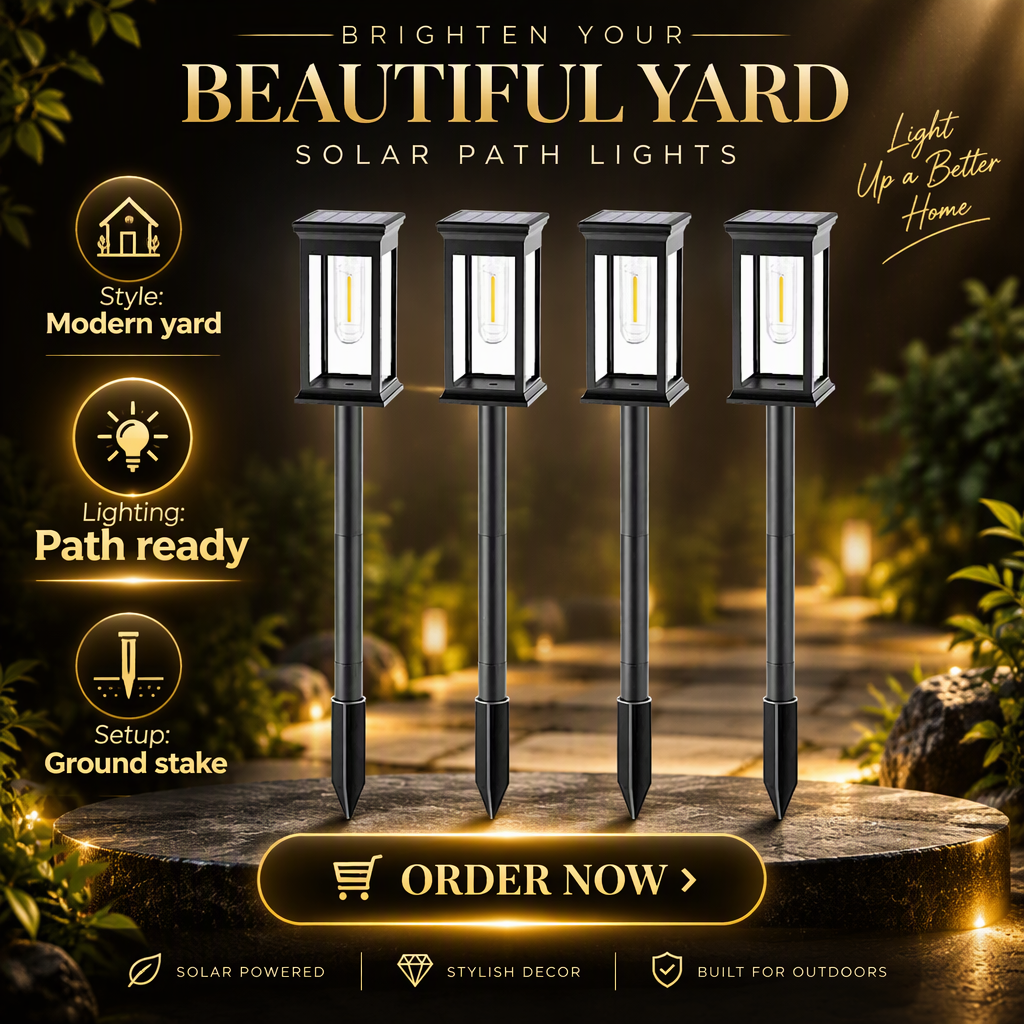
Solar 5W Warm White LED Pathway Lights Waterproof IP65
IP65 Waterproof
5W High-Flux
ROHS Certified
Precision-engineered illumination systems designed for global importers, automotive-aftermarket brands, cycling distributors, and top e-commerce retailers. Fully customizable with sample-ready prototypes.
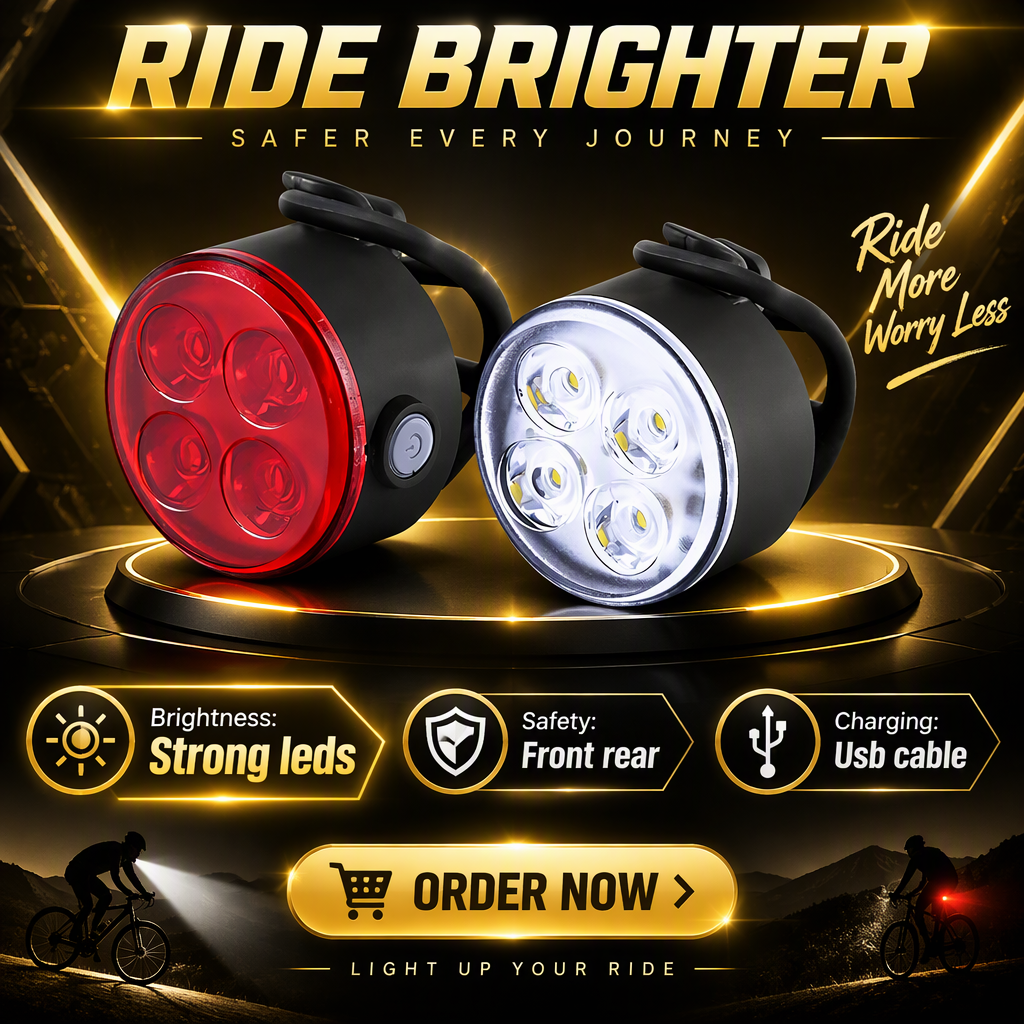
The global bicycle illumination sector has undergone a fundamental paradigm shift. What was once treated as a generic, low-voltage injection-molded accessory has evolved into a life-critical, electronically sophisticated safety component. Driven by international micro-mobility surges, stricter road-traffic regulations (such as Germany's rigorous Straßenverkehrs-Zulassungs-Ordnung / StVZO), and the rapid expansion of performance cycling, global brands are demanding substantially higher optical clarity, battery management sophistication, and active kinetic sensing.
China—and specifically the Greater Bay Area manufacturing corridor encompassing Shenzhen and Dongguan—represents more than 85% of worldwide bicycle rear light research, rapid tooling, surface-mount technology (SMT) assembly, and final compliance validation. Sourcing directly from verified Chinese original design manufacturers (ODMs) and original equipment manufacturers (OEMs) allows procurement teams to secure substantial cost efficiencies while accessing state-of-the-art optical engineering, in-house CNC aluminum thermal housings, ultrasonic polymer hermetic sealing, and intelligent firmware-driven sensor suites.
Tier-1 manufacturers prioritize custom Total Internal Reflection (TIR) optics, engineered Fresnel zones, and COB (Chip-on-Board) substrate arrays. Unlike rudimentary diffuser plates, TIR collimators eliminate blinding glare while spreading wide-angle lateral illumination (>220° arc) up to 1,500 meters to ensure maximum peloton and vehicular visibility.
Modern high-end bicycle rear lights feature integrated 3-axis or 6-axis MEMS accelerometers coupled with proprietary Kalman-filter firmware. This enables the MCU to distinguish deliberate braking deceleration from road chatter, cobblestone vibration, or steep inclines, automatically boosting illumination to 100+ lumens for 3 full seconds.
Given the direct spray zone off bicycle rear tires, water ingress is the primary cause of field returns. Leading suppliers implement ultrasonic welding on Bayer PC/ABS composite casings, double O-ring silicone compression gaskets, and hydrophobic membranes over the USB Type-C charging port to guarantee IPX6 to IPX8 resilience.
Procurement teams must align electronic and optical bills of materials (BOM) with target retail segments. Below is an engineering benchmark outlining typical technical specifications delivered across Chinese OEM manufacturing lines:
| Tier / Target Segment | Luminous Output (Steady/Burst) | Optics & Beam Spread | Battery Capacity & Type | Kinetic & Smart Sensors | Target Certifications |
|---|---|---|---|---|---|
| Urban Commuter Entry | 15 – 30 Lumens | Wide COB array, 180° visibility | 250 – 400 mAh Li-Po pouch | Auto-sleep after 5 min idle | CE, FCC, RoHS, REACH |
| Road Performance & Gravel | 40 – 80 Lumens (Burst 120LM) | TIR Collimator + side light guides (220°) | 500 – 800 mAh Grade-A cell | 3-Axis accelerometer brake detect | CE, FCC, ISO 6742-1 |
| German StVZO Regulated | Defined Candela (Non-flashing) | Sharp horizontal cut-off, zero glare | 500+ mAh with BMS state-of-charge | Ambient twilight light sensing | K-Mark (StVZO §67), CE |
| Smart Connected / Radar Class | 80 – 150+ Lumens | Precision matrix with dual-zone optics | 1200 – 2000 mAh 18650 / Li-Po | 24GHz Radar / ANT+ / BLE 5.0 sync | FCC-ID, RED, CE, UKCA |
Strategic forecasting for supply chain directors, category managers, and private-label brand executives looking to de-risk sourcing roadmaps.
Over the next 36 months, millimeter-wave (mmWave) 24GHz and 77GHz rear-facing bicycle radar technology is shifting from high-end niche devices to mainstream consumer expectation. Chinese ODM factories are already integrating compact radar chipsets directly into rear light enclosures, enabling tail lights to track approaching vehicular velocity from up to 140 meters and modulate light flash frequency dynamically to alert distracted motorists.
While chaotic high-lumen strobe modes were historically popular in North America and Australasia, regulatory bodies are actively aligning with European anti-glare requirements. Municipalities are restricting erratic strobes that disorient oncoming road users. Importers are increasingly specifying unified optical models equipped with dual-firmware configurations—allowing software switching between EU-compliant continuous illumination and international daytime warning pulses.
The passage of the new EU Battery Regulation (Regulation 2023/1542) mandates that portable batteries in light transport and electronic products be easily removable and replaceable by consumers by 2027. Chinese forward-thinking manufacturers are phasing out glued-shut ultrasonic assemblies in favor of micro-screwed, high-compression gasket designs that allow battery replacement without compromising IPX7 waterproofing.
Contemporary procurement strategies no longer hinge purely on unit price; landed cost agility and inventory velocity dictate market survival. Advanced Shenzhen manufacturers have restructured production models to offer low-MOQ pilot runs (300 to 500 units for branded laser etching and packaging customizations), while maintaining automated high-speed SMT capacity to scale to 100,000 units monthly upon demand. Dual-sourcing of electronic microcontrollers (STM, Microchip, and Tier-1 domestic equivalents) ensures zero assembly halts even during semiconductor allocation bottlenecks.
Founded in 2008, Shenzhen FEXA Technology combines fifteen years of dedicated optoelectronic innovation with rigorous third-party verified manufacturing capability.
Our factory floors, engineering offices, and production workshops have been rigorously inspected onsite by Intertek. We maintain comprehensive CE, FCC, RoHS certifications and hold proprietary EU Design Patents protecting our OEM partners from market infringement.
By controlling in-house CNC aluminum machining and laser marking facilities, FEXA shortens customized tooling turnaround to 7–10 business days. Aerospace-grade 6061 aluminum alloy housings offer superior thermal heat-sinking and long-term durability over cheap molded plastics.
From sample validation and low-MOQ trial orders to automated retail-box printing, bespoke blister packaging, barcoding, and FNSKU palletization, we provide frictionless logistics to FBA fulfillment centers across Europe, North America, Southeast Asia, and Oceania.
Direct engineering and commercial answers to resolve due-diligence concerns before initiating OEM/ODM sample requests.
Whether you are launching a proprietary smart radar rear light, refreshing your commuter accessories for retail, or scaling e-commerce distribution, our engineering team in Shenzhen is ready to turn your product brief into market-dominating hardware.