Verified OEM/ODM Factory Portal
CE Certified High Power Flashlight Factories & Supplier
Precision Engineering, Robust Photometric Testing, and Compliant Portable Illumination Systems Designed for Global Brands and Professional Importers.
Procurement Portfolio
Engineered High-Power Illumination & Systems
Tested against rigorous industrial benchmarks. Explore factory-direct units designed for high-lumen reliability, extreme duty cycles, and global regulatory conformance.
Industrial Safety
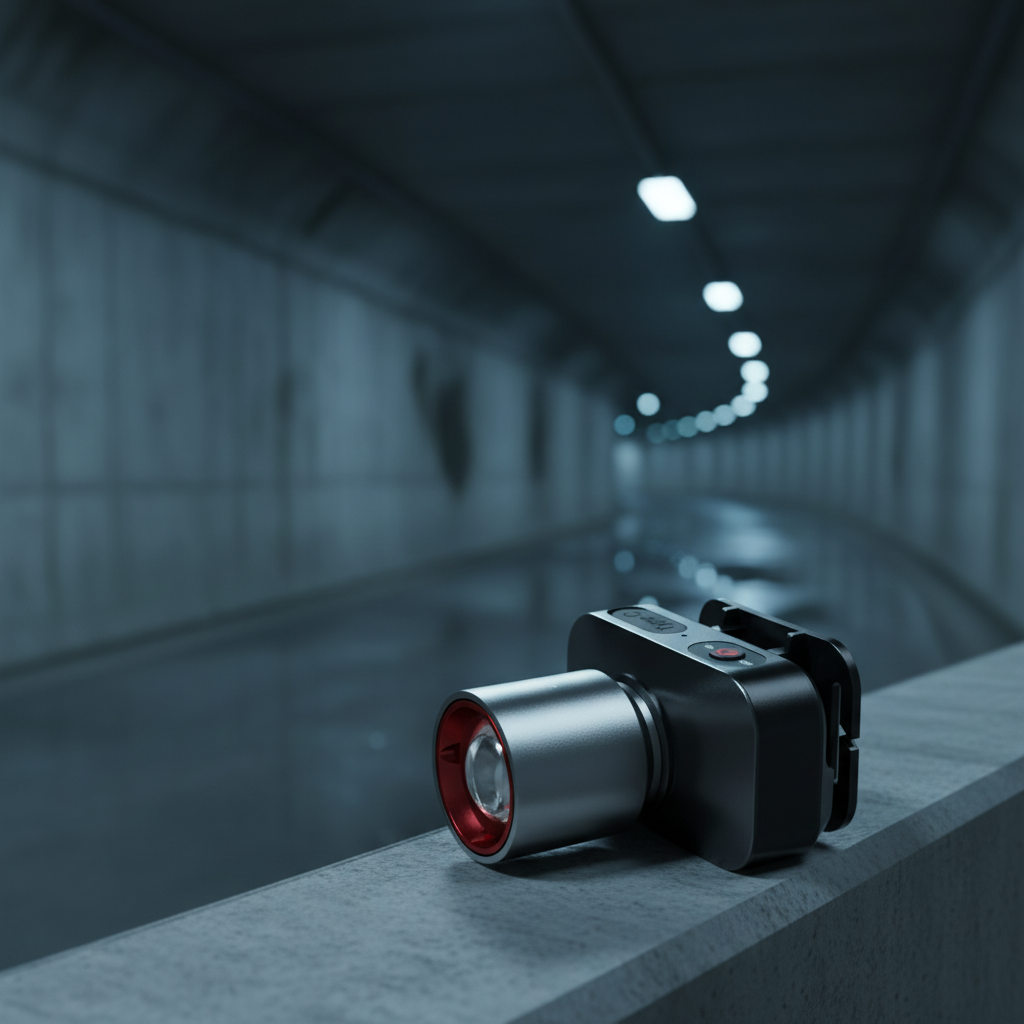
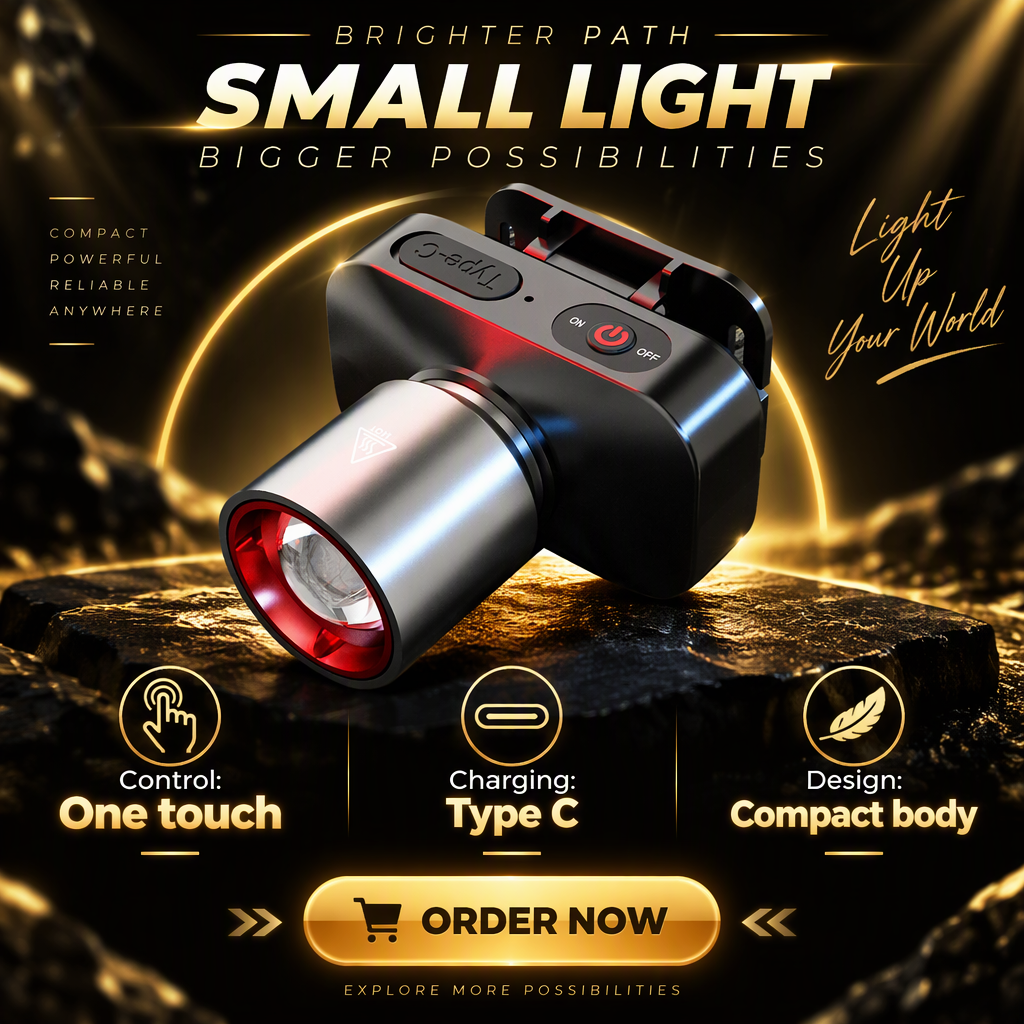
Custom Super Bright COB LED Waterproof Corded Rechargeable Adjustable Beam Safety Explosion-Proof Miners Helmet Cap Lamp
Explosion Proof
Inquire Now
Specialty Outdoor
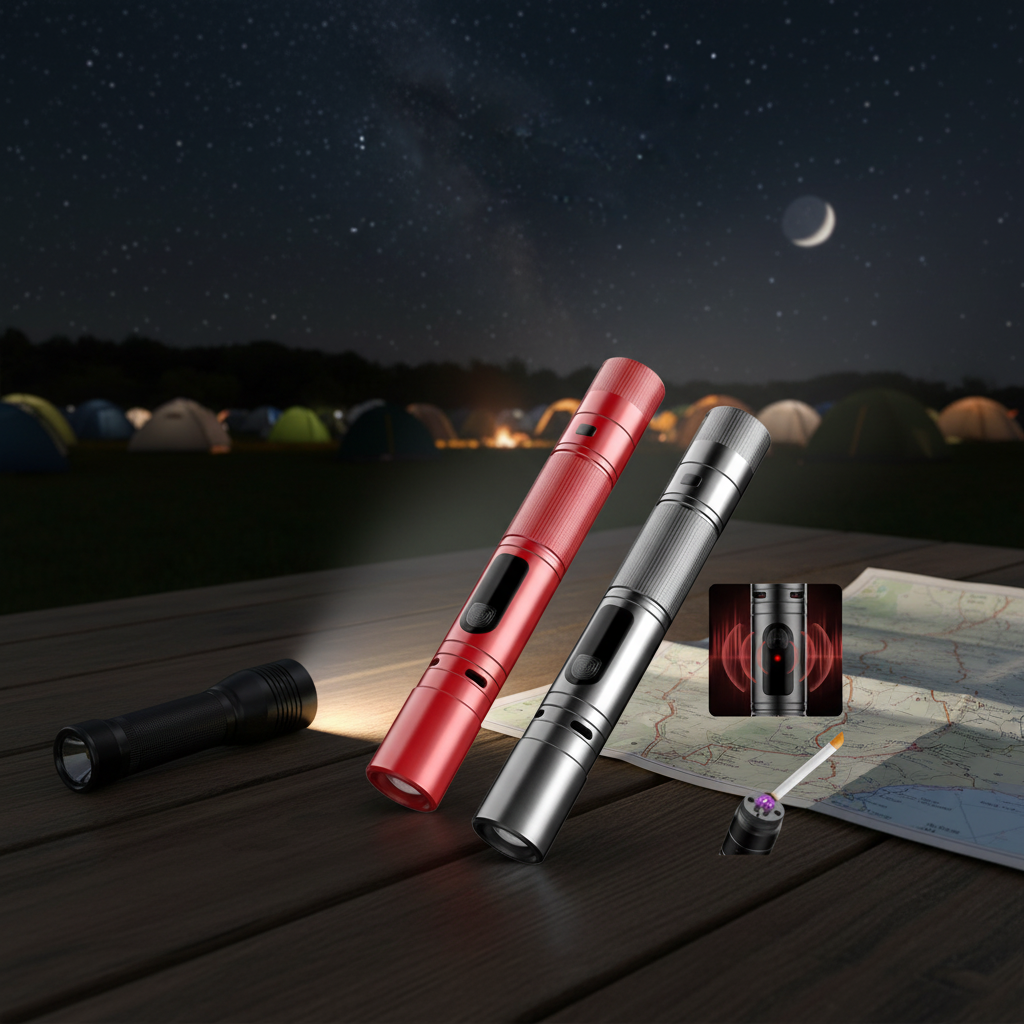
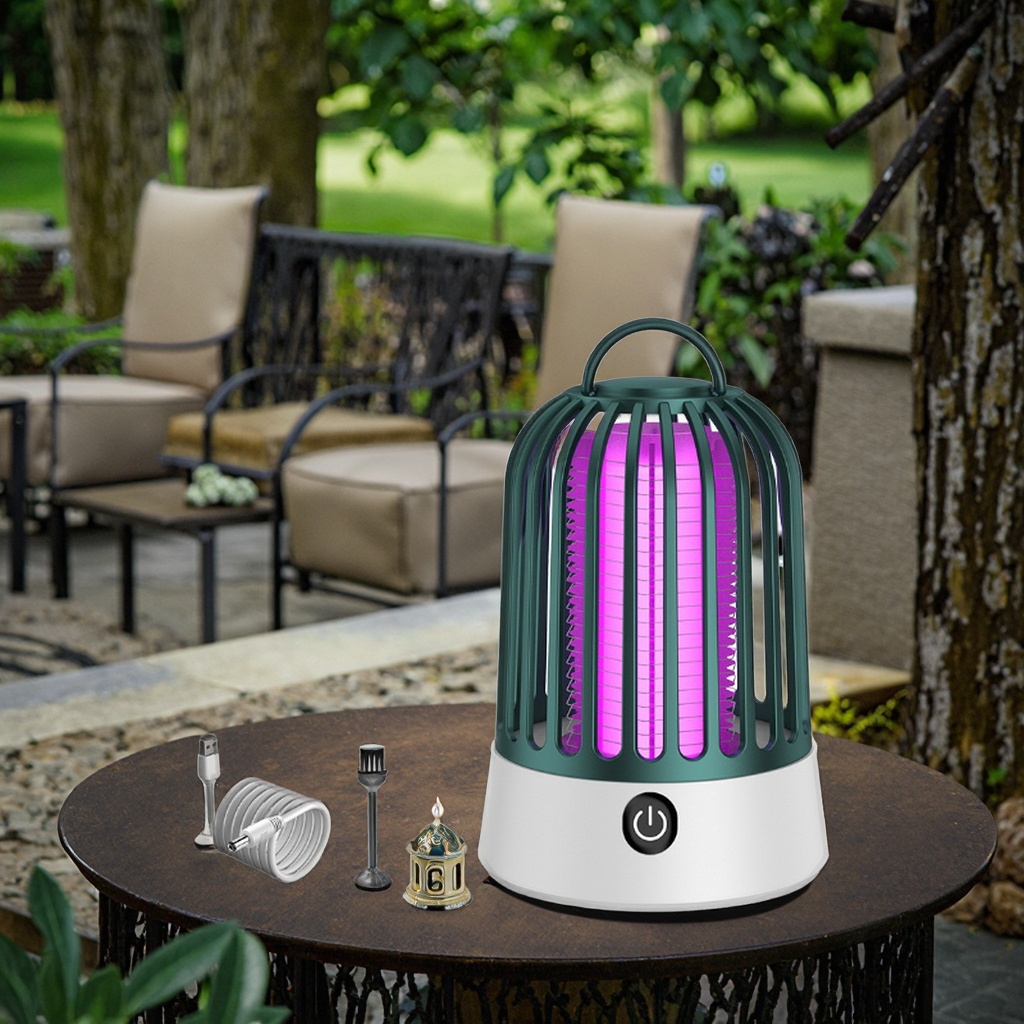
Electric LED Killer Bug Zapper Racket Portable Outdoor & Indoor Mosquito & Fly Trap Battery Included IP33 Rated PURPLE Light
Multi-Function
Inquire Now
Executive Industry Analysis
Future Procurement Trends in High-Power LED Hardware
Strategic data for supply chain directors, category managers, and private-label distributors navigating compliance mandates, thermal boundaries, and next-generation emitter architectures.
Solid-State LEP & Micro-LED Integration
B2B procurement is transitioning rapidly beyond conventional CREE XML emitters. Tier-1 buyers demand LEP (Laser Excited Phosphor) crystal modules capable of exceeding 1,200-meter throw distances without excessive peripheral scatter. Integrating LEP with peripheral COB arrays creates hybridized tactical platforms offering dual near-field flood and ultra-long-range throw capabilities within a single hand-held chassis.
Strict CE, EMC & RoHS Supply Chain Verification
Regulatory scrutiny across the European Economic Area has rendered self-declarations obsolete. Professional wholesale channels require notified-body accredited certificates covering EN IEC 55015 for conducted emissions and EN 61547 for electromagnetic immunity. Premium flashlights must balance aggressive pulsed current outputs without producing driver harmonics that violate EU radio-interference directives.
Active Thermal Regulation (ATR) Architectures
Real-world high-output flashlight engineering is governed entirely by thermal dissipation physics. High-drain drivers generating 5,000 to 13,000 lumens produce intense junction heat within milliseconds. Forward-thinking procurement managers specify dynamic NTC thermistor closed-loop circuits that step down voltage dynamically rather than relying on crude hardcoded timed throttles, preserving diode longevity and structural integrity.
R&D Roadmap
Product Engineering & Technological Development Dynamics
Bridging optical efficiency, mechanical resilience, and intelligent embedded firmware in portable optoelectronics.
Next-Gen 21700/26650 Lithium Platforming
The legacy 18650 cell footprint is being rapidly phased out by commercial fleet purchasers in favor of high-capacity 21700 and 26650 high-drain Li-ion cells (rated for 30A-45A continuous discharge). Enhanced energy density supports true continuous high-lumen operation alongside PD3.0 Type-C bidirectional 18W–30W fast-charging capabilities, transforming tactical and emergency lights into functional power banks for mobile communications gear.
Aviation CNC Alloys & Hard Anodization
Structural reliability demands uncompromising metallurgical standards. Premier factories utilize AL6061-T6 or AL6063 aerospace aluminum alloys, precision-milled via multi-axis CNC machines and treated with Mil-Spec Type III hard-anodized oxidation. This production technique ensures structural impact resistance from 1.5 to 2 meters, anti-abrasion durability in salt-mist environments, and optimal conductive thermal pathways across body fins.
IP68 Submersible Sealing & Optic Coatings
True IP68 immersion performance is no longer achieved with simple rubber washers. Current engineering utilizes dual fluororubber O-rings, vacuum-sealed silicone gaskets, and hydrophobic micro-porous membrane vents that balance internal pressure fluctuations caused by sudden thermal shifts. Front lenses feature ultra-clear tempered glass with bilateral anti-reflective (AR) coatings, elevating optical transmittance to 98.5%.
Factory Verifiable Capabilities
Shenzhen FEXA Technology: 15+ Years Direct Manufacturing Authority
Founded in 2008 and established in Shenzhen's core optoelectronics corridor, Shenzhen FEXA Technology Co., Ltd. operates an integrated manufacturing and engineering facility audited onsite by Intertek. We develop high-intensity bicycle illumination systems, tactical flashlights, mining headlamps, and intelligent optical gear for premier importers across Western Europe, North America, Southeast Asia, and Oceania.
- In-house High-Precision CNC Machining Centers & Laser Engraving
- Full In-House Optical Goniophotometer & Thermal Cycle Stress Testing
- Turnkey CE, FCC, RoHS, and EU Design Patent Documentation
- Amazon FBA Ready: FNSKU Barcoding, Drop-Test Packaging & Mixed-SKU Orders
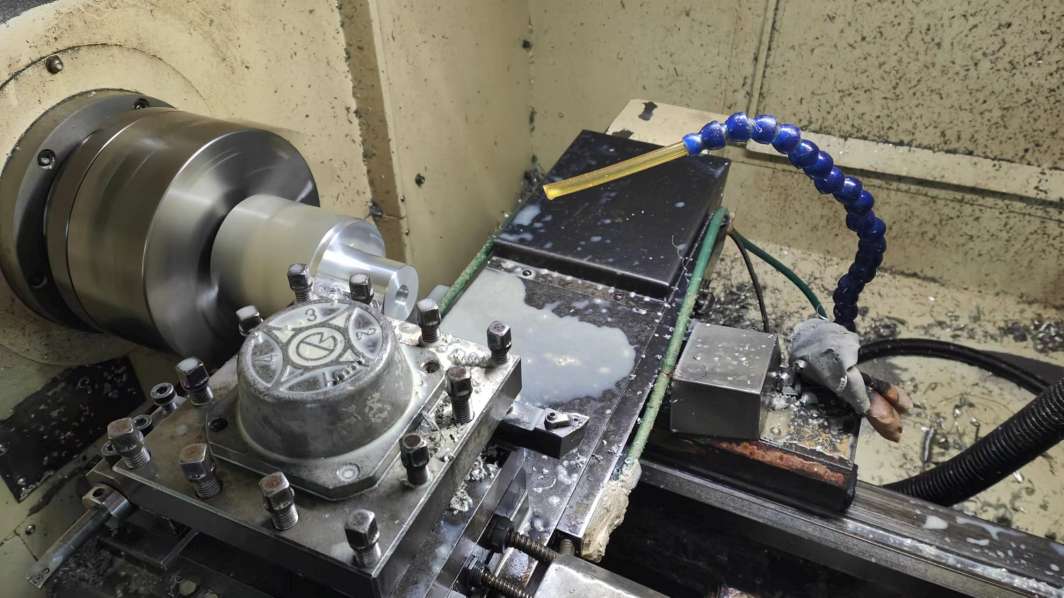 CNC Machining Center
Sub-micron tolerance engineering
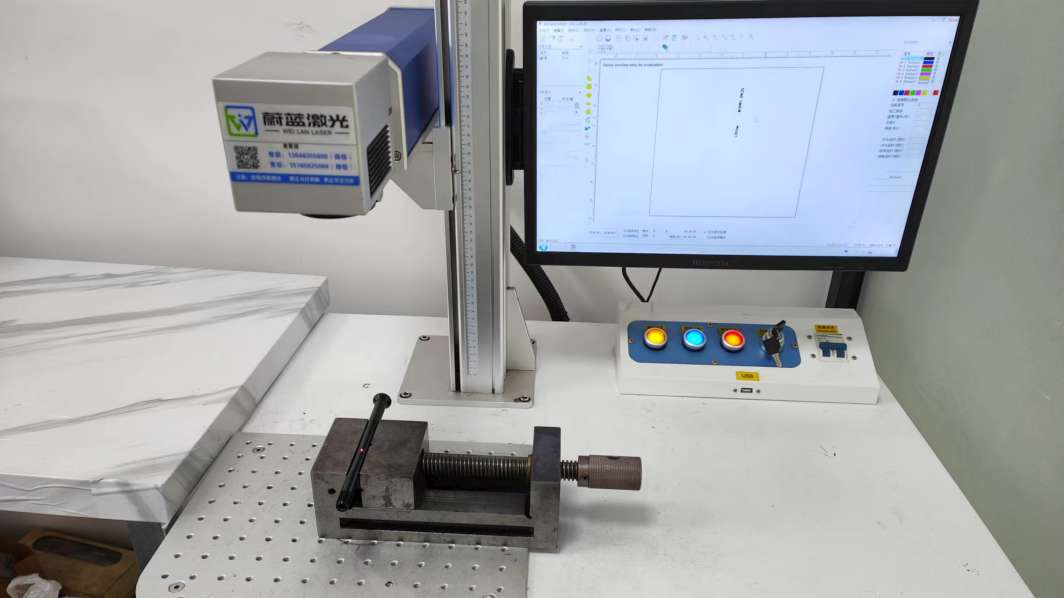 Laser Marking Unit
Permanent OEM logo engraving
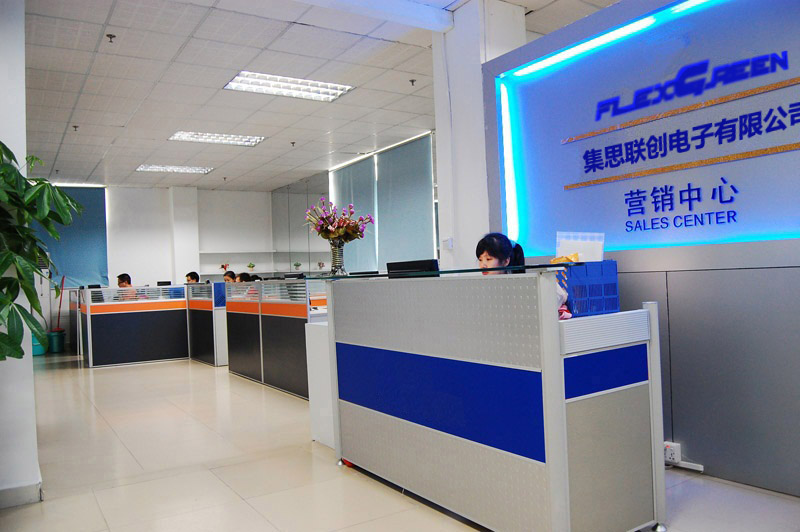 Cleanroom Assembly
ESD-safe PCBA handling lines
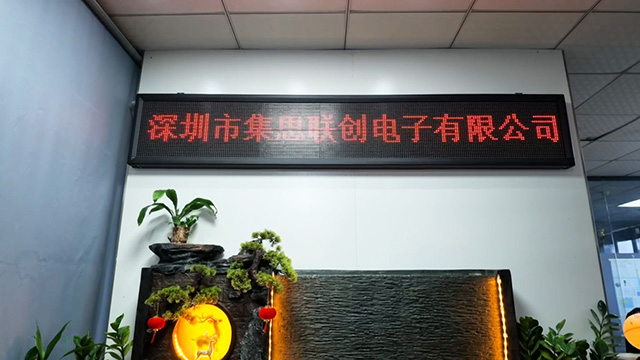 Intertek Onsite Checked
2,582 m² verified floor space
Procurement Directives
Frequently Asked B2B Technical & Sourcing Questions
Authoritative technical guidance compiled by senior optomechanical engineering and compliance leads.
How do you verify authentic CE certification versus generic factory self-declarations?
Genuine CE compliance for high-drain, high-power flashlights mandates adherence to the Electromagnetic Compatibility (EMC) Directive 2014/30/EU and the Low Voltage Directive (LVD) 2014/35/EU where internal voltages or charging interfaces apply. FEXA provides full test reports issued by independent, ISO/IEC 17025 accredited laboratories. We supply comprehensive verification matrices demonstrating that high-frequency switching drivers do not emit EMI interference that destabilizes surrounding communication equipment.
What prevents high-lumen flashlights from burning out under maximum output modes?
Thermal path management relies on three concurrent technologies: direct-to-copper thermoelectric separation PCBs (DTP MCPCB), thermal conductive interface materials rated above 6.0 W/m-K, and real-time microcontroller-driven Active Thermal Regulation (ATR). When internal temperature sensors detect core thresholds exceeding 55°C, the firmware gradually scales back the pulse-width modulation (PWM) duty cycle, preserving both the LED phosphor substrate and the lithium cell's chemical health.
What are the primary differences between ANSI FL1 lumens and advertised theoretical lumens?
Theoretical lumens are calculated using the LED chip manufacturer’s spec sheet under optimal, unhoused laboratory conditions (junction temperature at 25°C). ANSI/NEMA FL1 standards require measuring total luminous flux inside an integrating sphere between 30 and 120 seconds after turning the light on inside its production housing. FEXA quotes true ANSI/NEMA FL1 verified metrics, ensuring our B2B partners avoid customer returns, negative platform reviews, and false advertising penalties.
Can FEXA execute customized firmware programming and UI mode tuning for OEM projects?
Yes. Our in-house firmware engineers configure mode sequences (e.g., Low-Mid-High-Turbo, concealed tactical strobe, SOS, continuous smooth ramping), memory retention functions, and lockout settings. We program low-voltage step-down cutoffs and switch-indicator LED color logic to match your brand's technical specifications before mass assembly.
What is your protocol for battery safety, transit regulations, and cell certification?
All battery platforms supplied by our factory conform to UN38.3, IEC 62133, and MSDS safety shipping mandates. Cells feature internal safety vents, PTC thermistors, and integrated battery management systems (BMS) that defend against overcharge, over-discharge, reverse polarity, and short-circuit conditions. Complete DGR air and ocean transport documentation is provided with every shipment.
What minimum order quantities (MOQs) and lead times apply to custom-branded OEM runs?
Standard laser-etched OEM branding and custom packaging configurations generally start with a flexible MOQ of 500 to 1,000 units, while low-MOQ sample validation runs are available for field testing. Prototyping cycles take 7 to 12 working days, with mass production completed in 25 to 35 days, fully compliant with FOB, CIF, EXW, and direct Amazon FBA delivery workflows.