Production Portfolio
Industrial-Grade COB & Multi-Beam Illumination Systems
Explore production-ready platforms engineered for B2B distributors, e-commerce private brands, and industrial procurement. Every model is fully customizable across LED array binning, battery discharge profiles, CNC tooling, and compliance documentation.
Outdoor Trekking
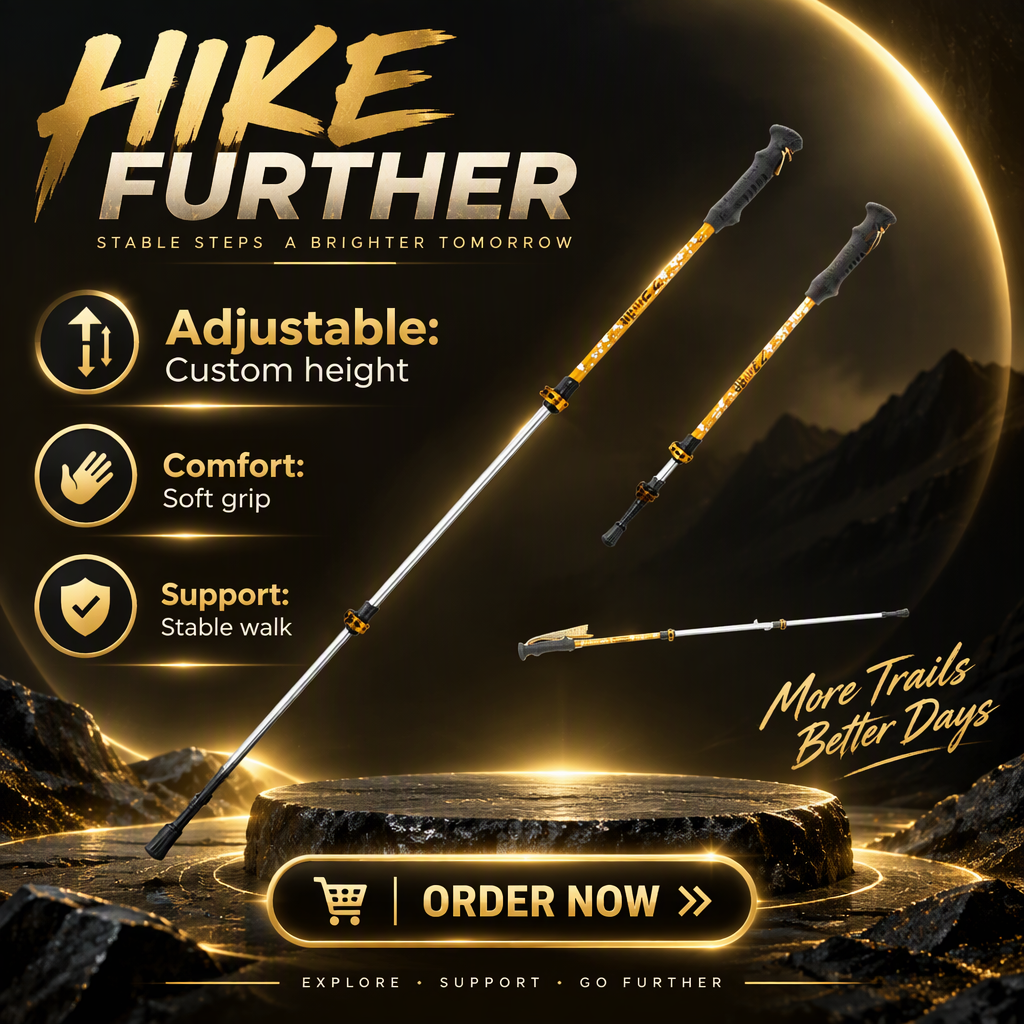
Tactical Trekking Gear
Lightweight 130cm Aluminum Alloy Collapsible Trekking Poles (2-Pack)
- 7075 Al-Alloy
- Tungsten Tip
- Quick Release
Smart Lighting
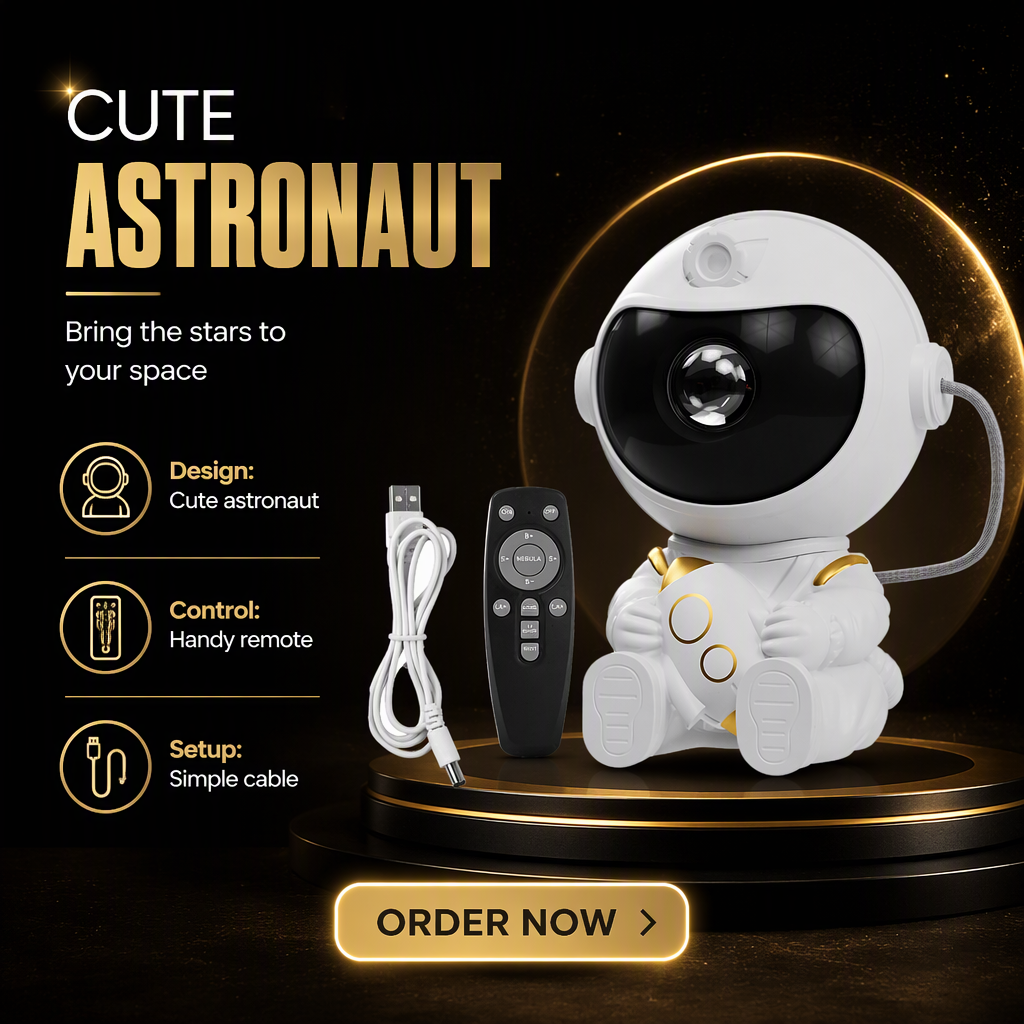
Projection Lighting
Starry Sky ABS LED 5V USB Dimmable Projector Lamp with Remote
- 5V USB-C
- RGB Multi-Color
- RF Remote
Ambient Series
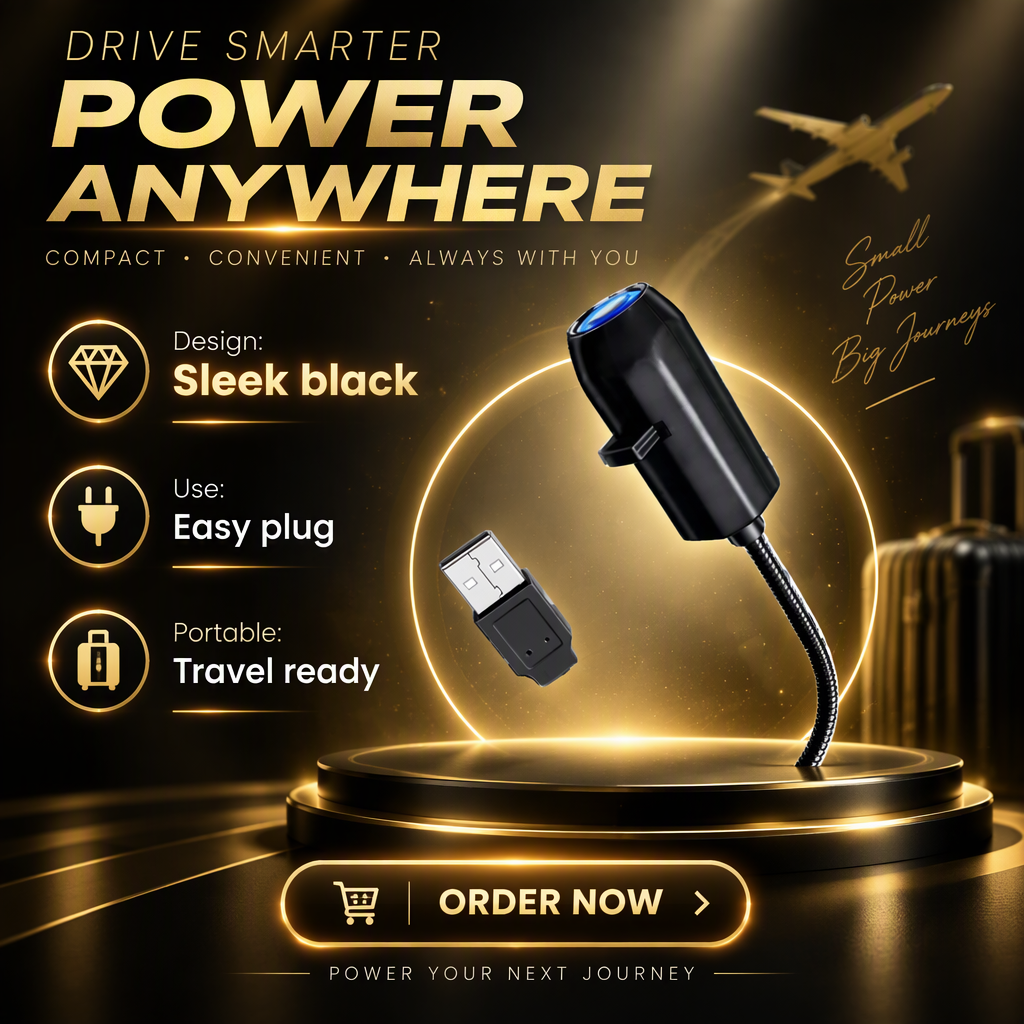
Decorative Accent
Control Mini 3500K Warm White Starry Sky Moon Lamp USB Powered
- 3500K CCT
- Low Consumption
- Custom Optics
High Lumen LEP
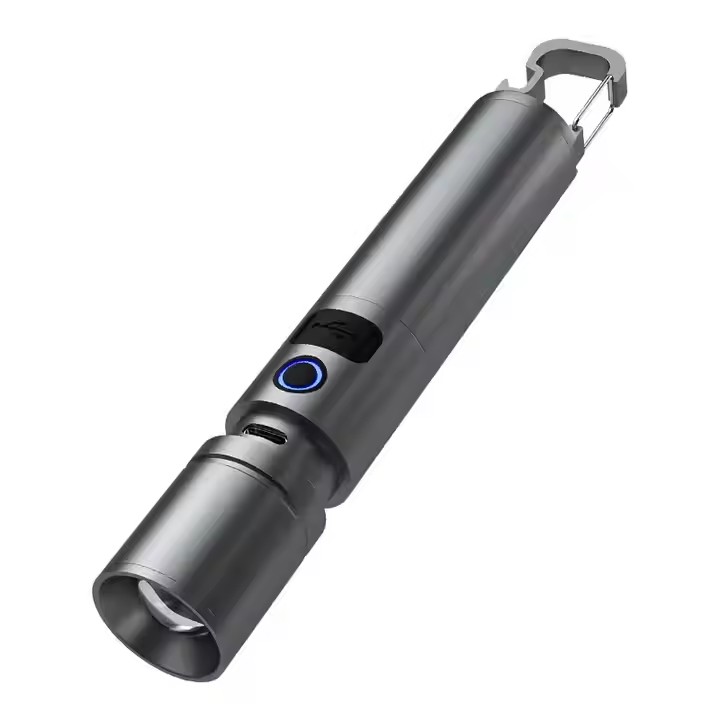
Tactical Flashlight
Zoomable High Brightness White Laser Flashlight with USB-C Power Bank
- LEP White Laser
- Power Bank Function
- 6061-T6 Body
Smart COB Matrix
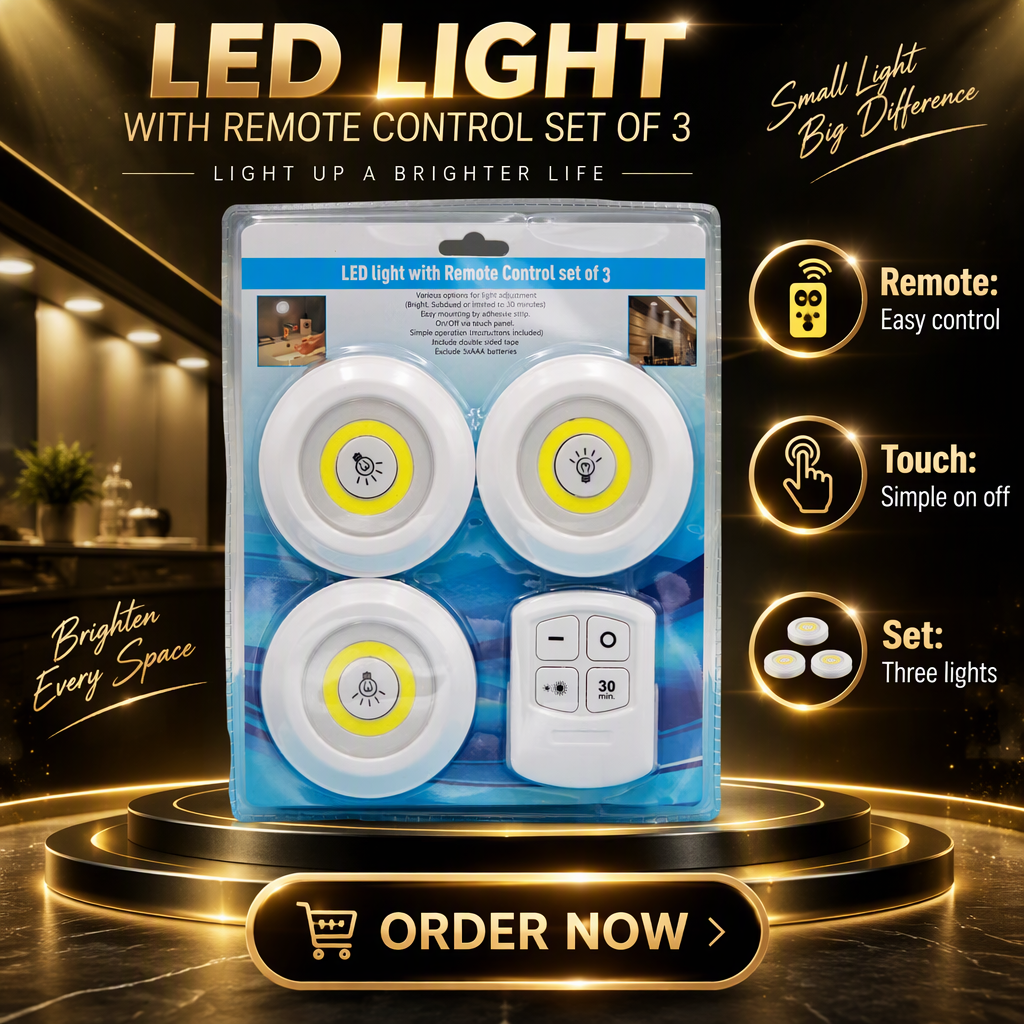
COB Surface Mount
COB LED Smart Touch & Remote Night Light (3000K-6000K Tunable)
- Tunable CCT
- Touch & RF Control
- Wide Diffusion
Bicycle System
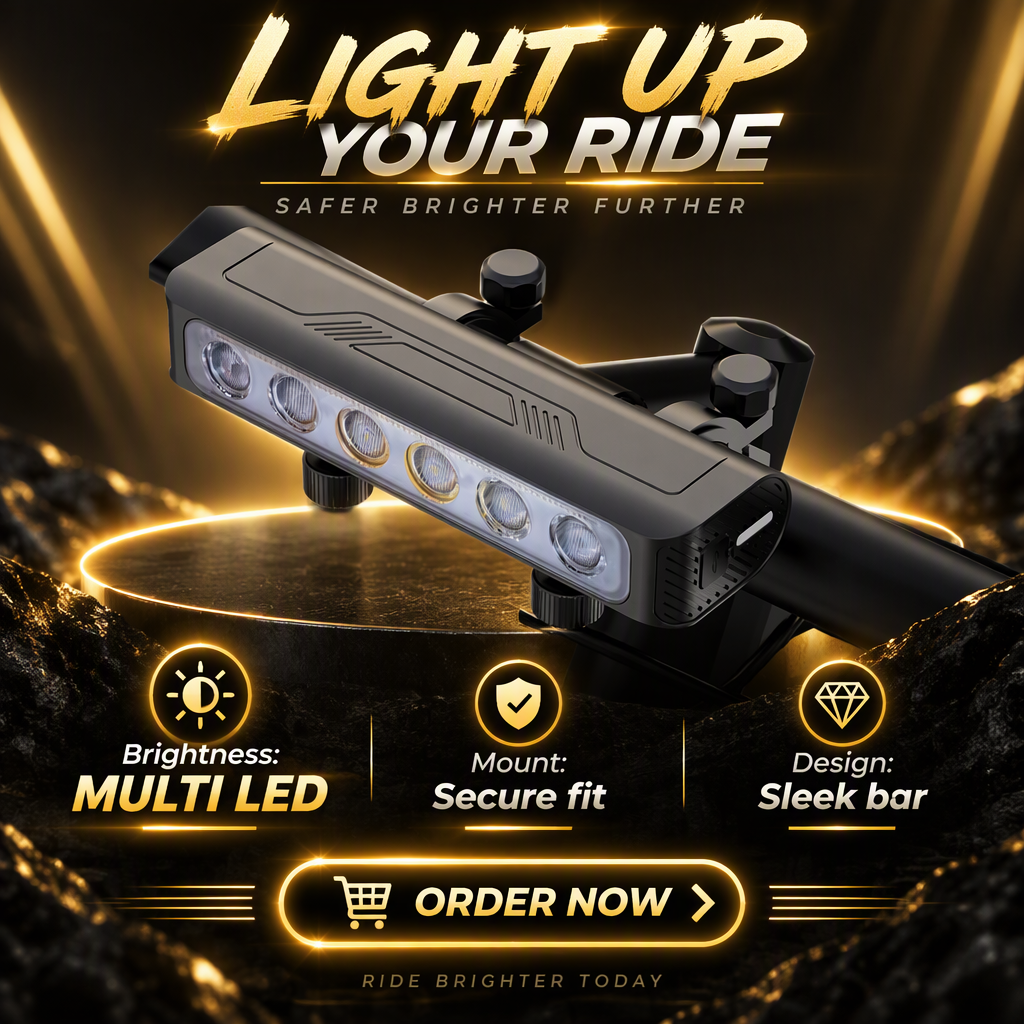
Commuter & MTB
5200mAh IPX5 Waterproof Aluminum Alloy 3-Mode Front Bicycle Light
- 5200mAh 18650
- IPX5 Waterproof
- Anti-Glare Cutoff
COB Inspection
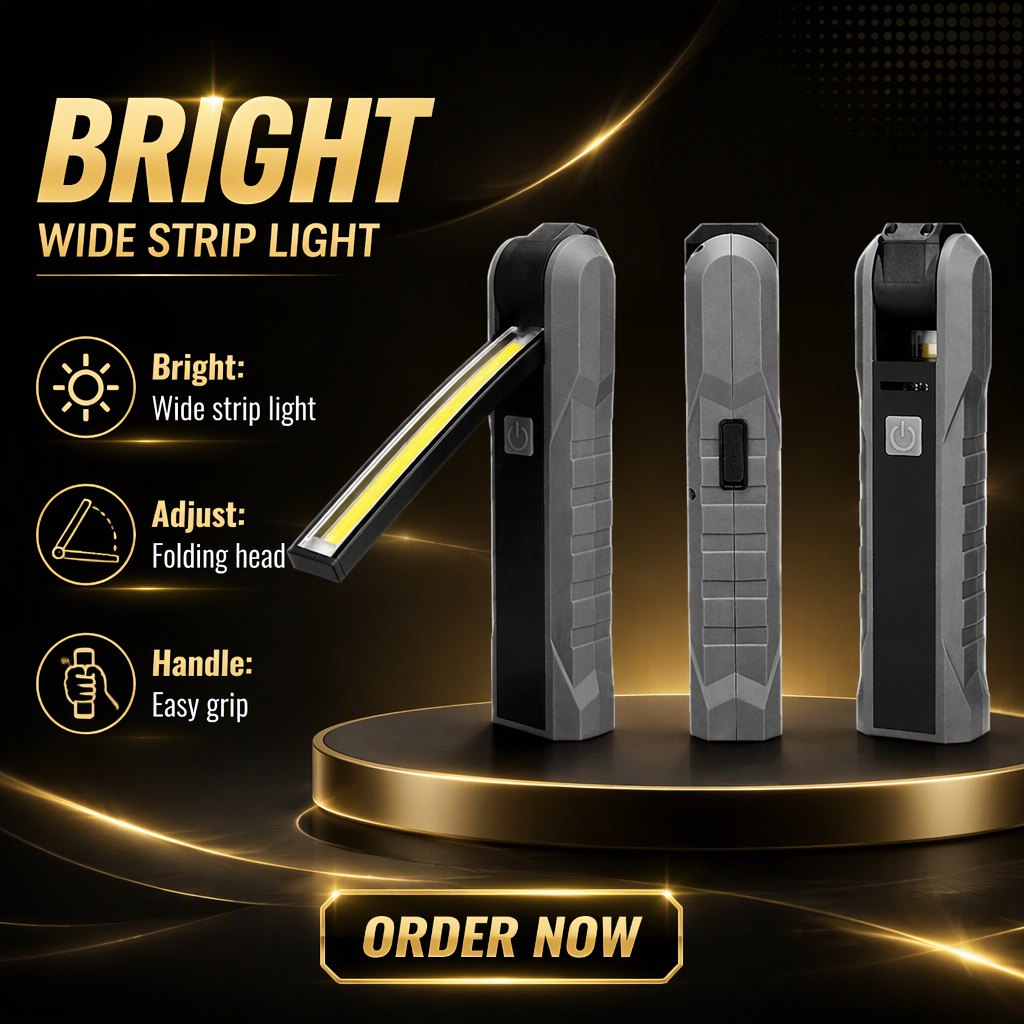
Industrial Inspection
Folding Multi-Functional Rechargeable COB Work Light IP55
- COB Flood Panel
- Magnetic Base
- 180° Swivel Bracket
Heavy-Duty Mount
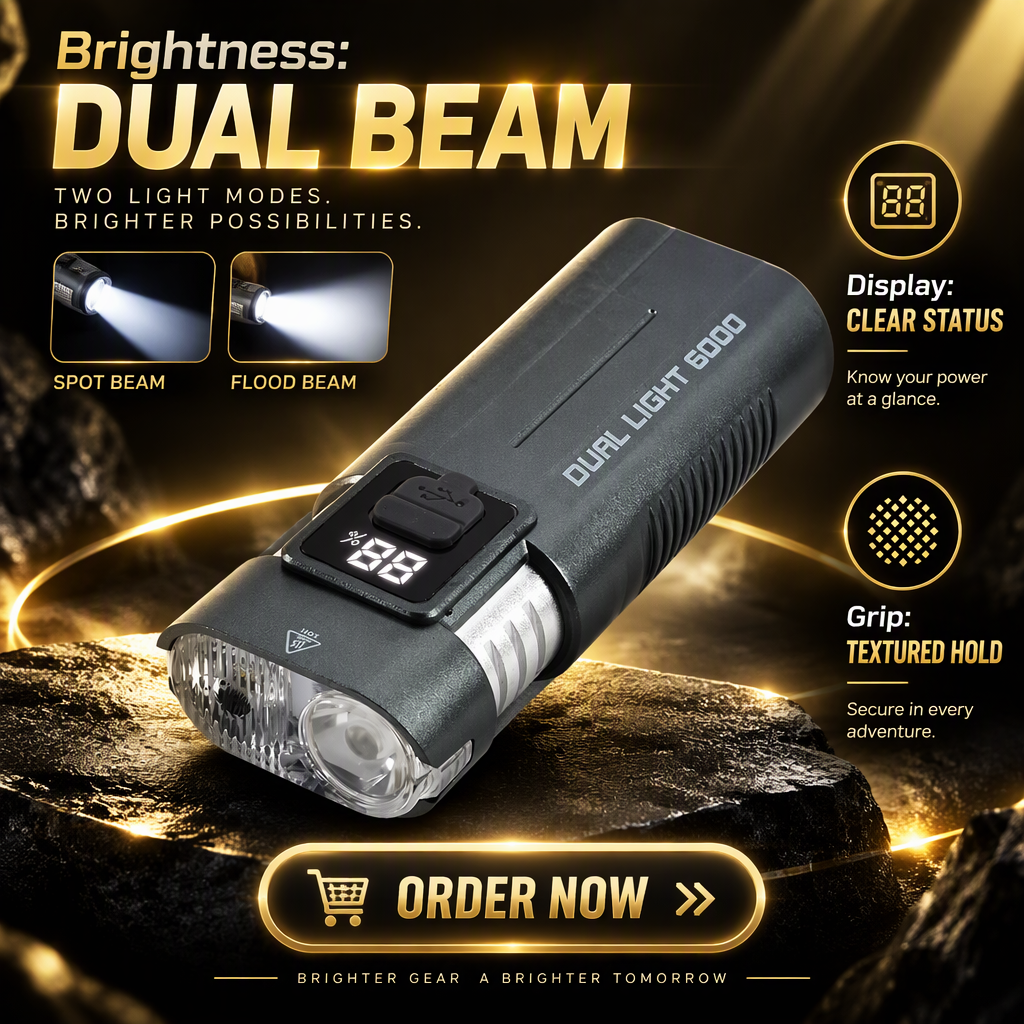
Cycling Headlight
Waterproof IPX6 Rechargeable Mountain Bike 4-Mode Handlebar Headlight
- IPX6 Submersion
- High-Yield Lumens
- Quick-Lock ABS
Regulatory & Engineering Whitepaper
CE Harmonization Architecture in High-Lumen COB Flashlight Manufacturing
A comprehensive assessment for procurement executives, quality assurance directors, and supply chain analysts regarding European Economic Area (EEA) regulatory enforcement, photobiological radiation safety, and electro-thermal system dynamics.
EN IEC 62471 Photobiological Compliance
Unlike point-source SMD LEDs, high-output Chip-on-Board (COB) matrices concentrate intense blue spectral radiance (400–500 nm). Our tier-one manufacturing protocols incorporate phosphor saturation balancing and secondary optical diffuser lenses to satisfy European Risk Group 0 (RG0 Exempt) and RG1 thresholds, mitigating retinal thermal and photochemical hazards during workplace inspection and close-proximity field tasks.
EMC Directive 2014/30/EU & RF Attenuation
Modern buck-boost switching regulators running at high PWM switching frequencies can generate severe radiated electromagnetic interference. Our in-house PCBA designs integrate ferrite chokes, surface-mount TVS diodes, and multi-layer ground planes certified to EN 55015 and EN 61547, guaranteeing that operating flashlight circuitry does not compromise emergency VHF communications, marine radio gear, or IoT sensors.
RoHS 2.0 (2011/65/EU) & REACH SVHC Tracking
CE compliance is intrinsically tied to material purity. FEXA maintains rigid chemical audit registers under EN 50581 (EN IEC 63000:2018). Every heat sink billet, solder paste lot, silicone switch boot, and PVC-free USB-C molding is screened using X-ray Fluorescence (XRF) spectrometry to eliminate hazardous heavy metals (lead, cadmium, mercury, Cr VI) and restricted phthalates (DEHP, BBP, DBP, DIBP).
| Evaluation Parameter | Certified Direct Manufacturer (FEXA Architecture) | Generic / Uncertified Trading Assemblers |
|---|---|---|
| COB Substrate Architecture | Ceramic / Direct-Bonded Copper (DBC) MCPCB ($>2.5\text{ W/m}\cdot\text{K}$) | Standard FR-4 glass epoxy or low-grade aluminum foil ($<1.0\text{ W/m}\cdot\text{K}$) |
| Junction Temperature ($T_j$) Threshold | Maintained $<75^\circ\text{C}$ via active Advanced Temperature Regulation (ATR) | Exceeds $110^\circ\text{C}$, triggering premature lumen depreciation (<500 hrs) |
| CE Certification Verification | Tested by accredited bodies (Intertek / SGS) with matching DoC & technical file | Forged or self-declared labels without traceable LVD/EMC test reports |
| Driver Circuit Efficiency | Constant Current (CC) Buck-Boost Synchronous Rectification ($\ge93\%$) | Resistive dropping or unbuffered PWM with severe optical flicker (SVM > 1.3) |
| Cell Protection & UN38.3 Safe Ship | Integrated hardware Seiko/TI protection IC (OVP, UVP, OCP, OTP) | Unprotected second-life li-ion cells; high risk of catastrophic thermal runaway |
Strategic Sourcing Horizon
Future Sourcing & Technological Trends in COB Flashlight Engineering
How evolving regulatory directives, circular economy legislation, and optical breakthroughs are reshaping the commercial landscape for professional lighting distributors and outdoor consumer brands.
01
The 2027 EU Battery Regulation (EU 2023/1542) Mandate
The European Union's updated battery framework requires portable batteries in commercial electronics to be readily removable and replaceable by the end-user by 2027. Forward-looking OEM buyers are transitioning away from permanently potted, glued-in battery cells. FEXA is actively re-engineering flashlight chassis with IP68-rated threaded mechanical bayonet locks and standardized 21700/18650 cartridge architectures to ensure unbroken compliance across European retail channels.
02
Hybrid Dual-Engine Optics: White Laser (LEP) + High-CRI COB
Professional users reject the historic tradeoff between concentrated long-distance throw and broad close-up illumination. Next-generation tactical and industrial flashlights increasingly synthesize a dual-emitter setup: a White Laser / Laser-Excited Phosphor (LEP) collimator delivering 1,200+ meters of focused center beam, paired with a perimeter wide-angle COB strip achieving $95+\text{ Ra}$ Color Rendering Index (CRI) for close-quarters electrical inspection and field triage.
03
Bi-Directional USB Power Delivery (USB-PD 3.1) Integration
Flashlights are no longer single-purpose tools; they serve as emergency energy nodes. Sourcing demands are mandating USB Type-C EPR (Extended Power Range) controllers capable of 18W–30W bi-directional power exchange. This permits field personnel to recharge their communication terminals, GPS units, and smartphones directly from the flashlight’s high-discharge 21700 battery stack without dedicated proprietary charging cradles.
04
Micro-Textured Silicone Encapsulation & Flip-Chip Substrates
Traditional wire-bonded COB modules face shear stress failures when subject to heavy drops and structural vibration. The industry is rapidly converting to Flip-Chip COB configurations where the LED dies are bonded directly to the copper circuit layer using gold-tin eutectic soldering. This design eliminates gold bond wires, improves thermal resistance by up to 35%, and virtually eradicates micro-cracking caused by rough vehicular transport or industrial drops.
05
Closed-Loop Sustainable Aluminum Sourcing & Eco-Packaging
European and American brand owners face stringent Corporate Sustainability Due Diligence Directives (CSDDD). Procurement specifications now mandate 6061-T6 aluminum alloys certified with certified post-consumer recycled (PCR) content, treated with hexavalent-chromium-free passivation. Furthermore, retail packaging must abandon single-use blisters and PVC windows in favor of FSC-certified unbleached kraft corrugate printed with non-toxic soy inks.
Audited Manufacturing Facility
Engineering Excellence at Shenzhen FEXA Technology Co., Ltd.
Established with dedicated R&D since 2008 and incorporated in 2012, Shenzhen FEXA Technology combines deep precision electro-optics manufacturing with verified cross-border logistics capabilities. Our facilities are audited onsite by independent third-party registrar Intertek, providing immutable proof of capacity, equipment calibration, and worker safety protocols.
15+
Years of Continuous LED & Optical R&D
2,582m²
Onsite Verified Floor Space by Intertek
400+
Volume Orders Dispatched Semi-Annually
99.7%
Verified Factory RFQ Inquiry Response Rate
In-House CNC Machining Centers
Our dedicated computer numerical control milling and turning arrays fabricate aerospace-grade 6061-T6 aluminum alloy bodies directly from solid billets. Tight tolerances (±0.02 mm) ensure flawless o-ring seal compression, IPX8 waterproofing, and uniform heat sink dissipation fins.
Automated SMT & Nitrogen Reflow
High-speed surface-mount technology (SMT) lines deploy micro-components with lead-free SAC305 solder paste in a nitrogen-shielded reflow atmosphere. This eliminates solder voids under large thermal pads, optimizing heat conduction away from high-power COB junctions.
End-to-End Private Labeling & FBA Ready
From high-speed galvanometer laser engraving of brand logotypes to automated clamshell blister packaging, serialized barcode tracking, and Amazon FNSKU carton palletizing, FEXA provides seamless DDP and FOB shipping for top-tier e-commerce and retail vendors.
Procurement Clarity
Frequently Asked Questions: Sourcing & Compliance for Factory Buyers
Direct technical and commercial answers designed to streamline supply chain validation, tariff classification, and factory audit workflows.
What distinguishes an authentic CE test report from an invalid self-declaration?
A legitimate CE technical dossier for portable illumination must incorporate third-party laboratory test reports for both the Low Voltage Directive (LVD 2014/35/EU or equivalent safety standards like EN 60598-1/EN 62471) and Electromagnetic Compatibility (EMC Directive 2014/30/EU, EN 55015, EN 61547). FEXA supplies accredited test certificates (ILAC-MRA recognized) containing verifiable laboratory credentials, detailed circuit schematics, bill of materials (BOM), and traceable component certifications.
How does FEXA ensure thermal stability in compact COB flashlight bodies?
Thermal dissipation is governed by junction-to-ambient thermal resistance ($R_{th,j-a}$). We utilize solid 6061-T6 aluminum aircraft alloy housings with deep circumferential CNC cooling fins. Underneath the COB substrate, we apply high-grade non-curing thermal grease with $>5.0\text{ W/m}\cdot\text{K}$ conductivity, alongside micro-controller-driven ATR firmware that throttles driving amperage seamlessly if chassis temperature reaches $60^\circ\text{C}$, protecting both LED emitter phosphor and internal lithium chemistries.
What are the minimum order quantities (MOQ) and rapid sampling lead times?
For standard baseline catalog models requiring laser-engraved custom logos and customized firmware mode sequences, our initial trial run MOQ starts at just 500 units to support agile market testing. Bespoke CNC tooling, specialized injection molding, or custom optical refractor tooling typically starts at 2,000 to 3,000 units. Working evaluation prototypes are prepared within 5 to 7 business days, with mass production runs finalizing within 25 to 30 days.
What hazardous goods shipping documentation is provided for lithium battery flashlights?
All flashlights integrated with or containing rechargeable lithium-ion cells ship with complete UN38.3 test summaries, 1.2-meter drop test certifications, Safety Data Sheets (SDS/MSDS), and sea freight IMDG / air freight IATA DGR compliance declarations. Products are pre-labeled with certified lithium battery warning marks and Class 9 hazard designations to bypass customs holds in Rotterdam, Hamburg, Los Angeles, and Felixstowe.
Can FEXA engineer German StVZO-compliant optics for dual-use cycling/handheld lights?
Yes. Germany's StVZO (§67) road traffic licensing mandates a sharp optical horizontal cut-off beam line that directs light exclusively onto the road surface without blinding oncoming drivers or pedestrians. Our in-house optical engineering division simulates custom free-form Total Internal Reflection (TIR) acrylic lenses and faceted reflectors that conform strictly to German K-Mark lux distribution thresholds.
What quality control stages occur before final outbound container sealing?
Our quality management follows an ISO 9001:2015 protocol comprising four distinct stages: (1) IQC testing of bare LED bins, phosphor homogeneity, and battery internal resistance; (2) In-process SMT solder inspection via automated optical inspection (AOI); (3) 100% 4-hour burn-in stress cycling on finished assemblies to identify early infant mortality; and (4) OQC vacuum pressure water-immersion testing (IPX5 through IPX8) followed by MIL-STD-105E AQL 1.0/2.5 pre-shipment lot sampling.
Direct Factory Engagement
Scale Your Product Line with a Verified CE Certified Flashlight Manufacturer
Whether you require a rapid low-MOQ trial run for seasonal retail launch or full-scale turnkey ODM tool fabrication for military/industrial supply contracts, our Shenzhen engineering team is ready to review your specifications and deliver an actionable technical quote.