15+
Years Photometric R&D
2,582 m²
Intertek-Verified Facility
99.74%
On-Time Quality Fulfillment
100%
CE / EN / ISO Compliant
Export-Ready Active & Passive Lighting Hardware
Engineered specifically for brand distributors, Tier-1 bicycle assemblers, and e-commerce supply chains requiring fully compliant passive reflex reflectors, COB active warning systems, and smart illumination.
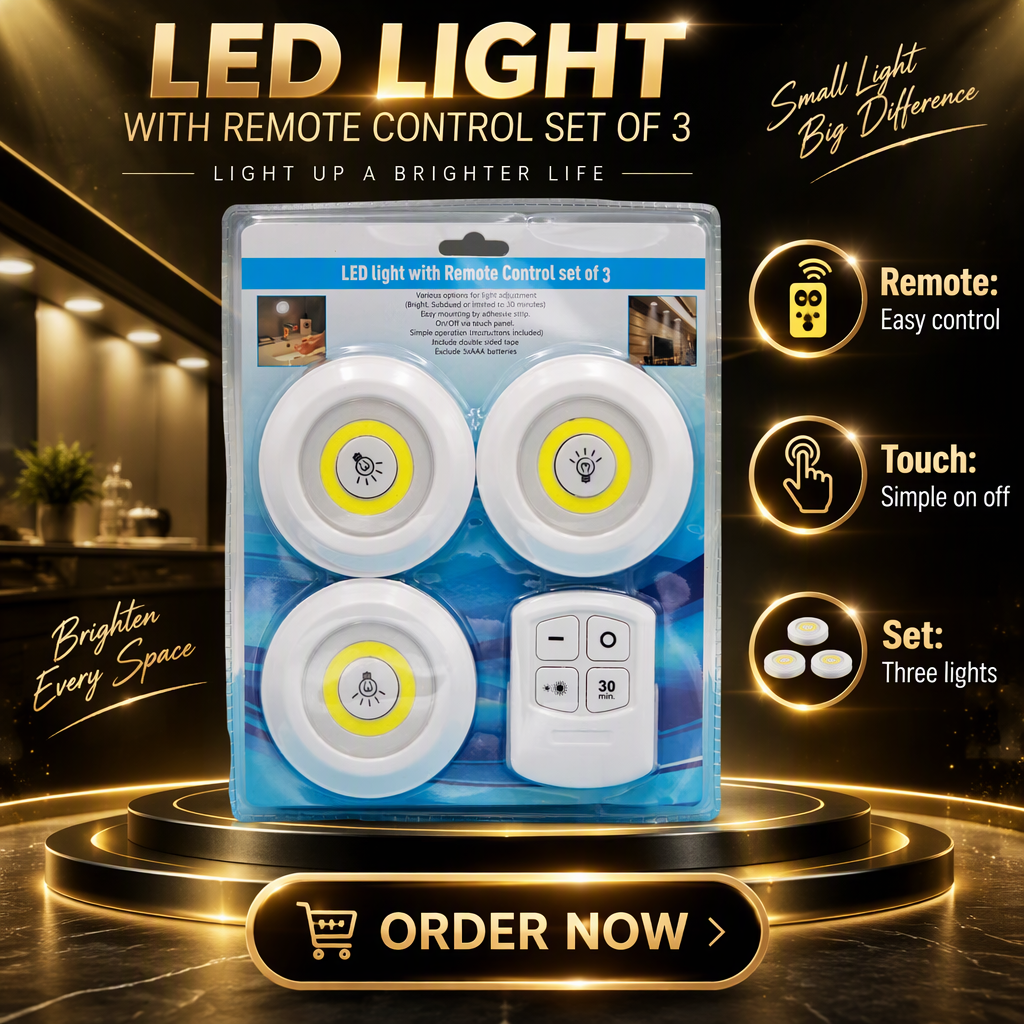
Optical Control
Precision wide-angle prismatic surface diffusion with touch-dimming optical sensor circuitry.
Get Catalog
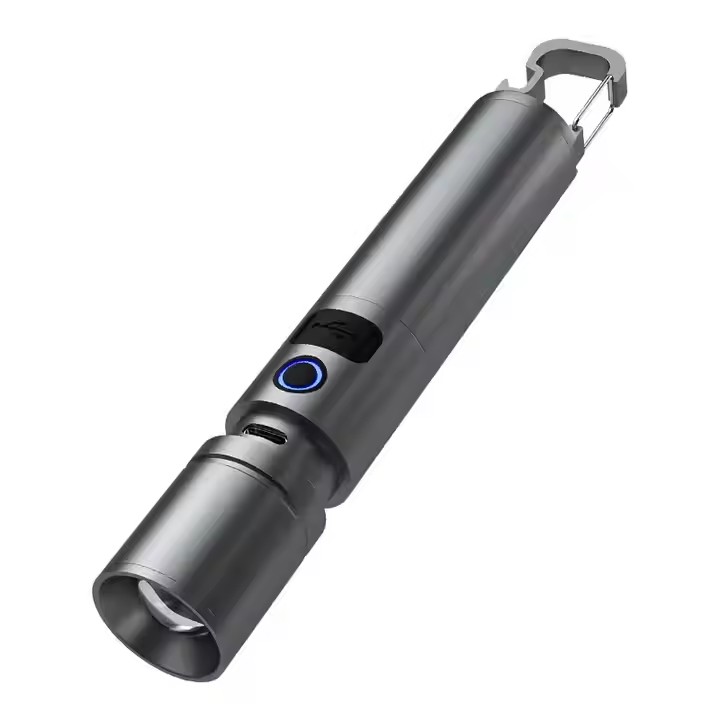
High Lumen Focus
T6 aerospace aluminum casing with micro-machined collimating reflector optics for extreme beam throw.
Get Catalog
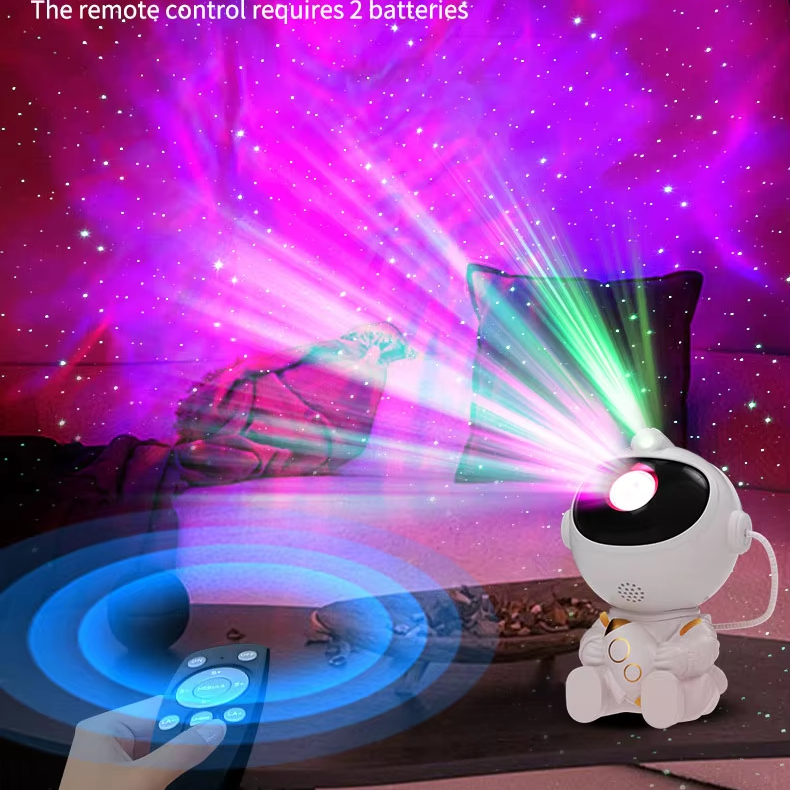
Micro-Prism Shade
Engineered retroreflective-grade diffusion layer with thermal regulation board and USB controls.
Get Catalog
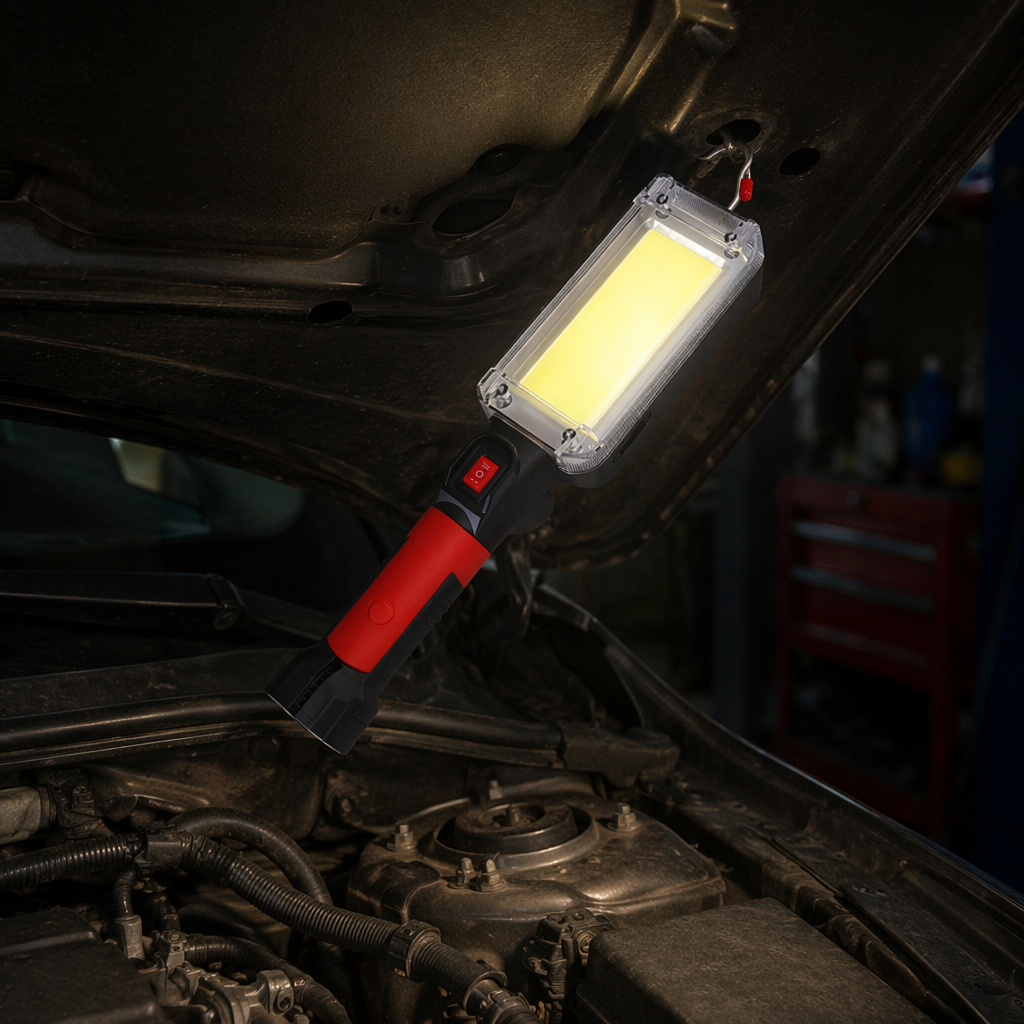
IP65 Active Beacon
Heavy-duty ABS chassis housing hermetically sealed high-density COB emitter matrices.
Get Catalog
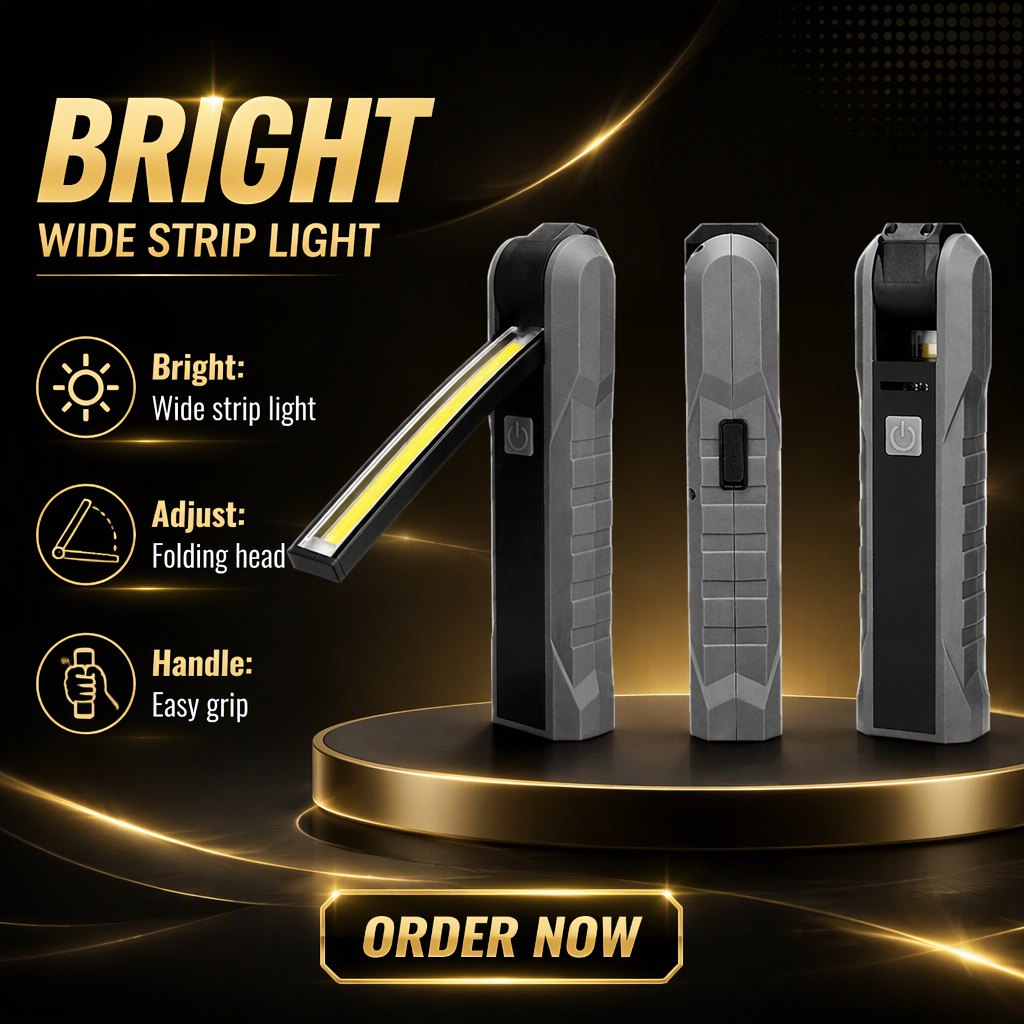
Work Inspection
360-degree swiveling high-flux array fitted with perimeter optical warning reflectors.
Get Catalog
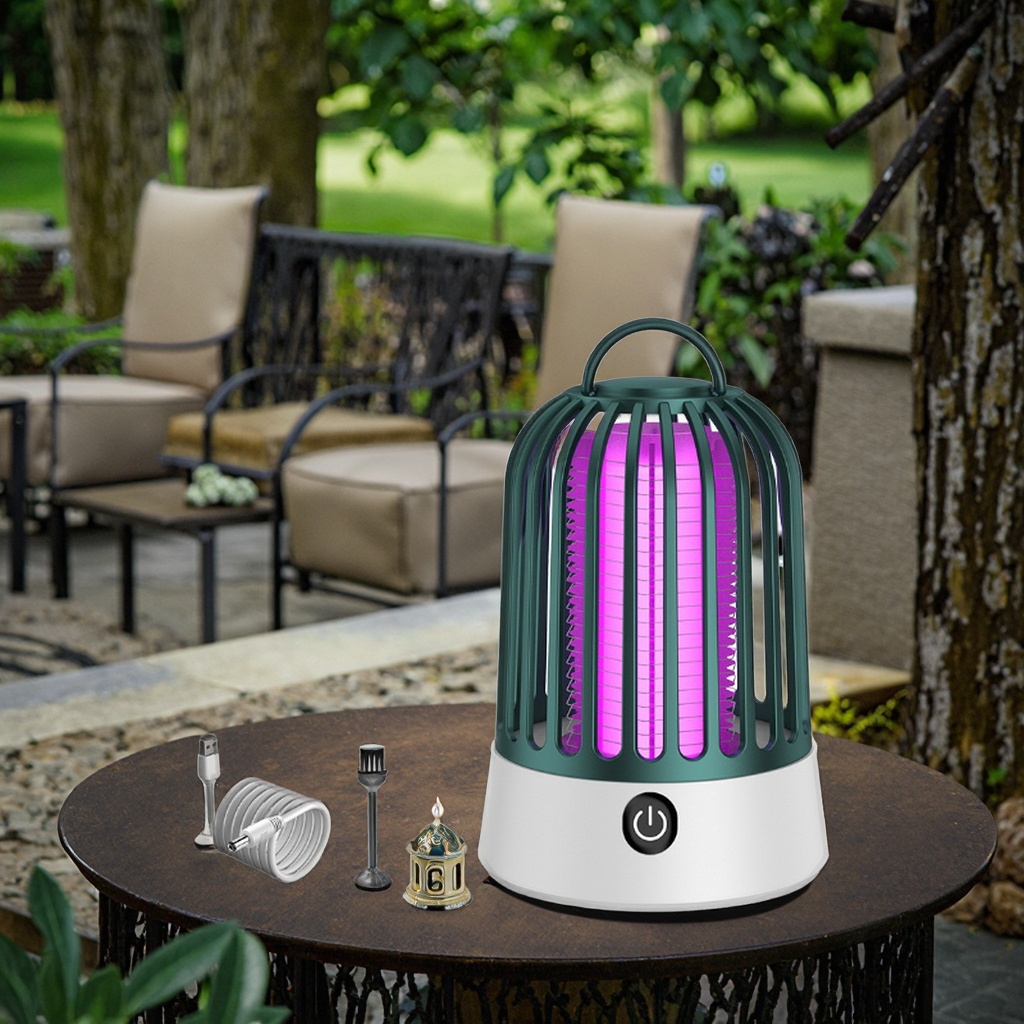
Specialty Optics
Calibrated frequency-specific LED diodes coupled with safety mesh grid matrix.
Get Catalog
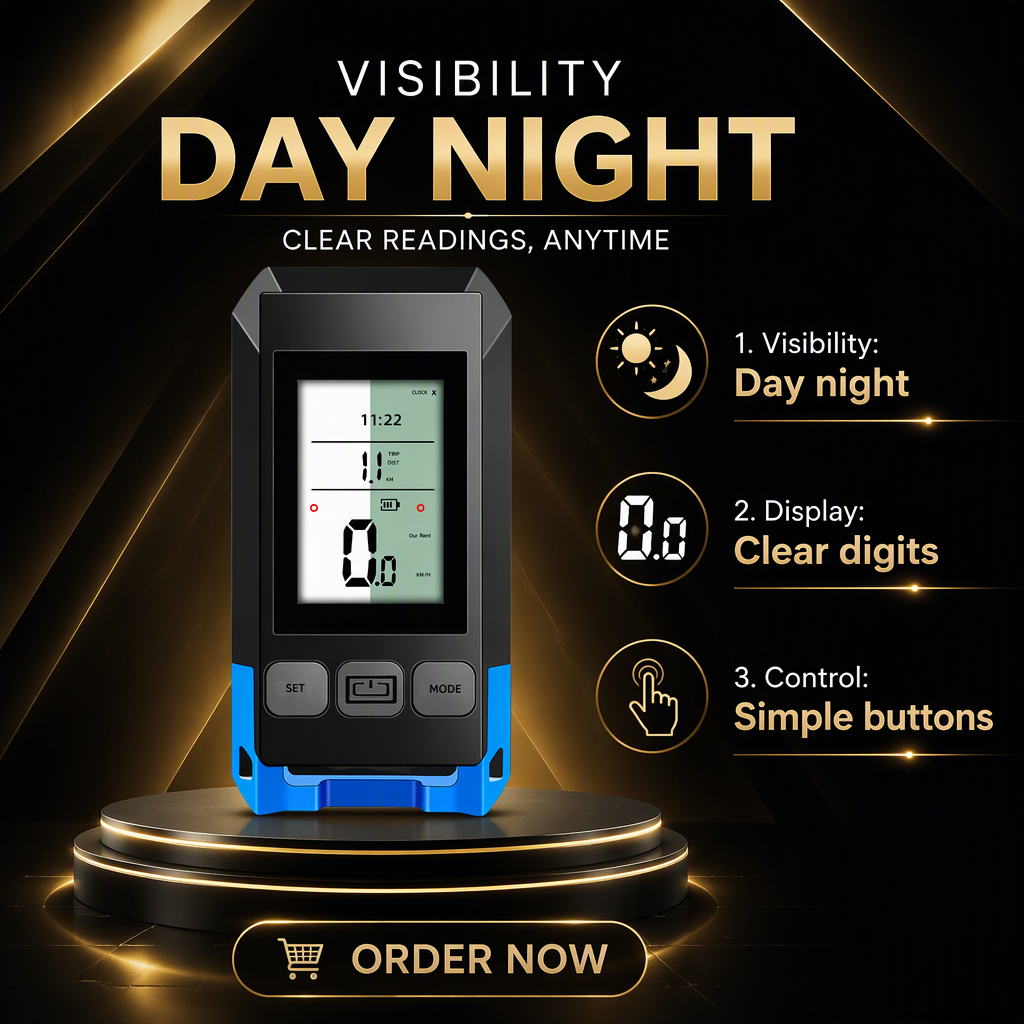
IPX6 Telemetry
Integrated anti-glare high-contrast display module designed for all-weather handlebar mounting.
Get Catalog
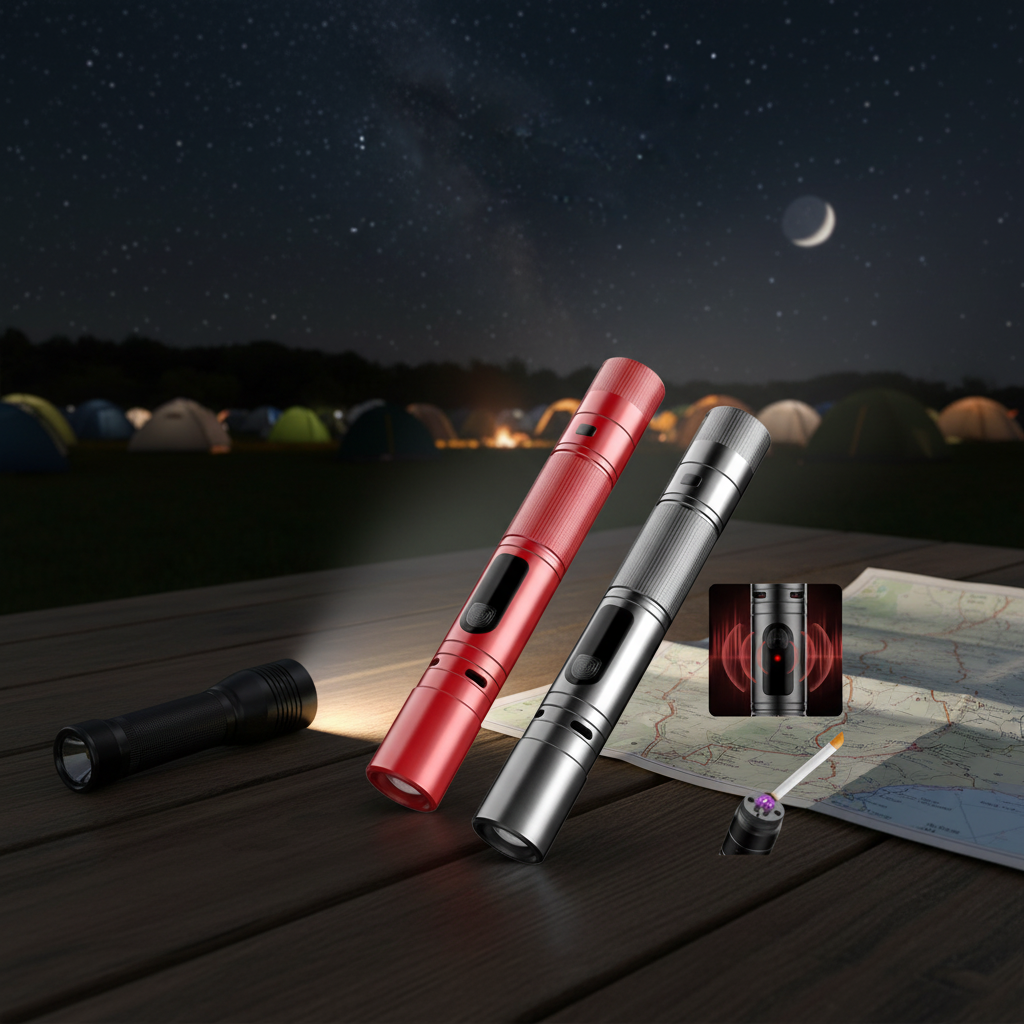
Double Arc Optical
Convex aspheric lens assembly backed by precision CNC heat sink for constant lumen stability.
Get Catalog
Procurement Shifts in Global Bicycle Safety Hardware
Understanding the technical convergence of active LED photonics and passive micro-cube retroreflectors under modern European and American regulatory frameworks.
Micro-Cube Retroreflection
Transition from spherical bead injection to ultra-precise cube-corner micro-prism geometries, ensuring high CIL (Coefficient of Luminous Intensity) values even at acute entrance angles exceeding 20 degrees.
Active-Passive Hybridization
Market requirements increasingly demand seamless mechanical integration of passive reflectors into active flashing tail lights, guaranteeing secondary fail-safe visibility during complete battery depletion.
Environmental Hermetic Sealing
Shift toward ultrasonic polymer welding and automated automated O-ring compression, eliminating optical degradation caused by water ingress, salt fog spray, and UV embrittlement.
Reflector Regulatory Compliance: Cross-Market Matrix
OEM engineering benchmarks required for seamless customs clearance across the EU, US, and APAC trading zones.
| Regulatory Standard | Primary Jurisdiction | Photometric Metric | Colorimetric Requirements | Mandatory Testing Protocol |
|---|---|---|---|---|
| ISO 6742-2 / EN 15194 | European Union (CE Compliance) | CIL > 120 cd/lux at 0.2° Observation | Clear/White (Front), Red (Rear), Amber (Spoke/Pedal) | Goniophotometer rotation, salt-mist, mechanical impact |
| CPSC 16 CFR Part 1512 | United States / North America | Wide-angle retroreflection test (±20°) | Class A Specular chromaticity limits | Drop test, thermal cycle (-20°C to 50°C), UV exposure |
| StVZO § 67 (TA 18) | Germany (Federal Motor Transport) | Strict Z-Marking, narrow focal beam cutoff | Standardized German ECE chromaticity boundaries | Zero glare threshold for oncoming traffic, non-strobe |
| JIS D 9452 | Japan / East Asia | High reflection index at 50m distance | Reflective lens red and amber optical bands | Vibration stress testing up to 30 Hz continuous load |
Integrated Shenzhen Manufacturing & OEM Expertise
Shenzhen FEXA Technology Co., Ltd. combines dedicated in-house CNC tooling, optical mold manufacturing, and automated assembly audited by Intertek.
High-Precision Optical Tooling
Our mold engineering shop operates mirror-spark EDM machining to yield sub-micron prism facet smoothness on optical-grade PMMA/Polycarbonate lenses, minimizing light refraction loss.
Full Certification Dossiers
We deliver comprehensive technical dossiers for every batch, including CE certificates, optical laboratory photometric curves, RoHS material declarations, and EN standard documentation.
Custom Packaging & FBA Ready
Offering barcoding, custom retail blister cards, direct carton palletization, and OEM laser logo printing for streamlined delivery to North American and European logistics hubs.
Frequently Asked Questions for B2B Importers
Critical engineering and commercial answers to facilitate risk-free procurement and custom manufacturing schedules.
Q: How does your factory verify CE and ISO 6742-2 compliance?
Every optical batch is sampled in our darkroom testing tunnel using an automated goniophotometer to calculate the exact Coefficient of Luminous Intensity (CIL) at 0.2°, 0.5°, and 1.5° observation angles before shipment approval.
Q: What is the standard MOQ for custom toolings and colorways?
Standard catalog models are stocked with low minimum trial thresholds (as low as 200–500 pcs). Fully custom-tooled optical profiles require an initial run of 3,000–5,000 units depending on bracket complex tooling needs.
Q: Are your reflector polymers resistant to weathering and UV degradation?
Yes. We inject exclusively virgin, optical-grade PMMA (acrylic) or impact-modified PC resin blended with high-potency UV stabilizers. Units pass standardized accelerated weathering exposure tests without yellowing or micro-cracking.
Q: Can you integrate custom bracket geometry for proprietary e-bike frames?
Our engineering department delivers rapid 3D prototyping within 48–72 hours for custom handlebar clamps, seat-stay straps, fork bolts, or rear carrier rack mounts designed around specific OEM frame geometries.
Accelerate Your Bicycle Lighting Procurement
Connect with our Shenzhen optical engineering department to review 2D/3D CAD models, request CE/ISO test certificates, or order low-MOQ sample runs.
Get Catalog