0%

Choosing the best LED Bike Light in 2026 depends on where and how you ride. A bright front light can help reveal rough pavement, while a rear light helps make your position easier to notice. For daily commutes, a compact USB-rechargeable set may be practical. Riders on unlit roads often need a stronger headlight with a beam that reaches farther without wasting light above the road.

There is no single best type for every bicycle or route. Not always. Front headlights, rear safety lights, daytime-running lights, helmet-mounted lights, and combination sets each solve different problems. A helmet light can follow your gaze around a bend, but it should not replace a properly aimed handlebar light. A flashing rear light may stand out in daylight; at night, a steady or mixed mode can make distance and position easier to judge.

Look beyond the headline lumen number. Check the beam shape, claimed runtime, charging method, mounting security, and weather-resistance details. Manufacturer figures can differ, so compare products under similar settings and consult independent testing when available. A light rated for several hours may run for less time on its brightest mode. That matters on a cold evening ride.

This guide compares common light types by visibility, practical use, and trade-offs. It also considers battery-powered and dynamo options, plus features that can add convenience but not necessarily safety. Your route, speed, and riding habits should guide the final choice. A costly light is not automatically the right one. The honest answer may be a simple pair that you will keep charged and use consistently.
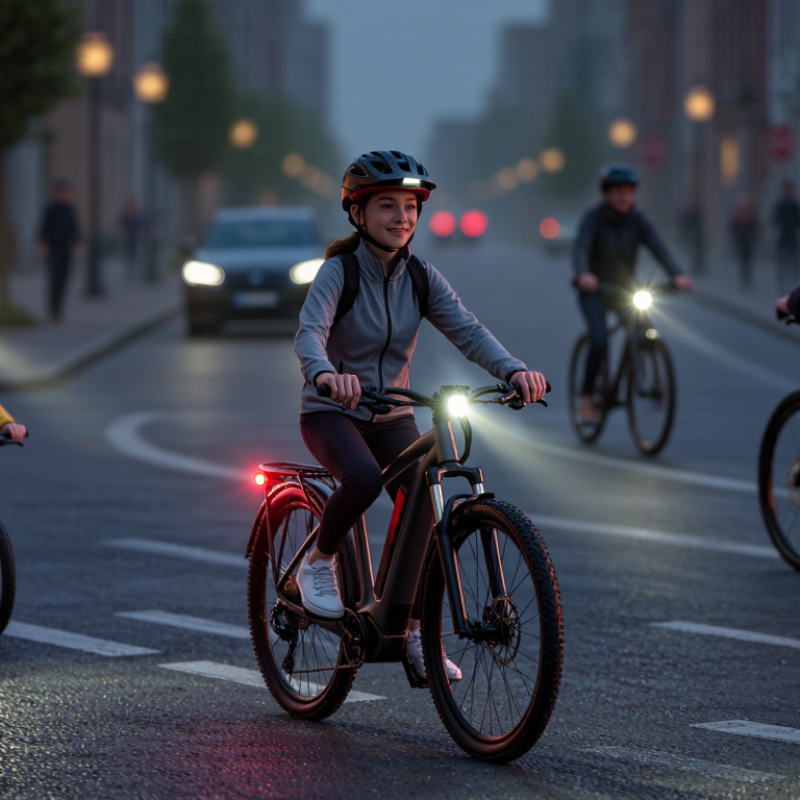
What Are the Best Types of LED Bike Lights in 2026?

What LED Bike Lights Are and How They Differ

LED bike lights use light-emitting diodes to turn electrical energy into visible light. Their main types differ by purpose: white front lights help riders see the road, while red rear lights help others notice them. Some are designed for steady illumination; others offer flashing modes. A bright beam is not automatically a useful one. Beam shape matters: a focused spot can reveal potholes, while a wider beam helps light the road edges. NHTSA’s 2022 Traffic Safety Facts reported 1,105 bicyclist fatalities that year. That figure does not prove lights prevent crashes, but it underscores why being seen matters.

Lights also differ in output, mounting, and power source. Lumens describe total light output, not how effectively the beam reaches the pavement. Rechargeable models are convenient, while dynamo-powered lights draw energy from the moving wheel. In practice, a light can feel dazzling on a shop wall yet leave the road ahead dim. I have to admit that choosing by lumen count alone is an easy mistake.

Tips:

Aim the front beam slightly downward, and check it from a driver’s eye level.

Use a rear light that remains visible from behind, even when your bike is angled.

Check the battery before dusk; a low-power beam can look fine indoors but fade outdoors.

The Main Types of LED Bike Lights in 2026

LED bike lights are easiest to compare by where they sit and what they help others see. A front white light illuminates the road, while a rear red light makes your position visible from behind. On dark, unlit streets, choose a focused front beam bright enough to reveal potholes without dazzling oncoming riders. On lit city roads, a lower setting may feel more comfortable. Beam shape matters.

Rear lights are designed for visibility, not for lighting the route. A steady red mode gives a clear reference point; a pulsing mode can attract attention, though it should not replace a front light. Mount the lamp upright on a seatpost or rear rack, and check that a bag or jacket does not block it. Tiny angle changes can matter.

Side-facing LEDs help show your movement at junctions, where a front-and-rear pair may be hard to see from an angle. Helmet lights point where you look, but head movement can make their signal less predictable. Combination sets are convenient, yet separate lights offer more placement options. I would still check the beam in a dark driveway; specifications alone can mislead. Battery life can also drop in cold weather, so advertised runtime may not match a long ride.

What Are the Best Types of LED Bike Lights in 2026?

Typical lumen ranges by bike-light type

Front lights illuminate the road, while rear lights help other road users see you. Trail and helmet-mounted lights can provide more output for darker routes or targeted illumination. These ranges are representative, not standardized; actual brightness varies by model and lighting mode.

How Beam Shape, Brightness, and Battery Life Compare

For city streets, a shaped beam with a clear upper cutoff directs light onto the road without shining straight into oncoming riders’ eyes. On unlit paths, a wider flood beam helps reveal gravel near the edges, though it can waste power if aimed too high. That matters at dusk. A flashing setting can help others notice you in daylight, but steady light is easier to judge after dark.

Brightness figures are useful, not the whole story. A 600-lumen lamp with focused optics may illuminate a route better than a higher-output light with a scattered beam. For familiar streets, moderate output often feels comfortable; rough trails need more reach and side visibility. Try the light at your usual riding speed and angle, not just against a garage wall. That check is easy to skip.

Battery life depends on mode, temperature, and age. A manufacturer’s maximum runtime usually applies to a lower setting, so compare runtime at the brightness you will actually use. Cold changes things. Keep a reserve for an unexpected delay, and consider a separate daytime light if you need long runtime. A tidy spec sheet can still mislead; I have to admit that beam shape is harder to compare than lumens.

Which LED Light Types Suit Different Riding Conditions

For city streets, choose a compact front LED with a broad beam and a steady mode. It helps reveal potholes and makes the bicycle easier to notice at junctions. Keep the beam angled toward the road, not drivers’ eyes. Add a red rear light with a clear, unobstructed view from behind. A flashing mode can attract attention in daylight, but steady light is often easier to judge at night. Small detail. Clean lenses matter.

On unlit paths, a brighter front light with a focused, longer-reaching beam helps pick out gravel, wet leaves, and bends. A wider beam can fill the edges of the path, though it may drain the battery faster. Check the b​eam pattern, battery runtime, and mounting stability, not just the lumen number. A helmet-mounted light can follow your gaze, but it may bounce over rough ground and shine into another rider’s eyes.

Daytime visibility also has evidence behind it. A Danish controlled field study by Madsen and colleagues, published in Accident Analysis & Prevention, found permanent bicycle running lights were associated with 19% fewer crashes overall among 3,845 cyclists. That result supports being visible, not any single light style; the study did not establish one ideal brightness or beam shape. Conditions still vary. In rain or mist, place the rear light where bags or clothing cannot hide it, and check that both lights remain secure after a bumpy ride.

How to Choose a Bike Light for Your Needs

Choose a light for the route you actually ride, not the brightest number on the box. On lit streets, a compact front light with a controlled beam helps drivers notice you. It also avoids washing out nearby faces. Beam shape matters. On unlit paths, prioritize a stronger front beam that reaches beyond your stopping distance, plus a secure handlebar mount.

Use a rear light visible from the sides; jackets and panniers can block a narrow beam. The U.S. National Highway Traffic Safety Administration recorded 1,105 bicyclist deaths in 2022 in its Traffic Safety Facts: Bicyclists report. That figure does not prove a particular lamp prevents crashes, but it makes visibility worth considering.

Check runtime at the brightness you will actually use, not only the lowest advertised setting. For a 40-minute commute, leave a buffer for cold weather, battery aging, and a delayed ride home. Water resistance, glove-friendly controls, and a mount that stays aimed matter too. I would rather carry a dependable light than rely on a dazzling one I forget to charge. Keep it simple. Battery estimates can still feel optimistic in real conditions.

What Are the Best Types of LED Bike Lights in 2026? — How to Choose a Bike Light for Your Needs

Light Type Typical Output or Rating Best For Advantages What to Consider How to Choose
Compact USB-rechargeable front light About 100–400 lumens Lit streets, commuting, and being seen by traffic Small, easy to remove, and convenient to recharge May provide limited road illumination on unlit routes; output and runtime depend on the selected mode Choose a steady mode bright enough for visibility, with a lower-flash option for daylight use where appropriate.
General-purpose front light About 400–1,000 lumens Mixed urban and suburban riding, including some darker roads Balances useful forward illumination with manageable size and power use Beam shape and mounting position matter as much as the advertised lumen figure Look for a beam that lights the road without shining directly into the eyes of oncoming road users.
High-output trail light About 1,000–3,000 lumens or more Unlit roads, mountain-bike trails, and faster riding in darkness Provides stronger illumination at distance and on rough or technical routes Higher output usually uses more battery; the light may be larger, heavier, or require a separate battery pack Compare usable runtime at the mode you will actually ride with, not only the maximum-output figure.
Dynamo-powered front light Often rated in lux; output varies by light and dynamo system Regular commuting and touring where frequent charging is inconvenient Powered by a wheel dynamo, so it can operate without routine battery charging Requires compatible dynamo equipment; performance depends on the system and may vary with riding speed Check compatibility, beam pattern, and whether the system includes a standlight that remains on briefly when stopped.
Rear safety light Commonly about 20–100 lumens Day and night visibility from behind Compact and easy to mount on a seatpost, rack, or bag Brightness, flash patterns, and visibility can differ; a very intense or poorly aimed light may distract others Choose a model that remains visible from behind and the sides, and aim it so it does not point directly upward.
Helmet-mounted light Varies widely; commonly used as a supplementary front light Trail riding, winding routes, and looking toward turns or hazards Follows the rider’s gaze and can complement a handlebar light Can add weight to a helmet and may be less stable; it should not replace a properly aimed primary light Use a secure mount and consider pairing it with a handlebar light for a broader view of the road or trail.
Daytime running light Varies by design; often uses a distinct daytime flash or steady pattern Increasing visibility in daylight, especially in traffic Designed to attract attention in bright conditions Daytime visibility features do not necessarily provide enough illumination for riding after dark Check that the light also has a suitable night mode, or carry a separate light for dark conditions.

Practical tip: Lumens describe total light output, while lux describes illuminance on a surface. Beam shape, mounting angle, battery condition, and local lighting conditions all affect real-world performance. Check local regulations for required lights and reflectors.

FAQS

What is the difference between front and rear bike lights?

A white front light helps illuminate the road. A red rear light helps others see you from behind.

Does a higher lumen rating always mean better road lighting?

No. Lumens measure total light output, not how well the beam reaches the pavement. Beam shape matters more than I expected.

How should I aim a front bike light?

Angle it slightly downward, then check it from a driver’s eye level. A garage wall is not enough.

When should I use a steady or flashing light?

Flashing modes can attract attention in daylight. After dark, steady light is easier for others to judge.

Where should I mount a rear light?

Mount it upright on a seatpost or rear rack. Check that a bag or jacket does not block it.

Can side-facing lights help at junctions?

Yes. They can make your movement easier to notice from the side. Small placement changes can matter.

How can I estimate a light’s real battery life?

Compare runtime at the setting you will actually use. Cold weather and battery age can shorten it. Keep a reserve.

Are helmet lights a good replacement for bike-mounted lights?

Not really. They point where you look, but head movement can make your signal less predictable. I would use them carefully.

Conclusion

The best LED Bike Light for 2026 depends on where and how you ride. Bike lights generally serve as front lights to illuminate the road, rear lights to help others see you, or versatile lights that can do both. They differ in beam shape, brightness, mounting style, and power source. A focused beam can help riders see farther ahead, while a wider beam can make nearby surroundings more visible. Brightness and battery life also vary, so a powerful setting may be useful on dark routes but may require more frequent charging.

For city streets, a compact light with a clear, visible beam may be sufficient; unlit roads call for stronger illumination and dependable battery life. Commuters may prefer easy-to-mount lights with practical charging, while longer rides benefit from flexible brightness settings and longer runtimes. Consider your route, riding time, weather exposure, and whether you need to see the road, be seen by others, or both before choosing.

Ethan

Ethan

Ethan is a professional marketing specialist with a strong understanding of the company’s products, their practical applications, and the needs of the customers they serve. He regularly contributes expert articles to the company website, sharing clear, useful insights that help readers make......
Send Inquiry