0%
Choosing an LED Bicycle Light is about more than picking the highest lumen rating. On a dark road, a well-shaped beam can reveal cracks and potholes without shining directly into another rider’s eyes. Small details matter.
This guide to the 10 best LED bicycle lights compares practical features, including brightness levels, beam shape, battery life, charging method, mounting security, and weather resistance. A powerful front light may suit unlit roads, while a compact model can be easier to carry for short city rides. Rear visibility matters, too. A steady light or flashing mode can help other road users notice a bicycle, depending on the setting and local conditions.
Numbers need context. A stated runtime often changes with brightness, temperature, and battery age, so treat it as a guide rather than a promise. A high lumen count does not automatically mean a useful beam. That can be overlooked. Check the manufacturer’s specifications, charging details, and fit before buying; handlebar shapes and accessories can affect mounting. A light that slips over bumps is frustrating, even if its specifications look impressive. This list is designed to make comparisons clearer, not to claim one lamp suits every ride. Your route, speed, and tolerance for charging will shape the best choice. Some trade-offs remain.
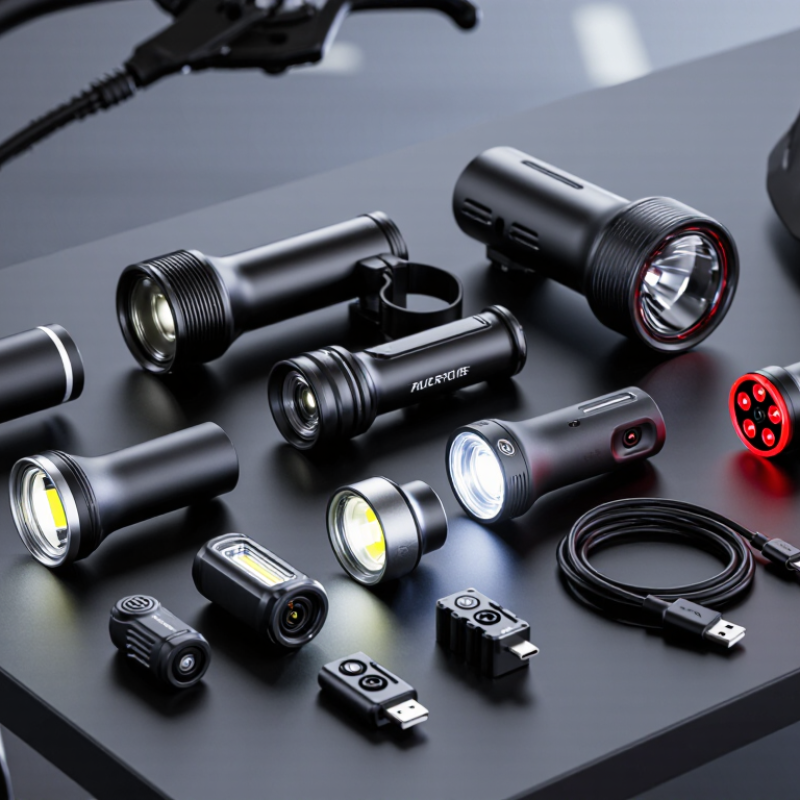
Table of Contents
[Hide]
How LED Bicycle Lights Improve Visibility and Road Safety
LED bicycle lights help other road users notice a rider sooner, especially at dusk, in rain, or on streets with uneven lighting. A white front light can reveal potholes and wet leaves before the wheel reaches them. A red rear light makes a bicycle easier to spot from behind. Small details matter.
Visibility depends on more than brightness. A wide beam can light the road ahead, while side-facing visibility helps drivers notice a bicycle at junctions. Mount lights securely, and angle the front beam toward the road rather than directly into approaching faces. A flashing setting can attract attention in daylight, but a steady beam may make distance easier to judge at night. Neither setting solves every situation.
Check the battery before longer rides, and make sure bags or jackets do not cover the rear light. A light helps, but it cannot make a rushed turn safe. Riders may also feel visible while remaining hard to see from a car’s blind spot. I still think this is easy to underestimate. Good lighting works best alongside reflective details, predictable riding, and regular checks that both lights are working.
10 Best LED Bicycle Lights to Buy — How LED Bicycle Lights Improve Visibility and Road Safety
| Light Type | Typical LED Output | Typical Runtime | Best For | Visibility and Safety Features to Look For | Buying Consideration |
|---|---|---|---|---|---|
| Compact USB-Rechargeable Front Light | 100–300 lumens | About 2–10 hours, depending on mode | Lit urban streets and short commutes | Steady and flashing modes; visible side lighting | Convenient for regular charging; check that its beam is not aimed into other road users’ eyes. |
| Commuter Front Light with a Cut-Off Beam | 200–600 lumens | About 2–8 hours | City riding after dark | A shaped beam that directs light onto the road; multiple brightness settings | Look for clear mounting adjustments so the beam can be aimed correctly. |
| High-Output Front Light | 600–1,200 lumens | About 1–6 hours | Unlit roads and faster riding | Wide, even road coverage; low and high modes | High output can drain a battery quickly and may dazzle others if aimed too high. |
| Wide-Beam Front Light | 300–800 lumens | About 1.5–8 hours | Roads with bends, junctions, and limited street lighting | Broad beam spread to help reveal the road edges and nearby hazards | Compare beam shape as well as lumen claims; lumens alone do not describe where light falls. |
| Daytime-Visibility Front Light | 100–400 lumens, with a conspicuous flash mode | About 3–15 hours in lower-power modes | Daytime riding and mixed-light conditions | A distinct daytime flash pattern and side visibility | Use a steady or appropriately designed mode at night; flashing light alone may not illuminate the road. |
| Basic Rear Safety Light | 10–50 lumens | About 3–20 hours | Everyday commuting on lit streets | Red light, steady and flashing modes, and a clear rear-facing position | Mount it where bags, clothing, or the rider’s body will not block it. |
| High-Visibility Rear Light | 30–100 lumens | About 2–12 hours | Busy roads and daytime use | Bright, recognizable output with visibility from off-axis angles | Check the manufacturer’s guidance for night use and avoid aiming it directly into following riders’ eyes. |
| Rear Light with a Wide Viewing Angle | 15–80 lumens | About 3–15 hours | Junctions and roads where traffic approaches from different angles | Side-facing windows or a wide-angle lens | Position it vertically and keep the lens clean for the clearest visibility. |
| USB-C Rechargeable Front-and-Rear Set | Front: 200–600 lumens; rear: 10–80 lumens | About 2–12 hours, depending on each light’s mode | Riders who want a matched everyday setup | Separate controls and indicators for front and rear battery status | Check whether both lights can operate while charging and whether charging cables are included. |
| Long-Runtime Front Light with a Backup Mode | 300–800 lumens on high; lower output on backup mode | About 2–10 hours on high; longer on low | Long commutes and rides where charging opportunities are limited | Battery-level indicator and a lower-power mode that preserves some illumination | Runtime is usually longest at low output; compare runtime figures at the mode you expect to use. |
Why lights help: A forward-facing white light can help a cyclist see the road in low light, while front and rear lights can make the bicycle more conspicuous to other road users. Use lights appropriate to the conditions, keep lenses unobstructed, and aim them considerately. A bicycle light improves visibility but cannot guarantee that a collision will be prevented.
FAQS
What type of front light works best on city streets?
A broad, moderate beam can reveal potholes and pavement edges on well-lit streets. A tiny spot may miss the sides.
How should I aim a front bicycle light?
Point it slightly downward, then check the beam from a driver’s approach. Aiming matters.
Is a helmet light enough for night riding?
No. It follows your gaze around bends, but should complement a handlebar light.
Should I choose a flashing or steady rear light?
A flashing mode can attract attention during daylight. A steady red light helps others judge your position in low light. Try both.
How can I choose a light for dark rural roads?
Look for a stronger beam with useful width, and aim it carefully. It should reveal distant hazards without dazzling oncoming riders.
What should I check besides brightness?
Compare beam shape, mount stability, water resistance, and runtime at your usual setting. Maximum lumen figures can mislead.
Are rechargeable lights practical for commuting?
USB-rechargeable lights are convenient, but cold weather can reduce battery performance. Published runtimes may feel optimistic.
What details should I test before relying on a new light?
Check that the mount stays steady over bumps and fits your handlebar or seatpost. Test the beam on a familiar route. My first aiming guess is often wrong.
Conclusion
Choosing the right LED Bicycle Light can make every ride safer and more comfortable. A bright, well-positioned front light helps you see the road ahead, while a rear light makes you easier for others to notice. Different designs suit different situations: compact lights work well for short city trips, wider beams can help on darker roads, and lightweight options are convenient for daily commuting. Using front and rear lights together can improve visibility in changing conditions.
Before buying, compare brightness, beam shape, battery life, charging method, mounting options, weather resistance, and ease of use. The ten light options in this guide represent a range of needs, from casual rides and commutes to longer journeys and low-light routes. To choose the best fit, consider where and when you ride, how much illumination you need, and how easily the light attaches to your bike. A suitable light should be dependable, simple to operate, and appropriate for your usual routes.
Updated:

Oliver
Oliver is a professional marketing specialist with a deep understanding of the company’s products, services, and the needs of the people who use them. He regularly contributes expert articles to the company website, turning product knowledge and industry insights into clear, practical guidance. His......